THREE Al-Qaeda terrorists who were part of the infamous plot to blow up airliners with liquid explosives could be released back on the streets within weeks.
Their 2006 -inspired plan to hide liquid explosives in drinks bottles changed air travel around the world.
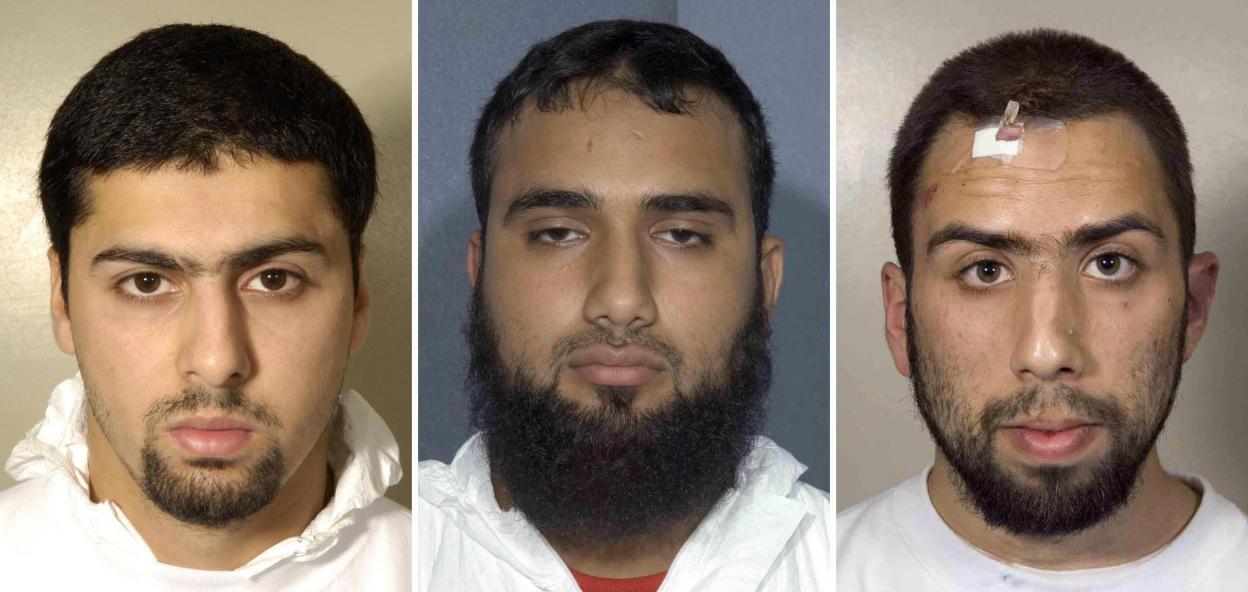 Plotters (L-R) Arafat Waheed Khan, Waheed Zaman and Ibrahim Savant were found guilty of conspiring to murder hundreds of people in a terrorist attack by a jury in 2010 Credit: Metropolitan Police/PA Wire
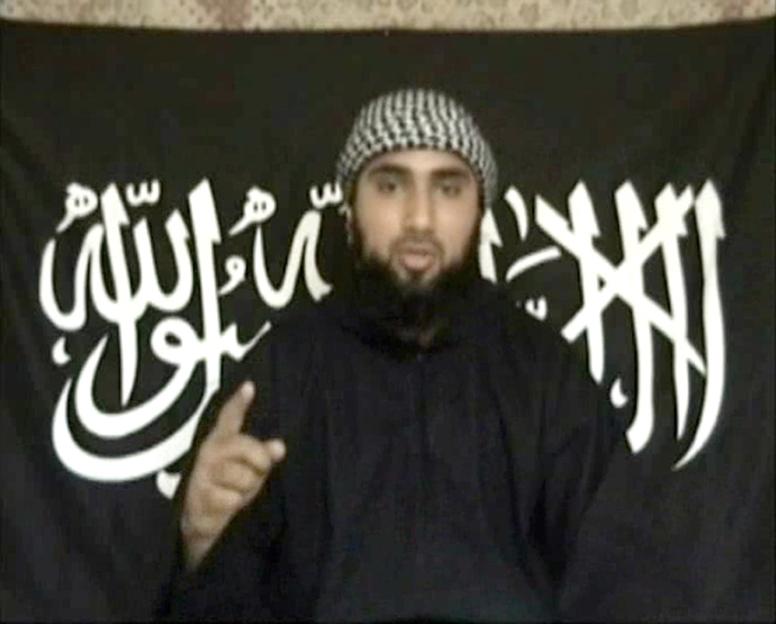 Waheed Zaman filmed a ‘martyrdom video’ where he explained why he had chosen to blow himself up in advance of the foiled 2006 terror plot Credit: Nicholas Razzell
It also sparked airport chaos, cost millions and ultimately forced the aviation industry to invest in sophisticated new scanners.
All three, who are British citizens of descent, are now eligible to ask the Parole Board to decide whether the danger they once represented can safely be managed outside prison.
They were sentenced to life with a minimum of 20 years after a jury heard they recorded chilling “martyrdom videos” in preparation for suicide attacks.
Ibrahim Savant, of Stoke Newington, North , Arafat Waheed Khan and Waheed Zaman, both of Walthamstow, East London, were recruited by Abdulla Ahmed Ali.
Zaman has a Parole Board hearing listed for September 7.
Khan’s case will be considered on September 21, while Savant is due before the board on November 12.
If the Parole Board considers them rehabilitated they could be freed by Christmas.
home affairs spokesperson said last night: “The public will be rightly appalled that these appalling individuals could soon be back on our streets.
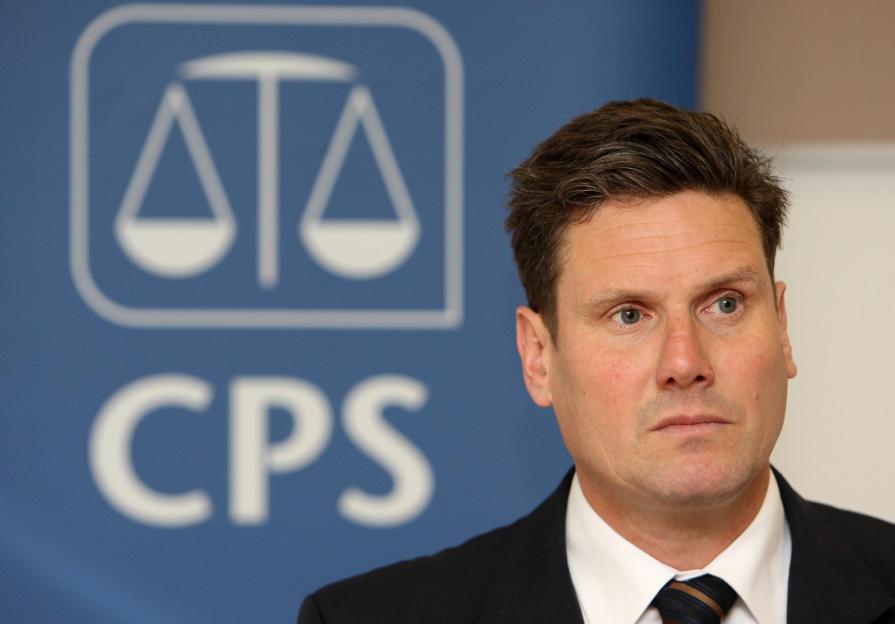 The then-Director of Public Prosecutions at the CPS, Keir Starmer, sought a rare second retrial of the trio, after two juries failed to convict them Credit: PA:Press Association
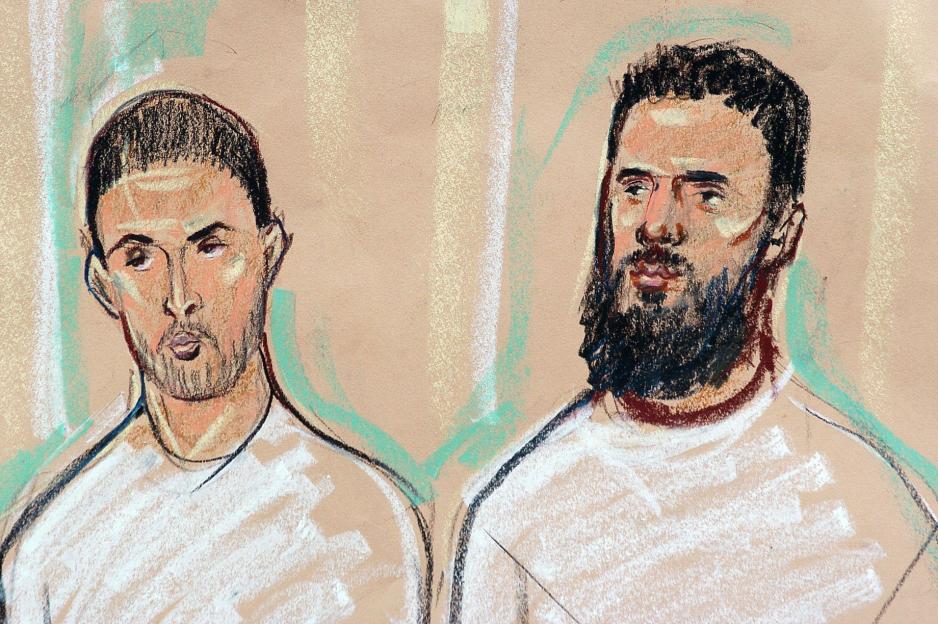 L-R: Ibrahim Savant, 25 and Waheed Zaman, in the foiled terror plot appearing at City of Westminster Magistrates Court on 22nd August 2006 Credit: Priscilla Coleman
“Our justice system is fundamentally broken when people convicted of conspiracy to commit mass murder on such a terrifying scale are even considered for release. They should be locked up for life.”
Shadow Justice Secretary added: “It’s unconscionable that Islamist terrorists — who planned to blow up planes, killing hundreds of innocent civilians — should be let out of .
“If they are, the public will rightly be outraged.”
Police moved against the plotters on August 10, 2006, amid fears that an attack could be imminent.
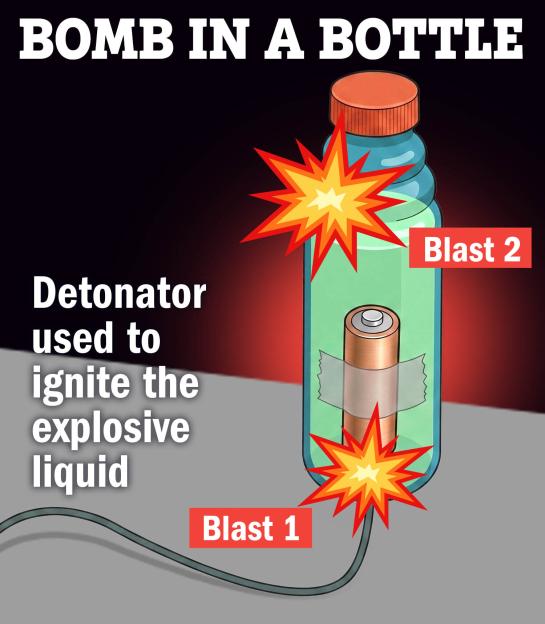
The UK level was raised to “critical” and normal hand luggage was initially banned from flights leaving British airports.
Thousands of passengers were caught in huge queues in the peak summer holiday season.
cancelled 1,280 flights in eight days and later estimated that the disruption had cost it £40million.
The conspirators planned to manufacture bombs using liquid explosives which could be concealed inside bottles of drinks including Oasis and Lucozade.
The main charges were to contain hydrogen peroxide and other chemicals capable of producing the highly unstable explosive TATP.
Small detonators fashioned using components from disposable cameras could then have been used to trigger explosions in mid-air.
Within months, restrictions were introduced limiting liquids in hand luggage to containers of no more than 100ml, which had to be presented for security screening inside transparent one-litre plastic bags.
Bottles of water were routinely surrendered at airport security.
Shampoo, toothpaste, deodorant, perfume, suncream and cosmetics were decanted into tiny containers.
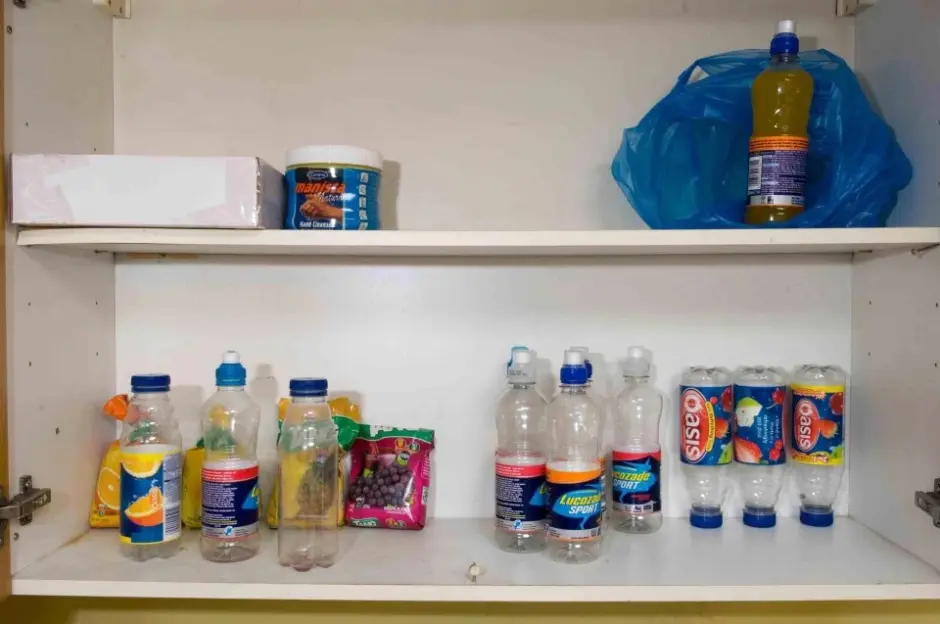 The London cell had spent weeks working out how to inject liquid explosives through the bottom of sealed Lucozade bottles to replace the original contents Credit: Credit: PA:Press Association
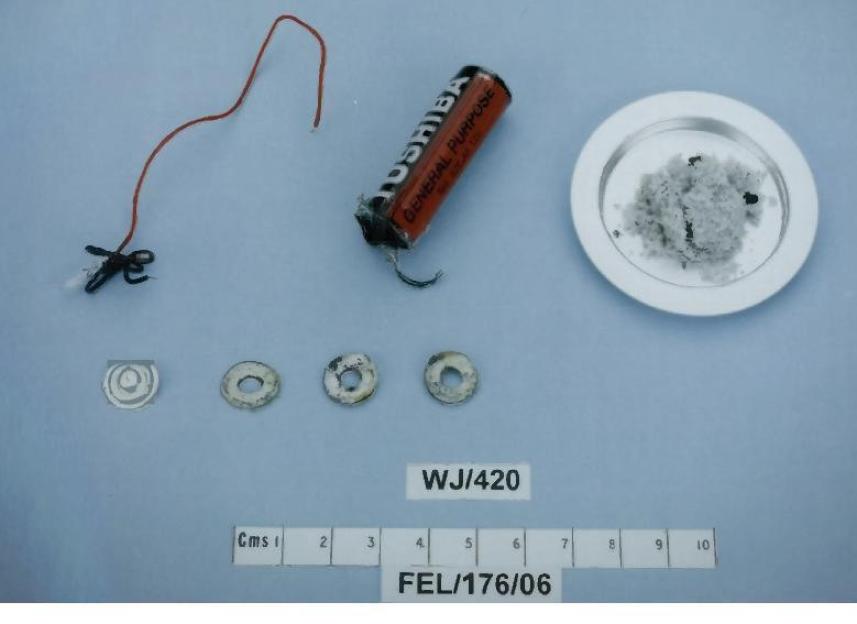 One of the homemade explosives found inside a London home Credit: PA:Press Association
The annoying and time- consuming process became as familiar to holidaymakers as passports and boarding cards.
Manufacturers and retailers responded with travel-sized toiletries, while passengers also bought empty 100ml bottles and transparent security bags.
The global market for such items is now valued at £5.7billion.
Airports have since spent millions installing CT security scanners capable of detecting liquid explosives , which is finally allowing some of the restrictions to be relaxed.
Yet the scale of the atrocity which prompted them could have been almost unimaginable.
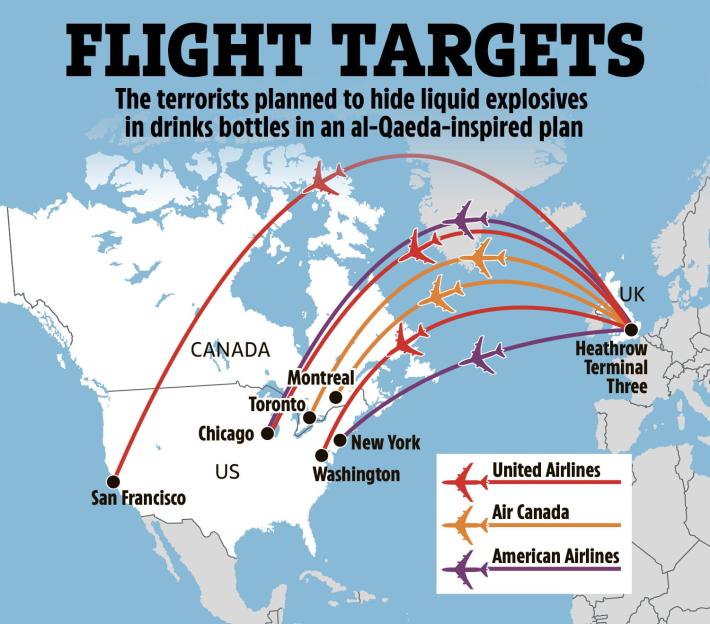
The plot centred on plans to destroy multiple passenger aircraft travelling simultaneously from Britain to the US and Canada.
Flights from Heathrow to San Francisco, Toronto, Montreal, Chicago, Washington DC and New York were among those considered.
Investigators discovered discussions involving an operation which could potentially have used up to 18 suicide bombers.
Six suspects recorded martyrdom videos denouncing the West and explaining their willingness to die.
The recordings were intended to be distributed by al-Qaeda supporters after the attacks.
At the centre of the conspiracy was Abdulla Ahmed Ali.
Ali and fellow plotters Assad Sarwar and Tanvir Hussain were eventually convicted of conspiring specifically to murder passengers by detonating liquid bombs aboard transatlantic aircraft.
Ali was sentenced to life with a minimum term of 40 years.
Sarwar received a minimum of 36 years and Hussain 32 years.
Another conspirator, Umar Islam, was convicted of conspiracy to murder and sentenced to life with a minimum term of 22 years.
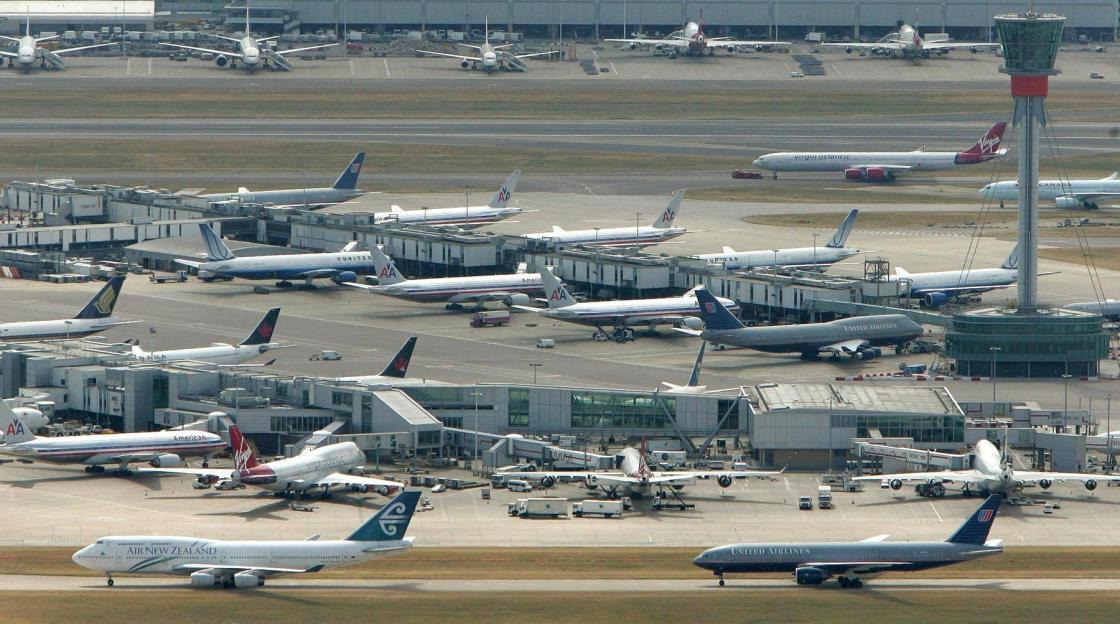 Aircraft sat at stands at Heathrow Airport as passengers faced major delays in the wake of the anti-terrorism operation Credit: PA:Press Association
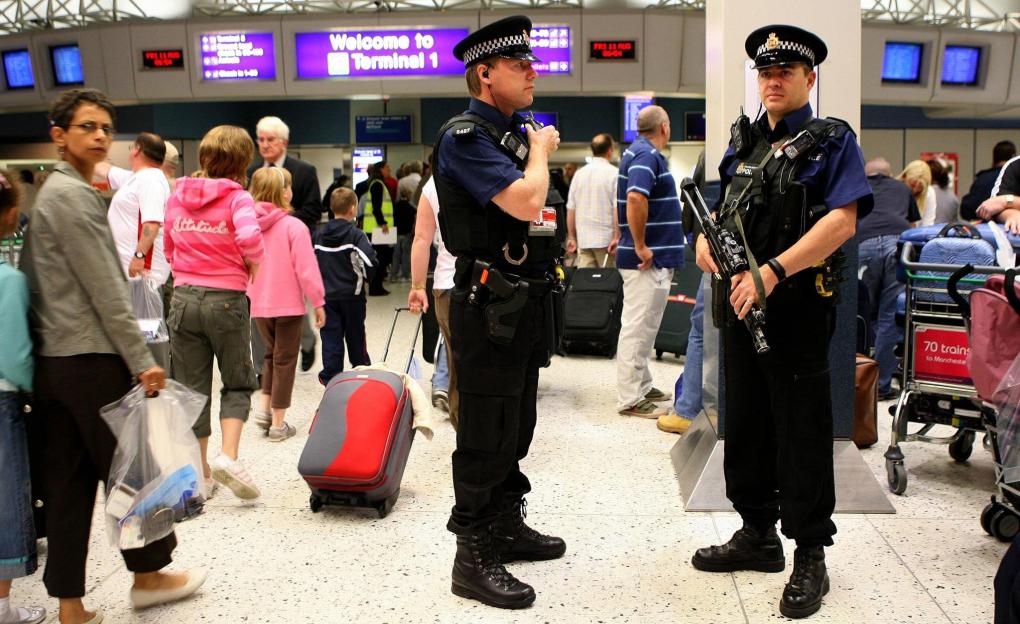 Armed police patrol at Manchester Airport’s Terminal One on August 11, 2006 after the massive security operation resulted in 24 arrests across the UK Credit: PA:Press Association
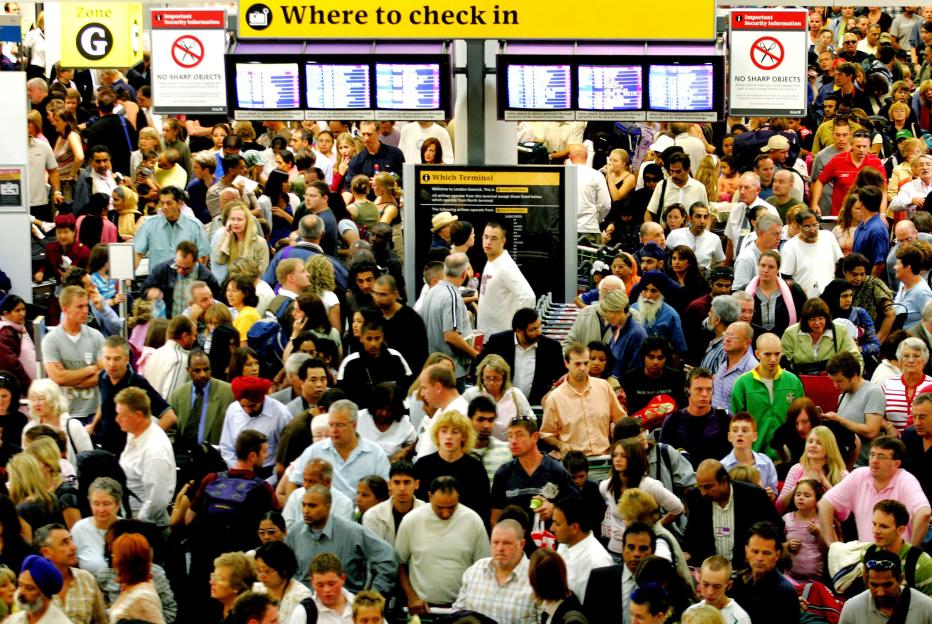 Crowds of people wait in the check-in area at Gatwick Airport, 10 August 2006 after MI5 upgraded the National Security level to ‘critical” Credit: AFP
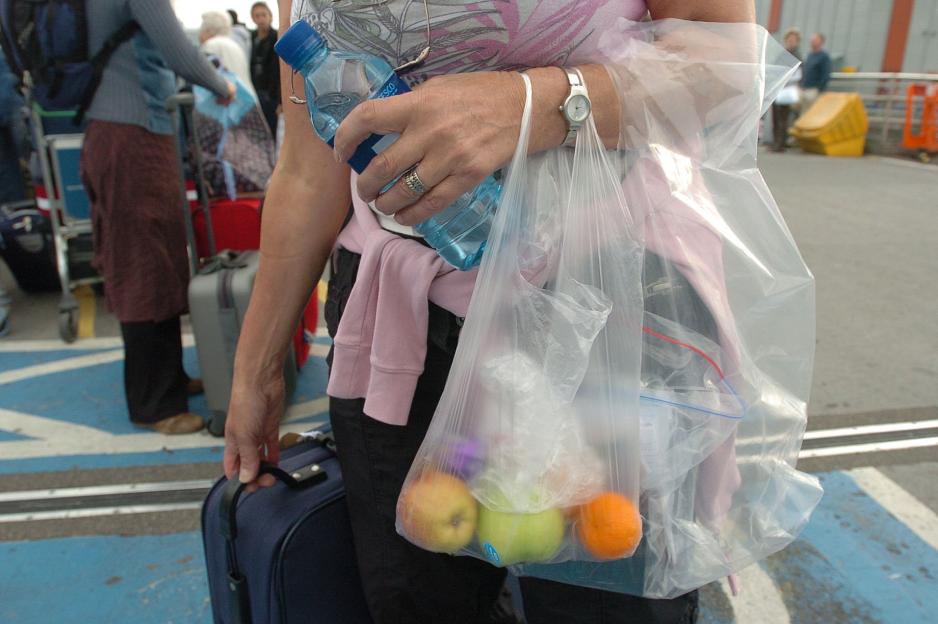 Passenger displays hand luggage in clear plastic bags for the first time after the terror plot Credit: Times Newspapers Ltd
But bringing Savant, Khan and Zaman to justice proved consider-ably more complicated.
They were cleared of conspiring specifically to blow up aircraft after prosecutors failed to prove they knew the intended targets of the suicide operation were airliners.
But the Crown argued that the evidence nevertheless showed each had committed himself to taking part in a murderous suicide attack.
Then-Director of Public Prosecutions Sir Keir Starmer authorised the exceptional step of seeking another trial after deciding there remained a realistic prospect of conviction.
In 2010 a third jury convicted all three of conspiracy to murder.
Jailing the trio for life, Mr Justice Holroyde told them: “Each of you agreed to join with others in this conspiracy, with each of you intending that you would kill members of the general public and yourselves by acting as a suicide bomber.”
The three are now eligible to ask the Parole Board to decide if the danger they once represented can safely be managed outside prison.
But Ghaffar Hussain, a former counter-terror officer on the Government’s Prevent programme, told The Sun: “For terrorists who intended on killing hundreds of innocent people, life sentences should mean lifelong imprisonment.
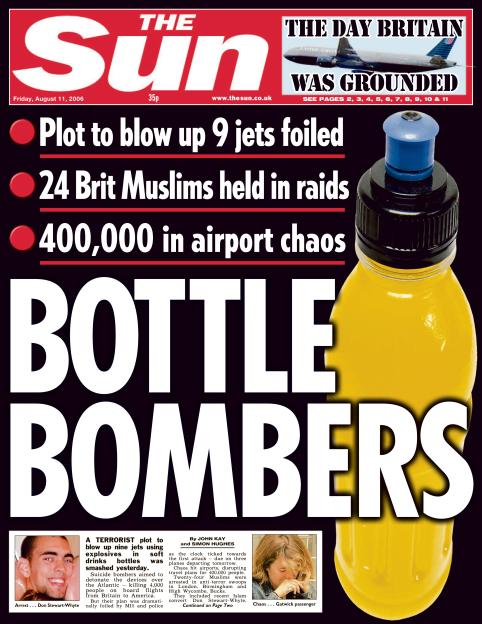 The Sun’s front page on August 11, 2006 after policed smashed the terror plot Credit: News Group Newspapers Ltd
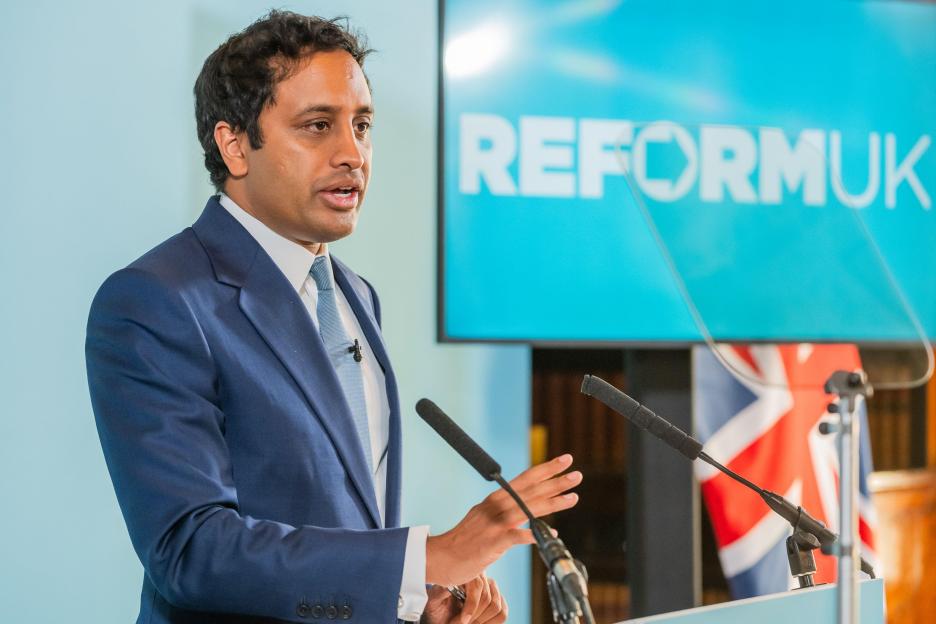 Zia Yusuf said the trio should be ‘locked up for life’ Credit: Alamy
“Threat assessment with such individuals is notoriously difficult and released terrorists have reoffended before. We need to be very careful.”
The Parole Board said: “Reviews are undertaken thoroughly and with extreme care. Protecting the public is our number one priority.”