WHEN we look in the mirror, we tend to pick apart our crows feet and grey hairs. But ageing isn’t just external – it happens inside our bodies too, where we can’t see it.
Our organs age quietly, sometimes at an accelerated pace, depending on our lifestyle choices. Sometimes they become irreversibly damaged and when it’s too late, life expectancy is on the line.
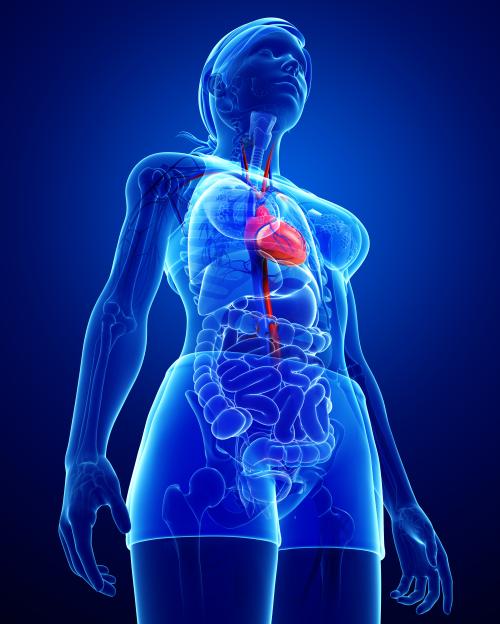 Our organs age quietly at different paces… but your lifestyle choices could be accelerating this process and creating irreversible damage Credit: Getty
 Organ problems can have wide-ranging consequences from making us feel unwell to reducing our life expectancy says Dr Adam Staten, resident doctor at One Day Tests Credit: Linkedin
“All organs inevitably lose function with ,” says Dr Adam Staten, NHS GP and resident doctor at One Day Tests .
“The rate at which this happens varies from organ to organ, but more particularly from person to person.”
It depends on life choices – harms the lungs, and the liver, for example.
“The difficult thing is that often there are few outward signs of problems with some organs – particularly the liver or the kidneys – until problems have become quite advanced,” says Dr Adam.
And it’s not just an ‘old age’ problem.
Two big jolts in human ageing of cells and tissue occur at 44 years old, and again at 60, according to research by the Chinese Academy of Sciences .
A study published in April mapped when key brain and blood changes linked with accelerate across the lifespan.
Measurable declines in cognitive performance sped up in people from their late 50s.
But it wasn’t until 10 years later that greater changes to the brain were recorded.
Knowing this, researchers at The Mayo Clinic say prevention tools can be put in place much earlier.
Dr Adam says: “Our organs are what keep us going.
“If any one of them develops problems, it can have really wide-ranging consequences, from making us feel unwell, making our bodies less able to process toxins or medications, to reducing our life expectancy.
“Really, when we talk about maintaining good health or attaining longevity, the fundamental thing is to look after our organs.”
And it’s the same advice we all know too well…
Eat a balanced, nutritious diet, exercise, don’t smoke and drink in moderation.
But what else can you do now, whether you’re a youngster or ripe old age, to prevent the decay inside?
IN CHILDHOOD: PROTECT SKIN
 Sun damage to skin is cumulative over a lifetime – and increases the risk of melanoma cancer Credit: Getty
YOU’RE never too young to be clued up on sun safety – yes, your skin is an organ!
Dr Adam says: “Sun damage to skin, including the risk of , is cumulative over a lifetime, so preventing sunburn or excessive sun exposure should start in childhood.”
, the deadliest type, sky-rockets in old age.
says the risk is “especially high if you were burnt several times during your childhood”.
“In reality, the same is true for protecting all our organs,” says Dr Adam, who says the habits we develop in childhood have a big impact for the rest of our lives – sadly, you can’t go back and change that.
Dr Adam says: “This is why issues like childhood and children leading sedentary and inactive lives is such a major issue.
“If someone is suffering with issues like being overweight and obesity in their early life, correcting this and the damage it causes in later life is much more difficult.”
Even if is accumulative, you’re never too old to start slapping on (at least 30) and practising sun safety – staying in the shade, and wearing a wide-brimmed hat.
IN YOUR 20S: MAXIMISE YOUR LUNG HEALTH
 The health of your lungs should be maintained by exercise from your 20s as that’s when the organ starts having a gradual loss of elasticity Credit: Getty
WHEN we’re young and free, our aren’t at the forefront of our minds.
Dr Adam says: “The lungs reach peak function in our early twenties and, depressingly, lung function starts slowly declining from this point onwards.”
He says the lungs have a “gradual loss of the elasticity that keeps them inflating and deflating efficiently”, worsened by smoking.
Lung function can be maintained by exercise; 150 minutes each week is recommended, plus two strength training sessions.
is usually considered particularly good [for the lungs],” says Dr Adam.
“Singing is also great.”
He adds: “By our seventies, lung diseases are more common, particularly among smokers.”
is the big one – it kills 30,000 people every year in the UK.
Around 1.7 million people in the UK have COPD and although it’s more common in old age, it affects people from the age of 35.
The symptoms are often mistaken for a ‘smokers’ cough’, with some 600,000 people in the UK living undiagnosed, according to Asthma + Lung.
Without treatment, it gets progressively worse.
Dr Adam adds lung diseases can be “compounded if there are also problems with the heart, or if you are carrying extra weight, which acts as a physical barrier to proper lung expansion”.
is the third most common cancer in the UK and almost half are in people over 75 years old.
CRUK says that 79 per cent of lung cancer cases are preventable.
IN YOUR 30S: THINK ABOUT YOUR HEART
 Your heart’s health can be kept in tip top shape by simply not smoking, keeping active and eating healthily Credit: Getty
USUALLY in our thirties we’re more concerned with having a broken heart than an ageing one.
But this decade is when the harm of lifestyle choices start to accumulate.
A man’s risk builds sooner than a woman’s – with an inflation around the age of 35 years old, seven years earlier than women, analysis published in the Journal of The American Heart Association this year showed.
The Coronary Artery Risk Development in Young Adults (CARDIA) study found that those with unfavorable patterns of heart health between 18 and 30 had a much higher risk of , heart attack and by middle age.
Dr Adam says: “Although typically conditions like heart attacks and angina are more usual from the age of 50 onwards, they result from changes that take decades to accumulate, so what we do in our thirties to maintain heart health is important.
“This is basically not smoking, keeping active and eating healthily.”
IN YOUR 40S & 50S: USE YOUR BRAIN
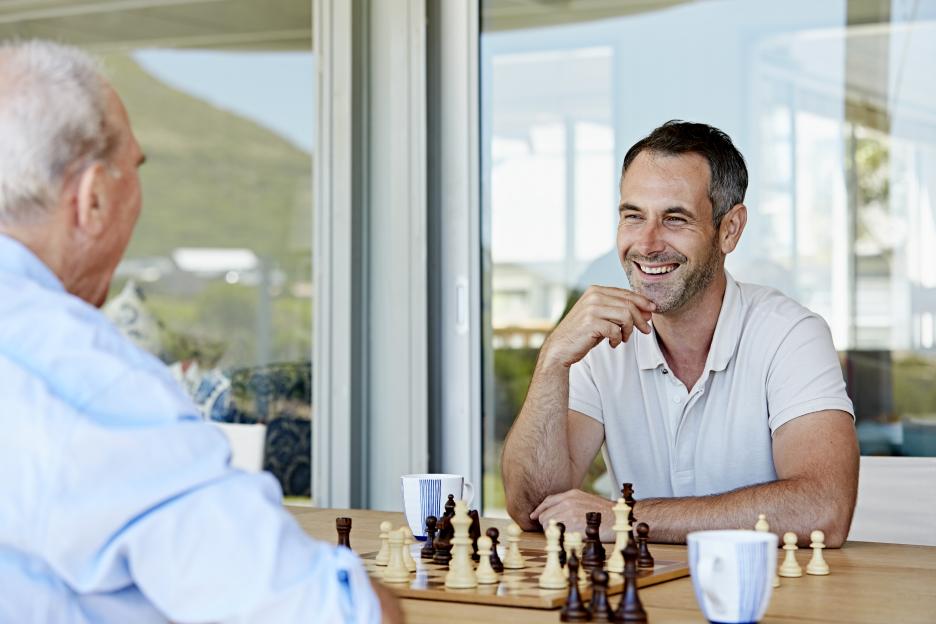 From piano lessons, joining a chess club and just socialising more have all been linked to improving your memory Credit: Getty
IN your forties and fifties, you’re in a very important window to get an early grip on issues linked to in later life.
The Lancet Commission on dementia identified 14 risk factors for the disease – hearing loss, high cholesterol, , brain injury, physical inactivity, , smoking, high blood pressure, obesity, excessive alcohol, less education, social isolation, air and vision loss.
It says that addressing the first ten in mid-life had the greatest impact than any other time.
These included high blood pressure, obesity, diabetes, high cholesterol, physical activity and excessive alcohol.
“There’s a lot of evidence now that the way we live our lives in our forties and fifties has an impact on the later chance of developing dementia,” says Dr Adam.
That’s why the NHS offers a free health check to everyone from the age of 40 – so they can act sooner.
“This isn’t just maintaining physical health but also making sure that we keep our minds active,” says Dr Adam.
Start piano lessons, take a woodworking course, begin yoga, sign up to the local chess club, or socialise more – these are all linked to better memory.
“Sleep is also important,” says Dr Adam – it’s when your brain rests, restores and repairs.
Poor has been linked to accelerated brain ageing, Alzheimer’s, high blood pressure and stroke.
A study published last week showed that having inconsistent bedtimes in your 40s – especially combined with less than eight hours of sleep a night – doubled the risk of heart attacks or strokes a decade later.
Aim to go to bed and get up at the same time every day, keep your bedroom cool (16-18C), dark and quiet.
Avoid screens, booze and big meals before bed, too.
IN YOUR 60S: WATCH YOUR KIDNEYS AND BOWELS
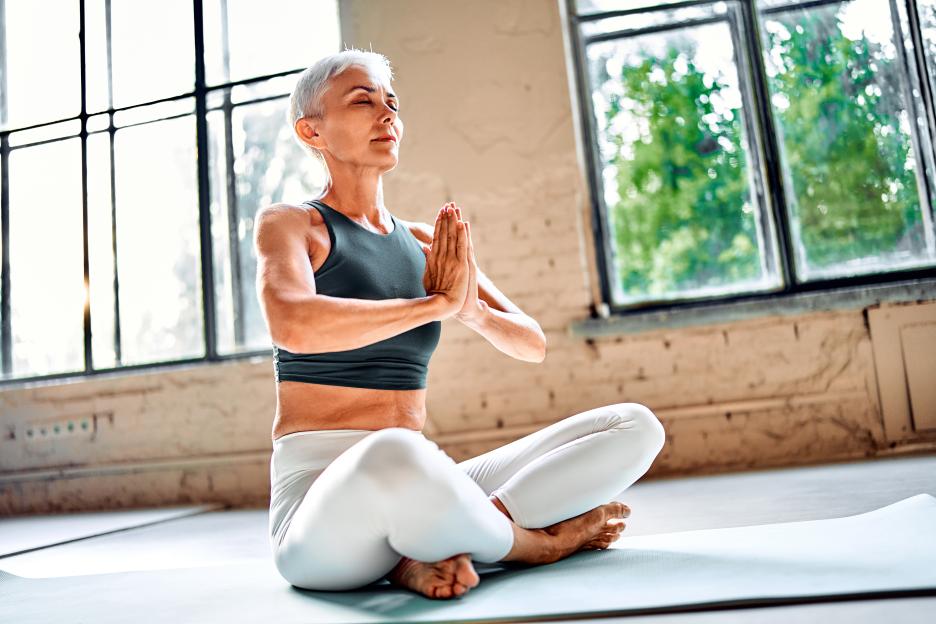 Keep on top of stress levels in your sixties with breathing exercises and stretching in the morning Credit: Getty
THE chances are you don’t often think about what your are up to, but they’re busy cleaning your blood and regulating blood pressure.
“I would usually expect kidneys to start declining in later life, probably from the sixties and beyond,” says Dr Adam.
“They are affected by high blood pressure, diabetes, high cholesterol, certain medications, including common things like ibuprofen, and smoking, and these things tend to accumulate damage over time if they aren’t addressed.”
Sticking to a healthy diet, swerving cigarettes and only taking ibuprofen when necessary can all help keep your kidneys in tip-top condition.
Keep on top of stress levels – limit the unhealthy vices like booze, and wind down instead with a nightly journal entry, breathing exercises and stretching in the morning or exercise.
One of the most common age-related bowel issues that affects people is diverticular disease, affecting one in two over 45, according to Guts UK.
“This is when wear and tear changes in the bowel, causing little pockets to form in the wall of the intestine,” explains Dr Adam.
Uncomfortable symptoms include bloating, variable bowel habits and pain.
The known risk factors include being an unhealthy weight, inactivity and smoking.
“Sometimes changes in bowel habits, particularly in this age group, can represent something more sinister like , so any change in bowel habits should always be discussed with a doctor,” adds Dr Adam.
Red flags are bleeding from your back passage, or blood in your poo, a change in your normal toilet habits, a pain or a lump in your tummy, extreme tiredness and unexplained weight loss.