IS ADHD a social construct? That’s what a new Channel 4 documentary will ask – and it’s hit a nerve for many.
It comes amid growing public debate about whether conditions like ADHD and autism are .
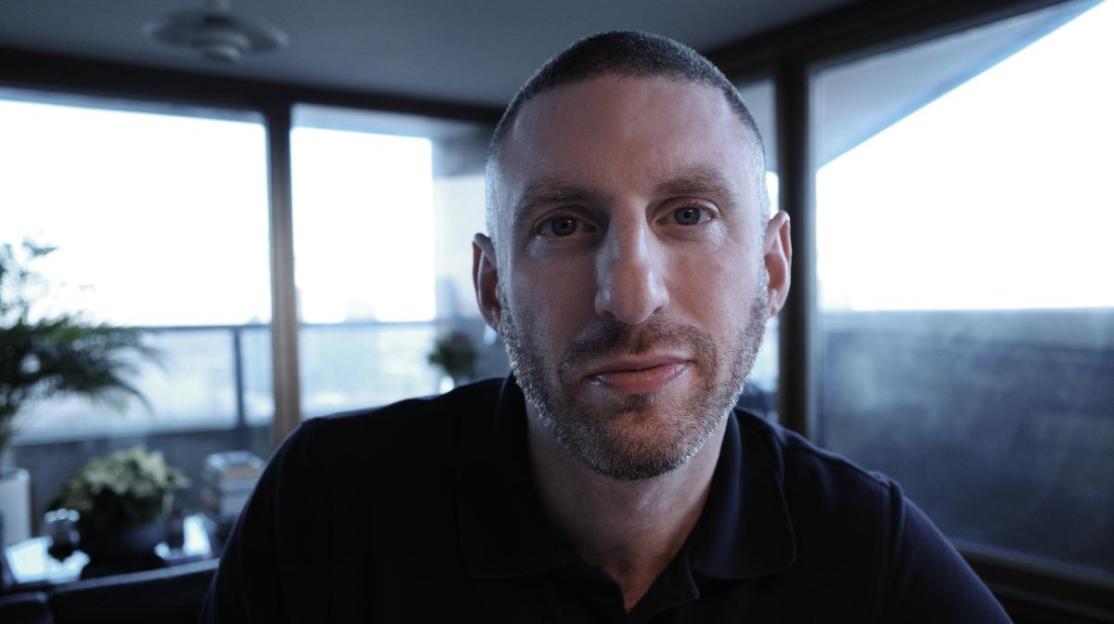 Dr Max Pemberton is presenting the new Channel 4 documentary, The Great ADHD Myth? Credit: Channel 4
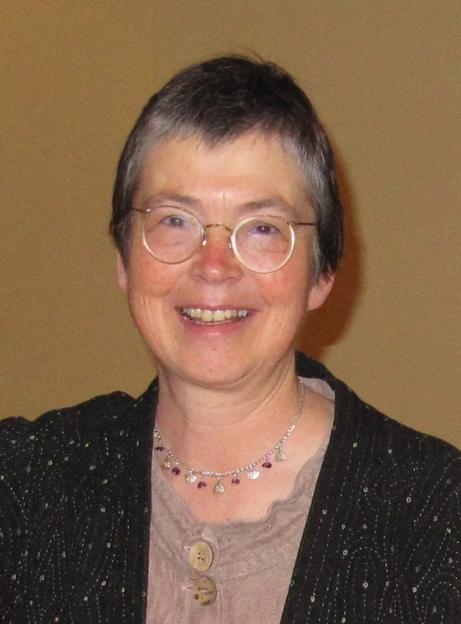 It features experts such as Dr Iona Heath, who claims ADHD is ‘not a medical condition’ Credit: World Organization of Family Doctors
The show – The Great ADHD Myth? – “seeks to determine whether ADHD is a genuine neurodevelopmental disorder, or a social construct”, according to C4 .
“The traits of ADHD undeniably exist,” the press release states – but it goes on to question whether “phones, ultra-processed food, and regimented education system” could trigger behaviour typical of the condition, or whether people with ADHD actually have “differently wired brains”.
NHS psychiatrist Dr Max Pemberton, who’s presenting the documentary, said: “As a psychiatrist, I’ve watched ADHD go from a diagnosis that was only occasionally made and after careful assessment, to one that is increasingly demanded and dispensed, and I wanted to understand why.
“There’s no doubt that the people seeking these diagnoses are genuinely struggling; that isn’t in question.
“What the film asks is whether ADHD is really the best explanation for that struggle and my hope is that we come away with permission to ask better questions about what modern life is doing to all of us.”
The release also quotes medical experts who Channel 4 says “are questioning the conventional narrative around ADHD”.
One of those is Dr Iona Heath, former president of the Royal College of General Practitioners, who stated: “It is certainly not a medical condition as far as I’m concerned.”
Meanwhile, Dr Sami Timimi, consultant child and adolescent psychiatrist and psychotherapist, said: “We’ve replaced corporal punishment with giving [children] a pill.”
 The programme comes amid growing anxiety around ADHD and autism ‘overdiagnosis’ Credit: Getty
 Dr Rebecca Kerr explains what the documentary seems to get wrong Credit: Dr Rebecca Ker
The Great ADHD Myth? is set to air next year, but it’s already sparked a backlash from charities, mental health experts and the public alike.
ADHD UK penned a scathing open letter to the chief executives of Channel 4, criticising the framing of the doc as harmful to people with an ADHD diagnosis.
A blog post by Amnesty International added: “By questioning whether ADHD itself is a ‘myth’, it risks casting diagnosed people as mistaken, misled or unnecessarily medicated.”
It said people with ADHD felt “distressed and alarmed” about the upcoming documentary, while parents fear their children will face “judgement”.
The programme’s makers hope to address questions bubbling in society about why there are more diagnoses of neurodiverse conditions, like ADHD and autism.
An editorial by UCL Professor Dame Uta Frith published this week questioned whether the definition of autism spectrum disorder has become “too broad to be useful”.
When the condition was first identified, it applied to “a small group of children with severe difficulties in social interaction, communication and behaviour” – but now “anyone of any age or intelligence level can be diagnosed with autism if they meet certain criteria”, she claimed.
Recent NHS data shows that prescriptions for ADHD medication rose by 40 per cent in a year in adults specifically.
Meanwhile, data published in June showed that for autism and ADHD have also grown.
But experts argue just because we are recognising more people are neurodivergent, it .
Dr Rebecca Kerr, practitioner psychologist and clinical director of Carlton Psychology Ltd , breaks down what these claims fail to capture about neurodiversity for
1. ADHD isn’t an ‘illness’ – but it’s still real
 ADHD and autism can be debilitating and diagnosis can often be the only route to support Credit: Getty
Dr Kerr first takes aim at Dr Heath’s claim that ADHD isn’t ” a medical condition”.
“Neurodevelopmental differences are not illnesses,” she notes.
“But that does not make them any less valid as conditions requiring recognition and support.”
ADHD, which stands for attention-deficit/hyperactivity disorder, affects people’s behaviour, causing trouble with concentration, restlessness and impulse control.
People can experience the symptoms to varying degrees, but for many they can be debilitating – interfering with day-to-day life and making tasks that most people have no problem completing very difficult.
“Everyone’s brain is different,” Dr Kerr says.
“What distinguishes conditions such as ADHD and autism is that the differences are significant enough to affect everyday functioning.
“Recognising these differences is important because it identifies where support, accommodations, or interventions may be needed to enable someone to play to their strengths.
“The conversation should therefore focus less on questioning whether these conditions are ‘real’ and more on improving accessibility, reducing barriers, and ensuring that people receive appropriate support.”
The 9 'hidden' signs of ADHD in adults
ADHD has long been associated with naughty schoolkids who cannot sit still in class.
And that is part of it. Fidgeting, daydreaming and getting easily distracted are all symptoms of the behavioural condition, which is why it is often spotted in children.
However, attention deficit hyperactivity disorder is far more complex than simply having trouble focusing.
Henry Shelford, CEO and co-founder of ADHD UK, says: “If it isn’t debilitating, it isn’t ADHD.”
In recent years, social media has given rise to trends which conflate specific personality traits or single behaviours with ADHD.
You might be thinking, ‘I’m always losing my keys, forgetting birthdays and I can never concentrate at work — I must have ADHD’. But it’s not as simple as that.
Though these may all point to the condition, Dr Elena Touroni, a consultant psychologist and co-founder of The Chelsea Psychology Clinic, says: “The key distinction lies in how much a behaviour impacts a person’s daily life.
“Genuine ADHD symptoms affect multiple areas of life – work, relationships and emotional wellbeing – whereas personality traits are typically context-dependent and less disruptive.”
ADHD UK’s Henry, who has the condition himself, adds: “Having ADHD is hard. One in ten men with ADHD and one in four women with ADHD will at some point try to take their own lives.”
So how can ADHD manifest in someone’s life? While hyperactivity is a common indicator, here are nine other subtle signs:
- Time blindness – losing track of time, underestimating how long tasks will take, regularly being late or excessively early
- Lack of organisation – a messy home, frequently misplacing items, forgetting deadlines
- Hyperfocus – becoming deeply engrossed in activities for hours
- Procrastination – feeling overwhelmed by to-do lists and struggling to determine what needs your attention first so focusing on less important tasks
- Heightened emotions – emotional struggles can manifest in angry outbursts, feeling flooded with joy or shutting down because you feel too much at once
- Being a ‘yes man’ – agreeing to new projects at work or dinner dates with friends when you’re already busy (a desire to please)
- Impatience – interrupting people mid-conversation, finding it painful to stand in a queue, being overly-chatty
- Restlessness – tapping, pacing, fidgeting or feeling restless on the inside
- Easily distracted – by external things, like noises, or internal things like thoughts
2. ADHD and autism aren’t just ‘mild’ or ‘severe’
Neurodevelopmental conditions like ADHD and autism are often seen “as existing on a simple linear spectrum, with a ‘mild end’ and a ‘severe end’, ” Dr Kerr goes on.
But “this way of thinking is increasingly being challenged”, she says.
In her editorial, Professor Dame Uta Frith argued the autism definitio has “widened to include people with milder traits”.
Dr Kerr says rather than having “more” or “less” of a condition, it’s becoming clear that people have different combinations of traits – meaning they have different challenges or support needs.
Some people with ADHD might see lots of benefit from taking medication, or others might need mental health support or additional accommodations at work – there’s not a ‘one size fits all’.
3. The science of subtypes
 Research shows there are different autism subtypes Credit: Getty
A new study, published in Nature Neuroscience , found there are , which can cause difficulties with communication and interaction, repetitive behaviours or limited interests.
It can also affect learning and development.
Previous research has identified .
Dr Andy Shih, chief science officer at Autism Speaks , said this research shows that “autism isn’t a single condition with a single cause” and that it would make it easier for care to people moulded to people’s “unique needs”.
This shift is also happening with ADHD too – a hyperactive little boy is no longer the poster child for the condition.
With more adults and girls now being diagnosed, people are beginning to understand that it can cause varying levels of inattention, hyperactivity or impulsiveness in people.
Dr Kerr says: “If future research demonstrates that autism or ADHD are better understood as multiple distinct subtypes, then diagnostic systems should evolve accordingly.
“Scientific progress should lead to more precise and personalised assessment, not to fewer people being recognised or supported.”
4. Diagnoses aren’t ‘social trends’
 It’s been claimed that social media is behind the rise in diagnoses Credit: Getty
It’s not first time a surge in ADHD and autism diagnoses has been blamed on “phones” and “modern life”.
claimed rising ADHD case numbers could be pinned to rising awareness about the condition on TikTok and Instagram.
These platforms serve as a hub for videos that oversimplify symptoms of ADHD or don’t explain how it can vary from person to person – leading people to mistakenly think they have the condition.
But that doesn’t necessarily mean that people who don’t have neurodevelopmental conditions are being mistakenly diagnosed with them, Dr Kerr argues.
“Diagnoses of ADHD and autism aren’t social trends,” she says.
“They are made through comprehensive assessments conducted by appropriately trained specialist clinicians using established diagnostic criteria.
“These assessments identify genuine neurodevelopmental differences and provide a framework for understanding an individual’s strengths, challenges, and support needs.”
The key characteristics of autism - and why they go unnoticed
Model Christine McGuinness was a “recluse” for eight years and only left the house at 3am.
Springwatch presenter who sees problems in everything he does”.
And recently, revealed they were diagnosed after struggling to wear thermals on the set of .
But what exactly is and why does it ?
Leanne Cooper-Brown, neurodevelopmental lead at Clinical Partners , tells Sun Health: “Autism is considered a spectrum, so not all people share the same traits.
“Whereas we used to think of autism as a linear line, we have come to realise that terms such as ‘high’ and ‘low’ functioning or definitions of ‘mild’, ‘moderate’ or ‘severe’ aren’t helpful and can be misleading.
“Nowadays, we think of autism in terms of the strengths and needs of the individual, which can change over time depending on their environment and support network.”
About 700,000 people in the UK are thought to have – that’s one in 100.
But research by University College London suggests that number could be twice as high, as many people remain undiagnosed.
Cases are on the rise though. Figures released last year showed a 175 per cent increase from 2011 to 2022.
Dr Selina Warlow, clinical psychologist and owner of The Nook Neurodevelopmental Clinic , says: “Conversation around neurodiversity is becoming normalised, and that’s so positive to see. But more awareness is needed.
“Receiving a diagnosis can open access to expert resources that support autistic people to thrive in society.”
Autism has long been associated with social difficulties, like problems maintaining conversations and forming .
But research published in the journal Cell Press suggested that repetitive behaviours – like rocking or finger-flicking – and special interests – whether it’s shows or specific – are more indicative of an autism diagnosis.
Generally though, experts say the include…
- Sensitivity – autistic people can be much more or less sensitive to sights, sounds, textures, tastes and smells. For example, they find bright lights or crowded spaces overwhelming, Leanne says. They may also stand too close to others or need to move their whole body to look at something.
- Stimming – to manage this sensory overload, some people use repetitive movements or sounds. “This is called stimming, and includes rocking, tapping and hand-flapping,” Dr Warlow says. “Though it’s something everyone does to some extent, those with autism are likely to engage with it as a form of self-regulation.”
- Masking – this is a strategy used by some autistic people, consciously or not, to match neurotypical people, Dr Warlow says. “It’s a way of hiding your true characteristics, and could involve copying facial expressions, planning conversations in advance, or holding in ‘stimming’ – swapping hand clapping with playing with a pen, for example,” she adds.
- Burnout – this is a state of physical, mental and emotional exhaustion and is a common feature in autism. “Being extremely tired, both mentally and physically, can be associated with the act of masking for a long period of time, or sensory or social overload,” Dr Warlow says. “Symptoms of autistic burnout include social withdrawal, reduced performance and increased sensitivity.”
- Social struggles – socialising can be confusing or tiring for autistic people. They often find it hard to understand what others are thinking or feeling, making it challenging to make friends. Leanne says: “In adults, autism may present as difficulties with interpreting social cues such as understanding body language or sarcasm, struggling to express emotions or preferring to be alone. This can impact relationships and work.”
- Routine – many of us have a fairly regular daily schedule. But for autistic people, this becomes a “very strong preference for routine”, Leanne says. This could be needing a daily timetable to know what is going to happen and when, or having rigid preferences about or clothing.
- Literal thinking – some autistic people have a literal view of language – like believing it’s actually “raining cats and dogs” or that someone really wants you to “break a leg”. Dr Warlow says: “This can result in confusion with figures of speech, irony or indirect requests. “For instance, being told to ‘pull your socks up’ might be understood literally, not as a motivational phrase.”
- Hyperfocus – often associated with ADHD, hyperfocusing is also common in autistic people. “It’s where you’re able to focus intensely on an activity and become absorbed to the point of forgetting about time,” Dr Warlow says. “This is useful in work or hobbies but can result in neglect of other aspects of life, such as food or rest.”
- Special interests – we all have hobbies and interests, but for autistic people, these are so compelling they often want to spend all their time learning about, thinking about or doing them. “Special interests could include anything from dinosaurs to superheroes, and gardening to music,” Dr Warlow says. “These usually begin in childhood, but can also form as an adult. “Chris Packham is an example of an autistic person who turned his childhood special interest in animals into a successful career, becoming one of the UK’s best-loved natural world TV presenters.
5. Debate shouldn’t harm people
In its open letter to Channel 4, ADHD UK highlighted that people with ADHD are more likely to struggle with depression and suicidal thoughts.
“Having ADHD is tough. Undermining the condition just makes it tougher,” the charity stated.
“When a national broadcaster invites millions to file all of this under
‘myth’, people cancel assessments, parents doubt their children, employers doubt their staff, and lives are put at risk.”
So whether or not ADHD is a ‘myth’ should not be a “parlour debate”, it stressed.
Dr Kerr echoes this by saying: “For many individuals, receiving a diagnosis of ADHD or autism is life-changing.
“It can provide an explanation for lifelong experiences, improve access to support, reduce self-blame, and, in some cases, be profoundly protective for mental health.”