WHEN passers by went over to check on the woman they found slumped on a busy London street, barefoot, while a three-year-old played next to dangerous traffic, few would have guessed she was part of a family with more than a quarter of a trillion pounds in wealth.
But , who had passed out as a result of a cocaine binge, was in fact a member of the royal family – one of the richest and most powerful royal families in the world, rulers of the oil-rich Emirate.

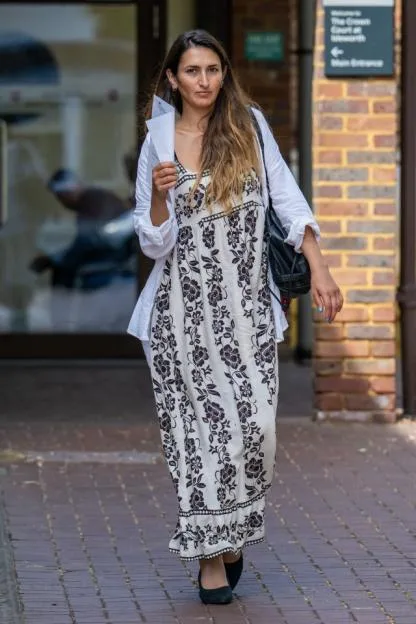
This week Al Nahyan, 32, a member of the family by marriage, pleaded guilty to one charge of child neglect following the incident in June.
Video released by the CPS showed Al Nahyan sitting on the pavement without any shoes on, her back against black railings.
Around her lay children’s toys, including a scooter and a plane.
Rio Pahlavanpour, prosecuting, said at around 1.50pm a passerby “noticed the child was unattended, without shoes on the street with a scooter and seemed to be in close proximity to moving traffic”.
The court was also told that Al Nahyan had been undergoing treatment for drug addiction at , the private rehab centre that has counted Kate Moss and Johnny Depp among clients.
The royal, who receives an £8,000 monthly allowance, was slapped with a two-year community order and fined £5,000 plus £1,000 prosecution costs.
But this is just the latest crisis to hit a royal family whose recent history includes serious human rights abuses and a controversial court case over torture allegations.
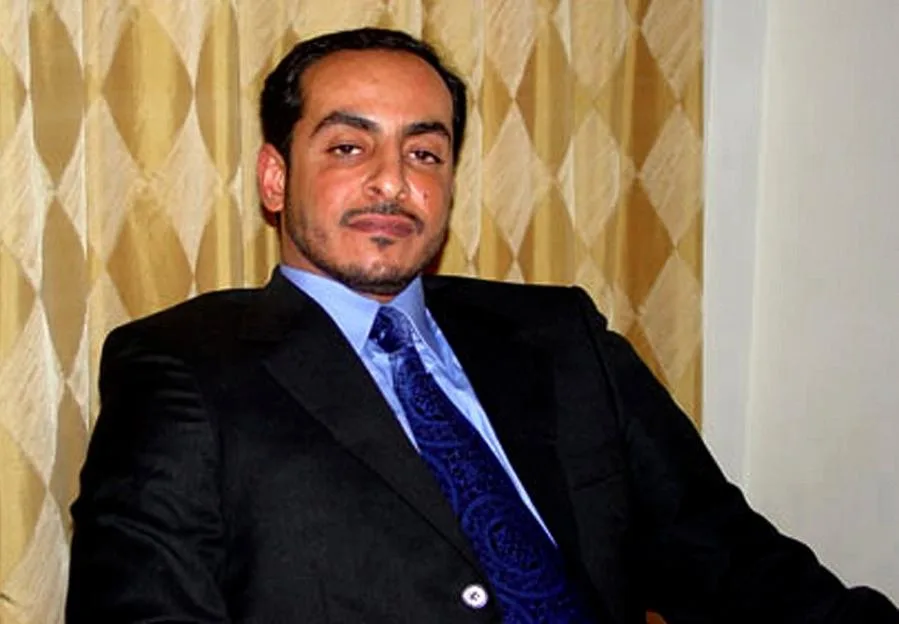
In 2009 a tape was leaked that showed Sheikh Issa bin Zayed al-Nahyan, a senior member of the ruling family, brutally beating and torturing an Afghan man he accused of cheating him in a business deal.
Issa, the half-brother of Manchester City owner , is seen in the 45-minute video filmed in the desert relentlessly brutalising the grain merchant, Mohammed Shah Poor, who miraculously survived.
He fires an automatic weapon into the ground around him, forces a cattle prod into his anus and switches it on, and beats him with a wooden plank with nails.
Later on in the video, Issa urges the cameraman to move closer to “let his suffering show”, while a man in police uniform can also be seen helping to tie the victim up.
He had also been run over with a Mercedes SUV, and had lighter fluid poured onto his testicals and set alight. Salt was also poured onto his wounds.

The tape was smuggled out of the country to ABC news, who then posted an abridged version of it.
In response, Abu Dhabi’s Ministry of the Interior said the torture depicted was not part of a “pattern of behaviour” and added that a review found “all rules, policies and procedures were followed correctly by the police department”.
They added that the matter had been settled privately between the two men.
The Minister of the Interior was one of Issa’s brothers.
Following international outcry, the authorities finally acted and put Issa on trial.
But Issa was declared innocent – and that he was actually the victim..
Instead, the court convicted the man who had smuggled the tape out of the country, an American businessman named Bassam Nabulsi, who was put on trial in absentia.
Despite never being told he was being charged with anything, the court declared that Nabulsi and his brother had secretly injected Issa with drugs, making him incapable of having any responsibility over his actions.
They ended up being sentenced for “drugging, recording and publishing a video and blackmail”.
As they were in Texas, they avoided actually going to jail.
Nabulsi said the result had left him feeling “nauseous”.
In the years since Issa has largely stayed out of the spotlight.
However in 2025 made a rare public appearance along with other senior members of the family at a show to mark the UAE’s national day, Eid Al Etihad.
But this wasn’t to be the last time one of the Al Nahyan’s would be caught committing abuse.
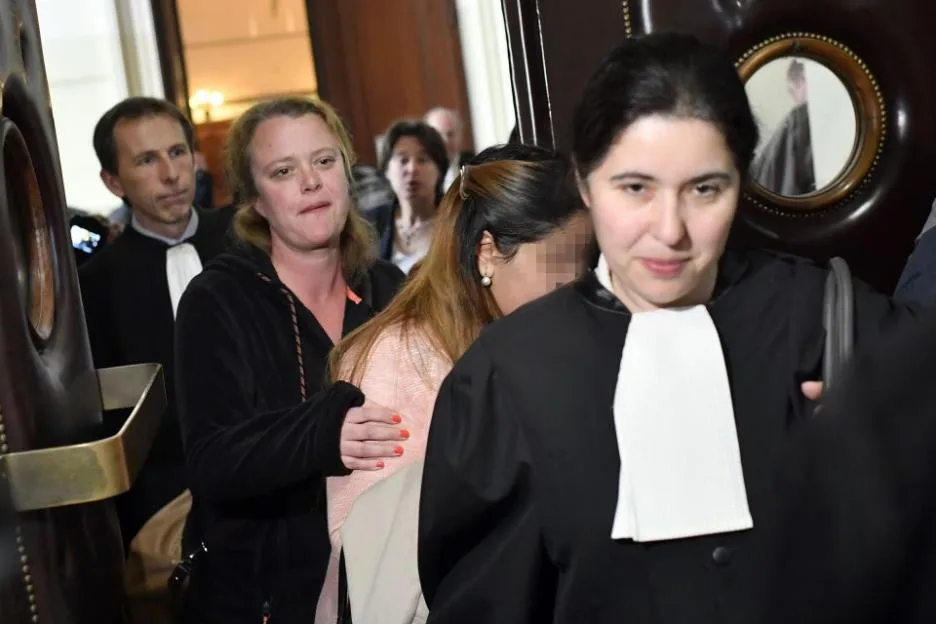
In 2017, eight of the royal princesses were convicted on human trafficking and abuse charges that happened while they were renting out a whole floor at a luxury hotel in Belgium.
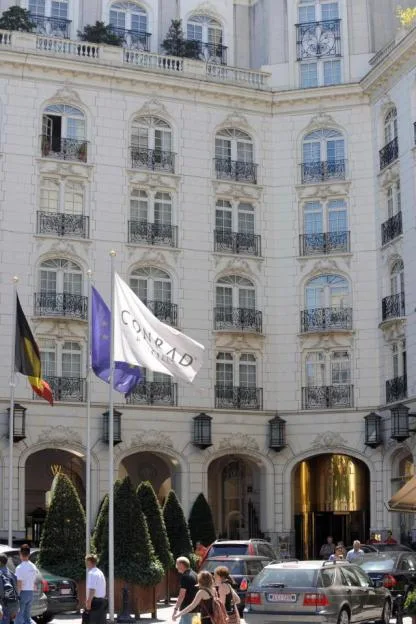
Sheikha Hamda Al Nahyan and seven of her daughters had rented out part of the Conrad Hotel in Brussels for eight months in 2008, bringing with them more than 20 servants.
But they were accused of holding the workers in conditions close to slavery, prevented from ever leaving the hotel by private guards and being forced to eat the princesses’ leftovers.
The case only came to light when one of the servants escaped the hotel.
Victims also revealed that they had to take orders 24 hours a day, were forced to sleep on the floor, and one even said they had been deprived of food and water for three days.
Many of the 23 women had originally been citizens of African countries and were smuggled into the country without proper documentation or visas.
The eight princesses were found guilty and each handed a 15-month suspended sentence and fined £139,600, though they did not attend the trial.
In 2020, the family hit the headlines again after Sheikh Nahyan Al-Nahyan was accused of sexually assaulting a British woman in Abu Dhabi.
Caitlin McNamara, then 32, was curating the Hay literary festival which was being staged in the UAE, when she alleges she was attacked by the then 69-year-old, who was Minister of Tolerance, at a secluded palace.
She told the Sunday Times she had reported the incident to the Metropolitan Police on her return to the UK but the CPS declined to bring charges, as the alleged assault took place abroad and did not meet the strict criteria to go ahead.
The sheikh denied any wrong- doing and said he was “surprised and saddened” by the claims.
Even today, the Abu Dhabi government and the wider United Arab Emirates are accused by groups like Amnesty of serious failings around human rights.
This includes the handing life sentences to human rights defenders, the exploitation of migrant workers, and for providing support to Rapid Support Forces in Sudan, a paramilitary organisation responsible for war crimes who are fighting the Sudanese Armed Forces.