
A Simple Question During the World Cup with Friends Could Save a Life!
Credit: Alamy AS a GP, I’m not only prescribing medication, but listening for the things patients find hard to say. With UK suicide rates at a 25-year high and...
 Written byEze Chidiebere Paul
 Credit: Alamy
AS a GP, I’m not only prescribing medication, but listening for the things patients find hard to say.
With UK suicide rates at a 25-year high and one in four of us experiencing suicidal thoughts, new research from CALM highlights a powerful “ Effect,” showing a third of Brits find it easier to talk about during major tournaments.
 New research shows a third of Brits find it easier to talk about mental health during major football tournaments, as the sport creates a sense of belonging Credit: Alamy
 Just 17 per cent of us feel confident enough to ask a mate directly if they are feeling suicidal Credit: Getty
creates a rare sense of belonging.
Yet a worrying gap remains: while 72 per cent of us would do anything to save a friend, only 17 per cent feel confident enough to ask a mate directly if they are feeling suicidal, often fearing they might make things worse.
Please know that asking directly does not put the idea in someone’s head – it safely unburdens them.
Use matchdays to check in on your friends, and if you aren’t sure what to say, CALM has launched a digital “Conversation Coach” at thecalmzone.net to provide the exact, life-saving language needed.
Here’s what readers have asked me this week…
Q: I had a total knee replacement on April 27 and since the bandages came off I have noticed a red rash of spots either side of the scar, apparently mine was glued not stitched or staples. I called 111 on the Bank Holiday and sent photos.
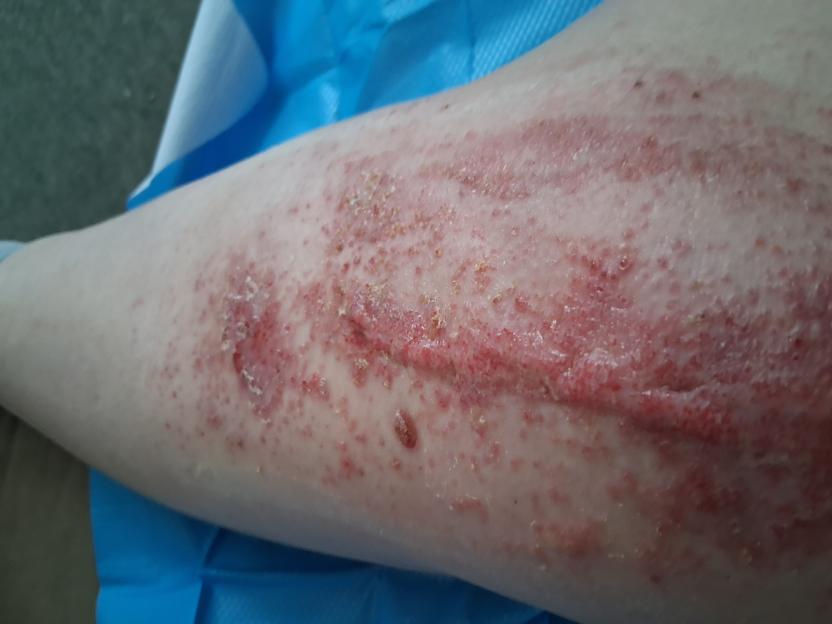 Dr Zoe helps a reader who is suffering from an infection from the glue of his knee replacement surgery Credit: Supplied
I was told it was possibly an infection and prescribed fungal cream and antibiotics. It’s very red and itchy, and it does not seem to be getting better.
I am in a couple of knee replacement groups. A few have also had similar and been told it is an allergic reaction to the glue. Can you help please? Thank you.
A: Thank you for providing so much detail and the photographs — they are really helpful.
After a knee replacement, any new redness around the wound understandably raises concerns about infection, and it was right that you sought advice. Infection is always something doctors take seriously after .
However, looking at the pattern and considering the timing, another possibility is contact dermatitis — an inflammatory reaction in the skin.
Your description of intense itching, red spots around the scar and symptoms developing a few weeks after surgery would fit with this.
This can happen after operations due to things the skin has been exposed to, including dressings, adhesives and sometimes surgical glue.
Although many people have no problems with these products, a small number develop a sensitivity reaction.
The treatment is different from an infection, which is why antibiotics or antifungal creams do not always improve things.
Depending on the situation, doctors may consider treatments to calm the inflammation, such as steroid creams, but after surgery this should ideally be guided by the team who did the surgery.
Because you have had the knee replacement, I would contact your surgical team again, especially as you say it is getting worse rather than improving.
They will want to make sure there are no signs of infection involving the wound or deeper joint.
Seek urgent advice if you develop fever, feel generally unwell, have increasing pain inside the knee, spreading heat and redness, worsening swelling or fluid leaking from the wound.
The reassuring thing is that itchy rashes like this can often come from the skin reacting to something it has touched, rather than a problem with the new joint itself — but after a joint replacement it is always worth checking.
Q: My daughter is 26 and has suffered from for six years. We have spent a few thousand pounds trying to find ways of stopping the pain, with no drugs or painkillers helping.
 A reader is seeking Dr Zoe’s help to ease her daughter’s fibromyalgia symptoms, and to find out how she can get pregnant despite also being diagnosed with PMOS Credit: milorad kravic
She has now been diagnosed with PSOS since her last year. She suffers from terrible life debilitating fibromyalgia and pain from PCOS.
A private consultant has prescribed metformin to kick start her and said studies are showing that this drug is having a positive impact on fibromyalgia.
She had been on 750mg twice a day for a week and became very unwell with severe tiredness, sickness and an upset stomach. The stomach pains were so bad she was screaming in pain and had to go to hospital.
They did bloods and said it’s probably the high dosage of Metformin she has been put on. She is desperate for answers as to what will help both conditions as she and her husband desperately want a child. Can you help?
A: I’m so sorry to hear how much your daughter has been through.
Living with severe pain for years, then facing miscarriage and fertility worries, is a lot for anyone to carry.
Fibromyalgia is a complex long-term condition involving changes in how the nervous system processes pain. The pain is very real, but unfortunately there is rarely one single treatment that switches it off, which is why many people spend years searching for answers.
PMOS (previously called PCOS) is a separate condition linked to metabolism and hormones, and sometimes insulin resistance. It can affect ovulation, which is why metformin is sometimes used when someone is trying to conceive. It may help improve insulin sensitivity and support more regular cycles in some women.
There is also growing interest in whether metformin might have wider effects on inflammation and other body systems. However, it is not currently an established treatment for fibromyalgia, and I would be cautious about presenting it as a reliable pain treatment.
The reaction your daughter had sounds horrible. Nausea, diarrhoea, vomiting and stomach cramps are all recognised side effects of metformin, especially if started at a higher dose or increased too quickly.
Some people tolerate it better by starting very low, building up gradually, taking it with , or using a modified-release version — but given how severe her symptoms were, she must discuss this with her doctor before trying again.
One other point: PMOS can cause irregular periods and fertility issues, but it does not usually cause severe chronic pelvic pain.
If she has significant pelvic pain, particularly around periods, or bowel movements, it would be worth asking whether another condition such as also needs to be considered.
In an ideal world she would have a joined-up plan between fertility specialists and clinicians experienced in fibromyalgia.
This should support both her hopes of and her day-to-day quality of life. This setback with metformin is understandably upsetting, but it does not mean there are no options left.
Q: I was wondering if you could help me as I’m slightly embarrassed. I’m a 55-year-old male in fairly good health but for the last two months I have had a burning and sore pain in the left side of my chest that seems to stem from the nipple area.
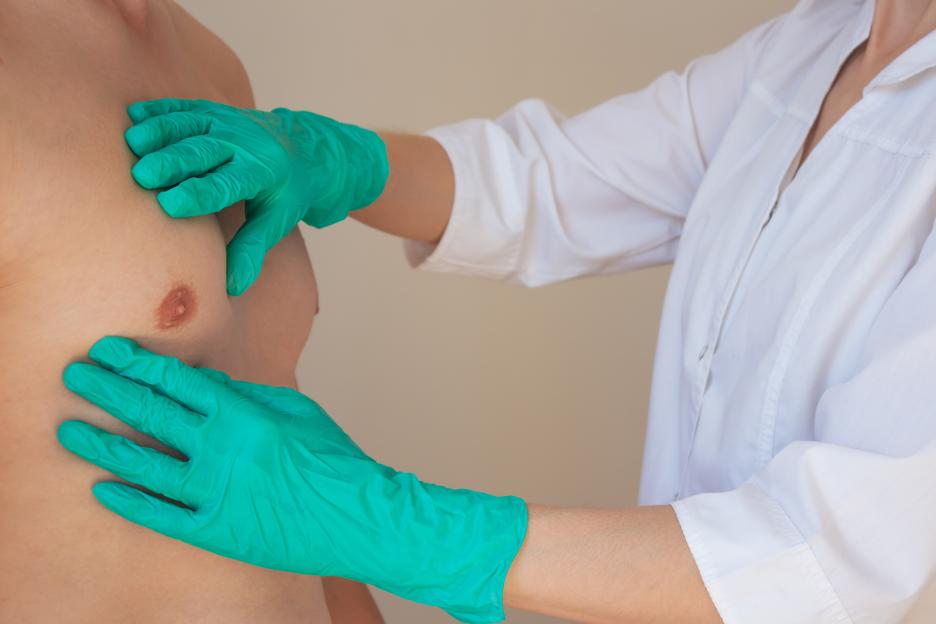 A reader who fears he has male breast cancer writes in as he has a sore pain in his chest Credit: Getty
It’s very tender and seems to be all around this area but there is no redness or lumps that I can feel anyway.
I did have this nipple pierced when I was younger and sometimes get a very small amount of cheesy discharge from the old piercing (sorry about the description) but it doesn’t appear to be that this time.
I would be very grateful as at the moment my mind is racing to male ! And as the pain/ soreness is constant I can’t seem to shake this out of my mind.
A: Please don’t feel embarrassed — nipple and breast symptoms in men are more common than people realise, and they are absolutely valid reasons to seek advice.
Men have breast tissue too, and it is important for men to check their chest and seek medical help if they notice any new change.
The reassuring point is that male breast cancer is rare, and pain alone is not the most typical presentation. More concerning features would include a definite lump, nipple turning inwards, bleeding from the nipple, skin dimpling, an ulcer, or a lump in the armpit.
A constant burning, sore pain around one nipple could be caused by several more common things.
Your previous piercing may have left a small tract or scar tissue, which can occasionally become irritated or mildly infected even years later.
The “cheesy” discharge you describe could fit with trapped skin cells or debris from that old piercing, although any new, persistent or bloody discharge should be checked.
Another possibility is nerve-related pain. Shingles can cause burning pain on one side of the body, sometimes before a rash appears, and rarely with little or no visible rash.
Chest wall irritation or a small cyst around the old piercing site could also cause localised pain.
Because this has lasted two months and is constant, please book a face-to-face appointment. Your GP can examine the nipple, breast tissue, armpit and piercing site, and decide whether you need treatment, ultrasound or breast clinic referral.
The likelihood is that this is benign, but getting it checked is the best way to stop your mind racing and make sure nothing important is missed.
TIP: If you are taking an SSRI (like sertraline or citalopram) or an SNRI (like duloxetine), you may notice you are sweating profusely or feeling dizzy in the warm . These meds can alter the brain’s thermostat. Set reminders to drink enough water and look for symptoms like confusion or headache.
- Got a question for Dr Zoe? Email her at health@thesun.co.uk
Continue reading
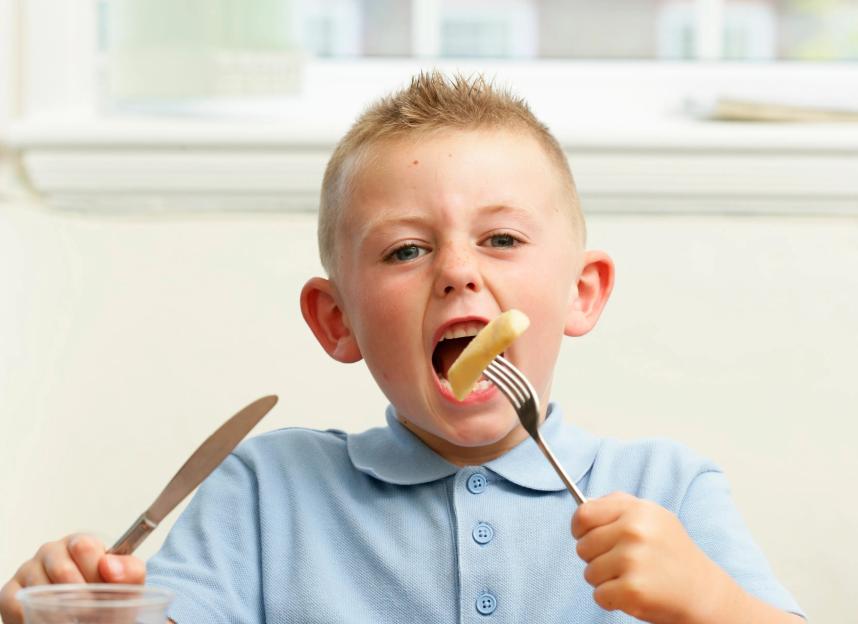
Should fried food and Coco Puffs be off the menu at schools? Two parents go head-to-head
SCHOOL kids’ traditional fish-and-chip Fridays could become a thing of the past. including fried eggs, pizzas, and Coco Pops, to make room for healthier alte...
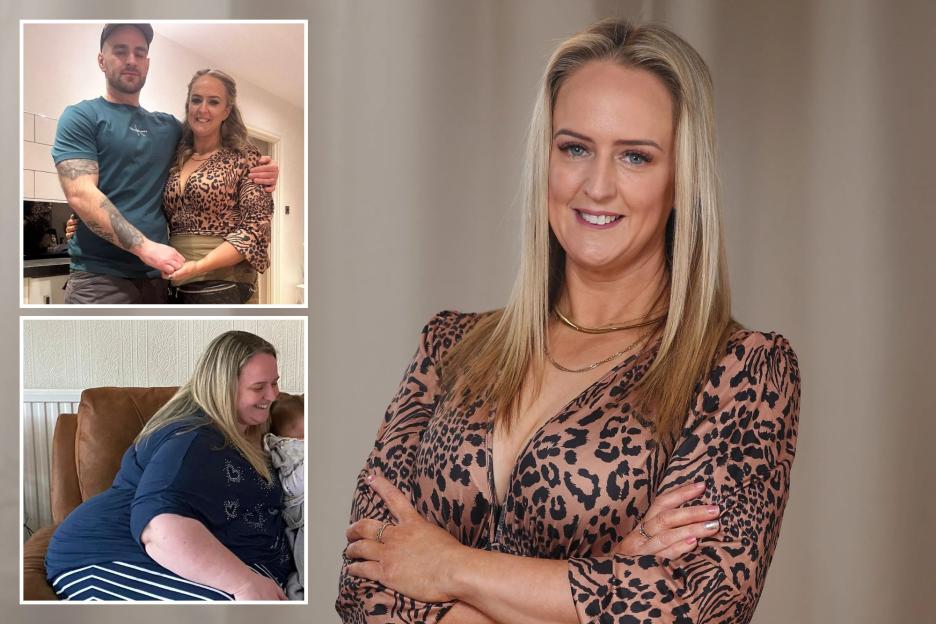
Fat jabs have turned me from 22st binge-eater into a sex machine having 6-HOUR romps… what happened when I came off them
AT her lowest moment, Lizz Adair was eating herself into an “early grave” at 22 stone, scoffing takeaways for dinner followed up by a family-sized Galaxy bar or...
The 23p fruit you need to scatter over your lawn this winter to stop weeds growing on grass
NOW that we’re officially into autumn, it’s time to prepare our gardens for the colder months ahead. And the wet and icy seasons are the perfect time to tackle...
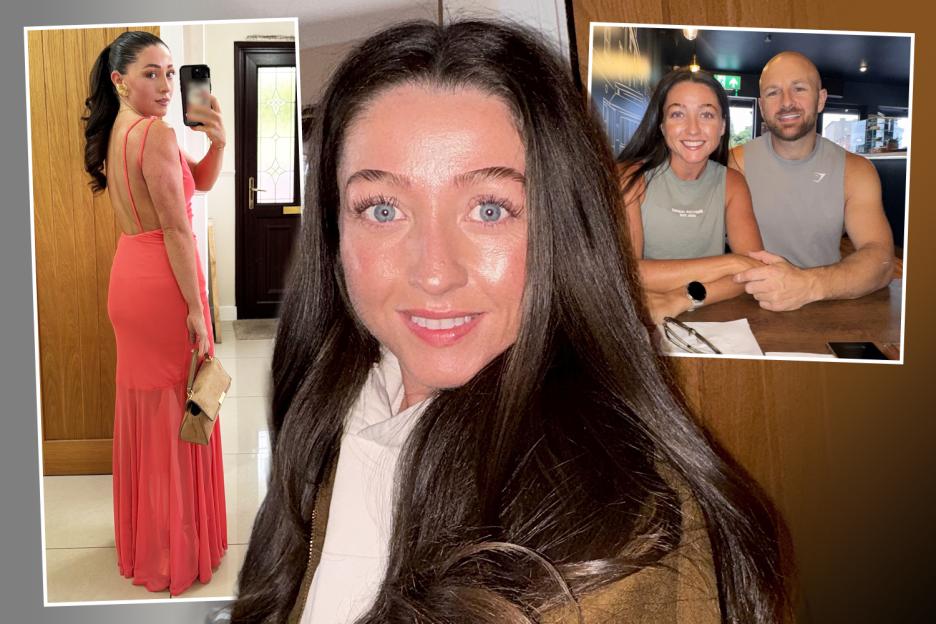
I had no idea an OTC COLD REMEDY could leave me in the grips of horror 10-year addiction… don’t make my, common, mistake
WHEN Louise Gough went into a chemist to find medicine for a cold at the age of 18, she didn’t imagine she’d still be using it ten years later. The 30-year-old...