EVERYONE loves a bank holiday, with Brits often looking ahead to see if the next long weekend is on the horizon.
There are still a handful to look forward to before 2026 is finished, but let’s take a look beyond even that and find out when the are scheduled for next year.
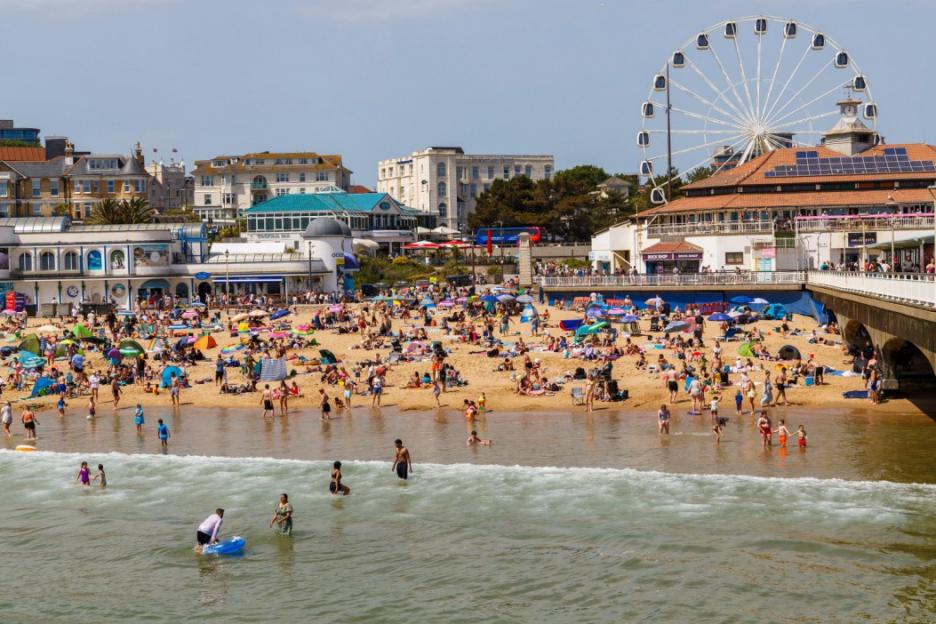 There are still a handful of bank holidays to enjoy this year – with one just under a month away Credit: Alamy Live News.
 We’ve looked ahead and explored when every bank holiday takes place in 2027 Credit: Getty
When are the remaining bank holidays in 2026?
Fortunately, there is still to look forward to this summer , allowing plans for a quick holiday getaway to go ahead.
That’s not the case for those who live north of the border, however, as in , the bank holiday took place on Monday, August 3.
For those living in England, Wales, and Northern Ireland, the next bank holiday is set to take place on Monday, August 31.
It may feel as though the summer bank holiday has come later than expected, with an unusually long 14-week gap separating it from the previous spring bank holiday.
But that’s the law, as in these three countries the summer bank holiday must always fall on the final Monday of August.
And because August began on a Saturday this year, the last Monday falls on the 31st – the absolute latest possible date the bank holiday can legally occur.
 The next bank holiday in England, Northern Ireland and Wales is on August 31 Credit: Getty
Past this month’s long weekend, the next bank in England, Wales and Northern Ireland won’t arrive until the festive season.
But Scotland has one more on Monday, November 30 to fit in before then, as Scots take the day off work to celebrate St Andrew’s Day.
and December 28 (Substitute Day) will make up a four-day weekend in December to mark the final two bank holidays of the year.
When are the bank holidays in 2027?
Brits can look forward to double the downtime in 2027, with two four-day weekends on the cards over Easter and the festive period.
For those who are looking to be super prepared and begin planning for next year already, here’s a look at what to expect:
England and Wales bank holidays 2027:
- Friday, January 1: New Year’s Day
- Friday, March 26: Good Friday
- Monday, March 29: Monday
- Monday, May 3: Early May bank holiday
- Monday, May 31: Spring bank holiday
- Monday, August 30: Summer bank holiday
- Monday, December 27: Christmas Day (Substitute Day)
- Tuesday, December 28: Boxing Day (Substitute Day)
Northern Ireland bank holidays 2027:
- Friday, January 1: New Year’s Day
- Wednesday, March 17:
- Friday, March 26: Good Friday
- Monday, March 29: Easter Monday
- Monday, May 3: Early May bank holiday
- Monday, May 31: Spring bank holiday
- Monday, July 12: Battle of the Boyne
- Monday, August 30: Summer bank holiday
- Monday, December 27: Christmas Day (Substitute Day)
- Tuesday, December 28: Boxing Day (Substitute Day)
Scotland bank holidays 2027:
- Friday, January 1: New Year’s Day
- Monday, January 4: 2nd January (Substitute Day)
- Friday, March 26: Good Friday
- Monday, May 3: Early May bank holiday
- Monday, May 31: Spring bank holiday
- Monday, August 2: Summer bank holiday
- Tuesday, November 30: St Andrew’s Day
- Monday, December 27: Christmas Day (Substitute Day)
- Tuesday, December 28: Boxing Day (Substitute Day)
Could more bank holidays be added last minute?
While the official calendar is set well in advance, extra days off can theoretically be added to the schedule at shorter notice.
Under the Banking and Financial Dealings Act 1971, the King has the legal power to declare additional one-off bank holidays across the and within individual home nations by Royal Proclamation, acting on the advice of government ministers.
These surprise bonus days are typically reserved for major national events, such as royal weddings, state funerals, coronations, or historic jubilees.
While there are frequent public campaigns calling for new permanent bank holidays, the government generally resists adding them at the last minute due to the significant economic costs involved for businesses.
As a result, unexpected additions remain a rare occurrence saved strictly for historic national occasions.