DROPPING a dress size and seeing the pounds fall off when you start losing weight can be addictive.
Feeling healthier and fitter, as well as seeing that new, smaller number pop up on the scales, can all be great motivation to help you to keep on blasting that belly fat.
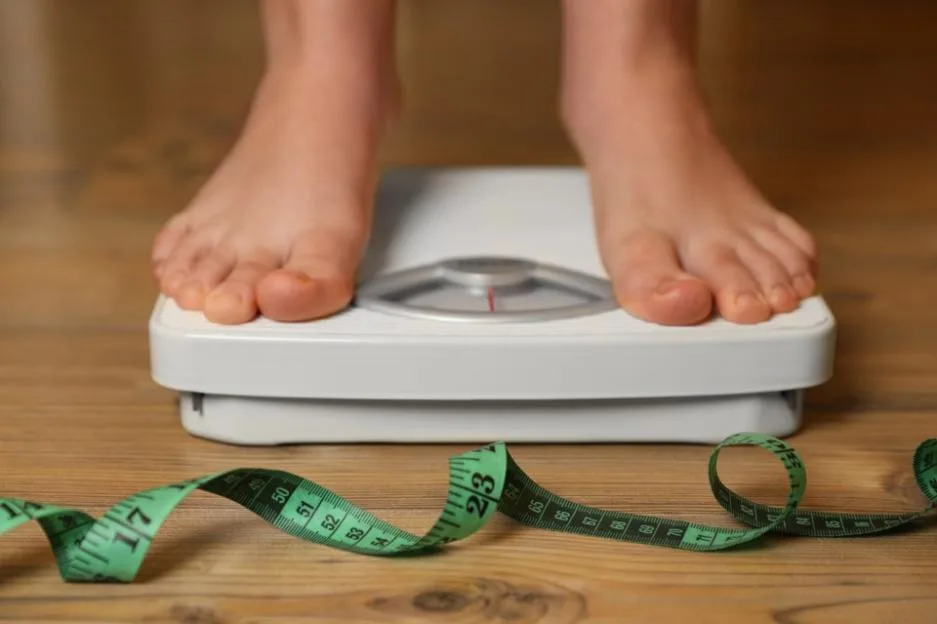

But a few months in, it can feel like no matter how many vegetables you eat, how much sugar you cut out and how much exercise you do, the scales stubbornly stop moving.
You’re not alone in this.
According to LloydsPharmacy, up to 85 per cent of people experience a “weight loss plateau”, whether they’re trying to lose weight the old-fashioned way through diet and exercise, or they’re on weight loss meds like Wegovy or .
A “plateau” is a phase or stalls despite all your best efforts.
You might have kicked your crisp habit, got into taking a daily brisk walk and cut back on fizzy drinks, and yet, the flab still won’t budge.
It can feel frustrating, demotivating and pretty confusing when you aren’t getting the same results as before.
You might even think: ‘What’s the point of putting in all this effort if nothing’s changing?’
As a nutritionist, Louise Pyne says it’s a pattern she often sees with her weight loss clients.
They start out feeling pumped and motivated, only to hit a wall later on and feel tempted to throw away all the good work they’ve done.
That’s where understanding your body’s biochemistry can be really powerful.
When you know what’s happening behind the scenes, you can work with your body rather than feeling like it’s working against you, and that can help get your numbers edging in the right direction again.
When you start out on a weight-loss journey, your body quickly responds to the fact you are moving more and eating less by slipping into a calorie deficit.
This leads to steady weight loss, which you are likely going to notice and feel great about.
But as you continue to lose weight, several things naturally shift.
Your metabolism becomes slightly more efficient, your body requires fewer calories to maintain its new size, and hormonal signals around hunger and fullness can adapt.
It means that, over time, your weight loss progress starts to slow down, even if you’re still sticking to all your new healthy habits.
It might sound depressing, but don’t give up.
There are loads of things you can do to kickstart your weight loss journey, starting with these five key plateau-busting steps…
ICE, ICE BABY
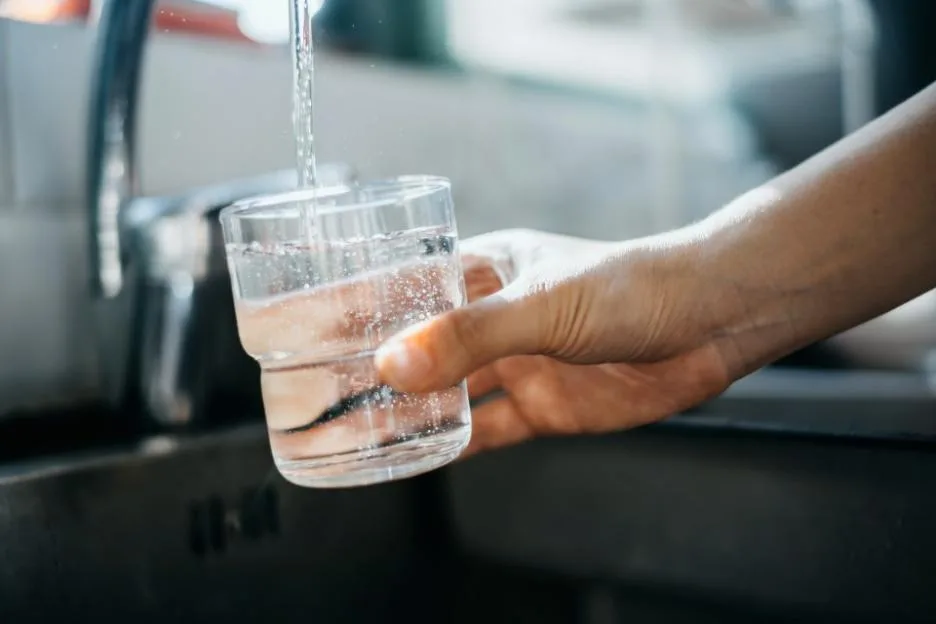
ALWAYS wake up starving?
Try to get to the sink before you start ransacking the cereal cupboard.
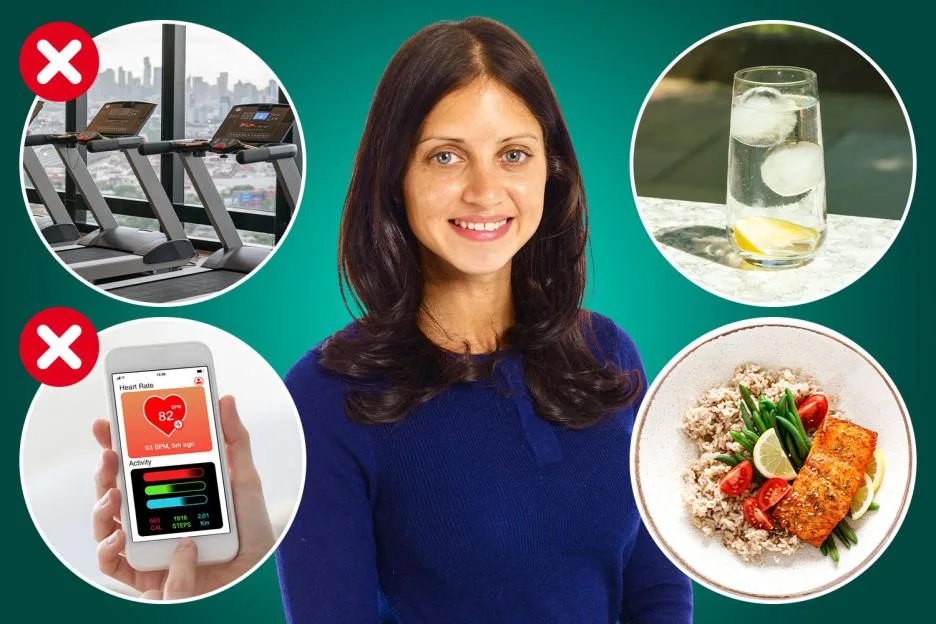
Chugging back a glass of water before you hit the yoghurt and granola is a really simple way to perk up a sluggish metabolism and help you through that weight loss wall.
Hunger is absolutely and plenty of people genuinely do need to scoff breakfast immediately after they wake up.
But for others, those early-morning ‘I’m starving’ signals can actually be the body’s way of saying it’s thirsty.
Hydrating your body first thing gives your metabolism a gentle nudge after an overnight fast.
But skip the cuppa for cold water instead, it’s a switch that can make a real difference when trying to lose a few more pounds.
This is because cold water needs to be warmed up by the body.
That requires a small burst of energy, which means you’re burning calories to boot.
Having a cool glass of water can also help regulate like ghrelin before your first meal.
Some studies even suggest that beginning the morning with water boosts feelings of fullness and may naturally blunt hunger, reducing how much you put in your bowl for breakfast.
If you find plain water too boring, add a slice of lemon, sprig of mint or some chunks of fruit to pep it up – they’ll bring a little boost too.
BRUSH UP
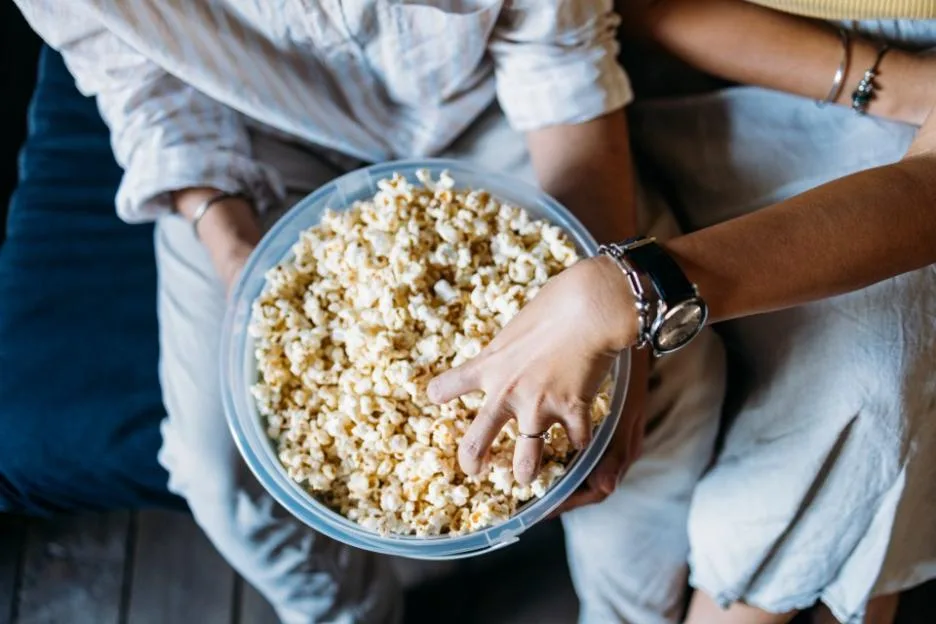
YOUR scales might be trying to tell you the truth – that you’re actually eating more than you think you are.
After-dinner snacking is a major culprit when it comes to surplus calories creeping into your diet.
We’re usually more sedentary in the evenings, when it’s easy to put away a whole packet of biscuits sitting in front of the telly.
And because you’re moving around less, those extra nibbles are less likely to be burned off.
Plus, if you’re not leaving at least a few hours between your dinner and bedtime, your body may not have enough time to .
This can lead to disrupted , sluggishness the next morning, and a tendency to overeat the following day too.
But brushing your can help stop your late-night snacking.
Giving your pearly whites a clean straight after dinner sends a clear ‘kitchen closed’ signal to your brain.
The minty taste naturally makes most foods less appealing, and the ritual itself acts as a cue that eating time is over, which helps nix cravings before they start.
TRICK NOT TREAT
YOU don’t have to be on weight loss medications to trick your body into slashing your appetite.
The work by mimicking a natural digestive hormone called glucagon-like peptide-1, or GLP-1.
This hormone helps regulate blood sugar, reduces appetite, and slows digestion, all of which help you feel fuller for longer.
Handily, certain foods can help you increase your , without an injection in sight.
So if you’re stuck on the bleak, bleak weight loss plateau, try including more of these foods in your meals.
A 2020 study found that eggs, which provide around 8g of protein each, were associated with increased GLP-1 levels.
Research also shows that Greek yoghurt, beans, apples and berries help boost GLP-1 too.
PLATE SHAKE UP
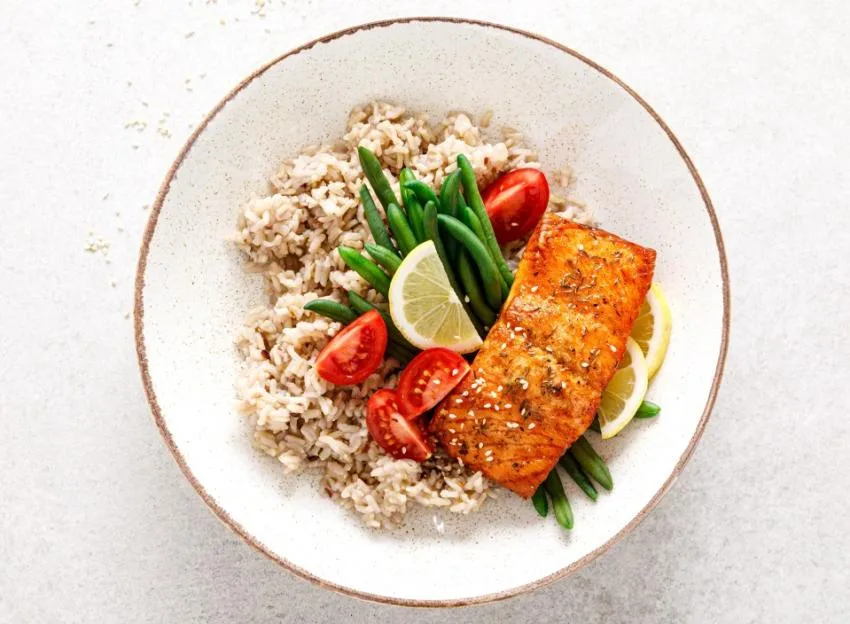
DO you save the tastiest thing on your plate until last, or pile a bit of everything on every forkful?
It might be time to rethink not just what you’re eating, but the way you’re eating.
One of the most effective, low-effort changes I recommend to my plateauing weight loss clients is to rearrange the order they eat what’s on their plate.
Start by digging into the protein-rich bits first – the chicken, eggs, fish or beans.
It may help promote steadier digestion and more gradual glucose absorption, which can help you feel satisfied for longer, so less likely to snack later.
This is because protein causing fullness cues to kick in sooner.
Next go for fibrous vegetables, like peas, broccoli and carrots, or salad, to further slow down digestion.
Then dig into your carbohydrates, like bread, rice or pasta, for a slow and steady blood glucose rise.
Finally, tuck into healthy fats like avocado, nuts and seeds, to help you feel full and satisfied.
Every day habits harming your gut
Several factors can negatively influence gut health, either by altering its function or wiping out the beneficial bacteria (allowing bad bacteria to thrive). Here are some common ones:
A poor diet
High sugar and high-fat diets can lead to an imbalance in gut bacteria. This typically means processed foods, like cakes, biscuits, fried foods and more. Artificial sweeteners may also disrupt gut flora, and alcohol – particularly cocktails and mixers with high sugar – aren’t beneficial either.
Lack of fibre
Dietary fibre is essential for healthy gut bacteria and therefore, a diet low in fibre can negatively impact gut health. Fibre is in foods such as wholemeal bread, oats, jacket potato, fruits and vegetables.
Antibiotics
We all need to take antibiotics now and again, sometimes they are necessary. But antibiotics can kill beneficial gut bacteria along with harmful ones, leading to imbalances in the gut. Other medications like NSAIDs and proton pump inhibitors can also affect gut health. Make sure to implement gut health habits – or take a probiotic – during antibiotic use.
Stress
Stress affects us all but some are better than dealing with it than others. Stress can alter the gut microbiome and increase gut permeability, leading to a “leaky gut”. Symptoms include diarrhoea, pain and gas.
GUT BOOST
SWITCHING up what fruit and veg you’re chucking in your trolley could make the difference when you’re trying to reboot your weight loss journey.
Polyphenols are that can support metabolic health.
They help regulate the gut microbiome and increase intestinal bacterial diversity – both of which are linked to better weight management.
In general, brightly coloured or strongly flavoured plant foods pack the highest polyphenol content.
Think beetroot, red onions, blackberries and dark green leafy vegetables like kale and cavolo nero.
Adding these foods to your meals regularly, or even having them as a smoothie, can give your gut (and your metabolism) a gentle boost.
Ideal for helping get that belly fat burning again.
Louise Pyne is a registered nutritionist and nutrition coach at Nutrable.com, where she supports GLP-1 patients in developing flexible, sustainable eating habits.