AS you get geared up for Christmas you’re probably putting up plenty of fun decorations.
Although they look dazzling, a vet has warned of the potential dangerous some decorations can cause.
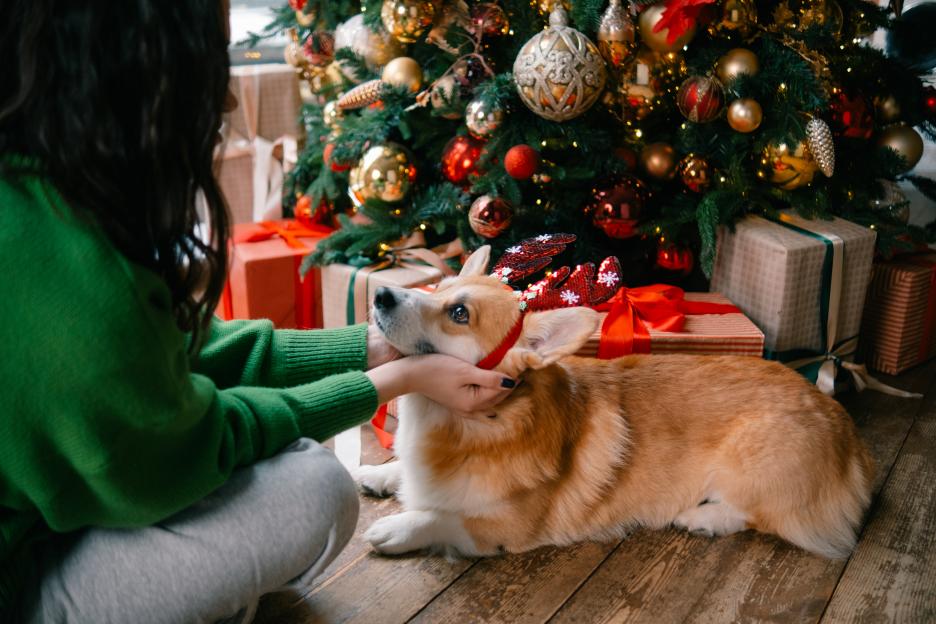 Keeping your pet safe this Christmas is easy if you know the risksCredit: Getty
 Some decorations can be especially dangerousCredit: Getty
David Martin, Group Director of Animal Welfare at IVC Evidensia has identified decorations that are mostly likely to result in a trip to the vet, with some tips of prevention and what to do if things go wrong.
Christmas plants
“Many common Christmas such as poinsettias, holly, and ivy pose a particularly severe risk for cats, so pet owners might want to reconsider using these as decoration,” the pro warned.
In particular, mistletoe is “highly toxic” for both and cats, he said.
“For pet owners looking to hang a Christmas wreath, be mindful that these are often made from English yew which is poisonous to all animals, so it’s best to choose wreaths that do not contain it,” David added.
Ornaments and decorations
Although they’re not necessarily toxic, certain decorations such as tinsel can cause obstruction if ingested by pets,” David explained.
Not only that, but more delicate decorations made of glass or thin plastic can be particularly dangerous if chewed or swallowed.
“Salt dough decorations can also be toxic to pets if ingested, with the high salt content causing vomiting, and in more severe cases affecting the kidneys and causing fits,” he contined.
Lights and candles
When wrapping your Christmas tree in lights, it’s important to keep the cable out of reach from pets to stop them chewing them, the pro said.
Batteries should also be kept out of reach for the same reason, plus they contain harmful chemicals if chewed.
“Owners should also be mindful of decorative candles and fireplaces, and make sure pets are not left unattended around flames,” he added.
Advice for pet owners – prevention and treatment
“For decorations that contain foliage, it’s important for owners to familiarise themselves with which plants are toxic to pets, and consider using non-toxic or artificial plants,” David noted.
To be safe, it’s best to make sure they are well out of reach, and try to supervise pets when they are around them.
Of course, it’s important to stay calm if you are worried you pet has ingested something toxic.
David suggested trying to identify the plant their pet ingested, as this will be vital for the vet.
“Vets can provide specific advice based on the plant and the amount ingested, so its important owners can give as much information as possible so that treatment is affected,” he said.
Keeping Your Home Clean with a Pet
IF you have a but want to keep your sparkling, here’s everything you need to know…
Regular Grooming
– Brush your pet frequently to reduce shedding.
– Bathe your pet as needed to minimise odour and dirt.
Frequent Cleaning
– Vacuum carpets and furniture regularly to remove pet hair.
– Mop floors to tackle paw prints and spills.
Designated Pet Areas
– Create specific zones for your pet to limit the spread of mess.
– Use washable pet beds and blankets.
Pet Hygiene
– Clean your pet’s toys, bowls, and bedding regularly.
– Ensure litter boxes are scooped daily and cleaned weekly.
Tackle Odours
– Use air purifiers to help reduce pet dander and odours.
– Freshen the air with pet-safe deodorisers.
Train Your Pet
– Teach your pet to wipe their paws on a mat before entering the house.
– Encourage good bathroom habits to prevent indoor accidents.
By following these tips, you can maintain a clean and pleasant home environment, even with a beloved pet.