Table of Contents
- Accusation Against the US
- Warning to World Leaders
- Trump's Announcement
- Idam's Comments on Trump
- Concerns About International Law
- Conclusion
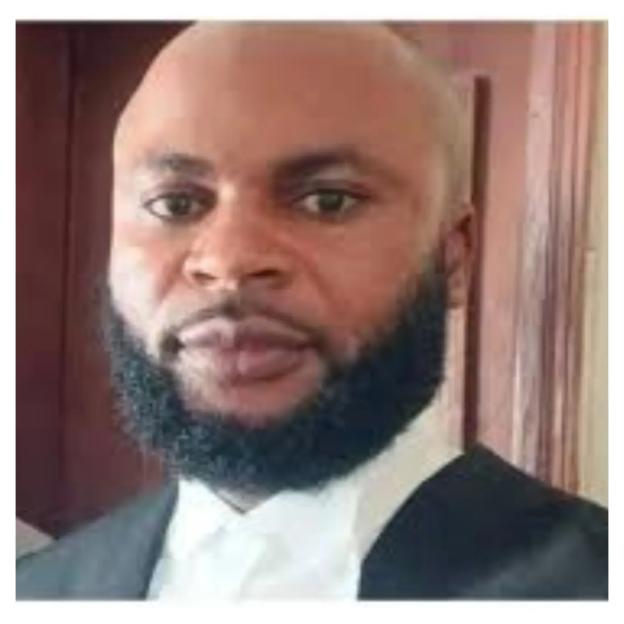
Activist lawyer, Maduabuchi Idam, on Sunday accused the United States of employing tactics reminiscent of a Hitler-like regime in the arrest of Venezuelan President, Nicolas Maduro.
Idam cautioned that the US's arrest of Maduro should not be supported by world leaders, as it could establish a perilous precedent that might pave the way for coups, chaos, and violations of territorial sovereignty.
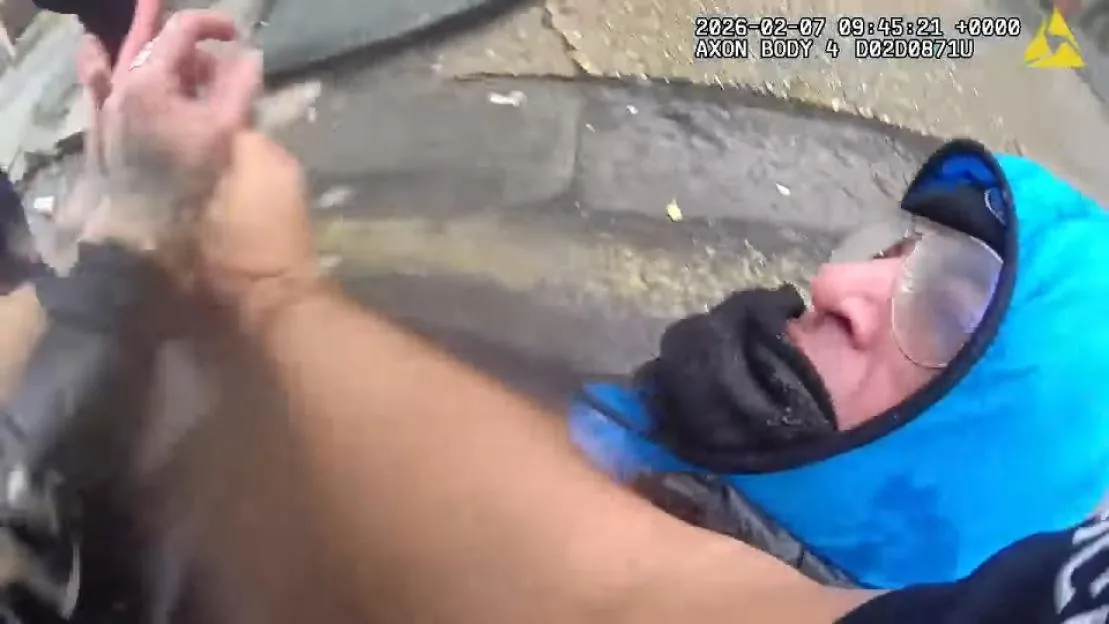
US President, Donald Trump, announced the apprehension of Maduro and his wife in Caracas, the capital of Venezuela.
They have since been transported to the US to face drug-related charges.
However, Idam pointed out that Trump is often seen as abrasive and brutish, “almost warlord-like, despite lacking military experience or background. Yet, like many others, I find myself drawn to him, perhaps captivated by his dark political appeal.”
In a statement he signed, Idam remarked: “Assertive leaders are frequently admired even when they are cited as negative examples. Consequently, figures such as Muammar Gaddafi, Idi Amin, and Saddam Hussein continue to be revered in certain circles, and narratives about them garner more attention than those about more gentle leaders. Even today, Goodluck Jonathan remains relatively unpopular when compared to General Sani Abacha.
“President Trump’s recent actions in Venezuela, which involved invading the (sovereign) nation in a manner akin to a Hitler-like regime and arresting and transporting its (elected) leader to the United States, represent the pinnacle of power abuse, if not outright suppression or oppression.
“It is true that the United States is often perceived as a de facto ‘world policeman’ within the international system, capable of influencing other member states of the United Nations and imposing sanctions when necessary.
“However, to physically enter another sovereign state, arrest a sitting president, and transport that leader to the United States is an action that lacks widespread support, even within the United Nations. Such behavior contradicts Article 2(4) of the UN Charter, which states that all Members shall refrain from the threat or use of force against the territorial integrity or political independence of any state.
“Therefore, any such action, if left unchallenged, would present a serious threat to other sovereign states within the United Nations system. Regardless of the alleged crimes of President Maduro, they can legally await the conclusion of his term.
“Alternative measures, such as economic or diplomatic sanctions, are available to the US, but neither his removal nor his arrest while in office aligns with established principles of international law.
“In light of these considerations, the arrest of President Nicolás Maduro through US military action, as claimed by President Trump, should not receive public endorsement; otherwise, it could set a dangerous precedent, leading to coups, chaos, and violations of territorial sovereignty.”
Frequently Asked Questions
What are the implications of the US arresting a foreign leader?
The implications include potential violations of international law, setting a dangerous precedent for future interventions, and the risk of destabilizing other sovereign nations.
Why do some leaders remain popular despite negative actions?
Some leaders are admired for their assertiveness and ability to maintain control, even when their methods are criticized. This often leads to a complex perception of leadership in different cultural contexts.