LETHAL US forces dramatically boarded a tanker amid their ironclad Strait of Hormuz naval blockade – as Donald Trump mulls his next move on Iran.
walked back from staging the on Friday, but still promised “major punishment” for Tehran and its Houthi puppets.
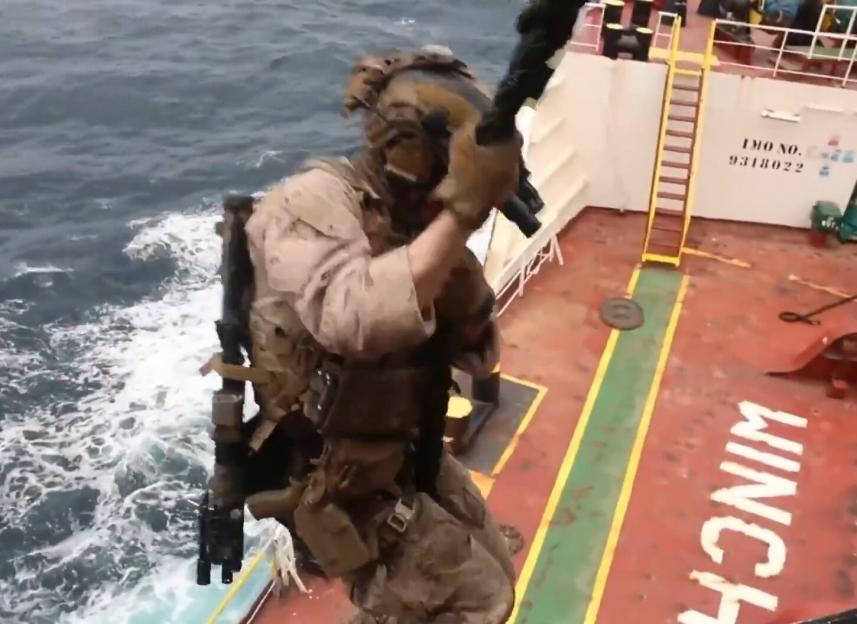 Dramatic footage shows ‘lethal’ US troops rappelling onto a ship in the Strait of Hormuz Credit: @CENTCOM/X
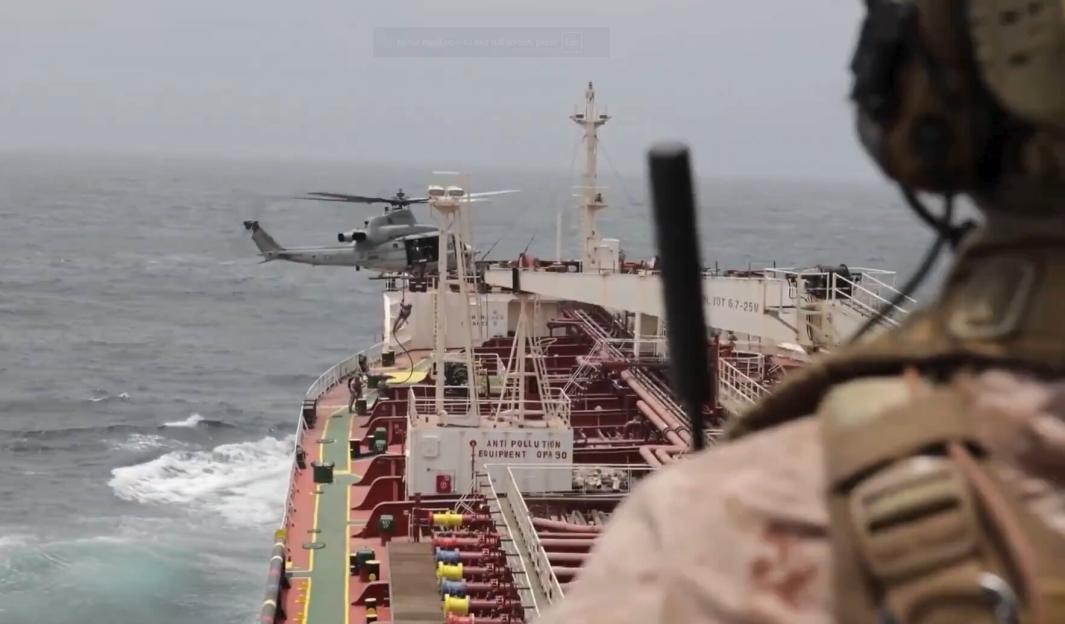 The military is maintaining a tight chokehold on the key trade route Credit: @CENTCOM/X
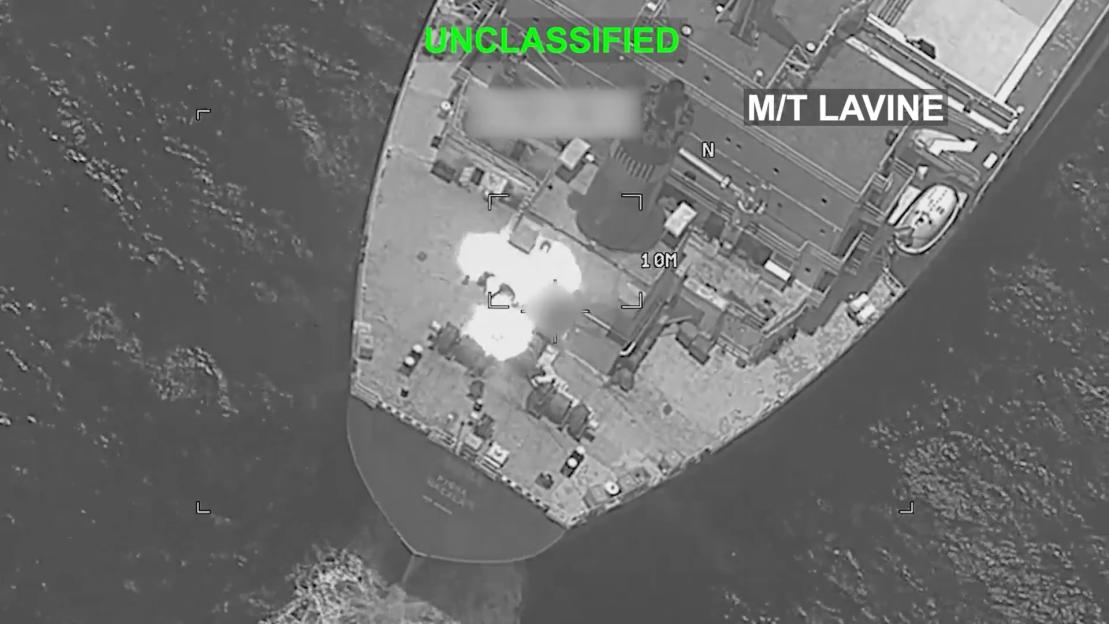 A tanker trying to slip past the blockade was also ‘disabled’ Credit: @CENTCOM/X
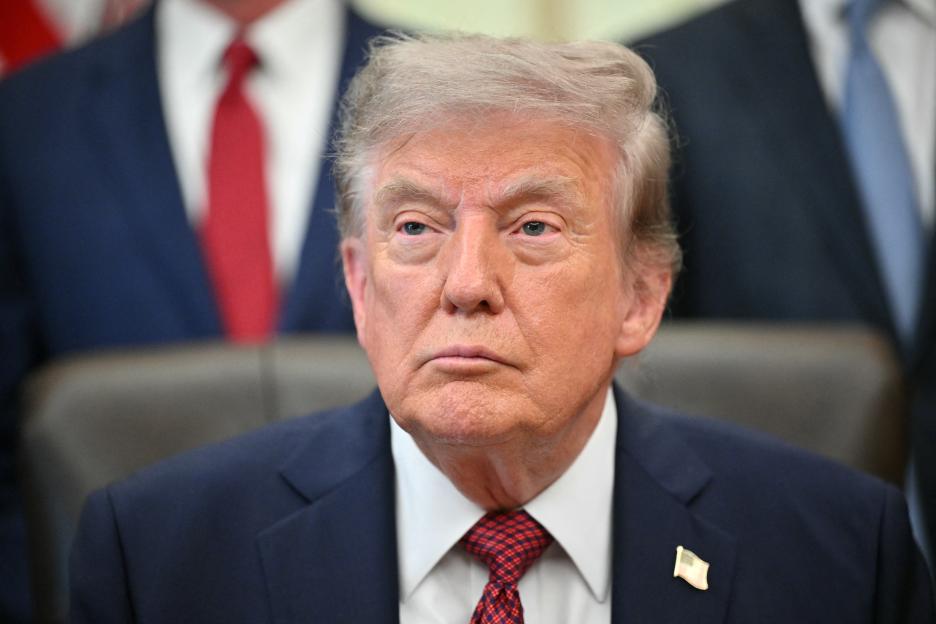 It comes as Donald Trump considers his next move in Iran Credit: AFP
Dramatic footage showed US troops rappelling onto the Comoros-flagged M/T Charminar in the embattled Arabian Sea as Trump continues his stranglehold on Iranian ports.
Another tanker – the Mozambique-flagged M/T Lavine – was “disabled” in the Gulf of Oman after trying to “multiple times”.
US Central Command shared footage of their high-stakes mission to X, adding that since its blockade was reinstated 12 commercial vessels have been redirected, two disabled, and two boarded.
It added: “American forces remain highly vigilant, focused, lethal, and ready.”
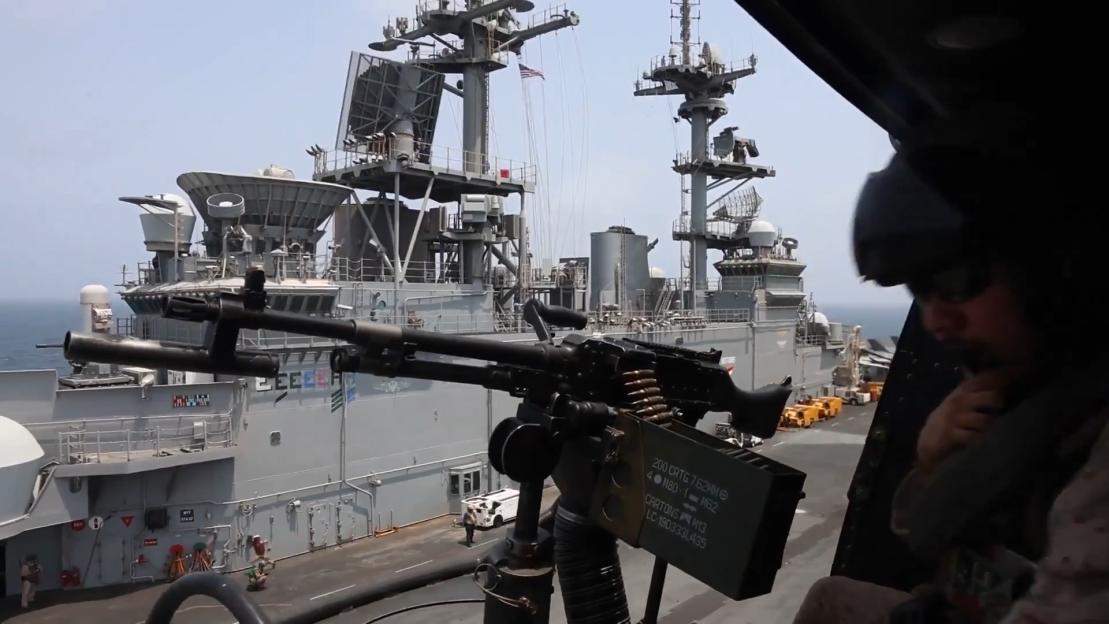 An attack helicopter was seen leaving base for the mission Credit: @CENTCOM/X
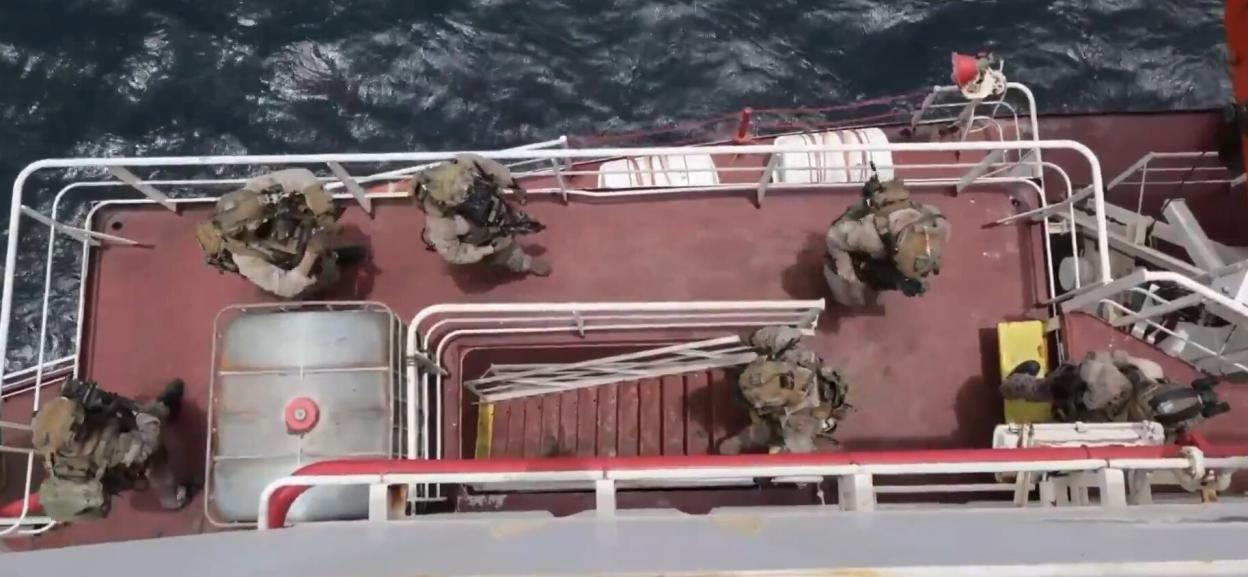 Soldiers flooded the ship and checked its freight Credit: @CENTCOM/X
on planned strikes was caused by a diminished stockpile of Patriot antimissile interceptors, according to the New York Times.
It comes as the Houthis have waded into the conflict by claiming to have attacked several Saudi Arabian vessels in the Bab el-Mandeb Strait – a key trade waterway linking the Red Sea to Europe.
Trump has promised “major military punishment” for if it hits another tanker.
The Houthis also claimed they launched dozens of ballistic missiles, cruise missiles and at two Saudi oil depots in the Red Sea cities of Yanbu and Jizan.
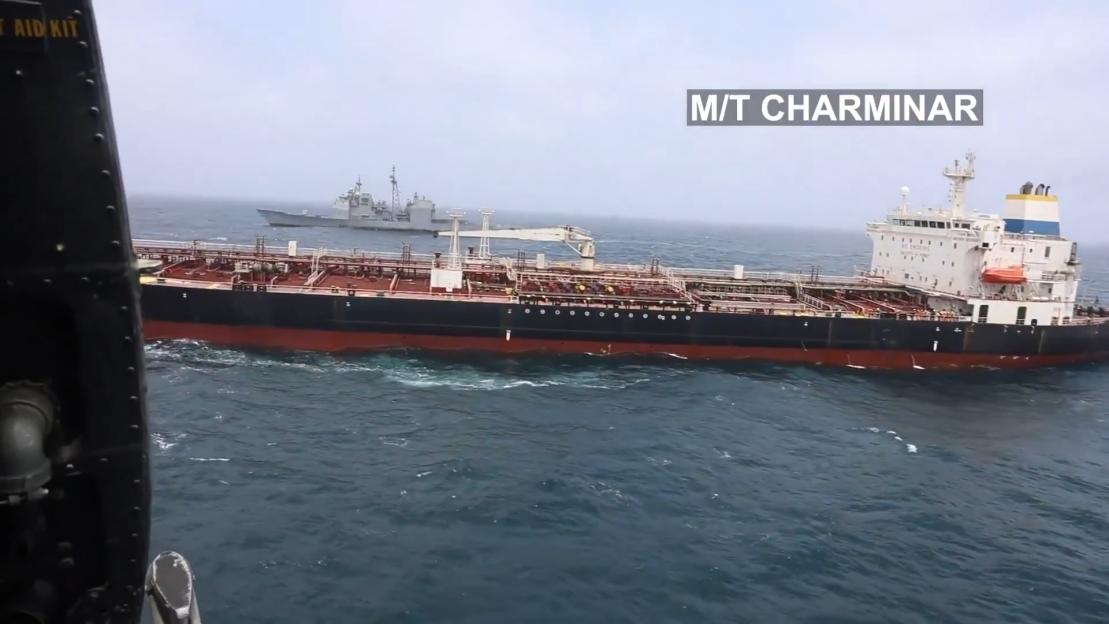 Several ships have tried to flout the US naval blockade since its resumption Credit: @CENTCOM/X
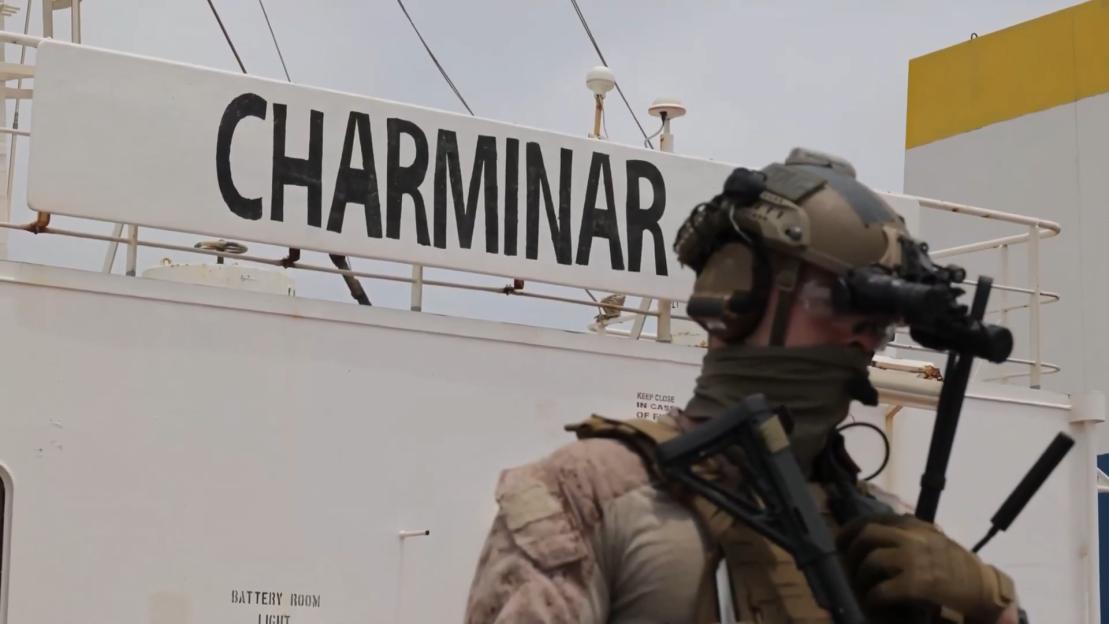 Troops boarded the Comoros-flagged M/T Charminar Credit: @CENTCOM/X
Daily US airstrikes on have meanwhile stopped after nearly two weeks of intense bombing.
Peace talks have been pushed forward again as and Tehran look to avert resuming all-out war.
The warring nations are said to be keen on returning to an interim ceasefire deal, but Iran‘s control over the Strait of Hormuz remains a sticking point.
Iran’s Foreign Ministry spokesperson, Esmail Baghaei, confirmed that Tehran had held technical talks about the waterway with Oman.
After being besieged for nearly four months, the Strait was reopened to commercial shipping after a .
There was hope that negotiators could hash out a deal, bringing an end to the brutal conflict and stabilising global fuel prices.
But that turned out to be a false dawn as Iran’s trigger-happy Islamic Guards began firing on ships in the strait.
After two weeks of bombing, Trump is reportedly reluctant to keep widening the war.
An escalation risks alienating key Gulf allies who have been targeted by Iran , as well as a global economic crunch if the strait remains closed.
White House Communications Director Steven Cheung has said that after enduring repeated strikes and crippling sanctions, “it would be wise for Iran to work towards a negotiated deal; otherwise, they know what will happen.”
Trump is said to be , a heavily fortified underground complex where Iran is believed to have hidden its nuclear stockpiles.
He told Axios on Thursday: “I am considering a massive attack. Bigger than ever before. I am close to making a decision. We are all set for it.”
It comes as US spies fear that new than his late father.
Fresh US intelligence suggests the killing of Supreme Tyrant Ali Khamenei in February has led to the intensification of Tehran’s nuclear ambitions.
While Mojtaba has never publicly called for use of nuclear bombs, he reportedly has fewer ideological qualms about weaponization and may back a more advanced arsenal, according to The New York Times.
If true, it could deal a blow to any peace agreement, given Iran’s long-term denuclearisation is Trump’s top priority.