BRITAIN has hit out at a “disturbing” US plan to livestream a terrorist’s firing squad execution as several countries are set to ban the broadcast.
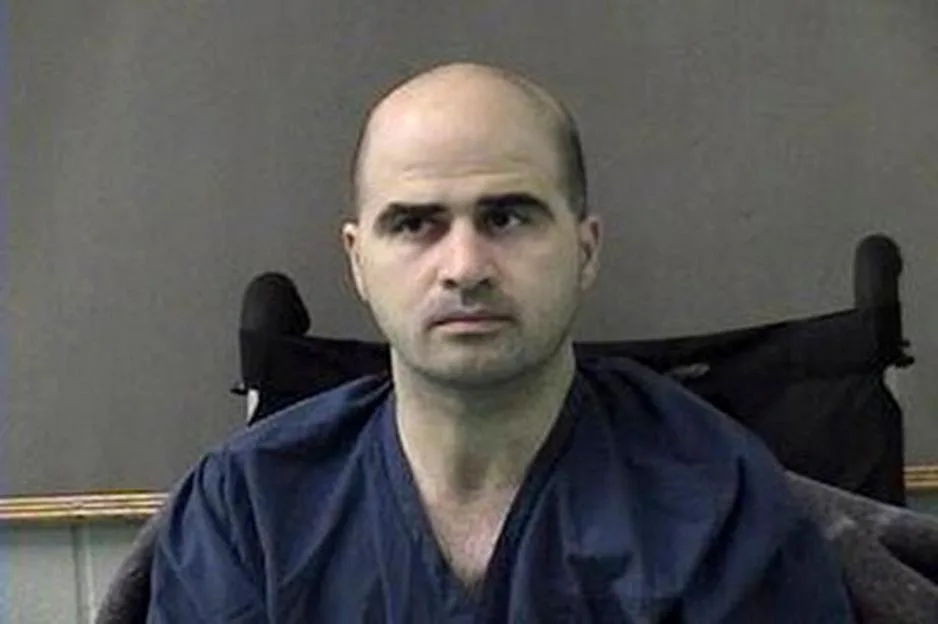
Convicted mass murderer Nidal Hasan, who slaughtered 13 people at a base, live before the world on December 3.
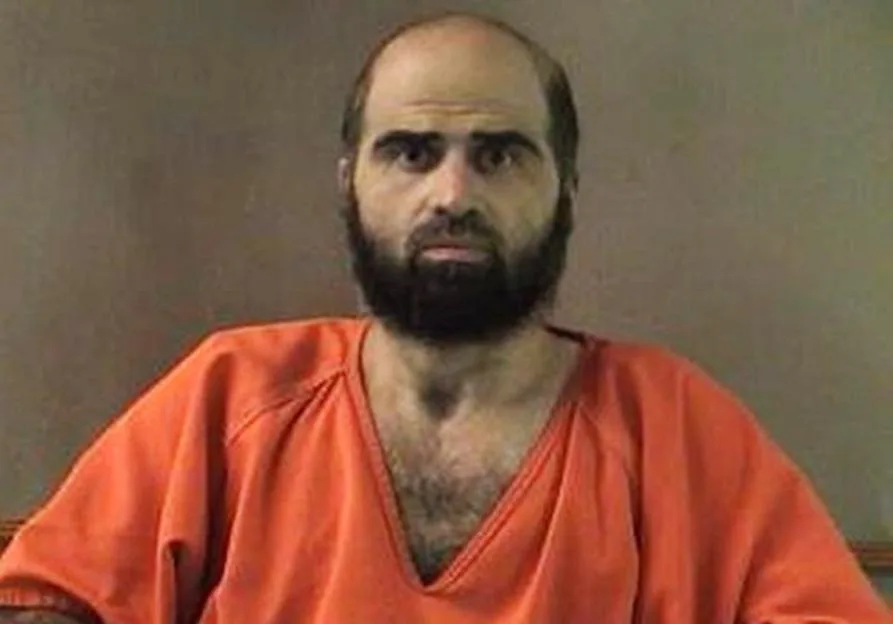
But the ‘s decision to broadcast his final moments has triggered a furious international debate over the limits of state punishment.
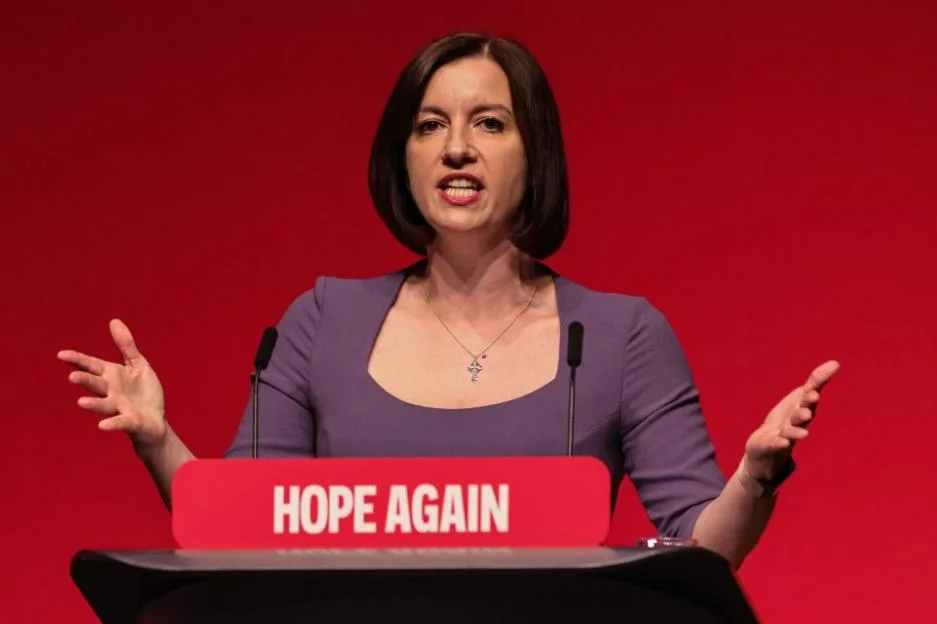
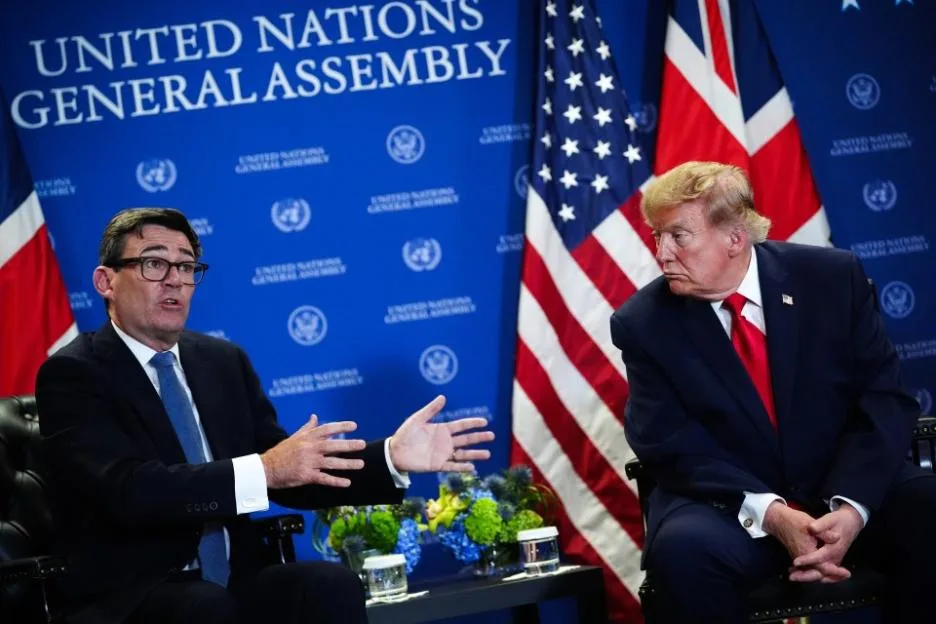
chair said the execution was a “matter for the US Government” but stressed Britain’s “long-standing” opposition to the death penalty.
The Cabinet minister admitted she personally found the prospect “rather disturbing”.
Her intervention risks igniting a fresh diplomatic row with , as struggles to make advancements with Transatlantic relations.
US Secretary of War Pete Hegseth has defended the firing squad execution as a “no-brainer”.
He insists the public must understand there are “serious consequences for these types of things.”
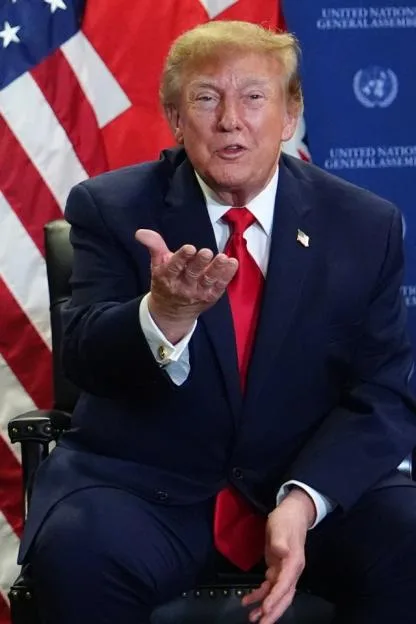
Trump personally signed off on Hasan’s death sentence on Monday following a recommendation from Hegseth.
The disgraced former major, 56, is scheduled to be executed at 1pm local time (7pm GMT) in the first week of December.
But the decision has also raised alarm over whether countries can stop the footage reaching their citizens.
has already warned it may be powerless to stop the gruesome footage being streamed across the country.
Its Classification Office admitted it has no authority to block a live internet broadcast, despite growing pressure to shield viewers from violent content.
A spokesperson said: “The Classification Office cannot classify a livestream event as it is taking place, and we, nor any other body, has the authority to block access to a livestream event.”
Chief Censor Caroline Flora warned that banning disturbing material required a delicate balance between public safety and freedom of expression.
She said: “Distressing as content may be, it is not always unlawful.”
The controversy has struck a particularly raw nerve in New Zealand, where a gunman massacred 51 worshippers at two mosques in 2019 while livestreaming his rampage on .
The bloodbath prompted then-Prime Minister to spearhead an international crackdown on violent online content.
Now, the prospect of the US Government broadcasting a firing squad execution has reignited fears over graphic footage spreading unchecked across the internet.
Amnesty International has also condemned the decision, urging Prime Minister Anthony Albanese to demand Washington abandon the broadcast.
Campaign manager Kyinzom Dhongdue said: “The suggestion that an execution by firing squad should be livestreamed for public viewing is an appalling disregard for human dignity.”
She added: “Turning a state-sanctioned killing into a public spectacle only compounds the cruelty of the death penalty.”
The White House has refused to say whether Trump personally supports televising the execution, instead directing questions to the Pentagon.
Public executions have become increasingly rare worldwide, although and Taliban-controlled Afghanistan are among the countries known to have carried them out in recent years.
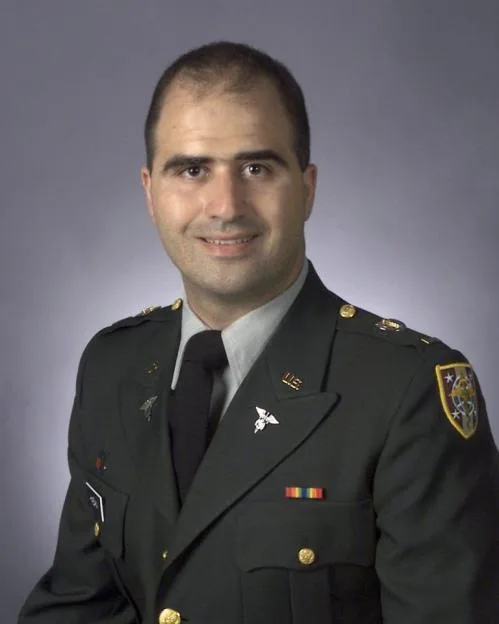
Hasan’s looming death marks another chapter in one of America’s most notorious military massacres.
The former Army psychiatrist unleashed a murderous rampage at Fort Hood in Texas on November 5, 2009, killing 13 people and wounding 32 others.
Armed with a laser-sighted handgun, he stormed a medical building where soldiers were queuing for routine vaccinations and deployment checks.
He bowed his head several times before shouting “Allahu Akbar” – Arabic for “God is great!” – and opening fire.
Witnesses described scenes of sheer terror as Hasan sprayed bullets across the crowded building before deliberately targeting individual soldiers.
Sergeant Michael Davis recalled: “The rate of fire was pretty much constant shooting. When I initially heard it, it sounded like an M16.”
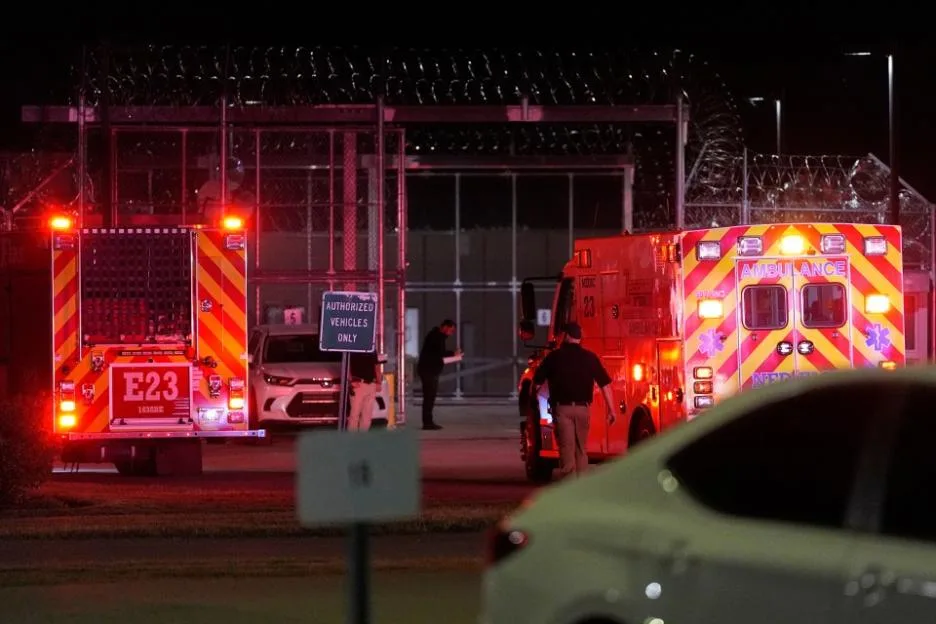
Investigators later recovered 146 spent shell casings inside the building and another 68 outside, where fleeing soldiers were shot at as they raced towards the car park.
Prosecutors revealed Hasan had spent weeks preparing for the bloodbath, repeatedly visiting a shooting range in Florence, Texas.
He had also visited a gun shop in Killeen, demanding “the most technologically advanced weapon on the market and the one with the highest standard magazine capacity”.
Hasan later claimed he carried out the ten-minute killing spree to stop American troops being sent to Afghanistan to kill fellow Muslims.
But a military judge refused to allow him to use that argument as a defence.
During his trial, the killer made little attempt to deny responsibility, describing himself as a “soldier who had switched sides”.
He was convicted of 13 counts of premeditated murder and 32 counts of attempted murder before being sentenced to death.
If the execution goes ahead, Hasan will become the first US service member to be put to death since Army Private John Bennett was hanged in 1961.
It would also mark the first military execution by firing squad since the Second World War.
Hegseth has shown little sympathy for the condemned killer.
Asked whether Hasan had made any final requests or contacted the Trump administration, he snapped: “Don’t care. We’ll see him on December 3rd.”
But the execution could still be thrown into legal turmoil.
Military law experts warn Hasan could launch further appeals or file a habeas corpus petition in a civilian court, potentially delaying his death for years.
Eugene R. Fidell, a Yale Law School visiting lecturer specialising in military law, said: “It frankly might outlast the current administration, and who knows if the next one will have the same penchant for executions.”
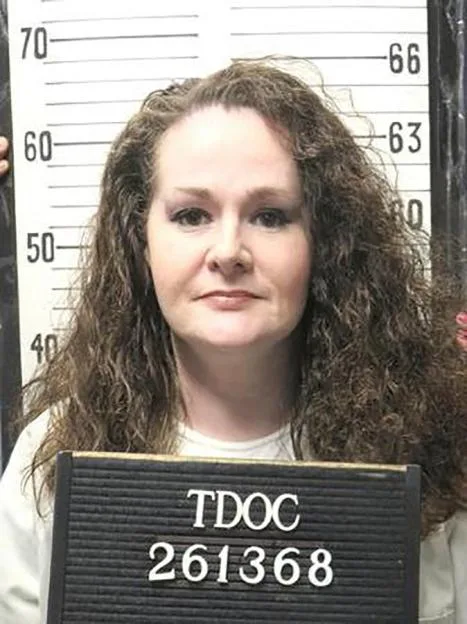
The controversy comes in on September 30.
Her survival following two rounds of lethal injection has plunged the state .