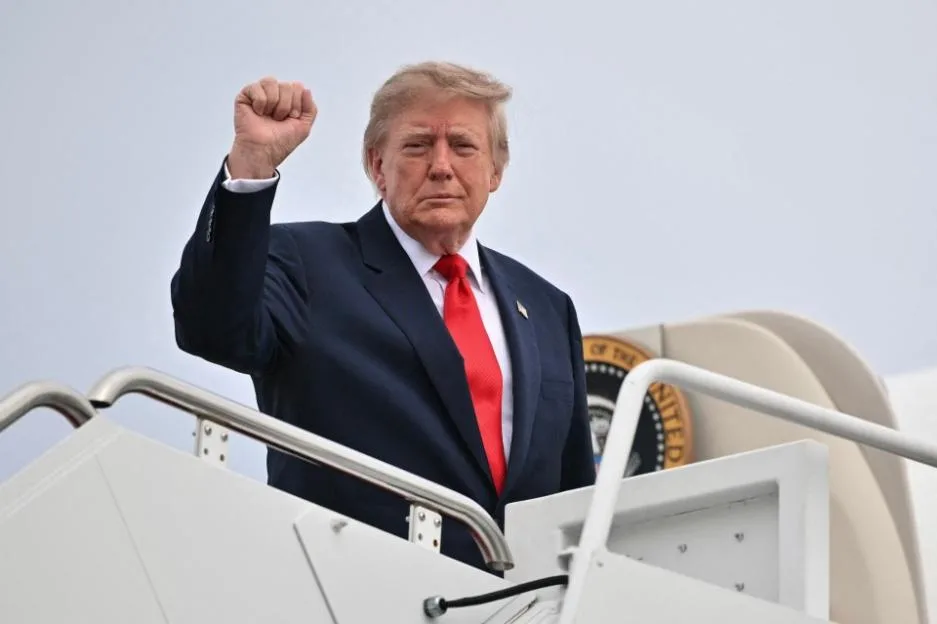
DONALD Trump has approved a “multi-billion dollar” partnership with Saudi Arabia to develop a civilian nuclear programme.
A major victory for the Kingdom, the agreement will potentially see it enrich its own uranium – marking a shift in longstanding US non-proliferation policy.
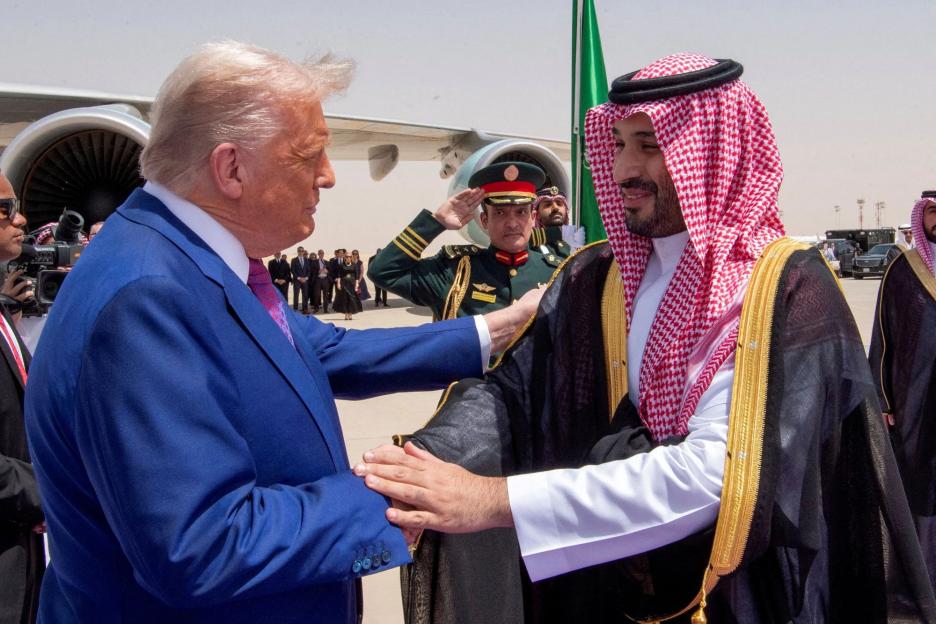
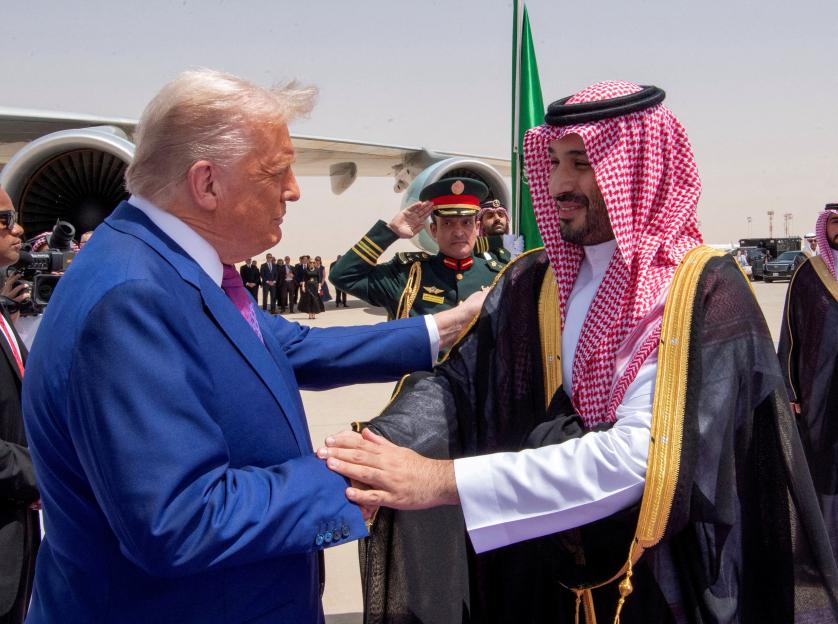 Trump shakes hands with Saudi Crown Prince Mohammed Bin Salman during a welcoming ceremony in Riyadh, in May 13, 2025 Credit: Reuters
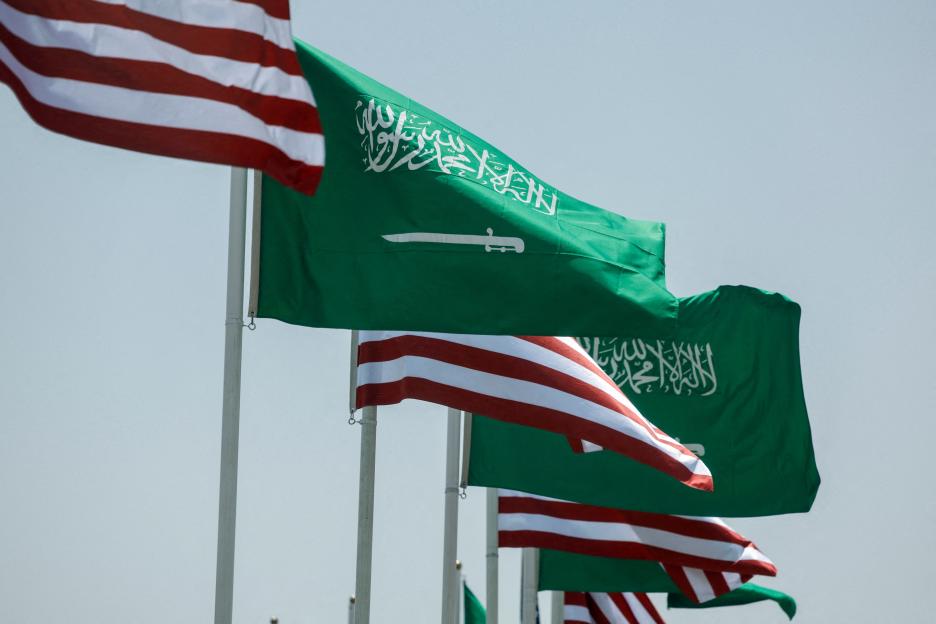 US and Saudi flags flutter along a highway of Riyadh Credit: Reuters
This is something that Saudi Arabia has been pushing for years, since the George W Bush administration.
The US Department of hailed the agreement as “historic”, saying that American companies will provide nuclear to the country.
The deal consists of an accord under Section 123 of the Atomic Energy Act of 1954, known as a 123 agreement, “alongside an accompanying bilateral safeguards agreement”, a statement said.
Energy Secretary Chris Wright said: “These agreements reflect our two nations’ shared commitment to strengthening US-Saudi commercial relations, delivering prosperity at home and security to our allies abroad.”
“Rest assured, these agreements uphold the highest standards of nuclear safety and nonproliferation, while relying on the world’s best nuclear technology and scientists, designed right here in the US.”
The statement further called the deal a “decades-long, multi-billion-dollar partnership” and said it will now be submitted to Congress for review.
The Trump administration said it will create high-paying in the US, “reinforce global nonproliferation standards”, and deepen the strategic partnership with its ally.
But the deal also has the potential to reshape the dynamics in the region, where only Israel boasts its own nuclear arsenal.
Israel is expected to oppose it over its objection to a rival nation having nuclear capabilities.
Former Israeli Prime Minister Naftali Bennett described the pact as a “grave strategic failure that endangers our security.”
Meanwhile, leader of the right-wing opposition Yisrael Beytenu party, Avigdor Lieberman, warned that the civilian nuclear programme will end with .
He said: “We must all understand that Saudi Arabia’s civilian nuclear program will end in nuclear weapons and lead to a mad arms across the entire Middle East.
“The State of Israel must make it clear and unequivocal: We will oppose this with all our might.
“The Government of Israel must act with determination before the US Congress to block this move.”
Earlier, Secretary of State Marco Rubio sought to head off emerging criticism, insisting that the US is not going to reach “any agreement with any country in the world that leads to the risk of proliferation.”
The announcement comes as the US President ramps up the war against Iran that aims to wipe out the regime’s ability to develop a nuclear bomb.
But Iran has insisted its nuclear enrichment programme is peaceful.
Ahead of the announcement, Alexander Bollfrass, a nuclear expert at the International Institute for Strategic Studies in London, called the deal “a revolutionary new approach” to nuclear nonproliferation policy.
“The revolutionary aspect of this agreement is that the US is not asking Saudi Arabia to abide by the highest possible safeguards, internationally monitored safeguards that are standard and are available today,” he said.
“Instead, it is willing to at least theoretically transfer highly sensitive technology without the same level of oversight that one would expect.”