MILLIONS of Brits are facing strict hosepipe bans after an exceptionally dry spring and weeks without significant rain.
More than 23million people across England and Wales are now as water companies .
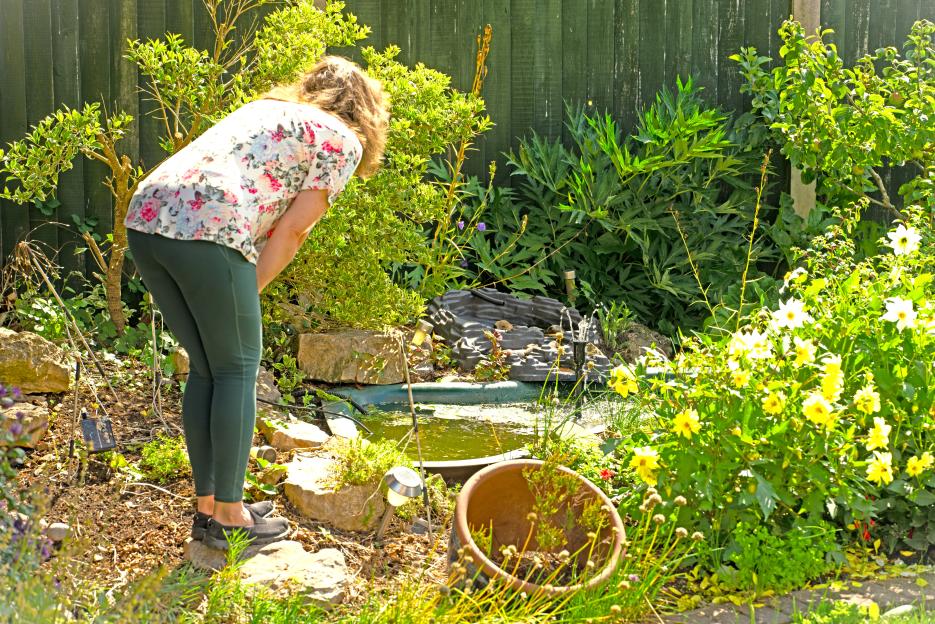 Water firms impose hosepipe ban restrictions during long-running dry spells to preserve essential water supplies Credit: Getty
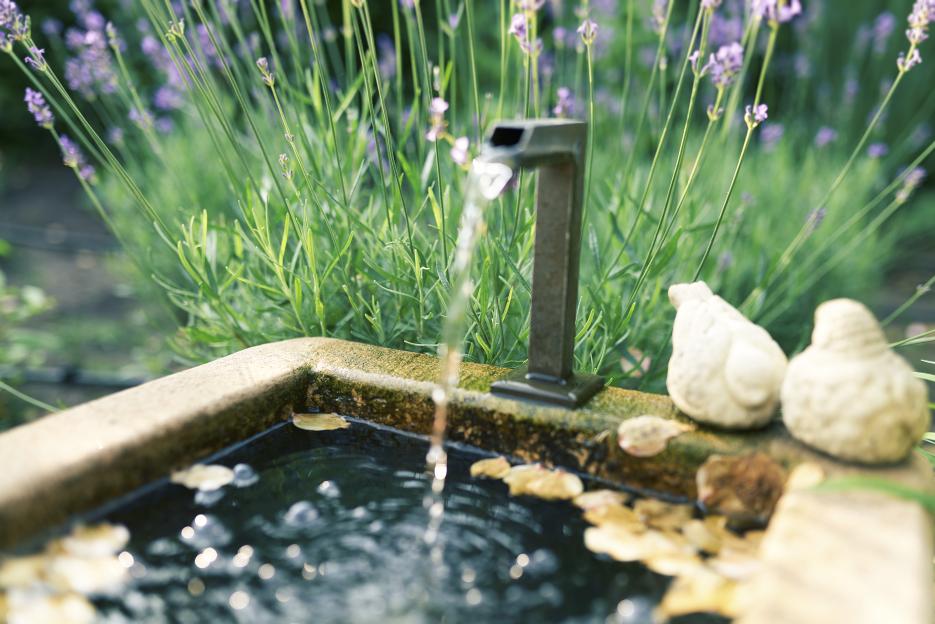 When pond water evaporates quickly during hot weather, oxygen levels drop while waste levels rise, creating a deadly environment for aquatic life Credit: Getty
Major suppliers – including , South East Water, and Anglian Water – have , urging households to .
As water levels dwindle in the prolonged heat, gardeners may worry their backyard oases and the creatures living in them could dry out completely.
So, what are the official rules on keeping your garden pond topped up when a is in place?
Can I use my hosepipe to top up my pond during a ban?
Under across England and Wales, using a mains-fed hosepipe, sprinkler or to fill or maintain a garden pond or decorative water feature is strictly restricted.
Water firms impose these restrictions during long-running dry spells to preserve essential water supplies.
You can top up your garden pond during a hosepipe ban, but how you do it depends on what’s living in there.
Under the Water Industry Act 1991, you’re allowed to use a hosepipe to top up a domestic pond if it contains fish or other aquatic animals kept in captivity or supported as natural wildlife.
Qualifying creatures include:
- Fish such as koi, goldfish, carp, or tench.
- Amphibians like frogs, toads, and newts that rely on the pond as their habitat.
- Aquatic wildlife such as water snails, dragonflies, and diving beetles.
Hosepipe bans specifically target the use of mains-connected hosepipes for non-essential tasks.
But while watering a lawn or washing a car with a hose is deemed non-essential, preventing animals from suffering or dying due to extreme water conditions is classed as an essential welfare need.
When pond water evaporates quickly during hot , oxygen levels drop rapidly while concentrated waste levels rise, creating a deadly environment for aquatic life.
The catch is that you should only use the hosepipe for the minimum time needed to safeguard the animals.
You also can’t use a hosepipe to carry out cosmetic maintenance, drain and refill the pond entirely, or water nearby flowerbeds.
Can I run an ornamental fountain during a ban?
You are permitted to run an ornamental fountain attached to a fishpond using a hosepipe if its purpose is to supply oxygen to keep the fish healthy.
Again, hose-fed fountains should only run for as long as necessary to protect your animals.
If your fountain draws from the pond itself, you can run it for as long as you like.
Self-contained or submersible pumps simply recycle water already in the pond, and place no extra demand on the public water grid.
If your fountain or water feature draws from a non-mains supply, it’s also completely exempt from hosepipe ban rules.
Can I use a hosepipe to top up an empty pond?
If your pond is purely ornamental or a newly built pond that has not yet been stocked with fish, you can’t use a hosepipe to top it up or fill it during a ban.
Doing so breaks temporary use restrictions and can carry a fine of up to £1,000 from your water provider.
But a fish-free pond does not have to be left to dry up, and you are always legally allowed to top up your garden pond using:
- A filled from a tap.
- Rainwater collected in water butts or rain barrels.
- Recycled greywater (such as bathwater, provided it does not contain harsh soaps or chemicals).
for specific local guidance is always recommended.