A MAN was diagnosed with an incurable brain tumour after suddenly suffering from an “unquenchable thirst” every evening.
Gavin White, from Ampthill in Bedfordshire, first suffered the symptom before going and holiday, thinking little of it.
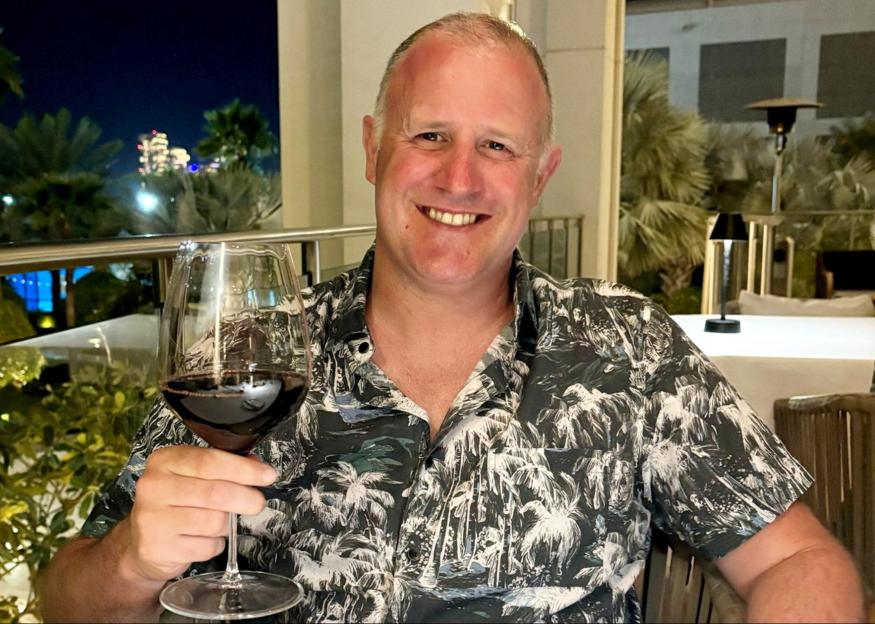 Gavin White suddenly realised he was suffering from “unquenchable thirst” in 2023 Credit: Brain Tumour Research / SWNS
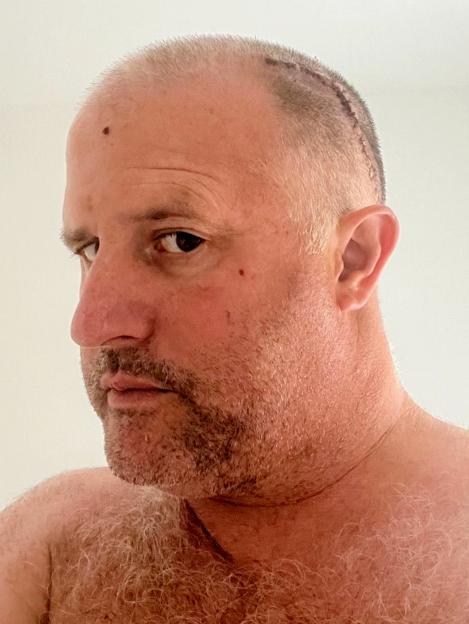 It was only once he was on holiday in July 2023 that he realised something was seriously wrong Credit: Brain Tumour Research / SWNS
He had also developed more frequent headaches, episodes of confusion and occasional blurred vision.
But it was only once he was on holiday with his family in in July 2023, that he knew something was seriously wrong after suddenly having a seizure.
After returning to the UK, scan results at Bedford Hospital revealed the devastating truth – he had a glioblastoma, one of the deadliest types of brain tumours.
Typical treatment plans for the ‘aggressive’ cancer—which strikes around 3,000 Brits each year—sees patients have surgery before chemo and radiotherapy.
This is still the same way it was treated in the early 2000s.
Doctors gave him between six and 14 months to live.
But, after he was transferred to Addenbrooke’s Hospital in , where he underwent treatment including an awake craniotomy, radiotherapy and chemotherapy, his tumour is currently stable.
An awake craniotomy is a neurosurgical procedure that removes brain tumours near critical, “eloquent” brain areas that control speech, movement, or vision.
Now almost three years later he has raised over £100,000 for Brain Tumour Research and lives “scan to scan”, in the hope his tumour won’t grow.
Recalling his traumatic ordeal, Gavin, the founder of automotive Autotech Group, said: “Everything happened so quickly.
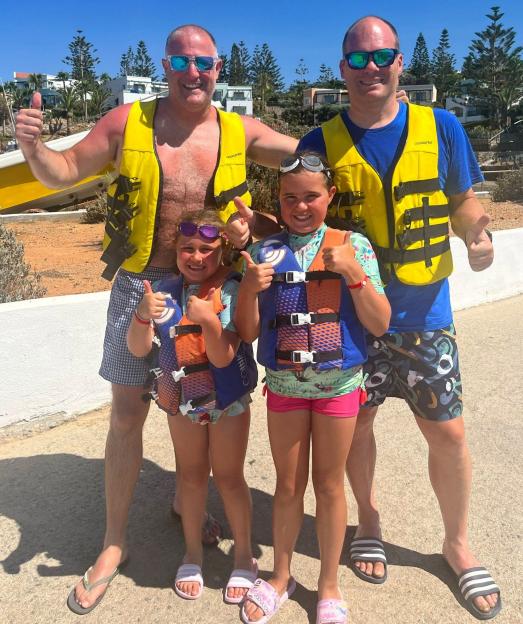 Pictured, Gavin on holiday with his family in Greece Credit: Brain Tumour Research / SWNS
“I was told I had a brain tumour and that I would only have between six and 14 months to live.
“It was pretty blunt, but I never give up and do what I can to stay positive and raise for research.”
He added: “I pretty much live my life in three-month segments from scan to scan because I always know there’s a strong chance this will come back at some point and it could kill me.
“I just take every day as it comes and try to be as positive as I can.”
Diagnosed patients usually undergo surgery to remove as much of the tumour as possible.
This is followed by daily radiation and chemo for around six weeks, after which the drugs are scaled back.
Radiation can be then used to destroy additional tumour cells and treat those who are not well enough for surgery.
But the cancer can double in size in just seven weeks.
Gavin has since thrown himself into raising vital funds to help glioblastoma research and finding a cure.
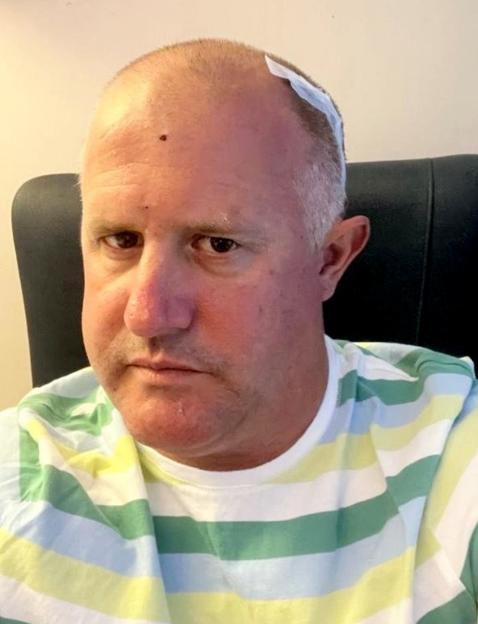 Scan results at Bedford Hospital revealed he had a glioblastoma Credit: Brain Tumour Research / SWNS
He raced in the this weekend and last year also tackled the Marathon, which he said helped him through his treatment.
“Up until my diagnosis I had no desire to do a marathon, but then I thought, ‘Why not?’,” Gavin said.
“It keeps me mentally occupied and physically fit while going through treatment, and I was lucky enough to have a group of friends who would come out on runs with me.
He added: “I ran the Milton Keynes Marathon in May 2025 and really enjoyed it, but the pinnacle is London.”
“When I was diagnosed, everything I heard about brain tumours was doom and gloom but now things are moving at pace.
“Researchers are really trying to find a way around this, but ultimately it’s all about money.
“The more money and time you can throw at something, the more likely you are to find a solution to the problem.
“Other cancers have benefitted from increased funding so now it’s time brain tumours received more.
“Being connected to Brain Tumour Research is a big part of my life now.”
To date, his GoFundMe page has raised more than £3,500.
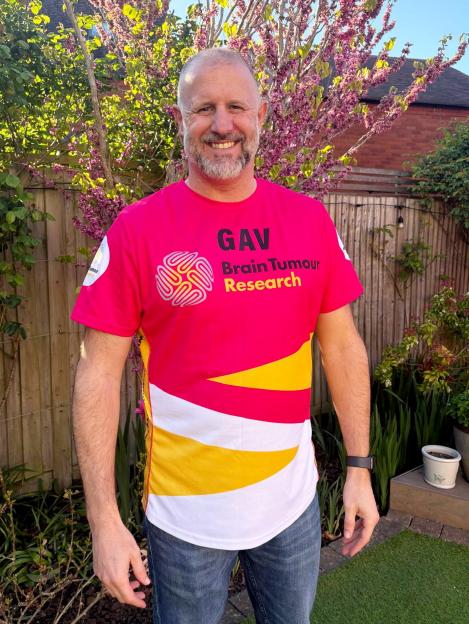 He raced in the London Marathon this weekend and last year also tackled the Milton Keynes Marathon Credit: Brain Tumour Research / SWNS
Carol Robertson, national events manager at Brain Tumour Research, said: “Gavin’s determination to take on the London Marathon is truly inspiring.
“Brain tumours are indiscriminate and devastating, and stories like Gavin’s highlight why greater investment in research is so urgently needed.
“We are incredibly grateful to Gavin for turning his experience into action and helping us raise vital funds and awareness as we work towards finding a cure.”
Average survival time for glioblastoma is between 12 and 18 months, according to the Brain Tumour .
Only five per cent of patients survive five years, it says.
The disease killed the Labour politician in 2018 and last year.
In March 2022, The Wanted singer also died following an 18-month battle with stage four glioblastoma.
What are the symptoms of glioblastoma and how soon do they show?
Glioblastomas are the most common brain tumour in adults, while also being very aggressive and deadly.
Brain Tumour Research says tumours increase pressure in the skull, causing headaches.
Symptoms to look for are:
- Headaches
- Loss of appetite
- Nausea and vomiting
- Loss of balance
- Mood swings
- Problems speaking
- Problems with memory or concentration
- Seizures
- Impaired vision
The can initially be quite non-specific, meaning they could be mistaken for lots of other conditions- even stress or a hangover.
The brain controls so many different functions that symptoms can vary greatly depending on where in the brain the tumour is.
Glioblastomas are very fast growing. Once found, experts can see them double within seven weeks.
But, according to Dr Stephen Bagley, assistant professor of medicine at Penn Medicine , the first spark of glioblastoma in the brain remains something of a mystery to medical experts.
One study concluded that a glioblastoma starts growing 330 days on average – almost a year – before a diagnosis.
Another found that there are changes in immune function up to five years before a diagnosis, with markers in blood samples – but symptoms only occur three months prior.