HOLIDAYMAKERS in the Caribbean have been hit by a surge in tropical virus infections that can make the body fold in on itself.
Chikungunya is a that causes and and can leaves some victims riddled with .
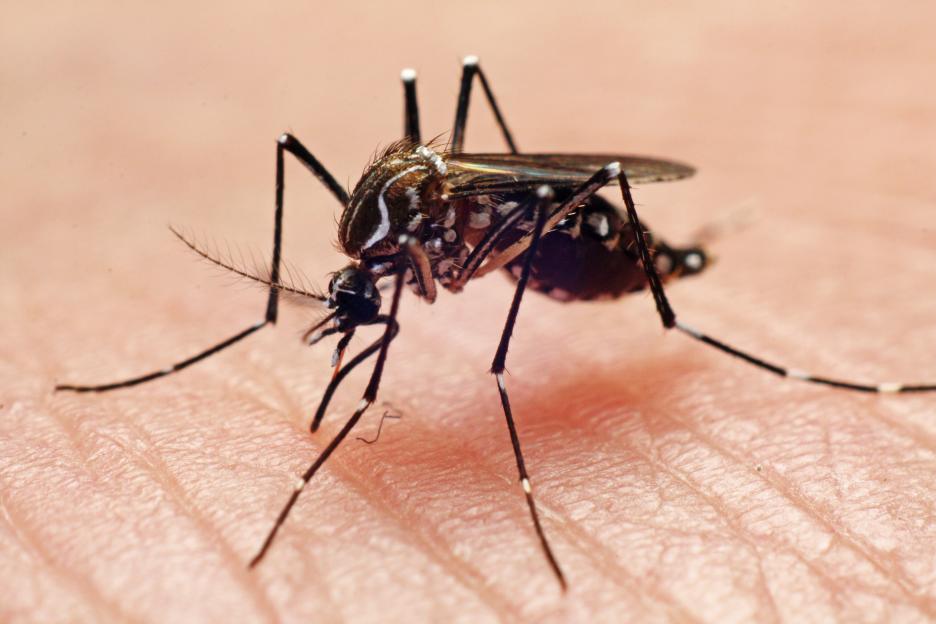 Chikungunya is a mosquito-borne disease that causes crippling joint pain Credit: Getty
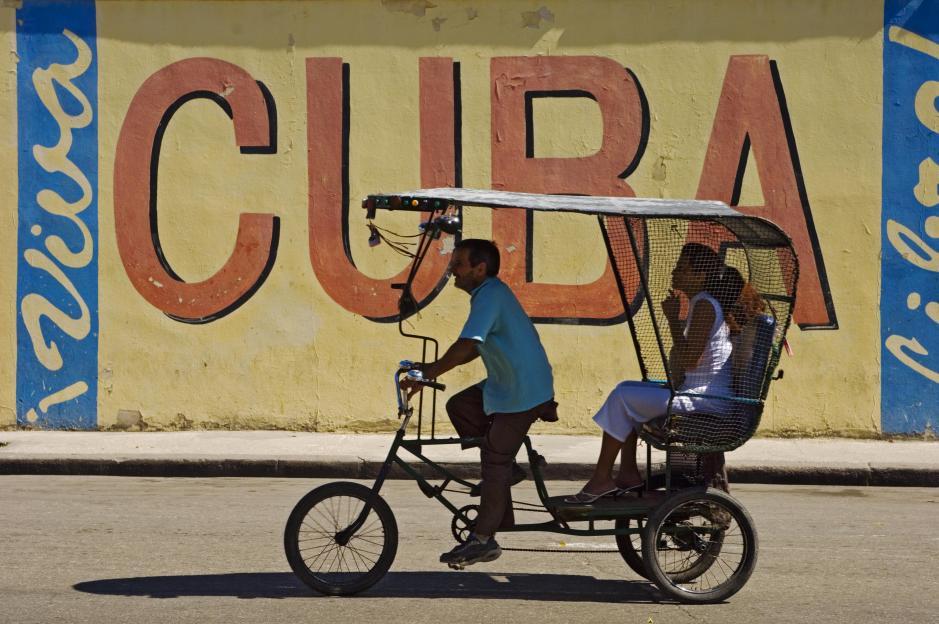 Officials have been spooked by the unusually high rates of the illness in Cuba Credit: Getty – Contributor
More than 100 people who travelled to Cuba between September and January have been struck down with the virus.
officials have been spooked by the unusually high rates of the illness.
Just 10 infections were traced back to the popular holiday destination between 2005 and 2020, figures show.
Writing in the journal Eurosurveillance , researchers said: “The detection of 111 infections in international from Cuba within a 4-month period contrasts sharply with preceding years, when there were only 10 Cuba travel-associated chikungunya cases reported to GeoSentinel since its introduction in the country.”
According to the research, travellers were aged 53 on average and the majority (55 per cent) were female.
Just under half (49.6 per cent) were tourists, while more than a third (34.3 per cent) were visiting friends and relatives.
People had stayed for 20 days on average in country and most fell ill during their stay in Cuba or on their return journey.
reported the most cases at 50, followed by with 29.
and , meanwhile, logged seven and six cases respectively.
, and the US all reported three cases each, with , Czechia and the Netherlands logging two each.
One case was also recorded in , Sweden and .
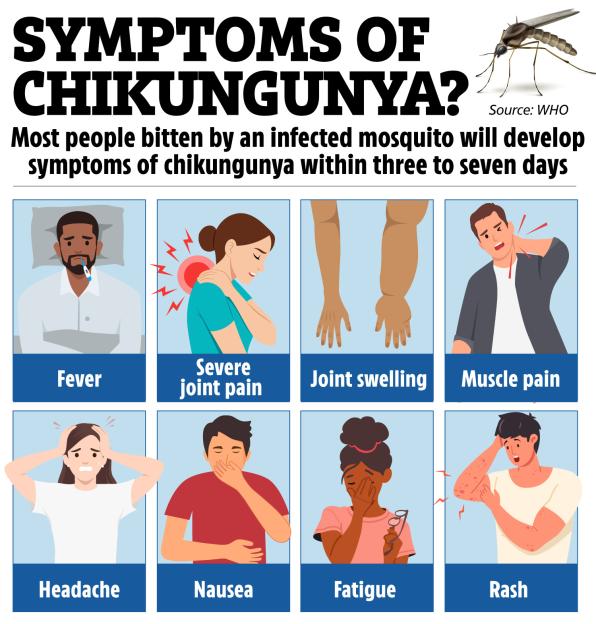
Chikungunya causes a sudden onset of fever and agonising joint pain, particularly affecting the hands, wrists, ankles and feet.
The illness causes similar symptoms to dengue, including muscle aches, a sore head, nausea, fatigue and a rash.
However, severe illness is rare.
Chikungunya was first spotted in Tanzania in the 1950s and has since been identified in more than 60 countries in Asia, Africa and South America.
Transmission in was first reported in in 2007, when around 200 human cases were spotted.
A later 2017 outbreak hit 400 people in .
Research suggests average temperatures need to hit 20C for chikungunya transmission.
According to the alert in Eurosurveillance, all 111 patients reported at least one symptom.
Some 107 suffered joint pain, while 92 recorded being struck down by a fever or chills.
More than a third of all patients also saw a rash emerge.
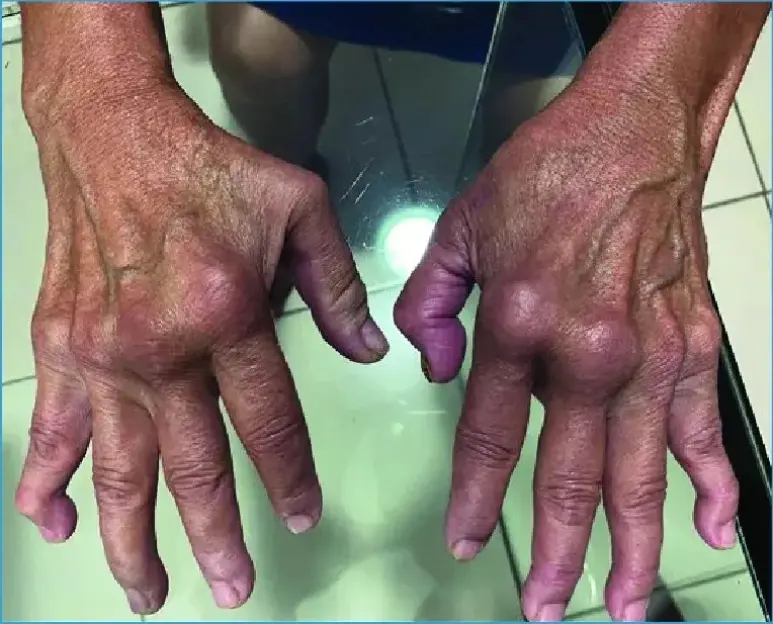 Patient with joint deformities of the hands 6 years after confirmed chikungunya virus Credit: SehatHub
Writing in the journal, researchers said: “From a clinical and public health perspective, this outbreak is noteworthy given relatively limited chikungunya activity in the since the 2014–2015 epidemics.”
The epidemic was the first recorded outbreak of the disease outside of tropical Africa and Asia.
By July 2014 there were an estimated 355,000 cases in the Caribbean, with 25 Caribbean countries confirming at least one case by August.
In late 2014, Public Health – now known as the UK Health Security Agency – said it was aware of at least 197 cases in Brits in 2014, with 162 associated with travel to the Caribbean.
“These findings underscore the importance of accurate diagnostics in settings such as Cuba, where multiple arboviruses, including dengue and Oropouche viruses, co-circulate,” the researchers added.
“This outbreak’s implications extend beyond the country of exposure, particularly for , which reported the highest number of cases.
“Although no transmission has been documented in Spain to date, recent locally acquired dengue cases indicate that ecological conditions for arboviral transmission [transmission through bites of infected insects] are already present.”
Chikungunya: Signs and symptoms
Chikungunya is a disease caused by the chikungunya virus, which spreads to humans through infected mosquitoes.
Major outbreaks and scattered cases have been reported across the Americas, Asia, and Africa.
Now, with smaller flare-ups starting to appear in Europe, it’s important to be aware of the symptoms.
Not everyone infected with chikungunya will show symptoms, but for those who do, symptoms typically begin 4 to 8 days after the bite of an infected mosquito and include:
- Sudden onset of high fever
- Severe joint pain (often debilitating)
- Joint swelling, especially in the hands, wrists, ankles, and feet
- Muscle pain
- Headache
- Nausea
- Fatigue
- Rash
Most patients recover fully from chikungunya infection, although occasional cases can involve serious complications affecting the eyes, heart, or nervous system. Some can also be left with deformities.
Newborns infected either during delivery or by mosquito bites shortly after birth, and older adults with underlying health conditions are at higher risk of severe disease.
In such cases, hospitalisation may be necessary due to the risk of organ damage and even death.