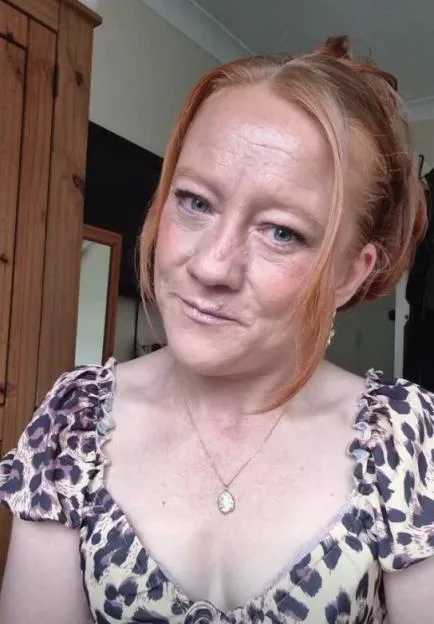
A MUM has been left with no teeth and unable to eat after spending £18,000 on bungled dental treatments in Turkey – which saw her rushed to hospital battling a life-threatening infection.
Jackie Lynn first flew to for a £3,000 composite bonding treatment in March 2025 to repair damage to her “crumbling” .
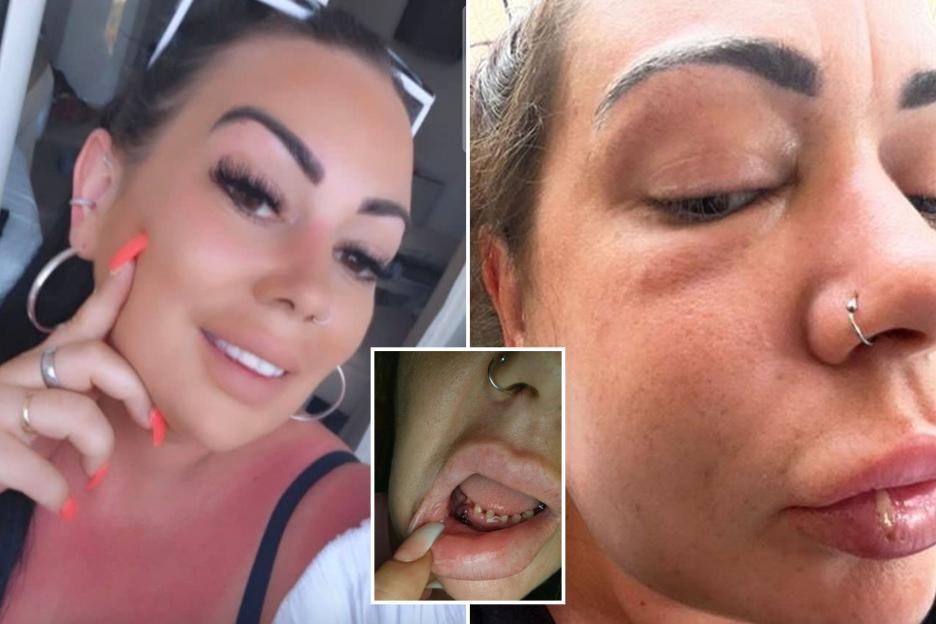
 Jackie Lynn, 38, has been left with no teeth after a series of bungled dental treatments in Turkey Credit: Kennedy Newsand Media
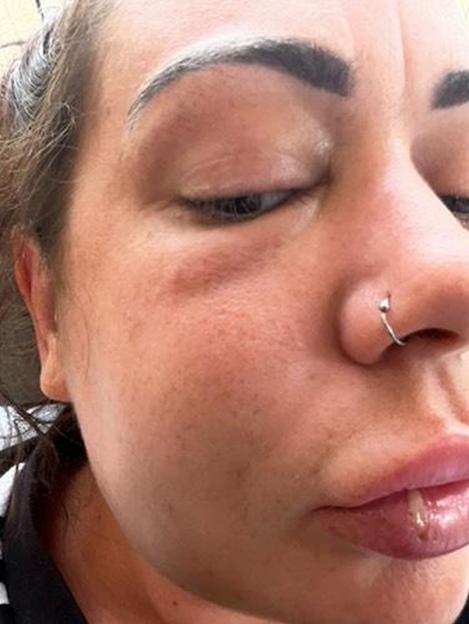 Jackie developed a dangerous blood infection after her mouth got infected following the procedures Credit: Kennedy Newsand Media
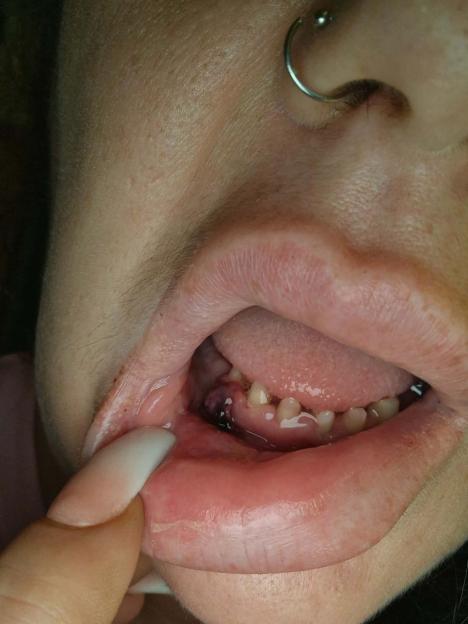 Jackie was later told her teeth had been shaved down too much and she had to have them all removed Credit: Kennedy Newsand Media
Initially the mum-of-one was pleased with the results but within a couple of months Jackie claims the bonding began to crack, forcing her to jet back to Turkey in August 2025.
Jackie claims during the £6,000 procedure an eye-watering 15 were performed instead of the agreed three.
After developing a dangerous blood infection that made her face swell up and her eye turn black, the 38-year-old was told she’d need to have all her .
Jackie from Norwich in Norfolk, said: “I was thinking ‘what the hell have I done?’.
“I was so upset. I’m 38 years old, I shouldn’t be losing all my teeth.”
Jackie had 12 implants put in and a set of temporary teeth fitted, spending £18,000 in total.
With her mouth still healing, the mum is only able to eat soft foods like yoghurt and mashed potato.
As a result, she’s lost one-and-a-half stone, dropping from a dress size 12 to an eight.
Jackie hopes to get a permanent set of teeth fitted in August, once her implants have healed.
She’s now urging others to do their research before getting their teeth done abroad.
The mum said: “After I had my daughter, I suffered from (PMDD) so I had to have both ovaries removed.
“My teeth had started to crumble and were very weak because of the lack of hormones.
“The first thing I decided to do was to go to Turkey to have composite bonding as I wanted to avoid the full crowns if I could help it.”
Dental bonding involves attaching resin to teeth to fill in chips, fractures or gaps.
 Jackie was left with ‘crumbling’ teeth after having her ovaries removed Credit: Kennedy Newsand Media
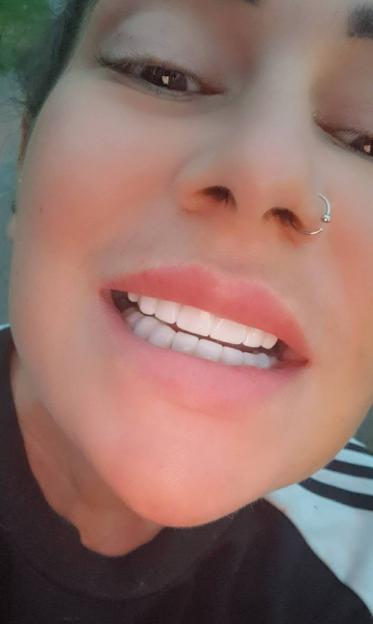 The mum was initially happy with the results of her bonding treatment Credit: Kennedy Newsand Media
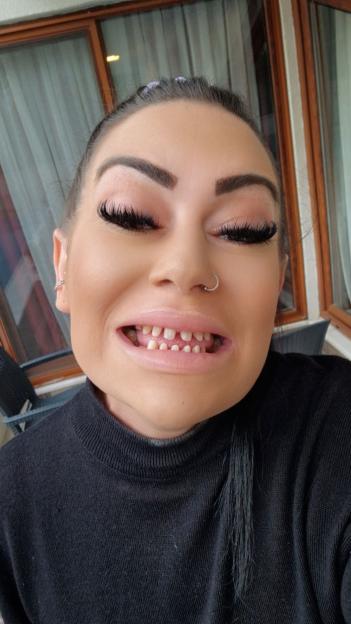 But she soon noticed issues and flew back to Turkey to have her teeth fixed Credit: Kennedy Newsand Media
Meanwhile, crowns involve placing tooth-shaped ‘caps’ over damaged gnashers.
“I was happy with the end result for a while until the bonding started cracking off my own teeth,” Jackie said.
“I went back to Turkey and decided I was going to get crowns in August [at a different clinic].
“I got sedated and when I awoke, I was in absolute agony. It turns out they had done 15 root canals on me without my permission.
“I was in horrendous pain, it was a pain that shot through your whole body.
“They hadn’t even done individual crowns, they had just put full bridges on, which again isn’t what I had agreed to.”
Dental bridges involve replacing a damaged tooth with a false one, which is bonded to the natural teeth on either side of the gap.
“The pain was unreal. Within a week I was back [in Turkey],” Jackie recalled.
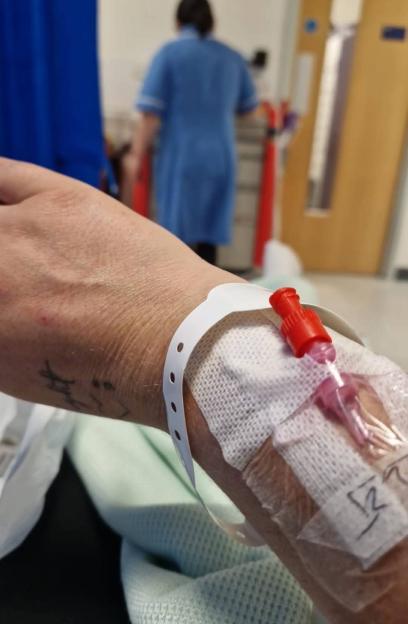 Jackie ended up in hospital with a blood infection Credit: Kennedy Newsand Media
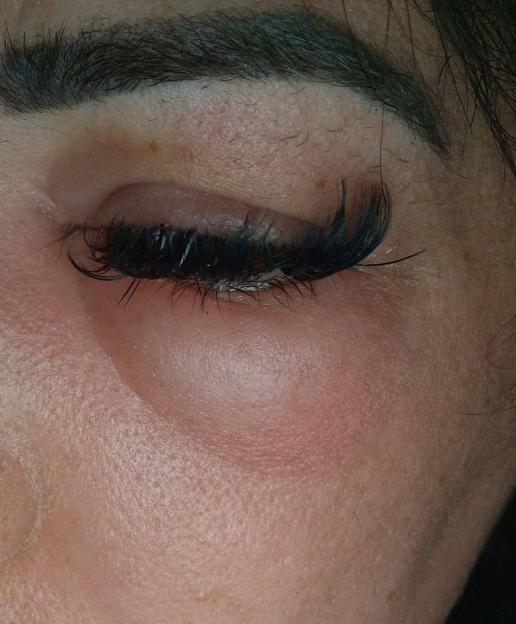 Her face swelled and her eye went black Credit: Kennedy Newsand Media
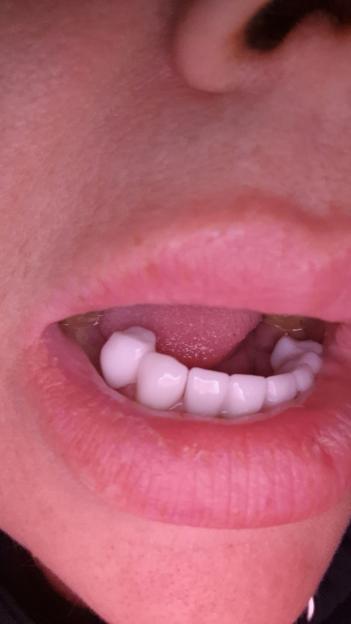 Jackie had to have her teeth taken out and implants inserted Credit: Kennedy Newsand Media
Jackie claims she’s had to borrow around £18,000 from her dad to pay for the treatments, accommodation and flights to and from Turkey.
The mum says she’s also been in and out of hospital in the UK due to the pain in between procedures.
Jackie said: “There was one night when I was in so much agony and felt so unwell we called an ambulance and I was taken in and put on a drip.
“I was told I had a blood infection. All of the side of my face had swollen up and I couldn’t see out of my eye as it was swollen and black.
“The infection had started in two abscesses at the bottom of the teeth and then it has spread through my face into my sinuses and into my blood.
“[Back in Turkey], they said all my teeth needed to come out.
“I’d gone from thinking I was going to get my crowns fixed and everything was going to be okay, to [being told] my teeth had been shaved down too much, the bridges won’t sit on them and the whole lot needed to come out.”
Now waiting for her sore mouth to heal, Jackie says her teeth treatment disasters have left her with emotional as well as physical scars.
She said: “I’m sure I’ve got . I’ve lost months of time with my daughter and I lost my job.
“I’ve just been really down and depressed and it’s just been too much.
“I now owe my dad £18,000. I can only eat very soft food while the implants heal and you can’t put any pressure on them.”
She’s now raising awareness about her own Turkey teeth experience and urging others to do their research.
Jackie said: “I don’t think it’s Turkey that’s the problem.
“The issue we have is the UK is in such a crisis that people are having no choice but to find cheaper dental treatment.
“My treatment wasn’t purely cosmetic, I did it as I had problems with my teeth.
“I think people that are wanting purely cosmetic really need to do their research as it’s just not worth it.
“I didn’t get a quote [from a UK dentist] but I know I was looking at the £20,000 mark, which is probably what I’ve spent now.
“I could have got it done [in the UK] and avoided this pain.”
Eddie Crouch, chair of the British Dental Association, said: “Dentists are aware that many people are struggling to access care and may be tempted to go overseas for cut-price treatment.
“We advise people to think carefully before booking any treatment abroad and to do their research.
“Patients need to provide informed consent for any treatment they have and be wary of a hard-sell, as the reality is rarely as simple as it appears on .
“Sadly, many UK dentists are now picking up the pieces when things go wrong.”
What are the dangers of getting surgery abroad?
IF you’re thinking about having medical treatment in another country, it’s important to understand how it works and the risks involved.
Going for medical treatment abroad is not easy and a GP or NHS England can only do so much to help you.
You’ll have to make the arrangements yourself, including finding a healthcare provider and making all the travel arrangements.
This means it’s important to do some research and gather enough information to make an informed choice.
You should consider:
- any language barriers
- whether you know enough about the people who’ll treat you and the facilities available
- communication between medical staff abroad and in the UK, such as exchanging medical records and arranging aftercare back home
- how to make a complaint if things go wrong – the NHS is not liable for negligence or failure of treatment
You’ll need to be aware of how your aftercare will be provided when you return home and understand the conditions under which you’ll be treated abroad.
You should also ensure you have adequate insurance. Most travel insurance policies will not cover you for planned treatment abroad, so you may need specialist cover.
Follow the treatment abroad checklist from the NHS:
- Think about your reasons for going abroad: Make sure your decision is based on the quality of the medical care you would like to receive and not on how appealing the destination seems for a holiday.
- Know the warning signs: Think carefully before booking any treatment abroad if there is a hard sell, lack of information, pressure to make a quick decision, no discussion of possible complications, and no mention of aftercare.
- Get a second opinion: A doctor can give you a valuable second opinion as well as advice about treatment options and whether it’s necessary.
- Do your research: Have you checked the qualifications of the medical team treating you? Have you been able to ask them questions about your treatment? Are you satisfied with the facilities and standards at the clinic or hospital where you’ll be treated?
- Check if you can get funding for treatment abroad: Before considering paying for treatment abroad yourself, find out if you’re eligible to receive funding for planned treatment in Europe .
- Aftercare and possible side effects or complications: Make sure you understand the possible complications and side effects that could arise from your treatment.
- Do the maths: If your main reason for going abroad is to save money, make sure you’ve factored in fluctuating exchange rates, the possibility of extending your stay if necessary and the cost of possible return trips.
- Check you’re sufficiently insured: Before travelling abroad for treatment make sure you have appropriate travel insurance and tell your insurer about your plans to have treatment abroad.
Source: NHS