Table of Contents
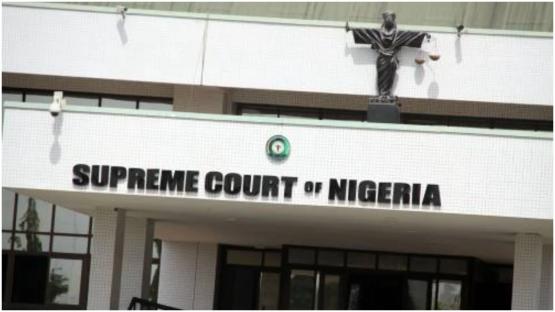
The Supreme Court, in a divided ruling on Friday, dismissed a lawsuit filed by the Osun State Attorney General against the Attorney General of the Federation (AGF) regarding withheld local government allocations.
The apex court determined that the Osun State Attorney General and Commissioner for Justice lacked the legal standing to initiate the case on behalf of the 30 local governments in the state.
The court ruled that those who won the local government elections and have been sworn in are the appropriate individuals who can sue and be sued directly.
In its judgment on Friday, the Supreme Court concluded that the federal government acted unlawfully by withholding local government funds, stating that this action constituted a serious violation of the 1999 Constitution.
Justice Mohammed Baba Idris, who delivered the lead judgment, remarked that the federal government’s decision to unjustly seize the funds was improper and urged it to ensure that the funds are directly transferred to local accounts.
The Court dismissed the AGF’s claims of contempt against Osun, stating that he was in greater contempt for failing to disburse the funds as mandated by law.
Justice Idris noted, however, that since there was no evidence indicating that the Osun Attorney General was authorized by the local governments, he should not have filed the case on their behalf.
In a dissenting opinion, Justice Emmanuel Akomaye Agim disagreed with the other six justices, asserting that the Osun Attorney General had the right to bring the case.
Justice Agim criticized the federal government's actions in withholding local government funds, describing it as detrimental and potentially crippling to the operations of the councils.
Frequently Asked Questions
What was the outcome of the Supreme Court ruling regarding local government allocations?
The Supreme Court dismissed the lawsuit filed by the Osun State Attorney General against the Attorney General of the Federation concerning withheld local government allocations.
Did the Osun State Attorney General have the right to file the lawsuit?
The Supreme Court ruled that the Osun State Attorney General did not have the legal standing to file the lawsuit on behalf of the local governments.
What did the court say about the federal government’s actions?
The court stated that the federal government acted unlawfully by withholding local government funds, which was a serious violation of the 1999 Constitution.