THE son of Wales and Man Utd legend Mark Hughes tragically died from sudden adult death syndrome (SADS), an inquest has heard.
Alex Hughes, 38, worked as the player recruitment lead at the side , with his passing shocking the world.
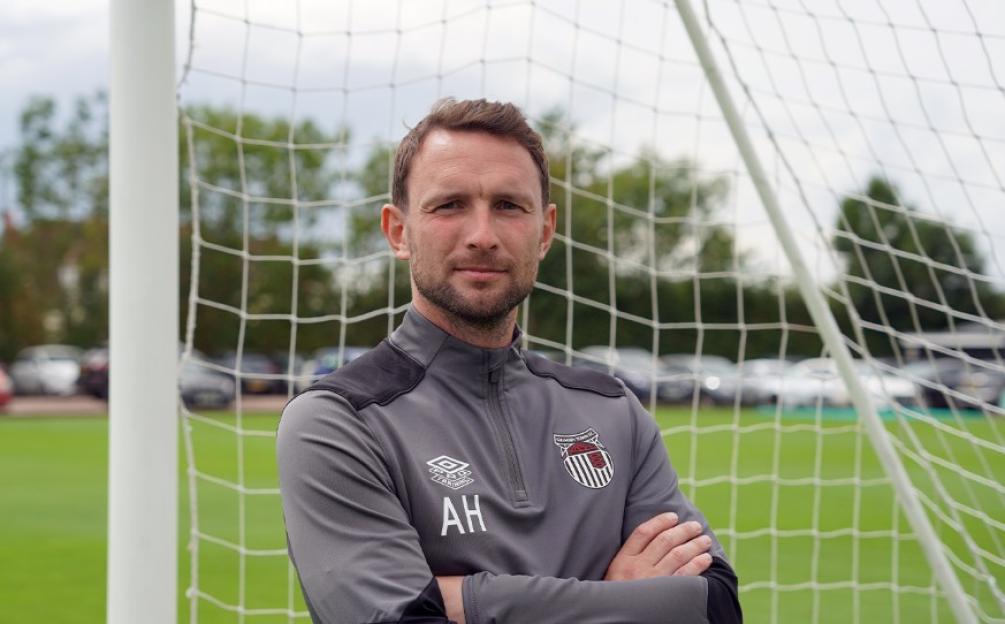 Alex Hughes died suddenly in June, aged just 38 Credit: Grimsby Town FC
Dubbed the “invisible killer”, the condition can strike at any age and even affects those who are fit and athletic.
SADS, which claims 500 lives every year in the UK, describes when someone dies suddenly and unexpectedly from a cardiac arrest but it’s not clear what the cause was.
At an inquest into Alex’s tragic death, it was revealed he died after collapsing on the floor of his bedroom in his home.
He was found by his two sons at his home in Prestbury, Cheshire at around 7am, with his eldest carrying out CPR.
Two-times Premier League winner , 62 said his family was “totally heartbroken” by Alex’s sudden death on June 19.
Legendary Sir Alex Ferguson led mourners as footballing figures packed into St Peter’s Church in Prestbury, Cheshire, to pay tribute last month.
It is not known exactly what causes SADS but in some cases may be linked to an underlying genetic disorder which runs in families.
It usually happens when a dangerously abnormal heart rhythm goes untreated and leads to a cardiac arrest. These abnormal heart rhythms are called arrhythmias .
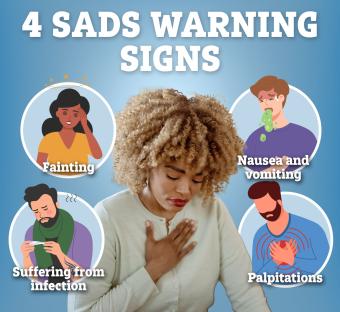
In fresh research last year, Swedish scientists also identified four key warnings signs that commonly appear in the days before – in the hopes of catching the sudden cardiac event early and preventing premature deaths.
Dr Matilda Frisk Torell of Sahlgrenska Academy at University of Gothenburg in , said: “SADS has not been well evaluated despite being one of the most common underlying causes of in young people, including young athletes.
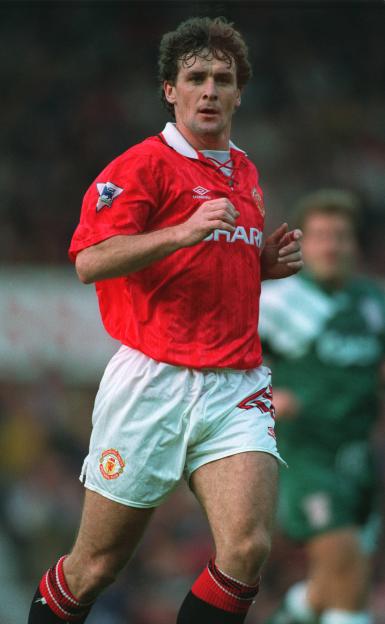 His dad Mark had a distinguished playing career with United, Barcelona, Bayern Munich and Chelsea Credit: Alamy
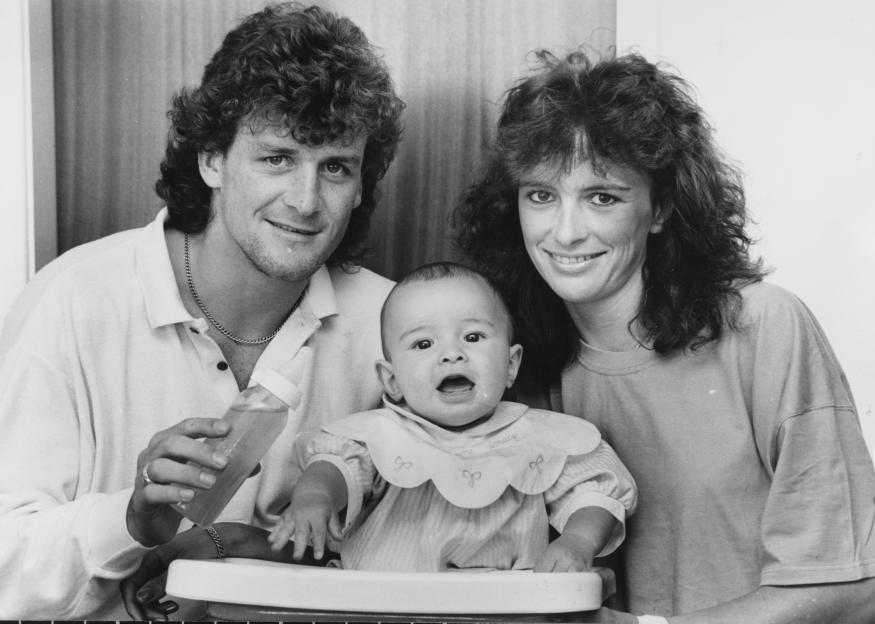 Mark with wife Jill and son Alex in 1988 Credit: News Group Newspapers Ltd
“We conducted an analysis of a large cohort of cases of sudden cardiac death in to describe the incidence of SADS and to characterise frequent findings that occurred before death to highlight opportunities for prevention.”
In the study, researchers assessed 903 cases of sudden cardiac deaths that occurred in young people aged between one and 36 years in Sweden between 2000 and 2010.
SADS was found to have been the cause of 22 per cent of these sudden cardiac deaths.
Around half (52 per cent) of the people who passed away from SADS experienced symptoms beforehand:
These included:
- Nausea and
- Signs related to suffering from an infection
Thirty three per cent of the SADS patients had been previously visited A&E or been hospitalised 180 days before their death.
Fainting episodes were behind 4.2 per cent of SADS’s sufferers hospitalisations.
Meanwhile, 3.5 per cent of them were treated for convulsions, also known as seizures.
Only 11 per cent had previously been diagnosed with heart rhythm issues and 18 per cent of them had ECGs that revealed some sort of heart condition.
A condition called pre-excitation – where part of the cardiac ventricles are activated too early – was the most common finding.
In total, 17 per cent had been diagnosed with a psychiatric condition and 11 per cent had been prescribed drugs for it.
Dr Frisk Torell said: “With increased knowledge of the signs and symptoms that may precede SADS, such as [fainting], seizure-like episodes and pre-excitation, we may be able to identify young people at risk during healthcare visits.
“Our results also highlight the need for further study of psychiatric disease and treatment as risk factors for SADS and the potential for gastrointestinal symptoms and to act as triggers in predisposed individuals.”
Heart attack vs cardiac arrest
A heart attack is not the same as a cardiac arrest.
A heart attack is when one of the coronary arteries becomes blocked. The heart muscle is robbed of its vital blood supply and, if left untreated, will begin to die because it is not getting enough oxygen.
A cardiac arrest is when a person’s heart stops pumping blood around their body and they stop breathing normally.
Many cardiac arrests in adults happen because of a heart attack. This is because a person who is having a heart attack may develop a dangerous heart rhythm, which can cause a cardiac arrest.
A heart attack and a cardiac arrest are both emergency situations.
A cardiac arrest is caused by a dangerous abnormal heart rhythm, which happens when the electrical system in the heart isn’t working properly.
Not all abnormal heart rhythms are life-threatening, but some mean that the heart cannot pump blood around the body.
If someone is in cardiac arrest, they collapse suddenly and:
- will be unconscious
- unresponsive, and
- not breathing or not breathing normally – this may mean they’re making gasping noises.
Without immediate treatment, the person will die.
If you see someone having a cardiac arrest, phone 999 immediately and start CPR.
Source: NHS