
"Seven Items You Can't Put in Caddy Bins: New Rules in Effect—Disregarding Them Could Mean Your Bin Won't Be Emptied!"
HOUSEHOLDS are being urged to check what they are placing in food caddy bins as disposing of the wrong items could mean it won’t be emptied. As the delayed rule...
 Written byEze Chidiebere Paul
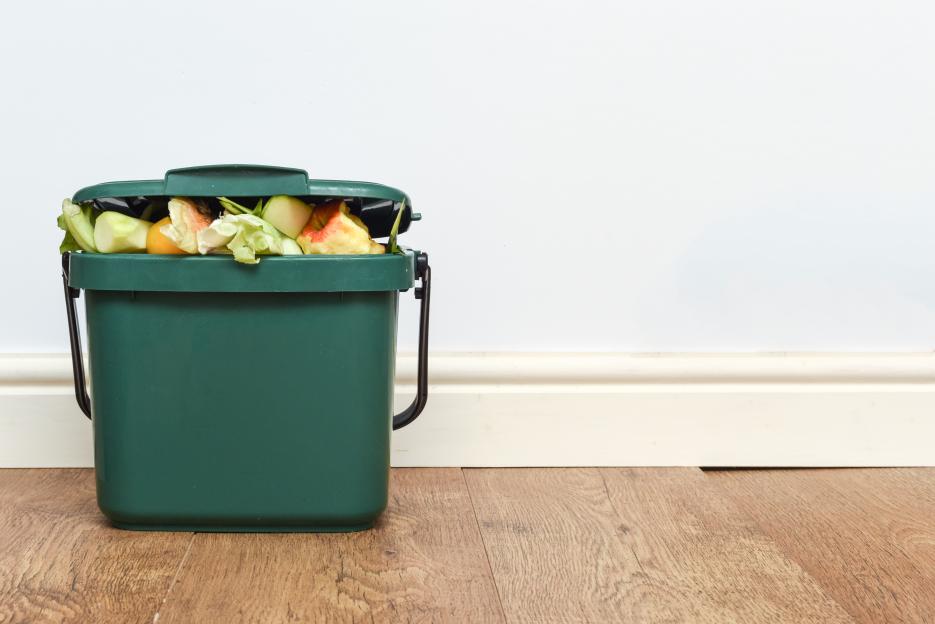
HOUSEHOLDS are being urged to check what they are placing in food caddy bins as disposing of the wrong items could mean it won’t be emptied.
As the delayed rules continue to be rolled out by various councils, there are seven items that are banned from food waste collections.
Households are reminded not to put banned items in food caddy bins Credit: tagphoto
As part of the government’s , food waste must be collected weekly from households across England.
The new rules were meant to come into force in March this year; however, a BBC investigation found that many councils did not meet this deadline.
Around half of all local authorities were not previously collecting food waste once a week before the new legislation was introduced, but the new rules are now set to be rolled out to all councils across the country.
Most councils will accept a range of scraps in the bins, including fruit and vegetable peelings, eggshells, coffee grounds, and bones.
However, there are restrictions on what items can be placed in a food waste caddy.
Placing the wrong items in your small bin means it will not be collected.
List of items that cannot be placed in a food waste caddy:
- Packaging
- Oils
- Liquids
- Animal Waste
- Bedding
- Flowers
- Non-food items
It is optional to use a bin liner in the separation of food waste, but it is an easier way of emptying the caddy and helps to keep it clean.
Some local authorities do provide biodegradable bin liners free of charge although this is not a requirement.
Many residents will need to buy their own and ensure they are the right type of bag for food caddy collection.
The does not recommend using liners that are “fossil-based biodegradable plastic” or “fossil-based compostable plastic”.
Households are not legally required to use food caddies; however, it is strongly advised by local authorities to separate food waste.
Separating food waste has been rolled out across England as it helps to reduce food in landfill.
Food scraps can also be recycled through a process called anaerobic digestion, which converts the leftover waste into renewable energy and fertiliser.
Continue reading
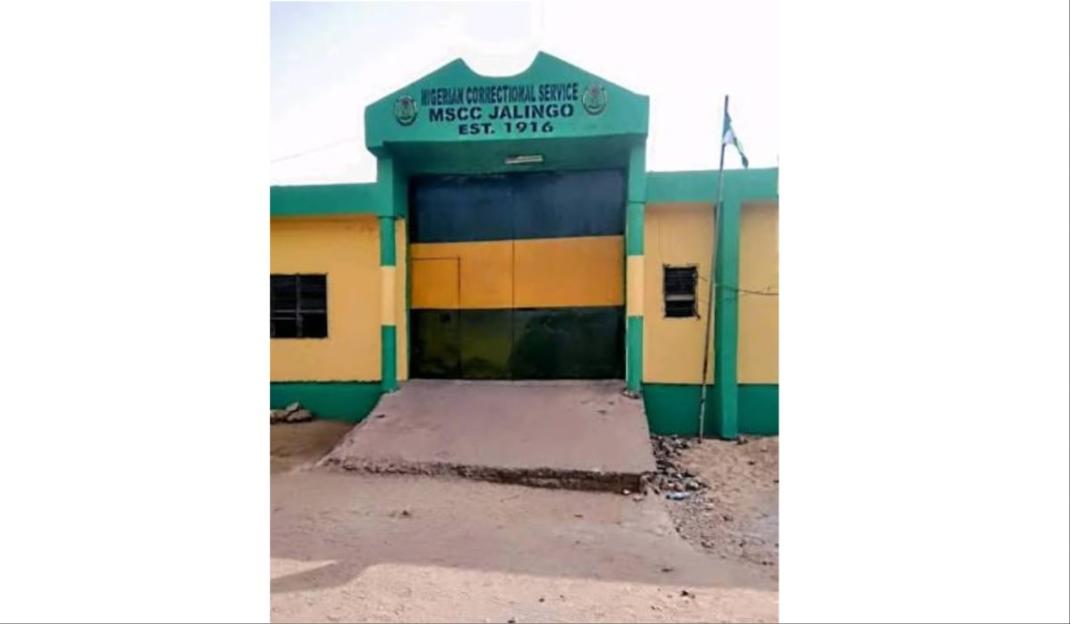
Taraba moves to decongest Jalingo Custodial Centre, considers amnesty for deserving inmates
The Taraba State Government has commenced moves to decongest the Jalingo Medium Security Custodial Centre, with plans to recommend deserving inmates for amnesty...

David Lammy urged to stand as Labour’s candidate for London Mayor after being sacked as deputy PM
DAVID Lammy is being urged to be Labour’s candidate for London Mayor after he was sacked as deputy PM. insiders said they have launched a campaign to “woo” the...

Bombshell plans to ABOLISH hated inheritance tax drawn up by Kemi Badenoch to take fight to ‘weak on economy’ Labour
KEMI Badenoch plans to abolish inheritance tax if the Tories win the next general election. The leader is hoping to announce the plan in her big party conferenc...

Gateway Air ready to airlift hajj pilgrims — Abiodun
Ogun State Governor, Prince Dapo Abiodun, has expressed the readiness of Gateway Air, the state-owned airline, to airlift not only Ogun pilgrims to the Kingdom...