ENDING the call to her cardiologist, Sam Adams felt shock and disbelief. She’d been in hospital with heart issues and had a CT scan just as a precaution – but medics had found a brain tumour.
It came at the end of several years of extreme stress, including divorce and bereavement – stress she now believes was the root cause of her health problems.
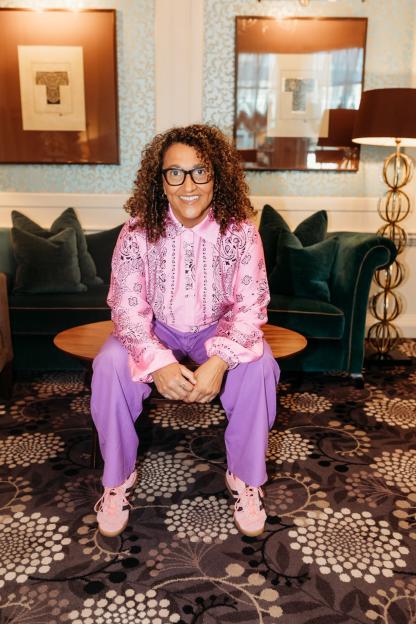 Sam Adams, 58, admits she ended up in a ‘very dark place’ after ‘trying to do everything’ – and she’s not alone Credit: Supplied by Sam Adams
 Nearly 13million women in the UK live with a long-term illness or chronic condition, and it’s rising Credit: Getty
“I was in a very dark place, trying to look after everyone and do everything,” says Sam, 58, from Brighton. “I took on responsibility for everyone, without a thought for my own health.
”I don’t smoke. I don’t drink alcohol. I exercise and eat well. I don’t have any other risk factors, so I now firmly believe this was my body’s reaction to trying to cope with stress.”
Sam is not alone. Millions of women like her are victims of the “sandwich generation”, caring for both children and elderly relatives, often while trying to hold down a job and run a household. And now, experts fear “doing it all” could be severely impacting women’s health.
Nearly 13million women in the UK live with a long-term illness or chronic condition, and it’s rising.*
Alongside this, Carers UK says 42% of those with caring responsibilities report to have issues, and nine in 10 also suffer physical burnout. While this might not directly cause conditions such as cancer – or, in Sam’s case, a brain tumour – it does increase your risk of serious illness by weakening the immune system, promoting chronic inflammation and, in many women, triggering an unhealthy lifestyle.
Dr Amy Vowler, and medical director at Hair GP, explains: “When your body suffers psychological and emotional stress, it triggers your nervous system to release hormones such as cortisol and adrenalin. Short bursts of these are good for your body and help to regulate immunity.
“The problem with women in the sandwich generation is that it’s not just a short burst of stress – it’s chronic stress chipping away at us. This desensitises the immune system and causes an overproduction of inflammatory proteins.
“This is good if you are poorly, but when you are not fighting any type of infection, they accumulate and cause inflammation. Studies have linked inflammation with cardiovascular disease, cancer and , as well as atherosclerosis, where fatty deposits build up in blood vessels and can cause heart attacks and strokes.”
As with many women, Sam’s life was busy but manageable. In 2002, she and her partner adopted twins with complex needs, now aged 27, and she was working in property development, managing 13 buy-to-let properties.
Then, in 2019, her father Roy was diagnosed with . ”Dad’s diagnosis came completely out of the blue,” Sam says. “He’d always been really fit and healthy, and we thought he would be OK after radiotherapy. But as time went on, he developed secondary cancers in his bowel and bones.
“His health deteriorated and seeing him so weak and fragile was difficult. I nursed him at home with my mum Violet. Dad had always been my rock, and the stress of caring for him while holding the rest of my life together was a lot. At the end of his life, I would spend all night at his side. I was exhausted.”
It put a strain on her , and shortly after her 87-year-old dad passed away in July 2020, Sam went through a divorce. It led to financial difficulties and, on top of that, her beloved dog died.
 Carers UK says 42% of those with caring responsibilities report to have mental health issues Credit: Getty
 Experts fear ‘doing it all’ could be severely impacting women’s health Credit: Getty
”They say humans can cope with one or two major things in life, but if there are three, that’s when the bricks come tumbling down,” she says.
Sam felt so stressed that, in February 2022, she booked a solo trip to to unwind. But when she came home, she began feeling unwell with constant headaches.
Her Apple Watch kept alerting her to the fact she had a low heart rate, so she booked an appointment with her GP.
”My blood pressure was through the roof and I felt exhausted,” she recalls.
“A raft of tests revealed that the electrical circuits in my heart weren’t firing properly, causing an abnormal heartbeat.”
During tests to work out what was wrong with her heart, that March doctors performed a CT scan in case her issues were the result of a blood clot – which is when they found the brain tumour.
“It was the last thing I’d been expecting,” Sam says. “I hadn’t been feeling well at all, but I’d never have expected a brain tumour. I just thought I was run-down. It was a huge shock. I didn’t know at that stage how serious it was, and whether I’d live or die.”
Thankfully, further tests revealed the tumour was benign, but doctors have said that if it grows, she will need radiotherapy.
“Later, when I asked the neurosurgeon what I could do to help myself, he said I could go about my normal life, but try to reduce stress – and that stuck with me,” she says.
“At the time, I just carried on managing day to day. When you’re living in it, you just get on with it. Then I saw a therapist, who asked if I’d had a lot of stress in my life. I said no, but once she pointed it all out, I realised she was right.”
In 2025, Sam remarried, and now works hard on managing her stress, and tries to take some time out for herself. She also retrained as a breathwork specialist and high-performance coach, helping others perform under pressure without burning out.
“Breathwork has been really powerful for me,” she says. “I also ride my bike and just try to have a bit of me-time. That doesn’t mean I never suffer from stress – everyone does – but I’ve put measures in place to try to cope.
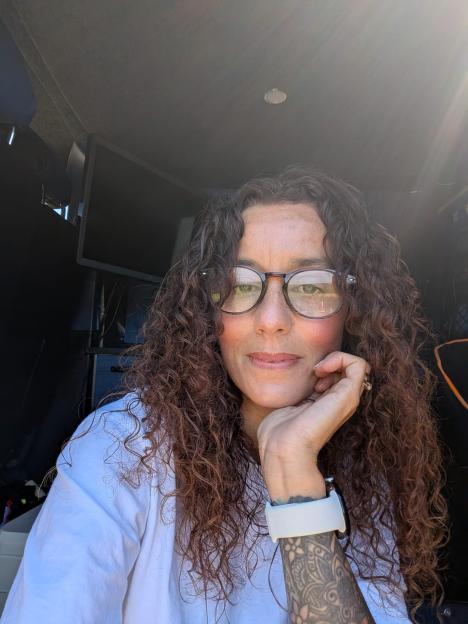 Sherene Snowdon juggles working from home with caring for her husband Lee, 47, who sustained a brain injury six years ago Credit: Supplied by Sherene Snowdon
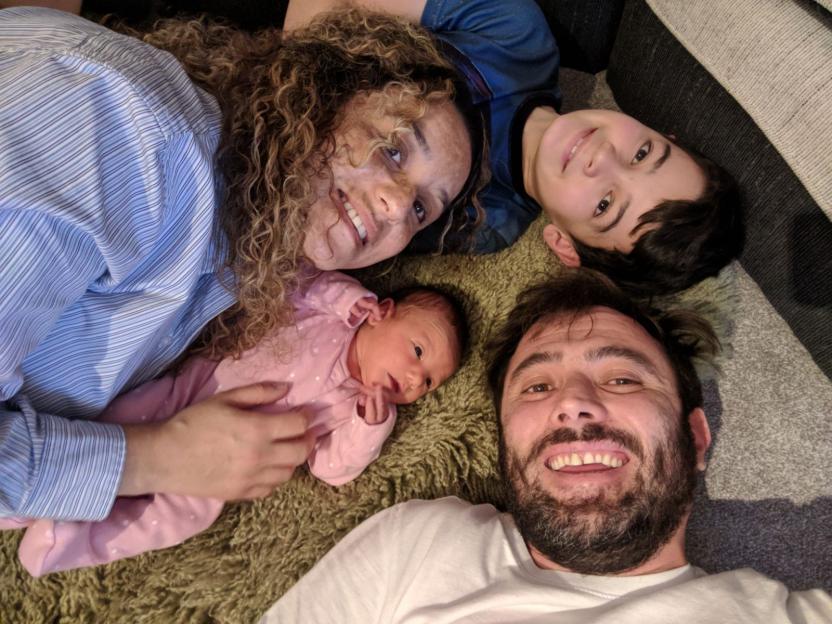 The immense pressure has affected Sherene’s health, causing everything from migraines to anxiety Credit: Supplied by Sherene Snowdon
“I no longer feel guilty for saying no if I can’t do something. I’ve had to learn to put myself first. Lots of women like me are guilty of trying to do too much. We are people-pleasers and take on the weight of the world. But we all have a limit. We have to start prioritising our own health and wellbeing. If we can’t look after ourselves, how are we meant to look after anyone else?”
Dr Vowler says Sam’s story echoes the life of many other women she sees in her consulting room.
“Everyone assumes the woman will be the one doing all the looking after,” she says. “Nurseries will usually phone Mum first and, more often than not, it is daughters who take on caring duties for elderly parents.
“But, eventually, something has to give. More and more, I’m seeing women in both my GP job and at the hair-loss clinic who are burnt out.
“Often, they don’t make good food choices as they don’t have the time to cook from scratch. They don’t have time for exercise. They might turn to or alcohol. And women stop doing things that bring them joy – they give up hobbies as they are too busy chauffeuring kids around or looking after elderly relatives in the evenings and at weekends. All of this is making women ill,” she says.
“Initially, they might suffer from high blood pressure, hair loss or they might become vulnerable to viruses, colds or infections. They might also put on weight or become more sedentary. But over time, they are also putting themselves at risk of much more serious conditions.”
Sherene Snowdon juggles working from home with caring for her husband Lee, 47, who sustained a brain injury six years ago. She is a mum to Jake, 21, and eight-year-old Paige, who has special educational needs.
The immense pressure has affected her health, causing everything from migraines to anxiety.
“Lee suffered a bleed on the brain after falling down some stairs in March 2020, and I became a carer almost overnight,” she says.
“He was placed on end-of-life care and we were told to say our goodbyes. But three weeks later, he was back home. I was told nurses would come and help, but I didn’t see anyone. It was all on me,” adds Sherene, 43, from Gloucestershire, who works full-time as a children’s services practitioner.
“My appetite dropped and I lost a lot of weight. I was deficient in vitamin B12 and my hair was falling out in clumps. I survived on two hours’ sleep a night and I stopped exercising. I wasn’t getting any nutrition into my system and my body went into survival mode as I tried to work full-time, juggling life demands and the children’s needs.
“Not only was I trying to work and look after Lee and the children, but I had financial worries, too, because we went from being a two-income family to surviving on just my salary. Paige can’t go to school, so she is home-educated by a private tutor.
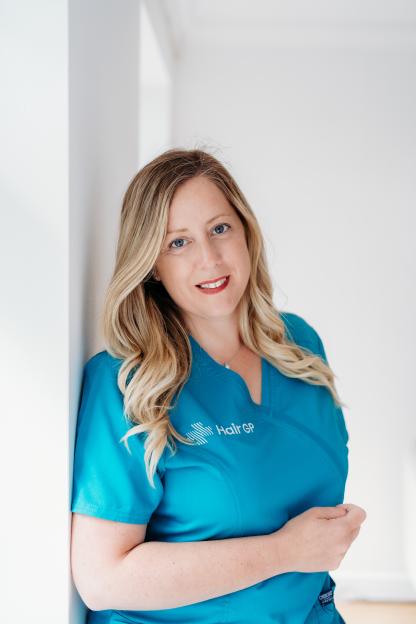 Psychologist Dr Louise Goddard-Crawley believes women often know they are exhausted long before they say so Credit: Hester Barnes Photography & Film
“I’ve got a long list of health issues now, including headaches, migraines, digestive issues, sleep disturbances and anxiety, plus I am constantly battling urine infections.” But Sherene fears the immense stress of her situation will trigger longer-term health issues.
“I know that anxiety can increase the risk of ,” she says. “I need to start looking after myself better, or what use am I to Lee and the kids? Recently, I’ve been eating more healthily and taking a supplement, which has helped.”
Psychologist Dr Louise Goddard-Crawley believes women often know they are exhausted long before they say so. “I don’t think the goal is for women to put themselves first all the time,” she says. “The goal is to stop putting themselves last all the time.
“Looking after yourself is not separate from looking after other people – it is what allows you to continue doing so. Many women spend years believing that self-care is selfish, but in reality it is often the thing that protects both their wellbeing and their relationships.
“It doesn’t have to mean expensive spa days, weekend retreats or adding another task to an already overwhelming to-do list. Often, it starts with much smaller changes. It might be asking for help, rather than automatically doing everything yourself. It might be taking a proper lunch break, leaving work on time or spending 10 minutes doing something that restores you rather than depletes you.
“The goal is not to become less caring. It is to extend some of that same care, compassion and consideration you give others, towards yourself.”
According to Louise, many women are guilty of self-silencing. She says: “This is the tendency to suppress our own needs, feelings, opinions or limits, in order to maintain relationships, avoid conflict or meet the expectations of others.”
She explains that over time, it can lead to exhaustion, resentment and a sense of being invisible. However, for women like Sam, the long-term consequences might have been even worse.
“My brain tumour is now something I’ve got to live with,” says Sam. “I couldn’t have changed many of the things that happened in my life, but I could have spent a bit more time looking after number one.
“Who knows what the future holds? But going forward, I’m definitely investing in a bit of me-time and, hopefully, more women like me will do the same. If we don’t, we might be paying the price later on in our lives.”
- Source: *NHS
- Visit Hairgp.co.uk and Drlouisegc.co.uk