THE Royal Navy is testing a fleet of drones to patrol seas for Russian submarines.
And they could also be used to form a “picket line” between the UK and Greenland.
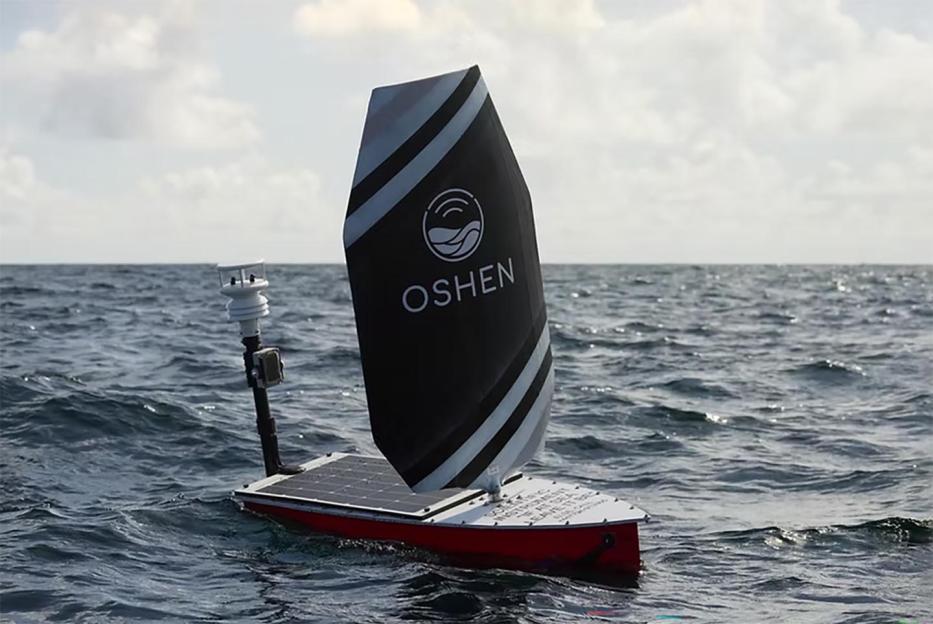 C-Stars are autonomous ocean robotsCredit: Oshen
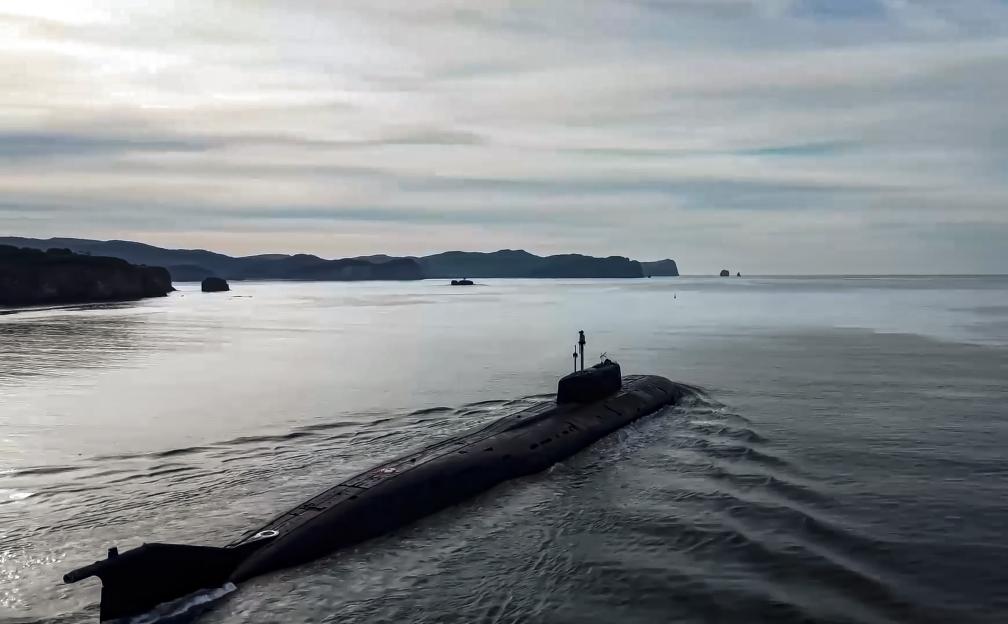 Automated drones could seek out Russian nuclear submarinesCredit: AP
The size of a bicycle, these aquatic could soon be the Navy’s “eyes and ears”, if early stage trials with the Ministry of Defence are successful.
Designed by drone firm Oshen, the small, rugged robots can be manufactured at a low cost and mass-deployed in constellations across the oceans.
A fleet of 1,000 would cost about £10m to £20m to build, making each individual machine cheap and easy to replace if damaged.
It is hoped the C-star could detect Russia’s nuclear subs (which are 100 times the size) and be deployed in the strategic area between , Greenland and Britain.
Given how small they are, the drones are “impossible to spot”.
They can endure multi-month missions, and their compact size makes deployment straightforward: a ten-strong constellation of C-Stars can be launched from a small fishing vessel.
The Oshen C-Star drones are among many prototypes being tested as part of the Atlantic Bastion concept, which is seeking to develop a fleet of unmanned vessels to support traditional warships.
Oshen co-founder Anahita Laverack, 25, said: “We could be the early warning system, peppering the area with this long-endurance monitoring system.
“When we hear something, these tiny little robots will then pass that message along. We could be the first line of defence…the eyes and ears in the sea.”
Alongside fellow co-founder Ciaran Dowds, 26, Laverack hopes their could protect the nation.
“The biggest place to make a difference is anti-submarine warfare. This is the most pressing need.
“If I have the skills to help, if I’m going to put in an intense amount of work that has a generational impact – that’s the best way to protect our country’s long-term future,” she said.
Recently, Russian spy sensors, believed to be tracking Britain’s nuclear submarines, were discovered in UK waters.
Some of the devices were found washed ashore, while others were detected by minehunter ships.
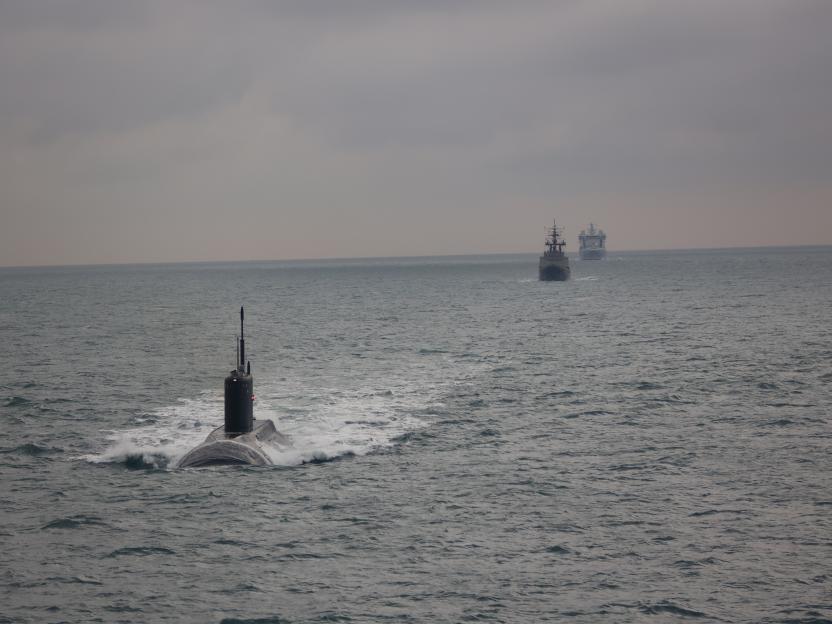 The Royal Navy shadowing a Russian submarine during a three-day operation in the English ChannelCredit: PA
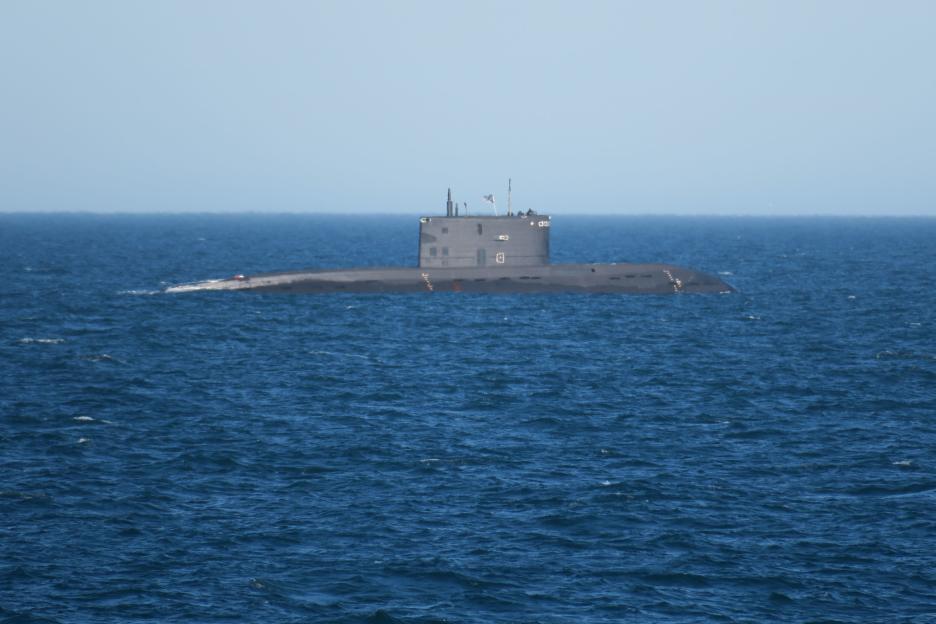 A Russian attack submarine RFS Rostov Na Donu being monitored by HMS MerseyCredit: PA
Defence sources believe they were planted to gather intelligence on the UK’s four Vanguard-class submarines.
These carry nuclear missiles and are meant to operate undetected as part of the UK’s at-sea deterrent.
The suspects deployed the spy gear as part of a wider campaign of “greyzone” warfare, targeting cables, pipelines and undersea assets.
It comes after a first-of-its-kind defence pact was signed at , as part of a .
The in the North Atlantic which are under increasing threat from .
The revealed there has been a 30 percent rise in Russian vessels sighted in UK waters in the past two years.
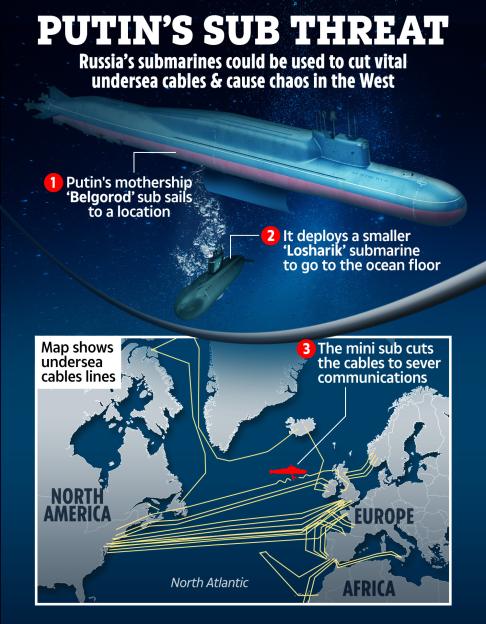
The UK and its allies have become increasingly concerned about the risk poses to underwater cables and pipelines, amid heightened tensions following the invasion of .
Attacks on undersea infrastructure could cause “catastrophic disruption” to the financial and communications systems Britons rely on, the National Security Strategy Committee warned in a September report.
Sir Keir said: “At this time of profound global instability, as more Russian ships are being detected in our waters, we must work with international partners to protect our national security.
“This historic agreement with strengthens our ability to protect our borders and the critical infrastructure our nations depend on.
“Through joint navy co-operation in the North Atlantic, we’re boosting security, supporting thousands of UK , and showcasing Britain’s world-class shipbuilding on the global stage.”
Putin’s mysterious cable cutting submarines
RUSSIA is believed to have six submarines dedicated to the cable cutting mission - with the Losharik the most modern and capable.
Only a handful of grainy photographs exist of the vessel and everything known about it comes from educated guesswork.
A on board Losharik in 2019 resulted in the deaths of 14 submariners, reportedly including some of the most experienced decorated in the Russian navy.
The Kremlin has never explained what the submarine was doing
just 60 miles off the coast of Norway in the first place.
According to submarine expert H.I Sutton, who writes the Covert Shores blog, the submarine is constructed from seven spherical titanium hulls strung together which gives it extraordinary strength.
The vessel is named after a Russian cartoon horse, which is made up of lots of many spheres joined together.
It can operate at up to depths of 3300ft, far greater than conventional submarines and have special attachments allowing them to rest at the bottom of the sea.
The submarines are deployed from the giant Belgorod, itself designed for special operations, and currently the longest submarine currently serving in the world’s navies.