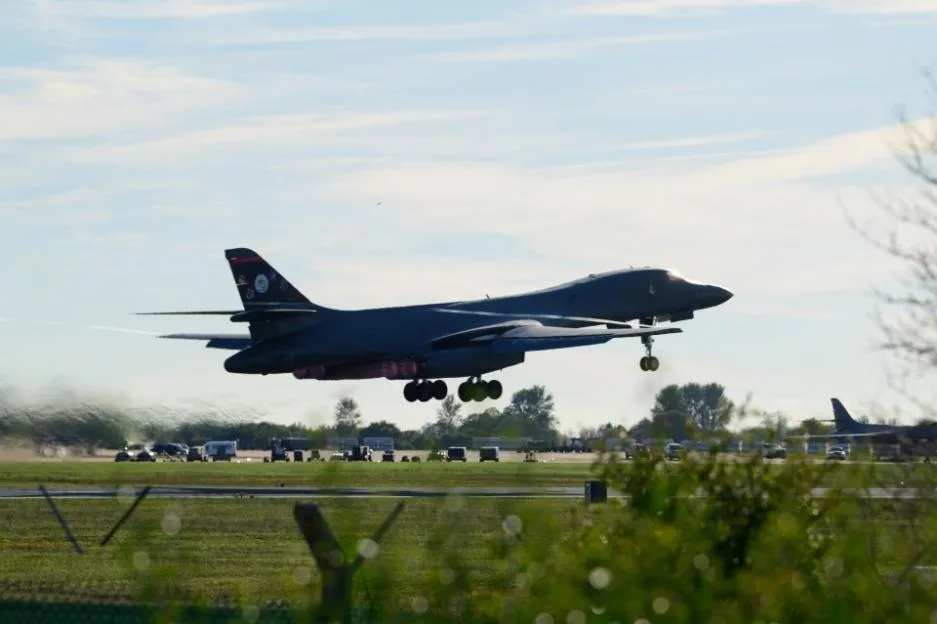
UKRAINE has warned that Russian forces may be deliberately dumping anthrax-infected cattle carcasses in occupied areas – sparking bioweapon fears.
According to a warning from ‘s military intelligence, Russian troops have been dumping anthrax-diseased livestock near groundwater sources across occupied Ukraine.
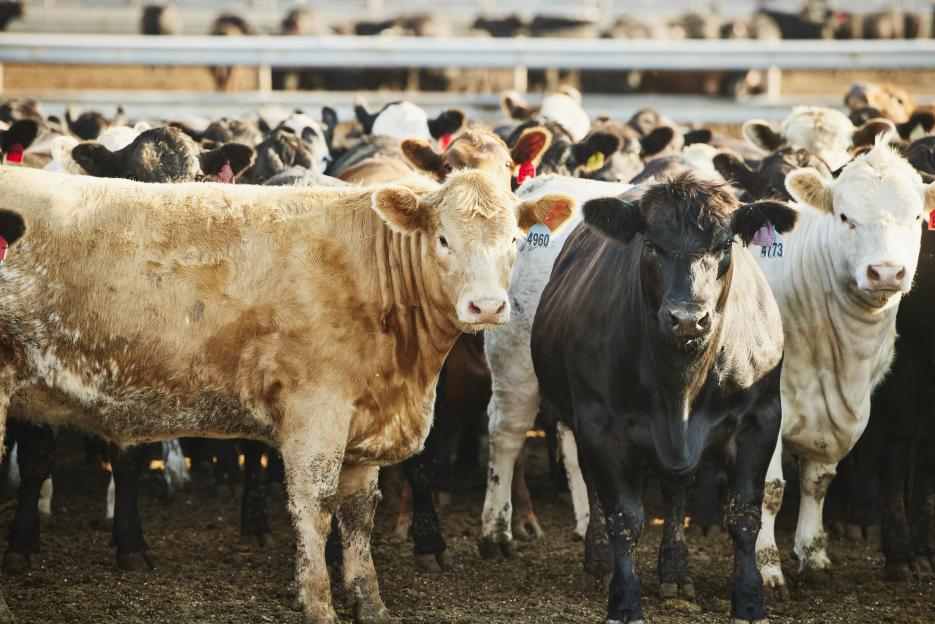 Ukraine fears Russia is deliberately dumping carcasses of anthrax-infected cattle (stock image) Credit: Getty
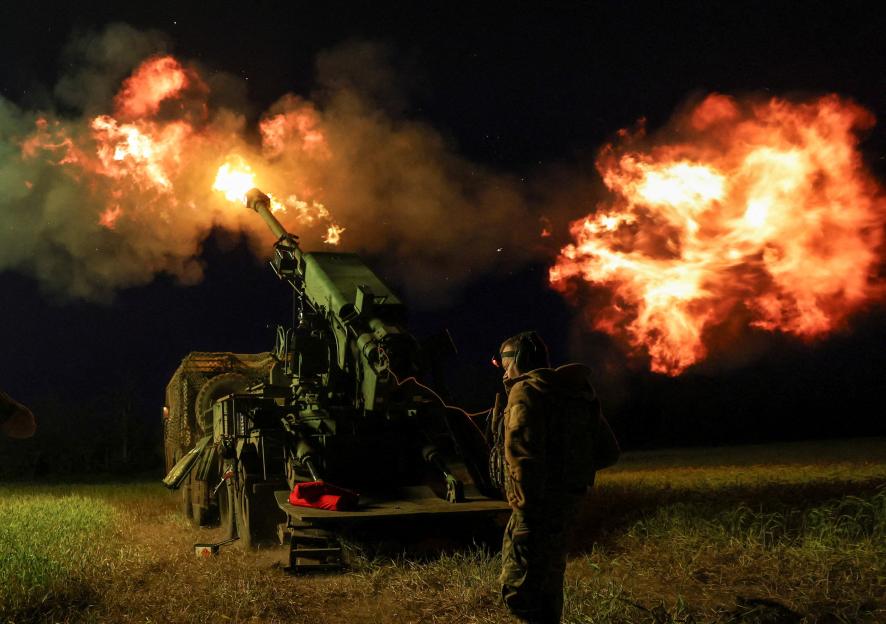 On a frontline in Donetsk region of Ukraine Credit: Reuters
Many sites lie a short distance from , farms, rivers, and communal wells.
Hundreds of livestock “graveyards” packed with rotting animal carcasses cover Ukraine – and these used to be monitored by agricultural agencies, who carried out testing and controlled burns.
Now, Kyiv says Russian forces are deliberately dumping infected carcasses near vital water courses – turning areas into ticking biological timebombs.
Ultra-toxic anthrax spores can survive underground for a thousand years or more – raising fears that forces are “” swathes of Ukraine with bioweapons that could remain contaminated for centuries after the war has ended.
When introduced to reservoirs or rivers, anthrax can survive for up to two years – meaning an with terrifying speed.
Speaking to The Sun, Jerry Smith, a former weapons inspector for the UN, said: “The malicious use of anthrax is essentially salting the earth.”
He added: “Putting anthrax into a water source – firstly, you’ll kill all the cattle. Secondly, assuming there’s a reoccupation, there will be an absolute fear that the water will be drunk.”
Anthrax poisoning normally begins with flu-like symptoms that can lead to vomiting blood, severe breathing difficulties, multiple organ failure, septic shock, and hemorrhagic .
 Putin speaks at Saint Petersburg International Economic Forum in June Credit: Getty
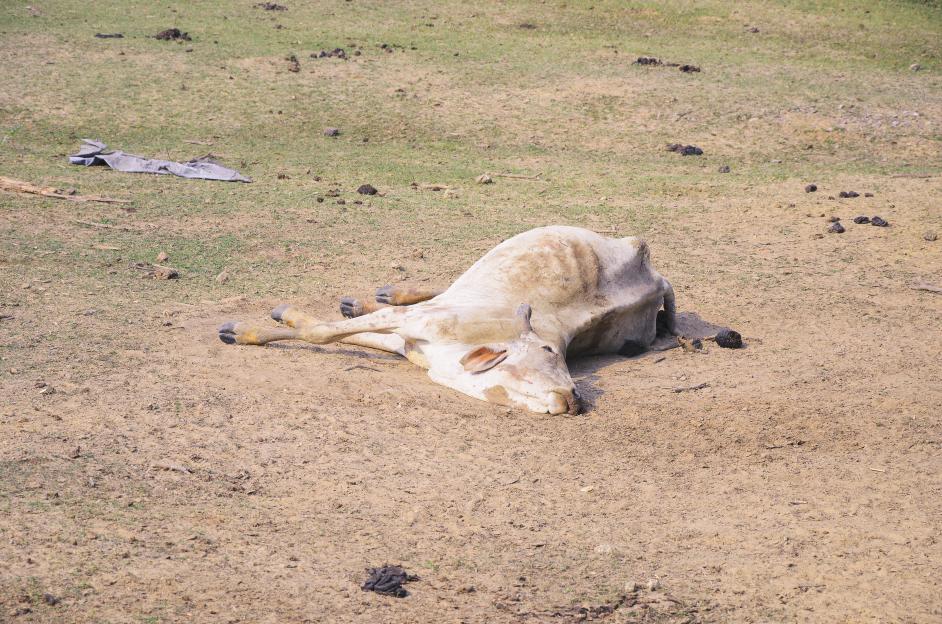 Hundreds of livestock ‘graveyards’ packed with rotting animal carcasses cover Ukraine (stock image) Credit: Getty
Jerry said: “You’ve got various ways you can infect somebody. Inhalation, when it gets into your lungs, that’s the dangerous one.
“Inhalation of anthrax, without treatment you’ve got a very high fatality rate – 50 per cent plus fatality rate.”
Anthrax can last as a spore for thousands of years in a hard shell, Jerry said.
He added: “It’s not so much the toxic nature of the weapons, it’s more that it becomes a psychological weapon… it’s the fear of breathing something in and choking.
“If live cattle were infected, that would spread around the population and people would avoid those areas.
“Secondly, the authorities would have to deploy some level of response, and that’s pretty intensive.”
The Ukrainian 30th Marine Corps is .
It is poised to infiltrate currently occupied regions should Russian retreat.
A senior military source told The Sun: “They’re crazy enough to do it, but this is beyond crazy. For them, nothing is impossible.”
Speaking of the reoccupation by Ukrainian troops, Jerry said: “Your speed of advance is governed by a few things, and one of them is obviously logistics.
“One of the things that is bulky is water. If you become aware that the water courses are potentially infected with anthrax, then you’re not going to drink from that.
“The only alternative is to bring up tankers, bowsers full of water to resupply them, and that’s going to slow you down.”
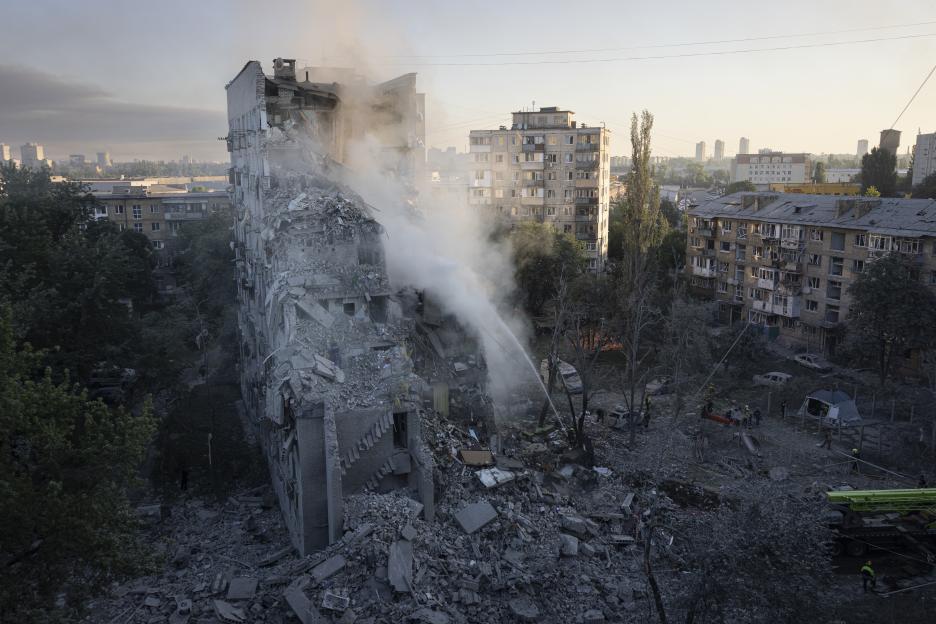 A destroyed building after a Russian missile attack on Kyiv Credit: Getty
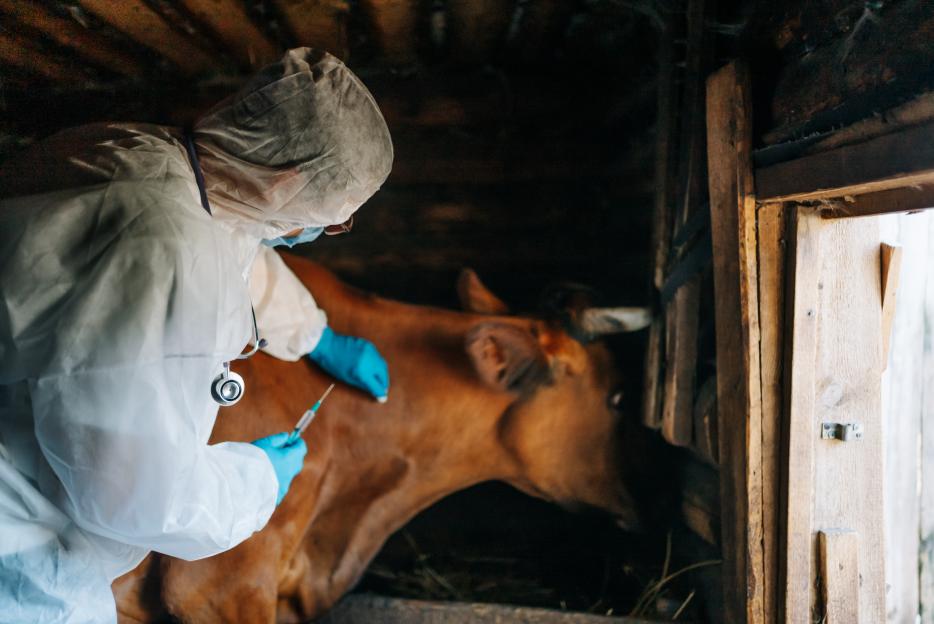 A vet vaccinating cattle against anthrax virus Credit: Getty
Jerry added: “Mass disruption and destruction by Russian forces is entirely credible. They’re just vindictive and they’ll do it. There will be a level of military purpose for it, but I would argue that their thought system is just being nasty and vindictive.
“It’s cheaper and easier for them to do this than to mine the place.
“You could generate a level of anthrax capability that ultimately, when needed, you could deploy into areas there.”
The deadliest recorded outbreak of anthrax was the 1979 Sverdlovsk Incident, where 68 people died.
Caused by the accidental release of deadly Bacillus Anthracis spores from Compound 19, a Soviet military biological weapons facility in Sverdlovsk – now Yekaterinburg – Russia, authorities in attempted to cover up the disaster by blaming black market meat supplies.
Claims that Moscow is waging a new form of warfare, one that threatens not just soldiers, but farmers, families, and future generations, follow allegations that Russian forces have deployed illegal chemical weapons against Ukrainian troops more than 13,000 times since the start of Moscow’s main invasion in 2022.
Jerry, who led the investigation into Russian involvement in the use of chemical weapons in Syria, said: “If you’re talking about Russia’s MO, then this is entirely credible.
“This is not a Rubicon that they would be worried about crossing.”
He added: “There are protocols for chemical attacks and biohazards. It is very possible to take a contaminated region back.
“The 30th Corps is fully ready to retake no matter what evil, illegal things the Russians do while retreating.”
If the intelligence from Ukraine proves to be accurate, the deployment of a bioweapon as lethal as anthrax could mark a sinister turning point in Moscow’s strategy in Ukraine.
This new threat comes as Russian forces are reportedly losing ground and failing to replenish troop numbers after suffering staggering casualties.
Experts estimate that Moscow has killed, wounded, or captured.
The anthrax warning from inside Ukrainian borders comes months after authorities conducted mass culls of cattle within .
Many farmers complained that they were given no explanation and that thousands of healthy animals had been killed.
These culls could indicate that Russian authorities are aware of a deadly outbreak and have attempted to cover up the disease.
Infected animals may have been transported to Ukraine, accidentally as food for troops, or deliberately as part of a new strategy to deploy lethal bioweapons.
The Defence Intelligence Directorate allege that Russia’s reckless actions could be deliberate biological or might also be a Kremlin plot to lay the groundwork for ominous false-flag attacks.
Experts warn the consequences may affect many generations long after Putin’s invasion ends.