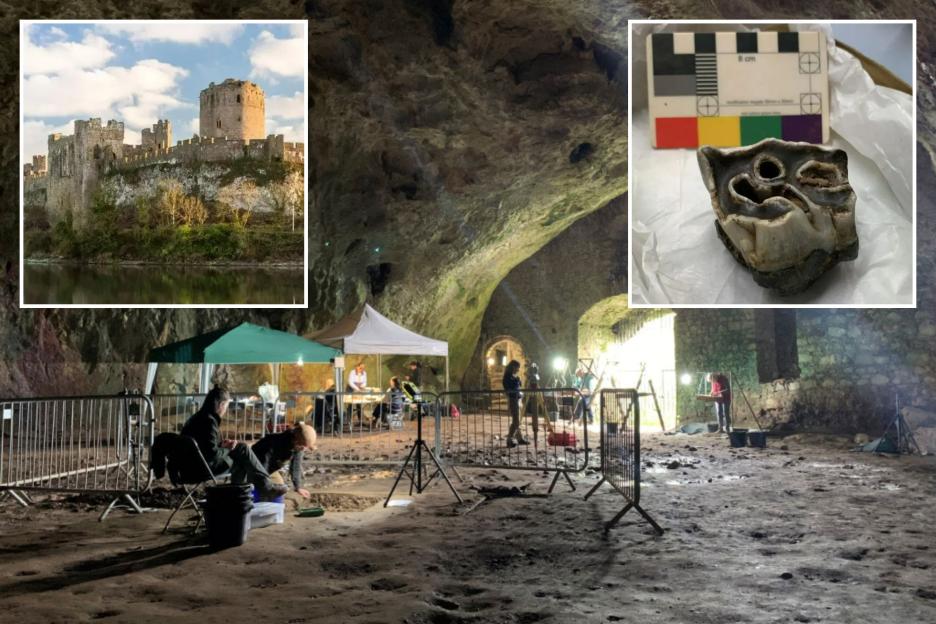
ARCHAEOLOGISTS have discovered the bones of a 120,000-year-old hippopotamus in a “once in a lifetime discovery”.
Digs at the cave under Pembroke Castle revealed an “extremely rare” site teeming with evidence of early humans and woolly mammoths.
 Bones of a prehistoric hippo were discovered under Pembroke Castle in WalesCredit: University of Aberdeen
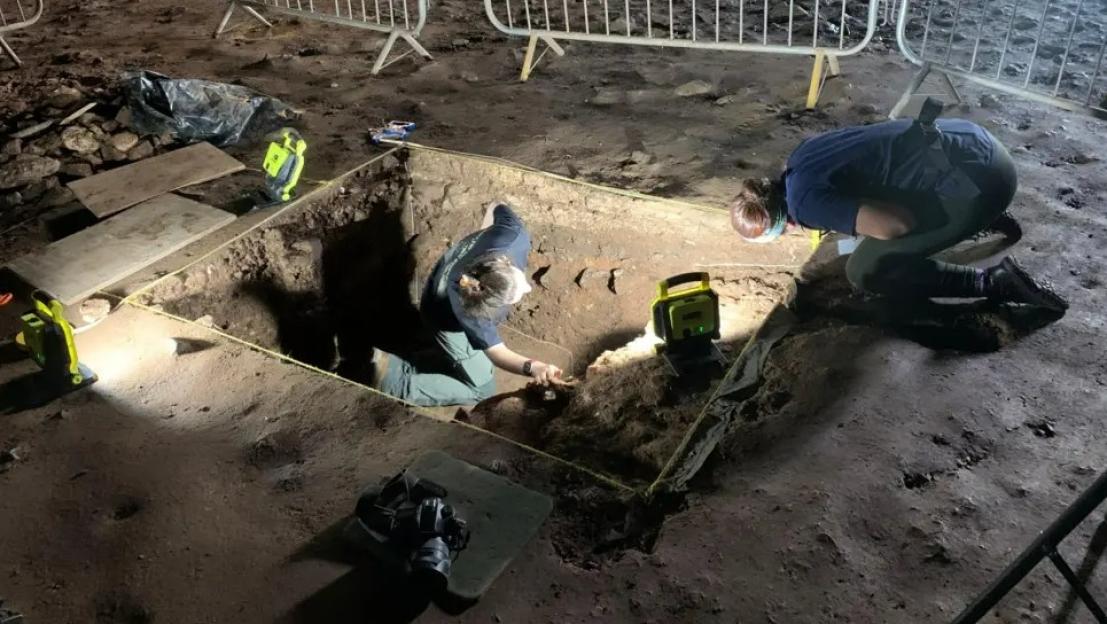 The site has been found to contain a trove of archaeological treasuresCredit: University of Aberdeen
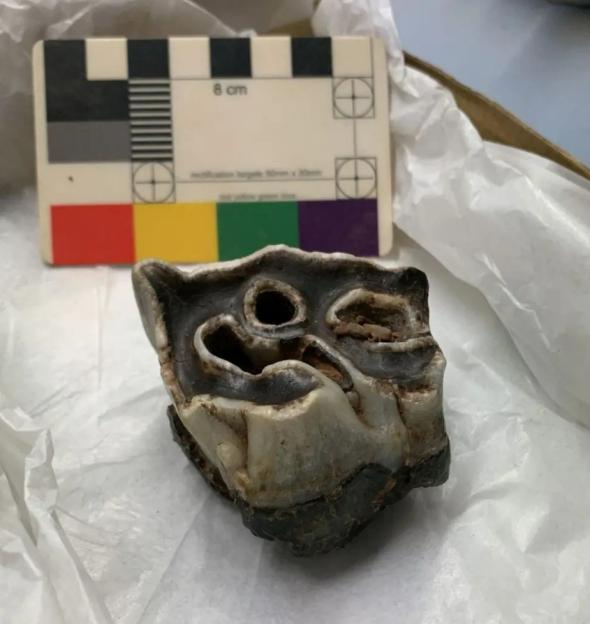 The huge molar of a woolly rhino found during excavations at the cavernCredit: University of Aberdeen
Excavation work at Wogan Cavern, under Pembroke Castle, has revealed the cave to be a treasure trove of prehistoric remains.
The “truly historic site” has been subject to further digs in the past few years since the bones of a 10,000-year-old woolly mammoth , were found under the castle in 2022.
Now, have made their most significant discovery yet – with the revelation of a hippopotamus which roamed 120,000 years ago.
“There is no other site like it in Britain – it is a once in a lifetime discovery,” said Dr Rob Dinnis, who directed the initial excavations.
As well as animal remains, researchers have also found evidence of early humans, and possibly even Neanderthals, under the medieval castle.
The landmark discoveries mean the University of Aberdeen project has now secured funding to delve deeper into the enormous cave over the next five years.
“Despite the limited work done so far, we can already say that Wogan Cavern is a truly remarkable site,” said Dr Dinnis.
“Not only is there extremely rare evidence for early Homo sapiens, there are also hints at even earlier human occupation, probably by Neanderthals.
“There is no other site like it in Britain – it is a once‑in‑a‑lifetime discovery.
“With this new project we can learn a great deal about our early prehistoric forebears, about how they lived and what their worlds looked like.”
The bountiful cave is accessed via a spiral staircase from Pembroke Castle, thought to have been dug out in the Victorian era.
It had long been assumed there was little interesting archaeological material left at the site.
But limited excavations between 2021 and 2024 revealed an abundance of prehistoric material, as much of the sediments remain intact.
Dr Dinnis, a Paleolothic expert who will continue to lead the project, said he hoped they could “chart a long sequence of human activity, from hunter-gatherers living there immediately after the last Ice Age around 11,500 years ago”.
“We have also found hippo bones, which probably date to the last interglacial period, around 120,000 years ago. The site could therefore tell us about how multiple changes in climate and environment affected people living there over 100,000 years or more,” he added.
Jon Williams, Pembroke Castle manager, added: “This is incredibly exciting news for everyone at the castle.
“We have watched with great interest as Wogan Cavern has started to reveal its secrets – it’s very different from the medieval we usually deal with at the castle!
“We are thrilled that work on this wonderful cave will continue – we very much look forward to working more with Rob and his team, and securing the collection for the people of Pembroke, Wales and beyond.”
New excavations are scheduled to begin at the end of May, with archaeologists optimistic it will become one of the most important prehistoric archives in Britain.
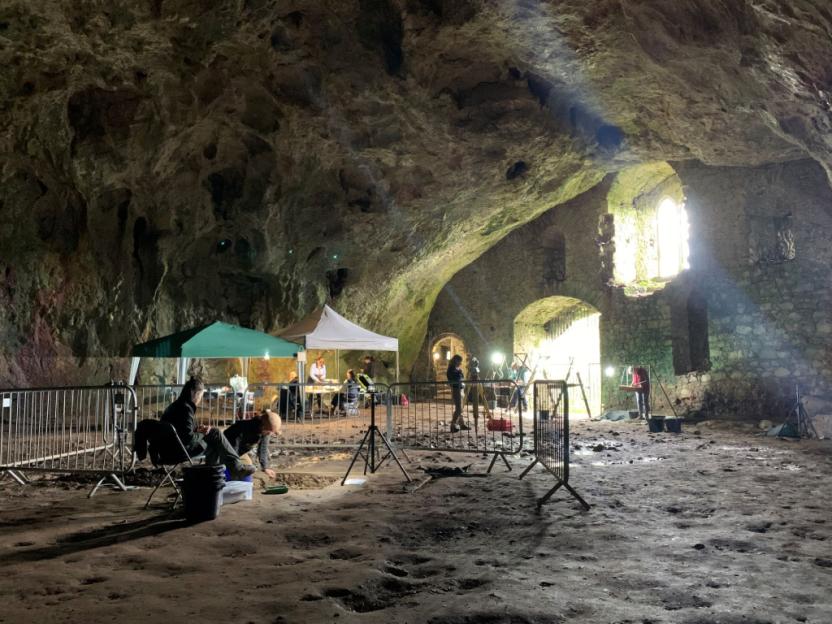 The project will be expanded for the next five years to discover more about human historyCredit: University of Aberdeen
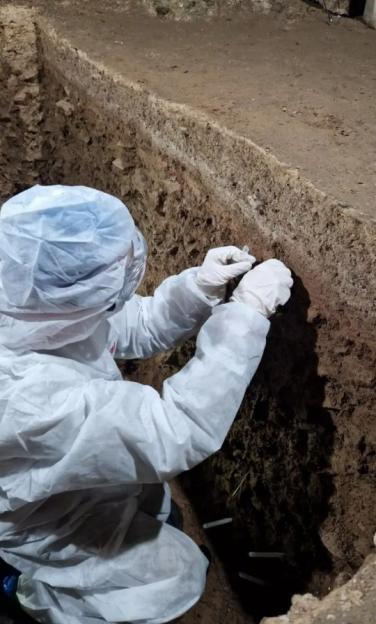 Researchers found evidence of early humans and animals under the medieval castleCredit: University of Aberdeen