STARGAZERS are set to be treated to a rare blue micromoon in the UK – and they won’t get a chance again until 2053.
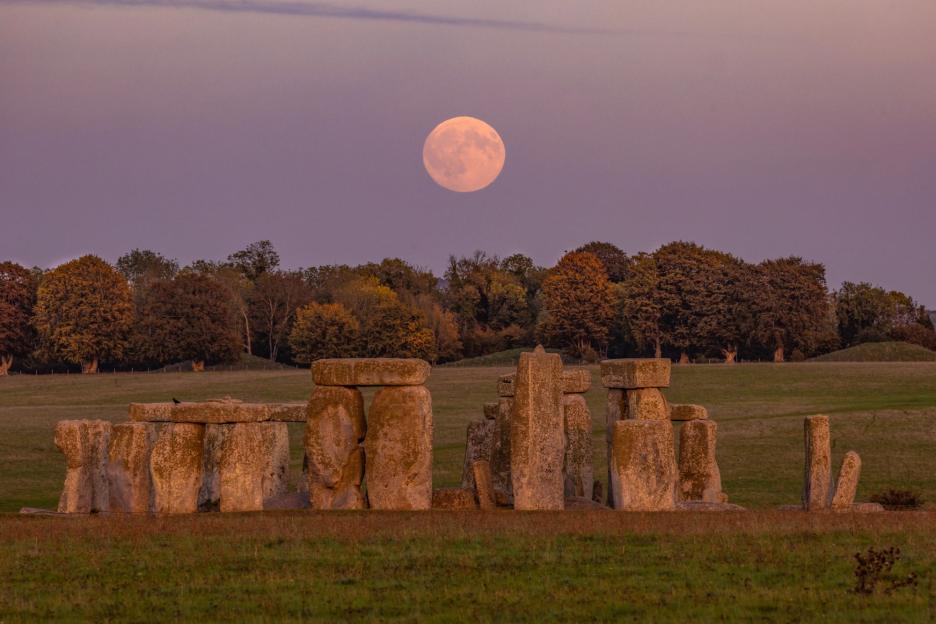
Astronomy fans will get to cast their eyes on the unusual phenomenon as it lights up some of the country’s most iconic landmarks on Saturday evening.
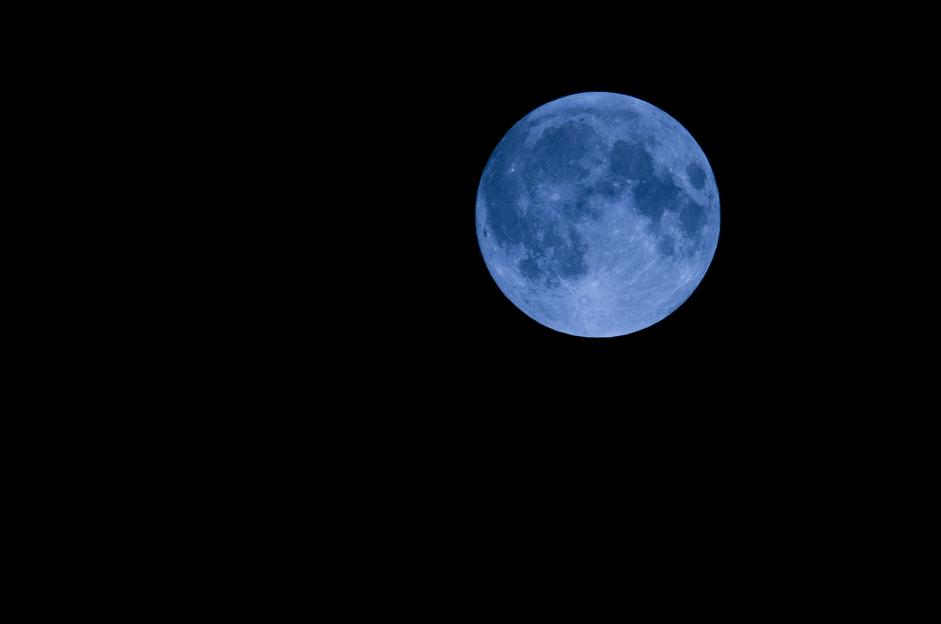 Astronomy fans will be able to get a glimpse of a rare blue micromoon this weekend Credit: Getty
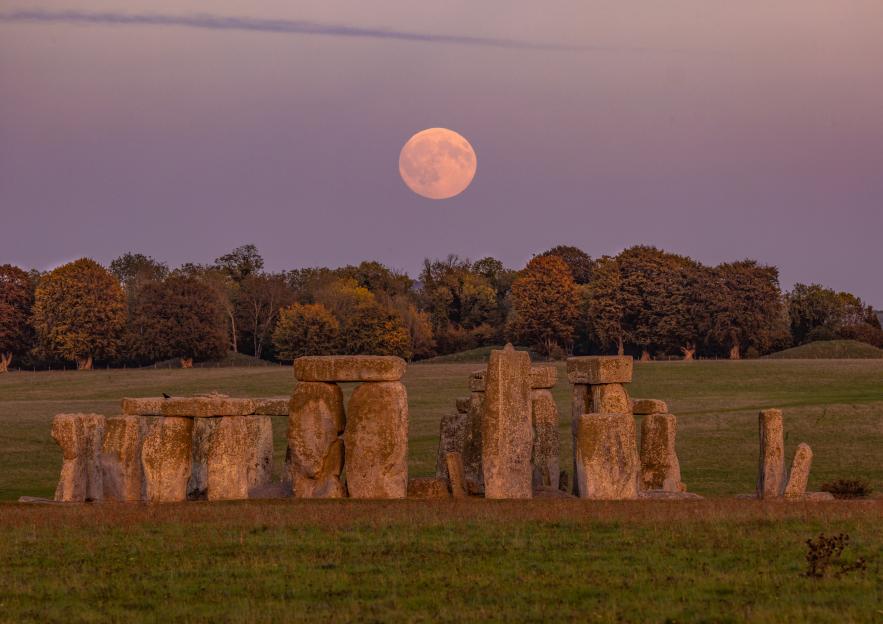 Stonehenge is a prime moon-watching hotspot Credit: Nick Bull/pictureexclusive.com
A blue moon refers to the second full moon within a calendar month, and only occurs every two to three years.
They scarcely happen because a full moon occurs once every 29.5 days, giving only a slim window of opportunity for it to happen twice a month.
But what makes this weekend’s full moon even more special is that it will also be a micromoon – where it is the furthest point from the .
The event won’t happen again for another 27 years.
The experts at Psychic World have compiled a list of the best places for photographers and moon-watchers to capture the phenomenon in all of its majesty.
Psychic World’s Antonella said: “The UK’s beautiful natural landscapes offer a chance to see the moon at its best, whether it is rising over ancient monuments, mountain peaks, or dark sky reserves, there are multiple ways to enjoy this once in a blue moon event.”
For the most stunning views of the blue micromoon, punters should head these spots:
Stonehenge
Perhaps the UK’s most iconic landmark, Stonehenge will offer dark, clear skies with little light pollution.
The ancient Salisbury Plain structure is a historic lunar observation favourite.
Moonlight casts a magical light over the monument and the atmosphere is often quieter than when the crowds roll in.
The Lake District
The jewel in Britain’s crown when it comes to national parks, the Lake District and its surrounding fells offer superb views of the night sky.
Its combination of dark skies, low light pollution and high vantage points makes it one of the UK’s top spots for viewing the blue micro moon.
The region’s fells provide wide, uninterrupted views, while the lakes add an extra scenic touch.
Snowdonia National Park
As an International Dark Sky Reserve, Snowdonia offers some of the clearest night skies in Britain.
Combined with the elevated views from 3,560ft Yr Wyddfa and the surrounding mountains, it is an excellent place to watch and photograph the micro moon.
Northumberland National Park
Europe’s largest protected Dark Sky Park is one of the best locations in the UK for lunar observation.
Its exceptionally dark skies help bring out the subtle features of the micro moon, which appears 14 per cent smaller and 30 per cent dimmer than a typical full moon.
Isle of Skye
The Isle of Skye’s remote location and dark skies create ideal viewing conditions.
Dramatic landmarks such as Kilt Rock and the Quiraing also provide a spectacular backdrop for anyone hoping to capture the moon on camera.
Dartmoor National Park
With vast open moorland and very little light pollution, Dartmoor offers excellent views of the night sky.
Higher points such as Cosdon Beacon and Great Mis Tor are particularly good places to watch the moonrise.
Your own garden
You do not need to travel far to see the blue micro moon. Anyone with clear skies and an unobstructed view of the horizon should be able to spot it from home.
For the best view, head outside shortly after sunset when the moon is rising.