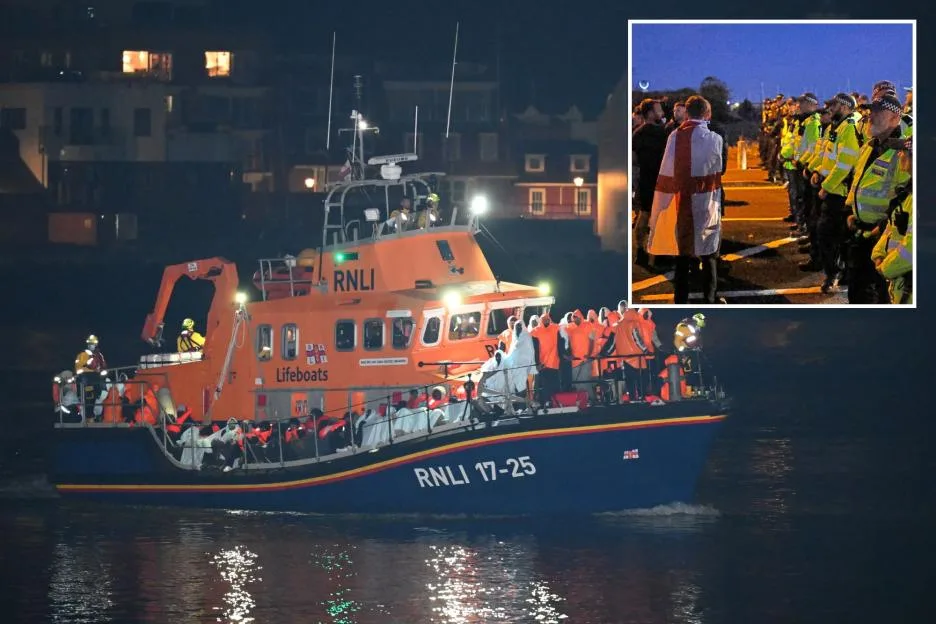
POLICE used live facial recognition cameras for the first time at two rival protests yesterday — with wanted suspects and agitators arrested as they arrived for the demos.
In total there were 43 arrests across the two marches in London — one a , the other a pro-Palestine demo.
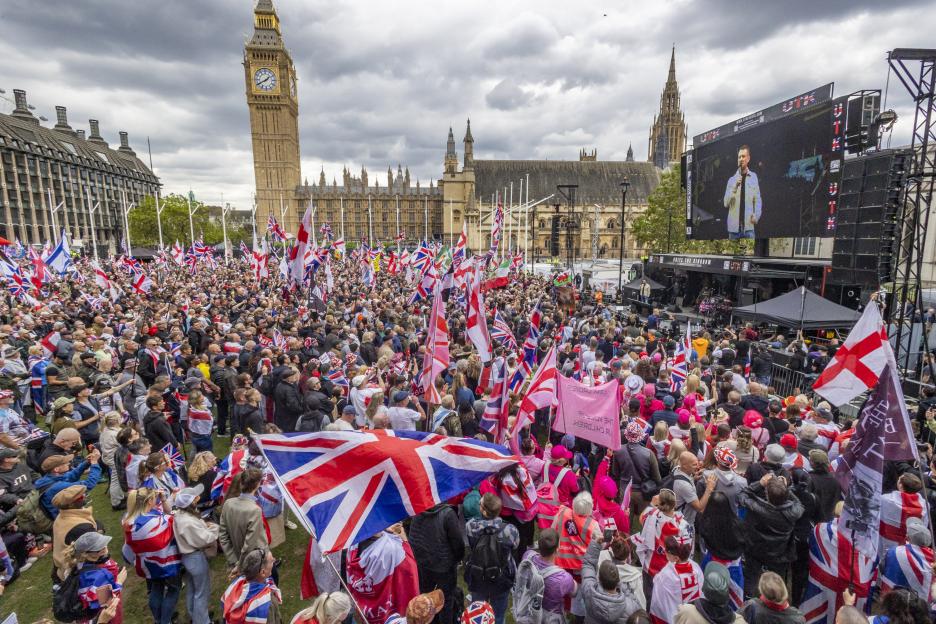 Police used live facial recognition cameras for the first time at two rival protests in London Credit: LNP
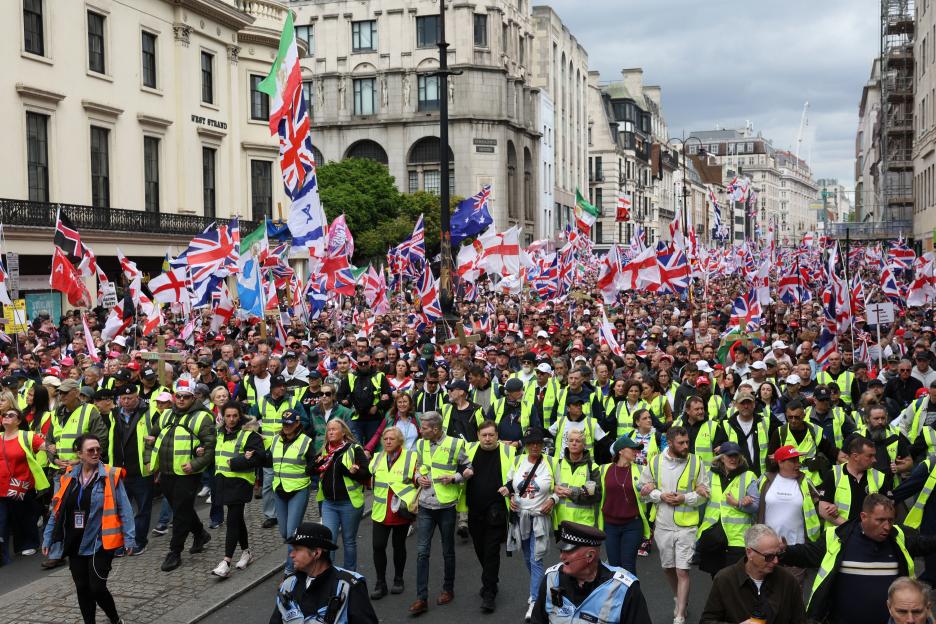 In total there were 43 arrests across the two marches in London Credit: AFP
The mobile facial recognition tech was in place near King’s Cross and St Pancras railway stations — key hubs used by those attending the protests.
Scotland Yard had vowed a “” to the whole day and said the cameras would check the profiles of passing people against a watchlist of suspects wanted for offences.
The had banned 11 people described as “far-right agitators” from coming to the UK to attend the demonstrations.
Right-wing figures claiming to have been barred included Polish politician Dominik Tarczynski, Belgian politician Filip Dewinter, anti-Islam commentator Valentina Gomez and Dutch activist Eva Vlaardingerbroek.
It was part of an “unprecedented” level of policing that had 4,000 officers on the streets to keep apart the opposing rallies, including 660 drafted in from outside the capital.
The operation cost the Met £4.5million.
An estimated 80,000 people took part in the marches — which were held on the same day as the at .
As well as the 43 arrests — and an additional 22 at the cup final — four officers were assaulted and a further six were subjected to hate crime offences.
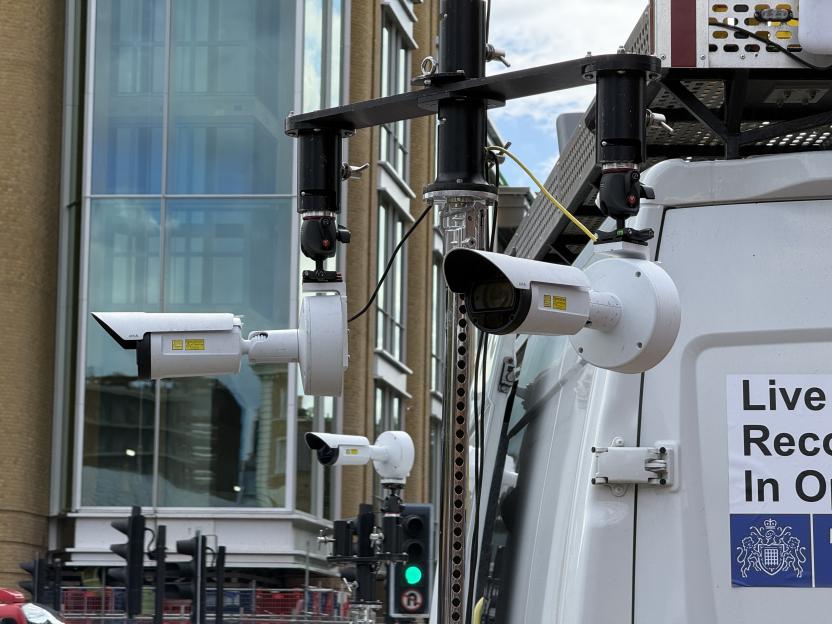 The mobile facial recognition tech was in place at key transport hubs around the city Credit: w8media
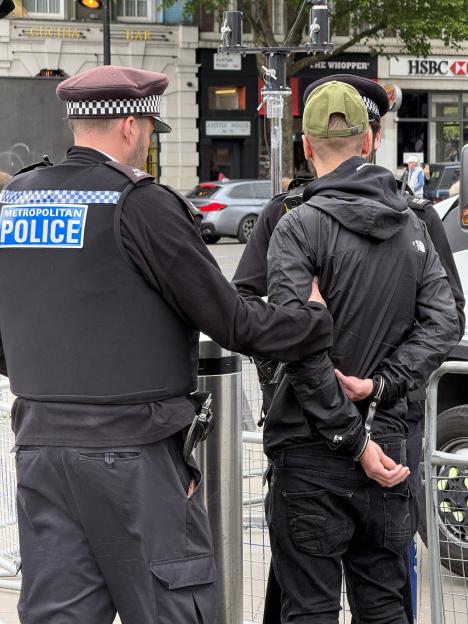 The police had 4,000 officers on the streets to keep apart the opposing rallies Credit: w8media
In response to the number of arrests, the Met said: “While this may seem high, to this point both protests have proceeded largely without significant incident.”
helicopters and were used to monitor the crowds and ensure both factions were kept apart.
Protesters attending the Unite the Kingdom march gathered in Kingsway, before heading to Whitehall and a rally in Square.
The pro-Palestinian march started in Kensington before heading to Waterloo Place via Piccadilly.
It was held to commemorate Nakba Day, which refers to the displacement of Palestinians following the creation of in 1948.
Strict conditions were placed on both events, with organisers held responsible if any speakers spouted hate speech.
Addressing the crowd at Parliament Square, Robinson, whose real name is Stephen Yaxley- Lennon, said: “Are you watching ? Today, I want to ask you all something, are you ready for the Battle of Britain?
“In 2029, we have an election. If we don’t register to vote, if you don’t become an activist, we will lose our country forever.”
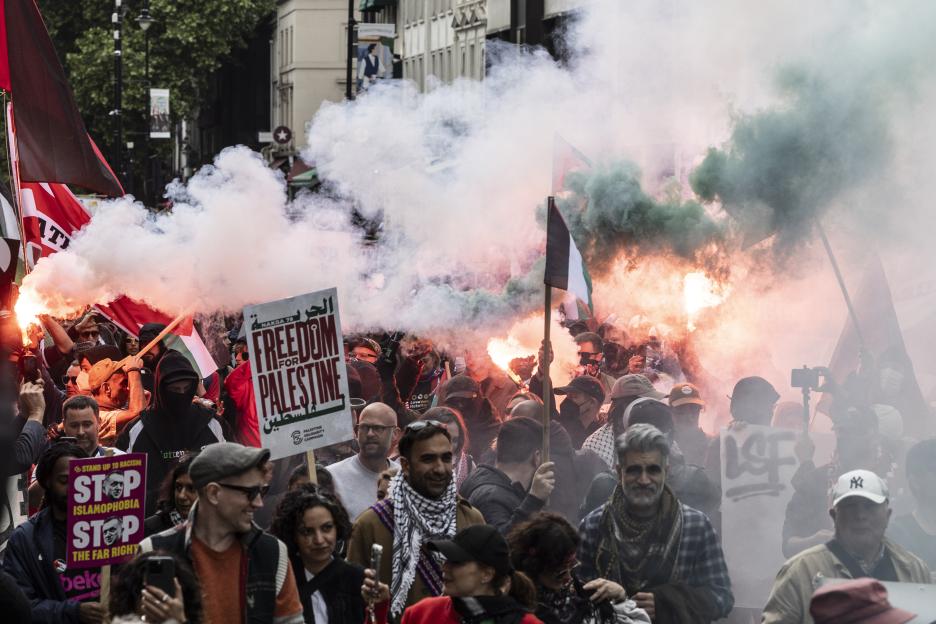 The pro-Palestinian march started in Kensington before heading to Waterloo Place via Piccadilly Credit: Getty
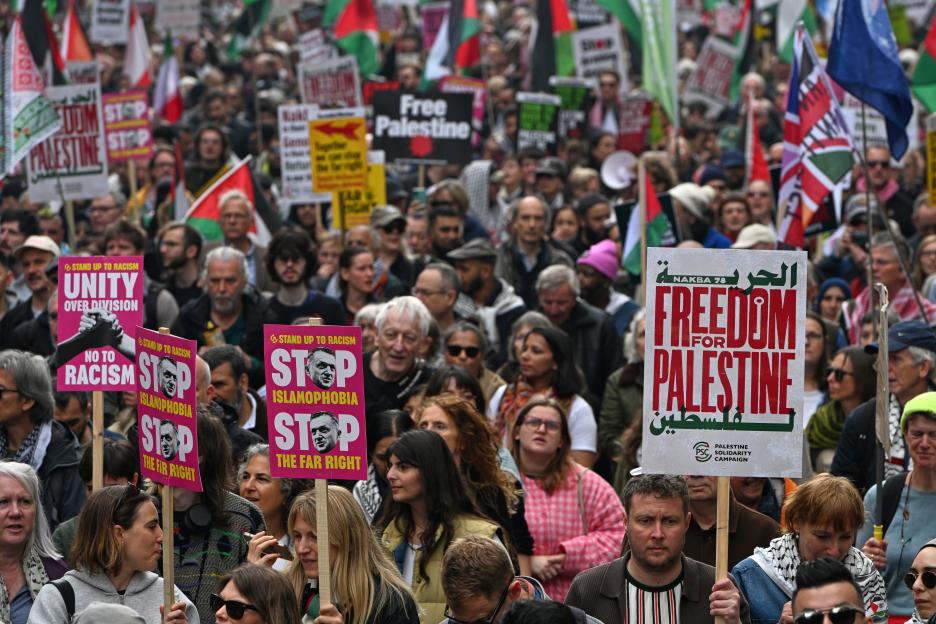 The demo was held to commemorate Nakba Day, which refers to the displacement of Palestinians following the creation of Israel in 1948 Credit: AP
Siobhan Whyte, the mother of Rhiannon Whyte who was murdered in 2024 by a Sudanese asylum seeker in Walsall, spoke at the UTK march and said the PM had failed her daughter.
Huge crowds were heard chanting “Keir Starmer is a w*****” and “We want Starmer out”.
Others let off red flares, including two who climbed on to the statue of Sir near Parliament.
Another man was seen climbing on to a traffic light while holding a smoke bomb.
A London Ambulance spokesman said seven people in the area of the protests were treated by medics and taken to hospital.
Before the marches, PM Sir Keir had said that anyone trying to “wreak havoc” would face the full force of the .
Deputy PM said yesterday: “The Unite the Kingdom march organisers are spreading hatred and division. They do not reflect the Britain I’m proud of.
“Peaceful protest is a funda-mental right and one I will always protect. But if protest turns violent, we will act swiftly, with extra court capacity in place.”
Prosecutors were issued with new guidance on whether protest placards, banners and chants viewed on social media may amount to offences of stirring up hatred during the rallies.
Director of Public Prosecutions Stephen Parkinson said “this is not about restricting free speech”.
He said: “It is about preventing hate crime and protecting the public, particularly at a time of heightened tensions.”
- Additional reporting: Odhran Gallagher and Tilly Harris