
Nigeria's World Cup Dreams Resurrected Amid DR Congo's Player Eligibility Controversy
Nigeria’s prospects of qualifying for the 2026 FIFA World Cup have received a potential lifeline following an official complaint by the Nigeria Football Federat...
 Written byEze Chidiebere Paul
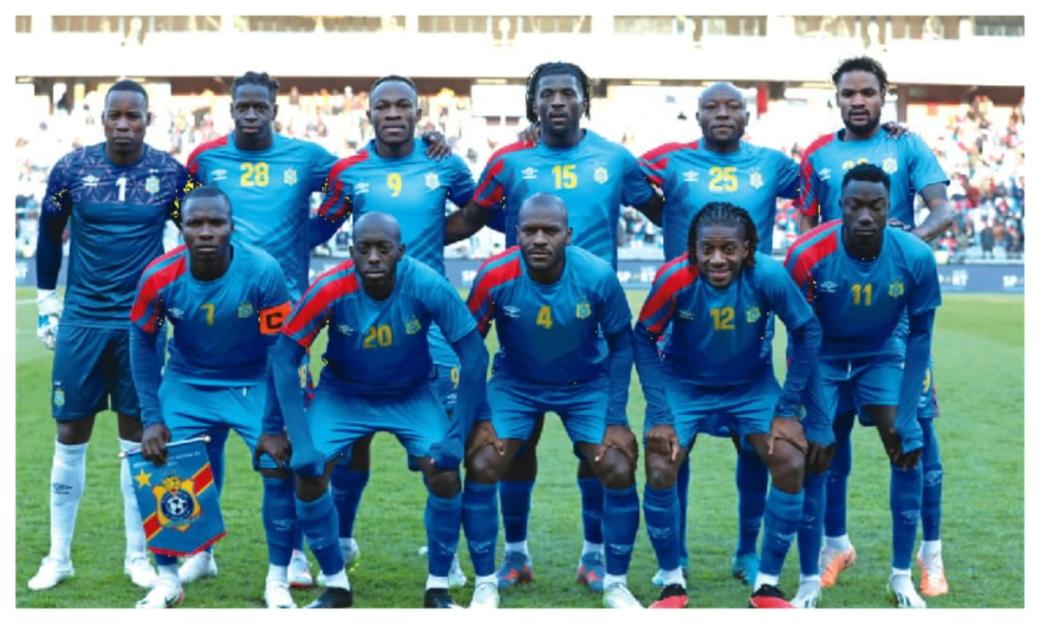
Table of Contents
- Nigeria's Potential Lifeline
- Super Eagles Playoff Outcome
- DR Congo's Automatic Passage
- Eligibility Concerns Raised
- NFF's Official Complaint
- Awaiting Response from FIFA
- Renewed Hopes for Nigeria
- DR Congo's World Cup History
Nigeria’s chances of qualifying for the 2026 FIFA World Cup have received a possible boost following an official complaint by the Nigeria Football Federation (NFF) regarding the alleged use of ineligible players by the Democratic Republic of Congo during the qualifiers.
The Super Eagles were eliminated from the African play-offs in November after losing 4–3 on penalties to DR Congo in Morocco, a defeat that seemed to end Nigeria’s hopes of participating in the tournament co-hosted by the United States, Canada, and Mexico.
DR Congo subsequently secured automatic qualification for the final of the intercontinental play-off, where they are set to face the winner of the semi-final match between New Caledonia and Jamaica.
However, that situation is now under review after the NFF raised concerns about the eligibility of several Congolese players who participated in the crucial play-off matches.
Sources familiar with the petition indicated that between six and nine players who recently changed their national allegiance may not have fulfilled domestic legal requirements prior to representing DR Congo.
While FIFA reportedly approved these players after confirming they possessed Congolese passports, there are concerns that they did not renounce their previous nationalities, which allegedly violates DR Congo’s constitution that prohibits dual citizenship.
An executive board member of the NFF, speaking on the condition of anonymity, confirmed that the issue has been formally escalated to FIFA.
“DR Congo’s constitution does not allow dual nationality, yet several players who participated in the play-off still hold other citizenships,” the official stated.
“This is the basis of our complaint, and our legal team has submitted the necessary documentation,” they added.
NFF General Secretary, Dr. Mohammed Sanusi, also acknowledged the ongoing process, asserting that Nigeria's objection is based on Congolese law rather than FIFA regulations.
“We have submitted our petition and are awaiting a response,” Sanusi stated. “FIFA regulations focus on passport possession, which is why the players were initially approved.
Our stance is that FIFA may have been misled because the players did not fully comply with DR Congo’s domestic laws regarding nationality.”
This recent development has rekindled hopes that Nigeria could still be in contention for the 2026 World Cup, having already missed the opportunity to compete in the 2022 edition in Qatar.
In contrast, DR Congo has participated in the FIFA World Cup only once, making their debut in 1974 under the name Zaire.
Frequently Asked Questions
What is the basis of Nigeria's complaint against DR Congo?
Nigeria's complaint is based on the allegation that several Congolese players used in the qualifiers did not renounce their previous nationalities, which violates DR Congo's constitution prohibiting dual citizenship.
What is the current status of Nigeria's qualification for the World Cup?
Nigeria's qualification for the 2026 World Cup is currently under review due to the complaint filed by the NFF regarding the eligibility of players from DR Congo.
Continue reading
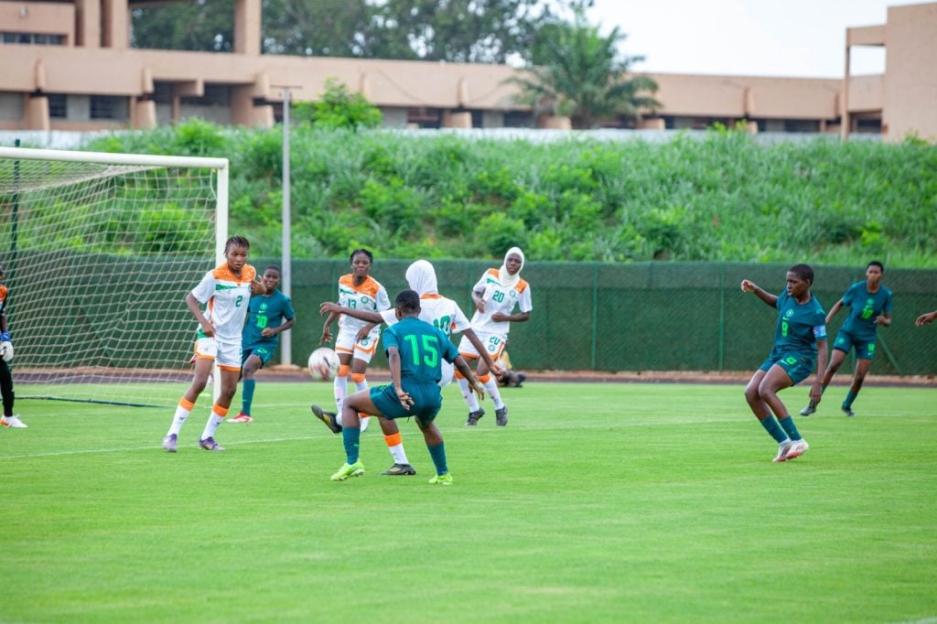
Flamingos rout Niger 5-0 in WAFU B U-17 Girls Cup
Nigeria’s Flamingos thrashed Niger 5-0 in their opening fixture at the 2026 WAFU B U-17 Girls Cup on Wednesday. Captain Harmony Chidi opened the scoring for Nig...
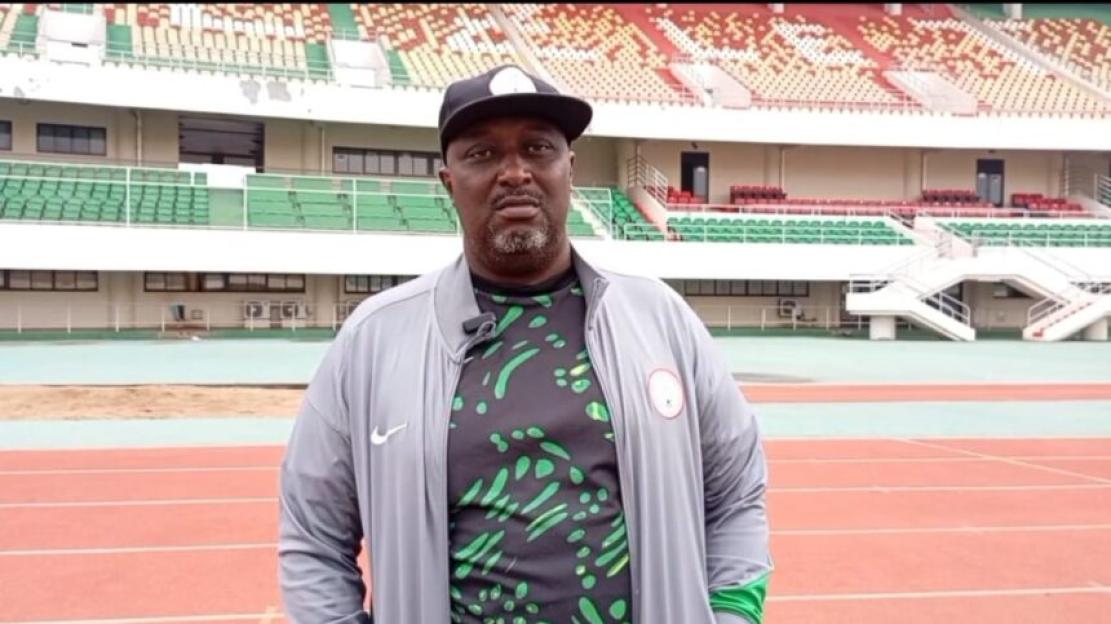
WAFU B U-17 Cup offers Flamingos crucial World Cup preparation – Busari
Flamingos head coach Akeem Busari has said the WAFU B U-17 Girls Cup will help his team prepare adequately for the 2026 FIFA U-17 Women’s World Cup. Nigeria wil...
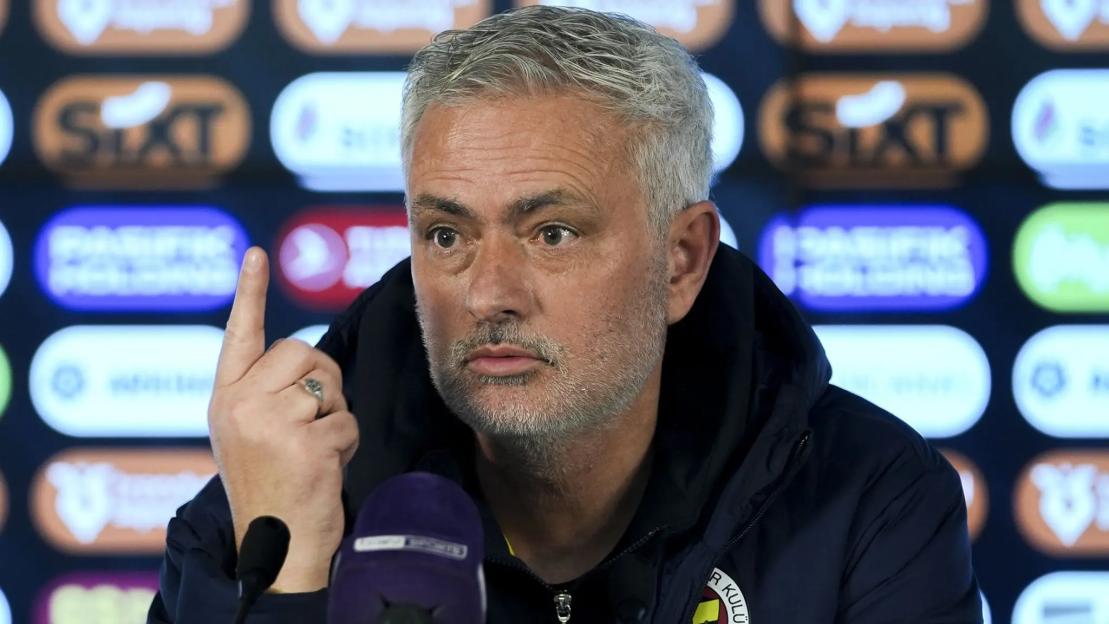
LaLiga: No player is untouchable in Real Madrid squad – Mourinho
Real Madrid manager, Jose Mourinho, has said no player is untouchable in his squad. Mourinho was responding to reporters after their last-gasp win over Elche on...
Ballon d’Or 2026: Hamza Abdelkarim picks Barcelona teammate who deserves award
Barcelona forward, Hamza Abdelkarim, has picked teammate Lamine Yamal as the player who deserves to win the Ballon d’Or the most. Yamal is among the 30 players...