A MYSTERY disease has killed at least five people in Burundi.
All the deaths occurred in the Mpanda district in the north of the country – close to the Democratic Republic of Congo border – while another 28 have been sickened.
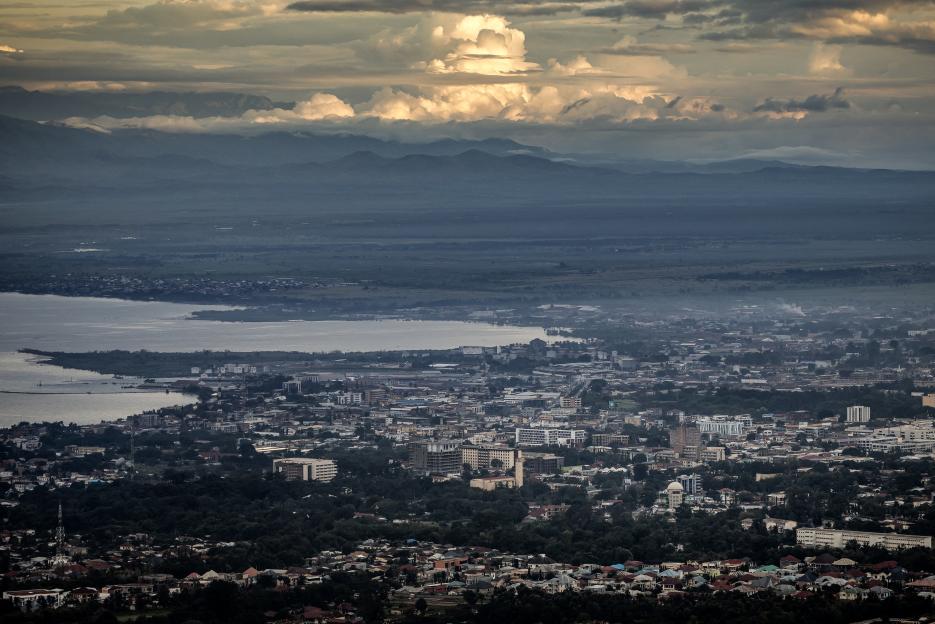 All the deaths occurred in the Mpanda district in the north of the country (pictured)Credit: AFP
chiefs have now been dispatched to the area to investigate the nature of the illness.
Details on what the actual illness is are scarce.
But, the World Health Organization (WHO) said symptoms include fever, vomiting, diarrhoea, and blood in urine, with jaundice and anaemia reported in some severe cases.
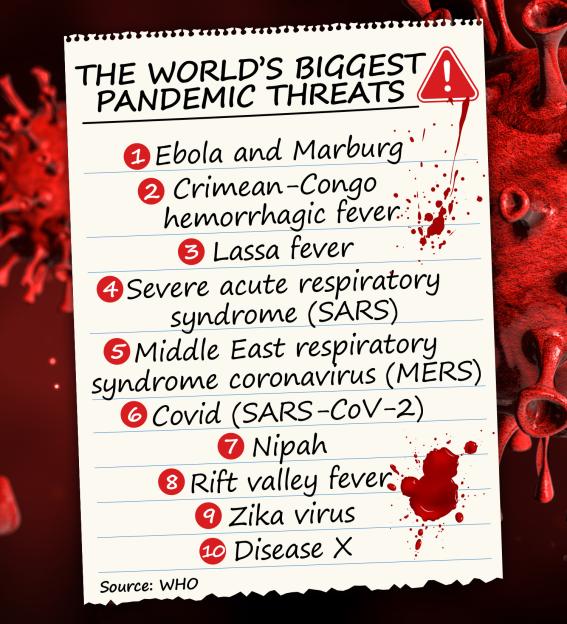
Laboratory analysis has come back negative for potentially lethal and , which can cause sufferers to bleed from their eyes.
The WHO added that tests had also ruled out (RVF), yellow fever and Crimean-Congo haemorrhagic fever (CCHF).
CCHF is a tick-borne virus which can prove fatal in up to 40 per cent of cases.
The disease shares similar symptoms to Ebola at the start of infection including muscle aches, abdominal pain, a sore throat and vomiting.
It can also trigger bleeds, usually from the nose or from broken capillaries on the eyes and skin.
People can get RVF and yellow fever, meanwhile, through contact with blood, body fluids, or tissues of infected animals, or through bites from infected .
Investigators are now hoping to clarify whether the illness behind the outbreak is a mutation of a known disease or a new emerging threat.
Test results will determine whether current measures put in place by officials are sufficient or whether a cross-border approach will be needed to prevent further spread to other regions, the WHO said.
Dr Lydwine Badarahana, Burundi’s Minister of Health, added: “While it’s reassuring that preliminary analysis is negative for these serious infections, further investigations are ongoing to determine the cause of the disease.
 It is not the first time Burundi has reported an outbreak of a mystery illnessCredit: Getty
“All the necessary measures are being taken to safeguard public health and prevent potential spread of infection.”
The cases, first reported on 31 March, have so far been limited to members of the same household and their close contacts.
A spokesperson for , the organisation which provides vaccines for the developing world, said it was working with the WHO to support the .
“Outbreaks such as these underscore the critical importance of preparedness and investing in the systems that enable rapid response,” the spokesperson said.
It is not the first time Burundi has reported an outbreak of a mystery illness.
In 2023, in an outbreak of a disease that mimicked those of the potentially lethal Ebola and Marburg viruses.
Symptoms included nose bleeds, abdominal pain, high fever, headache, dizziness and vomiting.
The cases led to the town of Baziro, in Burundi’s north west, being quarantined and surveillance measures being introduced.
It is still not clear what disease caused the outbreak.
The country is also facing a , with over 3,500 cases reported last year and continued transmission this year.
“Take precautions and get urgent medical attention if you become unwell,” The UK Health Security Agency advises.
UK health authorities have also classified Burundi as having a risk of Mpox virus transmission.