AROUND 10 million Brits are at risk of becoming addicted to over-the-counter painkillers, a survey has suggested.
Codeine-based painkillers can be purchased without a prescription – known as an over-the-counter medication – but medical professionals are concerned this could lead to a dependency or addiction crisis across the UK.
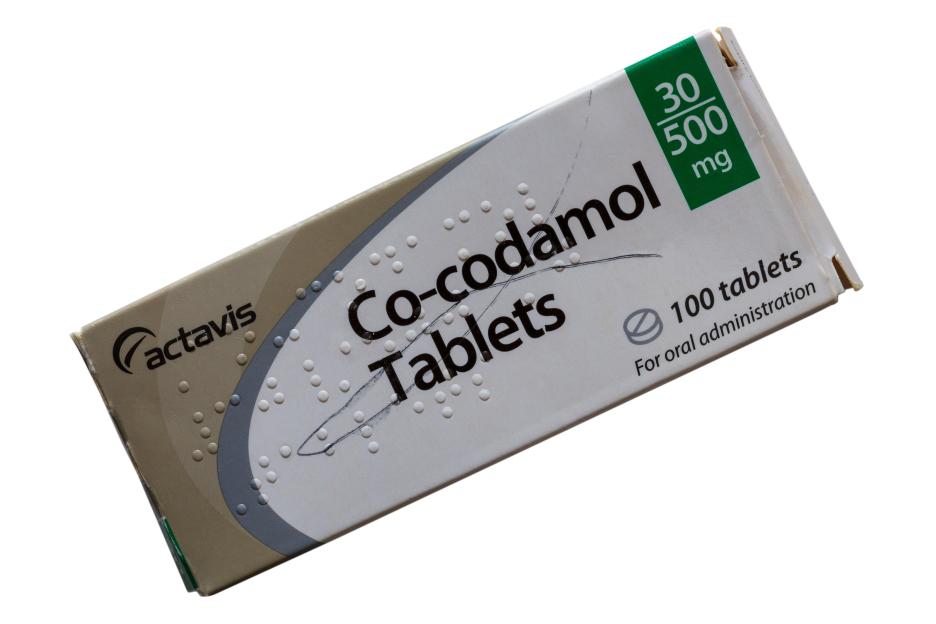 Co-codamol, a combination of paracetamol and codeine, can be sold over-the-counter in pharmacies Credit: Alamy
 Around 10 million Brits are at risk of becoming addicted to over-the-counter painkillers containing codeine, an investigation has found Credit: Getty
While the opiate should only be sold from a pharmacy with a maximum of 32 tablets and taken for no more than three days, an ITV investigation has found that many do not abide by this guidance.
Of more than 2,000 people in the UK, the survey discovered that one in six users of non-prescription codeine used the medication for up to nine days.
Even more concerningly, one in five used it for longer than 10 days.
Taking the drug for longer than advised puts people at risk of becoming dependent on codeine and can in turn lead to addiction.
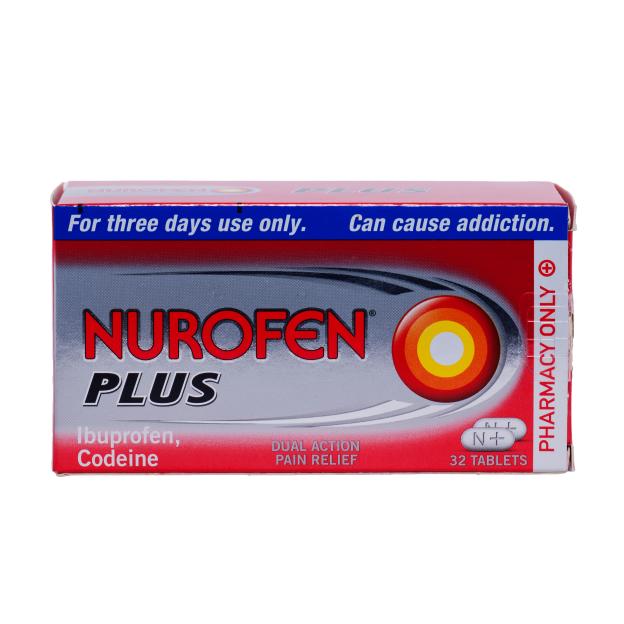 Nurofen Plus also contains codeine and can again be purchased without a prescription Credit: Alamy
 The survey found that one in five people use non-prescription codeine painkillers for longer than 10 days Credit: Alamy
The also found that non-prescription codeine was not the only drug being misused.
Sleeping aids and nasal sprays – both of which people can become dependent on – were also found to be used for longer than advised.
Codeine is a painkiller and can be purchased in tablet and liquid form when mixed with paracetamol (co-codamol) or ibuprofen (Nurofen Plus) without a prescription from a pharmacy.
But the UK differs from 25 other countries, including , where the rules changed in 2018 to reduce the risk of abuse and addiction.
If you take codeine for a long time, your body can become used to it and build up a tolerance, meaning higher doses are needed over time to control pain.
Abby House told that she developed an addiction after being prescribed codeine following gastric sleeve surgery, pushing her to turn to over-the-counter painkillers to supplement her prescription.
The mum-of-two said: “I was buying at least 20 boxes a week, I’d say. I was taking so much that it was making me sick.
“There were 224 put on my repeat prescription. I would take those at my worst in about two to three days.
“I went into £8,000 worth of debt and I was using the that I needed to pay my and my ,” she added.
Painkillers with codeine are only allowed to be sold in the UK one pack at a time from a pharmacy.
Pharmacists should remind the buyer there is a three day guidance for use and if they believe that the is being abused, they can refuse to sell them.
But for people with addictions like Abby had, their solution is to simply “pharmacy hop”.
 One woman said that she went from pharmacy to pharmacy to buy painkillers containing codeine without raising concerns Credit: Getty
 How to safely stop taking codeine...
Taking codeine, a prescription opiate, can lead to addiction.
Codeine is a prescription drug used to treat mild to moderately severe pain.
Over time, you may develop tolerance to the effects of codeine. This means that your body needs more and more of the drug to feel the same pain relief or other desired effects.
In other words, tolerance makes the drug seem less effective to your body.
As your body becomes more tolerant of codeine, your cells begin relying on the drug to prevent withdrawal symptoms.
This is dependence. It’s what leads to intense withdrawal side effects if codeine use is stopped suddenly. One sign of dependence is feeling that you must take codeine to prevent withdrawal symptoms.
Symptoms of withdrawal include:
- Feeling irritable or anxious
- Trouble sleeping
- Teary eyes
- Runny nose
- Sweating
- Yawning
- Muscle aches
- Faster heart rate
- Loss of appetite
- Nausea and vomiting
- Stomach cramps
- Diarrhea
- Enlarged pupils
- Chills or goosebumps
To avoid withdrawals, speak to your doctor first. They will probably tell you to taper off your codeine use slowly rather than suddenly stopping the drug.
Gradually reducing your use allows your body to adjust to less and less codeine until your body no longer needs it to function normally.
Source: Healthline
Abby said she would drive around to different pharmacies and buy a single pack at each.
People have also reported on the ease of doing the same thing online by visiting different pharmacies’ websites, ITV said.
The former employee who is now in recovery continued: “I believe [the ease of buying over the counter painkillers] kept me in addiction for three years longer than I needed to be.”
As well as causing dependencies, the prolonged overuse of codeine-containing painkillers can cause serious physical damage.
Other ingredients within them, such as paracetamol and ibuprofen can increase the risk of problems including stomach ulcers and perforation, as well as liver and kidney damage.
Commenting on the investigation, the said: “All over-the-counter medicines are kept under continuous , and action is taken where evidence of harm emerges, including updating packaging and safety information or changing how medicines are supplied”.
Meanwhile, the Consumer Healthcare Association said: “It is important that people read the safety information on the packaging and in the patient information leaflet included in every pack and take medicines as directed.”
It comes after the Medicines and Healthcare products Regulatory Agency (MHRA) earlier this month.
It voiced fears that Brits are unknowingly becoming addicted to the sprays and causing irreversible damage to their airways.