SHOCKINGLY well-preserved mummified cheetahs have been uncovered in caves in Saudi Arabia.
They were found alongside the skeletal remains of dozens more big cats – as well as their prey.
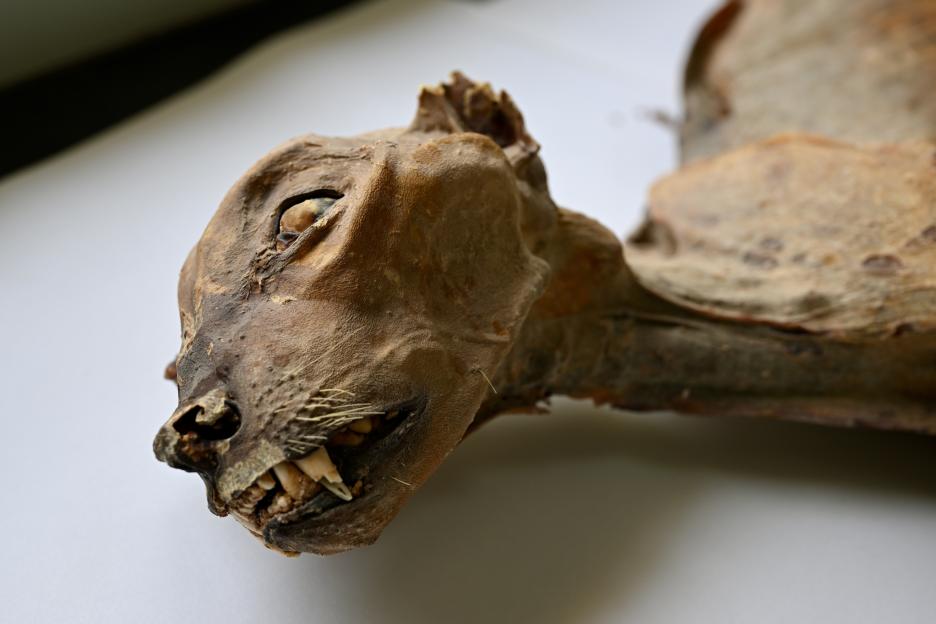 The mummified cheetahs were found stunningly preservedCredit: AP
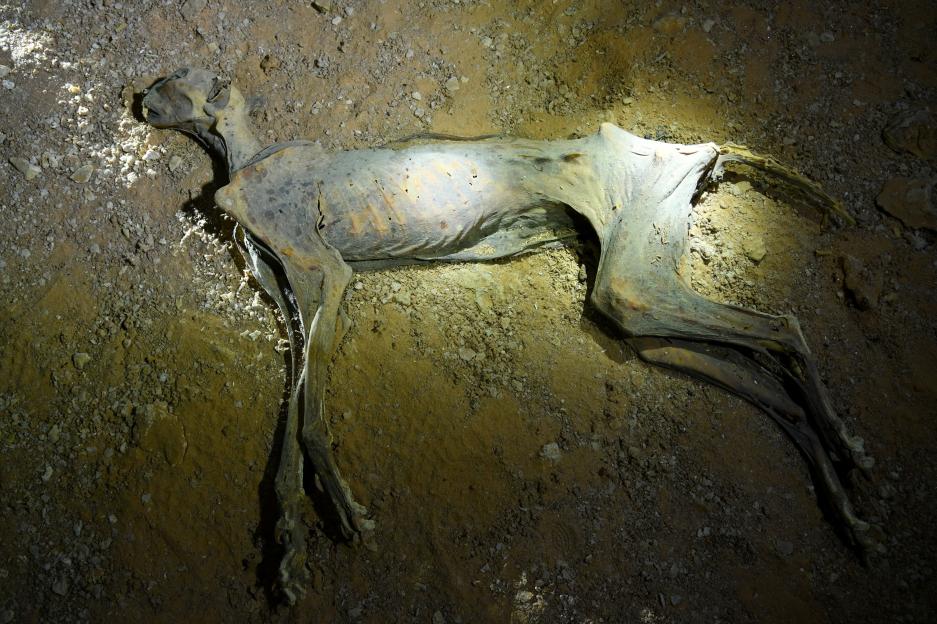 Scientists believe that the creatures may have been mummified by natural drying processesCredit: SWNS
Cheetahs have seen a huge decline all around the world, but they once roamed .
Now researchers have found a veritable treasure trove of cheetah remains in caves near the city of Arar.
These remains date from anywhere between 130 and 1,800 years old, giving scientists plenty to study.
But most striking among the remains were seven mummified cheetahs.
Mummification has often been throughout history, but it .
The exact process of the mummification of these particular cats remains a mystery.
But the researchers did say that natural mummies are “created in environments that enable desiccation”, which is the process of extreme drying.
They said natural mummies are “most common in arid soil caves that sustain hot, dry microclimates where bacterial action is inhibited”.
“Mummified carnivorous mammals can remain relatively well-preserved in dry caves for thousands of years,” said lead author Ahmed Al Boug, of the National Centre for Wildlife in Riyadh.
“The constant temperature and low humidity of the cave environments is conducive to mummification, which can preserve soft tissues of ancient cheetahs.”
The big cat mummies are so well-preserved that you can see their cloudy eyes and withered body parts.
It’s not exactly clear why there were so many cheetahs in the cave.
But the variety in cheetah ages suggests that it may have been used by mother cheetahs for giving birth and raising their young.
“The findings of different age classes of cheetahs suggest that in this region, they may have been using the caves as denning sites,” Al Boug explained.
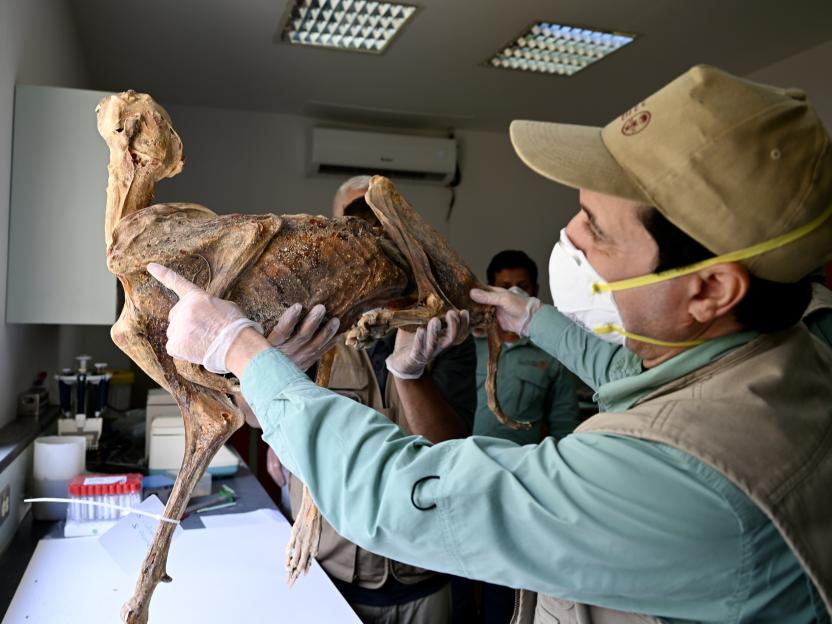 The cheetahs managed to avoid total decay and being eaten by other creaturesCredit: AP
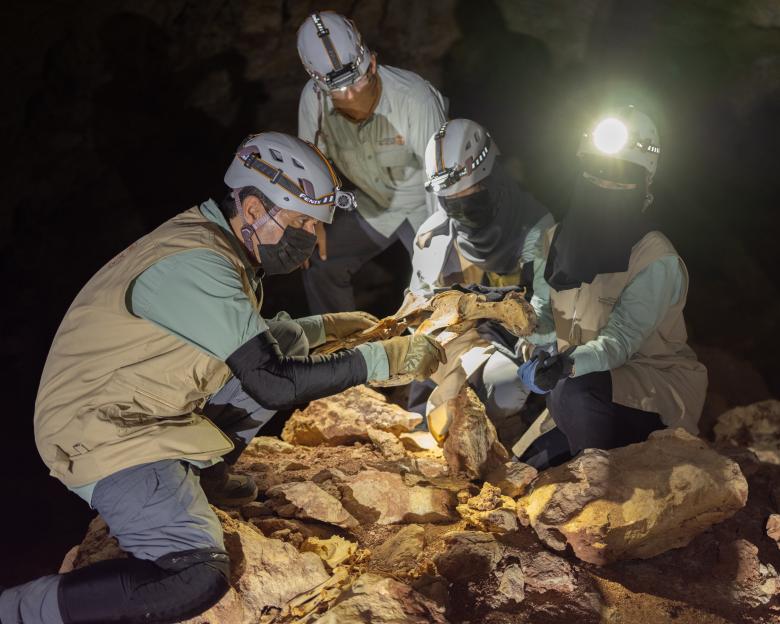 Scientists found the remains of dozens of cheetahs in the caves – but only seven were mummifiedCredit: SWNS
“This is evident by the larger proportion of cheetahs found in the caves compared to prey animals.”
It’s a rare discovery, because not only has the mummification process preserved the creatures so well, they also avoided being consumed by other animals.
Several prey animals were found in the caves, including the remains of gazelle, red foxes, and a wolf.
Cheetahs across most of the area of Africa without rainforests, as well as “much of Western and Southern Asia, from the Arabian Peninsula to “.
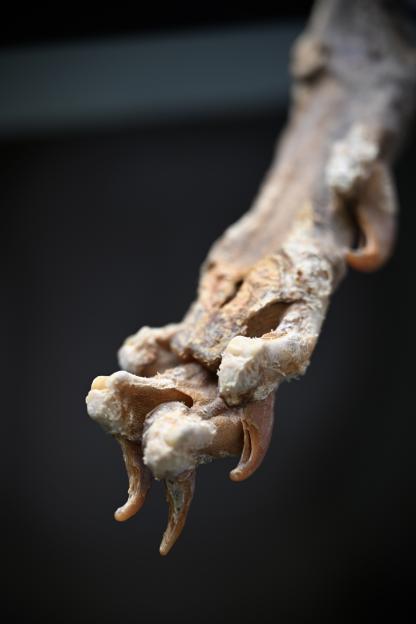 Even the claws remained preserved in the desert caveCredit: AP
Most wild cheetahs today belong to the Africa subspecies.
But scientists say just 50 to 70 Asiatic cheetahs remain in the wild, mostly in . It’s this species that is believed to have been present in Saudi Arabia.
It’s considered to be critically endangered with experts blaming “habitat destruction and overexploitation”.
This research was published in the journal Communications Earth and Environment.
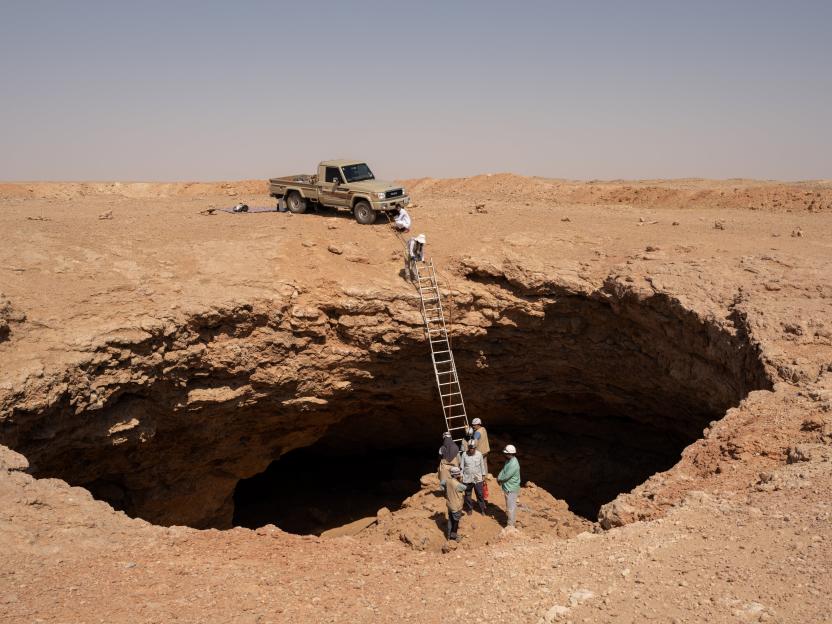 The caves are in the north of Saudi Arabia in a dry desert regionCredit: SWNS
 Sign up for The Sun Tech newsletter for gadgets, games & more
Hello! I'm Sean Keach, The Sun's Head of Technology and Science
I’ve been writing about gadgets, games and the future of technology for more than a decade.
During that time I’ve penned thousands of articles, filmed hundreds of videos, talked tech on TV and radio, and travelled around the world to bring you the latest on Apple, Meta, Google, Amazon, Netflix and more.
And I’ve got a weekly newsletter called The Sun Tech that you can read for free every Thursday.
I bring you the latest from the world of tech, including behind-the-scenes action, exclusive content, expert analysis, and plenty of help advice – so please follow along!