MULTIVITAMIN pills could slow ageing, a study claims.
Research found people taking one a day for two years showed four months’ less DNA damage than average for their age.
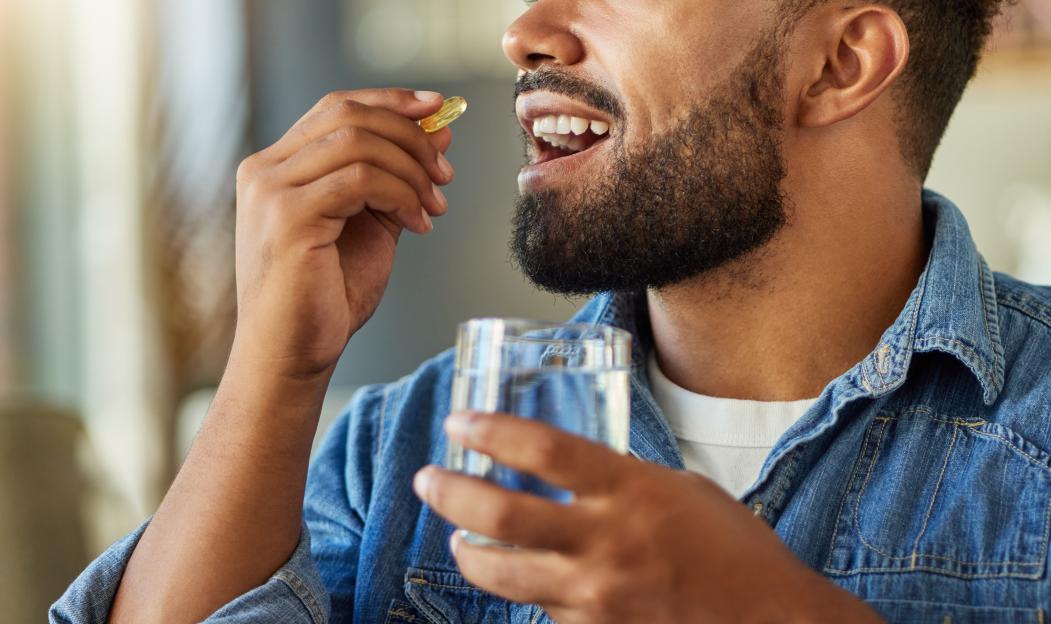 Taking one multivitamin per day could improve health, a study suggests (stock image)
It suggests you could wind back the biological clock by one year for every six years you take a daily .
Slower biological ageing means you have medical readings lower than average for your .
Scientists do not agree on whether vitamin pills are good for you but say they are unlikely to be harmful.
They are super cheap and cost as little as just 2p per tablet.
The new study, by Mass General Brigham hospital in Boston, USA, and funded by manufacturers, tracked their use in 958 people around the age of 70.
It used five tests for levels of age-related DNA damage to estimate participants’ biological age.
Our genes change, break down and make more errors as we get older and this is linked to declining .
Many older people are also such as vitamin B and D, which can contribute to feeling poorly.
The research showed people who took multivitamins had slower signs of ageing on two of the five genetic clocks used, compared to zero for people who took fake pills.
The average difference was equal to ageing about four months less over the two-year period.
Senior author Dr Howard Sasso said: “A lot of people take a multivitamin without necessarily knowing any benefits from taking it, so the more we can learn about them, the better.
“It was exciting to see benefits of a multivitamin linked with markers of biological aging.
“There is a lot of interest in identifying ways to not just , but to live better.
“This opens the door to learning more about accessible, safe interventions that contribute to healthier, higher-quality ageing.”
Experts estimate the global anti-ageing industry is worth more than £41billion.
Independent researchers argued Dr Sasso’s study, in the journal Nature , showed only “extremely small” benefits from the vitamins.
Dr Pilar Guallar-Castillon, at the Autonomous University of Madrid, said: “Stop spending your money on multivitamins and instead make an effort to eat a diet rich in fruit and vegetables and low in ultra-processed foods.”
The foods and drinks causing you to AGE faster
By Eva Gizowska
CRISPS, cakes, , hot dogs, – it’s not rocket to know that these foods aren’t exactly healthy.
But what if you were told that they could make you age faster – would you cut back?
In fact, experts say diet can increase your biological age, which refers to how old your body is, based on how fast it’s declining.
It can be older or younger than , which is how many years you have lived.
An accelerating biological clock will also make you look older.
“It causes cells to age throughout your body, and this affects the cells of your skin,” says Gemma Clare, functional nutritionist and integrative skin expert.
“While you may not be aware that your heart or lungs are ageing at a faster rate, the signs of are much more obvious on your skin and body.”
Unhealthy foods are usually either high in fat, sugar and salt, or all of these, and are referred to as ultra-processed foods (UPF).
A recent study by Monash University in , , found that for every 10 per cent increase in UPF intake, biological age goes up by 2.4 months.
It’s the equivalent of only 200 extra calories in a 2,000 calorie-per-day diet, which could amount to just a couple of biscuits.
In reality, though, UPFs account for at least half the average person’s daily food intake, research suggests.
If you think your diet could be in a downward spiral, rein it in by cutting these ‘ageing’ foods and drinks –
- Sugar (e.g. fizzy drinks, cereal, fruit yoghurt, milk chocolate)
- Seed oils (e.g. rapeseed, soyborn, corn, sunflower, safflower)
- Salty foods (e.g. ready meals, takeaways, crisps)
- Charred foods (e.g. burnt toast, crispy bacon)
- Processed meats (e.g. salami, hot dogs, pepperoni, deli meats)
- Alcohol