THOUSANDS of homes could be built near UK railway stations as part of plans to expand commuter villages.
The changes to the National Planning Policy Framework were introduced to speed up housebuilding.
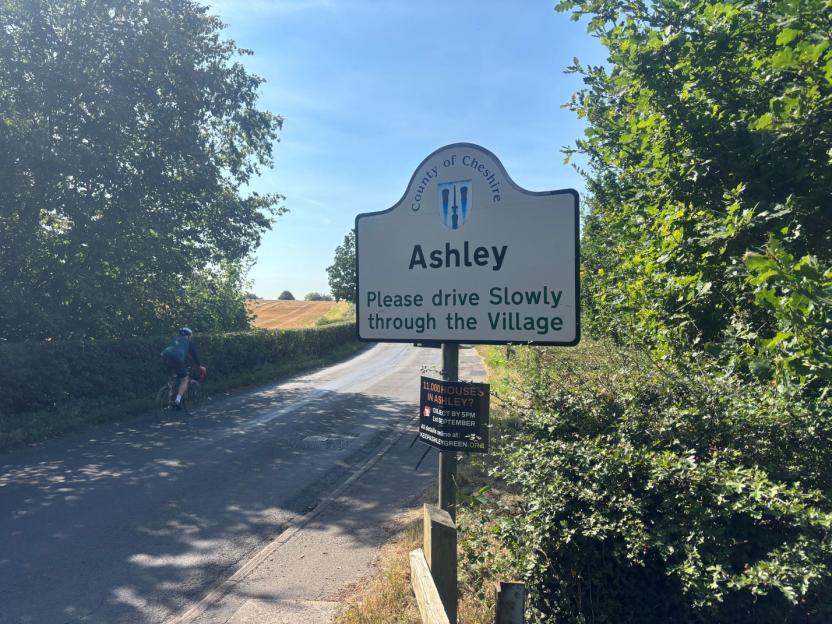 Ashley, in Cheshire, has a current population of 350 but offers direct railway access into Manchester Credit: Cavendish Press (Manchester) Ltd
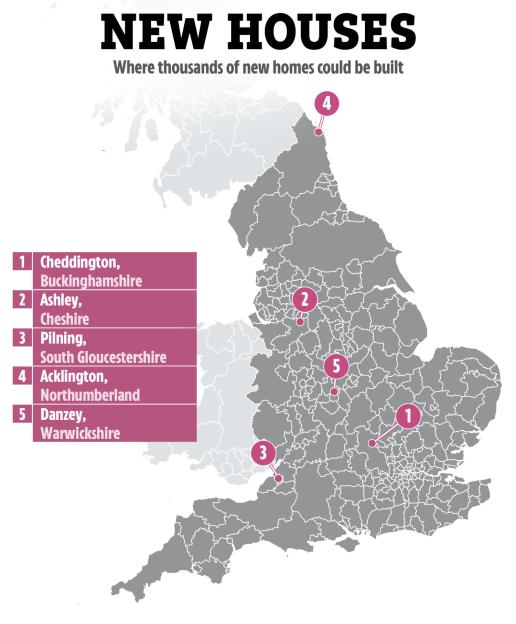 Thousands of homes may be proposed for these five areas – which are currently small commuter villages
Housing Secretary announced a series of changes to national planning guidance today (August 17) which could see thousands of new homes built within 10 minutes of transport hubs.
The changes include an order for councils to have a “default yes” on housing plans near train, tram and underground stations, including those on .
However, developments proposed for green belt areas will need to have higher levels of and new green spaces as part of the government’s “golden rules”.
According to the i Paper , areas targeted for the new developments may be villages such as Ashley, in Cheshire, and Cheddington, in Buckinghamshire, due to their proximity to direct railway lines into major cities.
Both villages are also surrounded by hectares of “buildable” green-belt land (around 181 and 190 respectively), which advocates believe will be ideal for new housing developments.
The i Paper also reported that Centre for Cities, an independent think-tank, believes that more than two million homes could be built around just five areas – London, Bristol, , Manchester and Newcastle.
These plans come as the government aims to construct around 1.5million new homes by 2029, in order to address the housing crisis.
On Sunday, Rayner said that “too many people are being priced out of communities” and “by unlocking thousands of homes around well-connected transport hubs, we’re helping people live closer to work, school and the services they rely on”.
Other changes include better protections for against developers seeking to turn the venues into housing or offices.
Developers must now prove there is no prospect of keeping a pub going before a change of use can be considered.