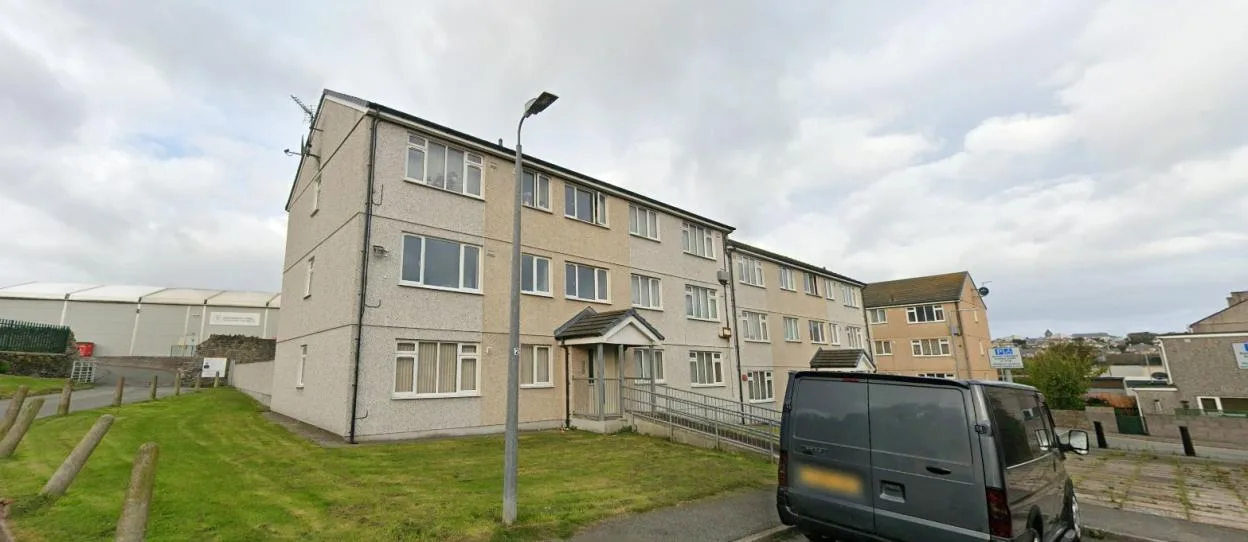
IN a sleepy North Yorkshire village – where the biggest excitement is a particularly lively bingo night – residents fear their peaceful existence will soon be shattered.
The tranquil village of Linton-on-Ouse faces an influx of migrants with plans to turn its former base into a sprawling asylum processing centre.
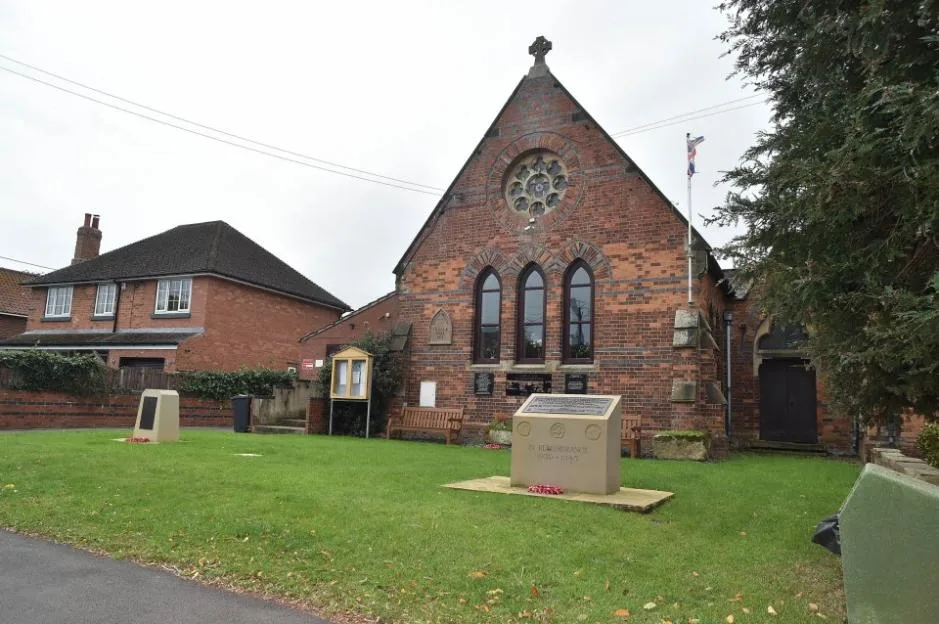
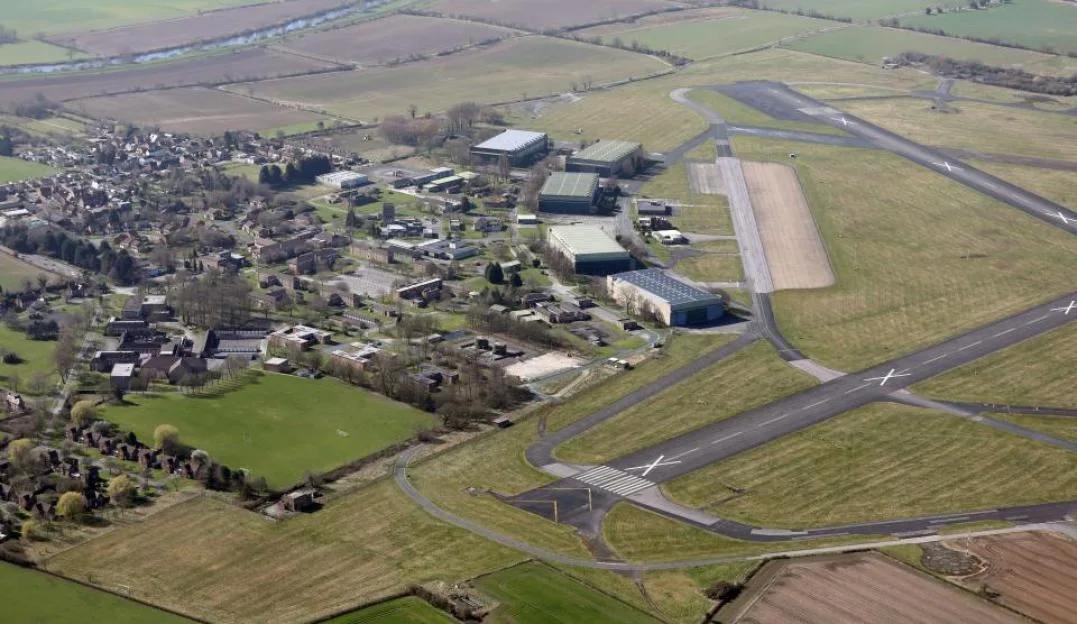
Linton-on-Ouse sits amid rolling farmland, boasting a solitary pub among a scattering of quiet residential streets.
Its village shop has closed, the nearest manned station is 12 miles away and the small number of residents who live there are served by one infrequent bus service.
But villagers are set to be dwarfed by the prospect of up to 1,200 migrants accommodated on their doorstep – potentially leaving the existing population outnumbered almost two to one.
Residents previously branded the plan’s the – dubbing it “Guantanamo-on-Ouse”.
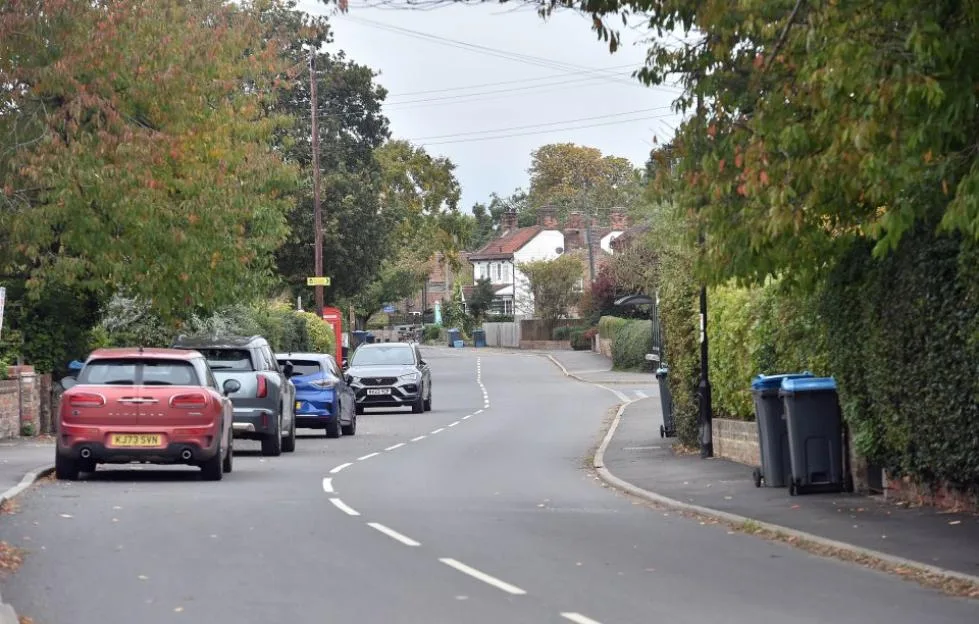
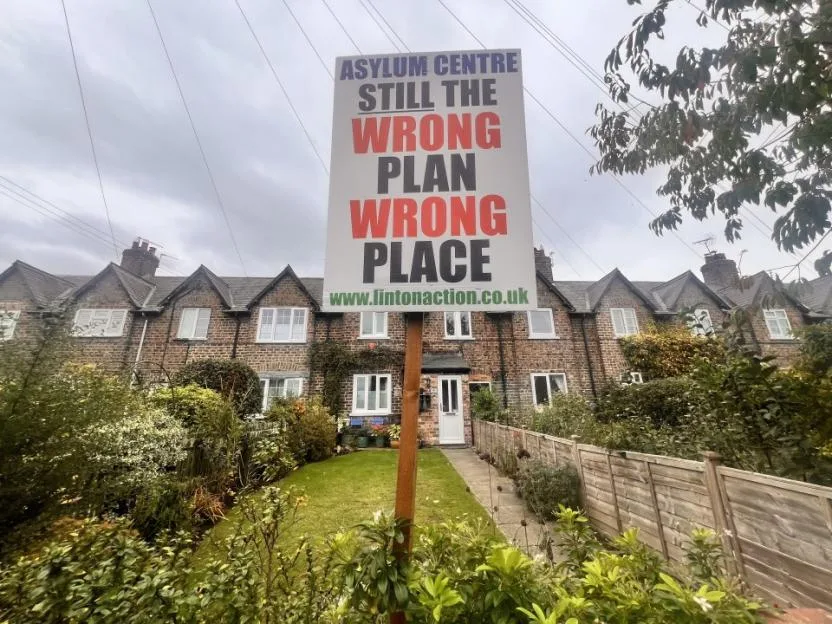
Locals – many of whom live just a handful of metres from the perimeter of the proposed camp at RAF Linton – are furious and fearful.
Placards, banners and posters can be found between the village’s stone cottages and neat hedgerows, displaying a simple message: “Wrong plan. Wrong place.”
Home Office officials have however previously insisted the site will have permanent security and appropriate accommodation.
Lyn Wilson, 69, who has lived in Linton-on-Ouse for a decade, said she would fear for the safety of herself and her four grandchildren, branding the proposals as “absolutely ridiculous”
She said: “What are 1,200 young men going to do around here? Come to the craft group on a Tuesday afternoon?
“We’re tiny village of 600 adults and 100 children. We’d be absolutely dwarfed by young men.”
Lyn says she’d “no longer walk up and down the street” and fears many families – who moved into Linton after Covid – will no longer use the village playground.
RAF Linton opened in 1937 and became an important bomber station during the Second World War, when British and Canadian airmen flew dangerous missions against the Nazis.
The base closed in 2020 and was subsequently proposed as an asylum reception centre by the Tories in 2022.
Those plans were eventually shelved after furious opposition – only for Labour to announce this year they were once again looking at housing asylum seekers.
Under the controversial scheme, 1,200 migrants at a time would live on the base while having their claims processed, free to come and go as they please.
The plans were grimly dubbed “Guantánamo-on-Ouse” by a Lib Dem councillor – in reference to the US military detention site in Cuba.
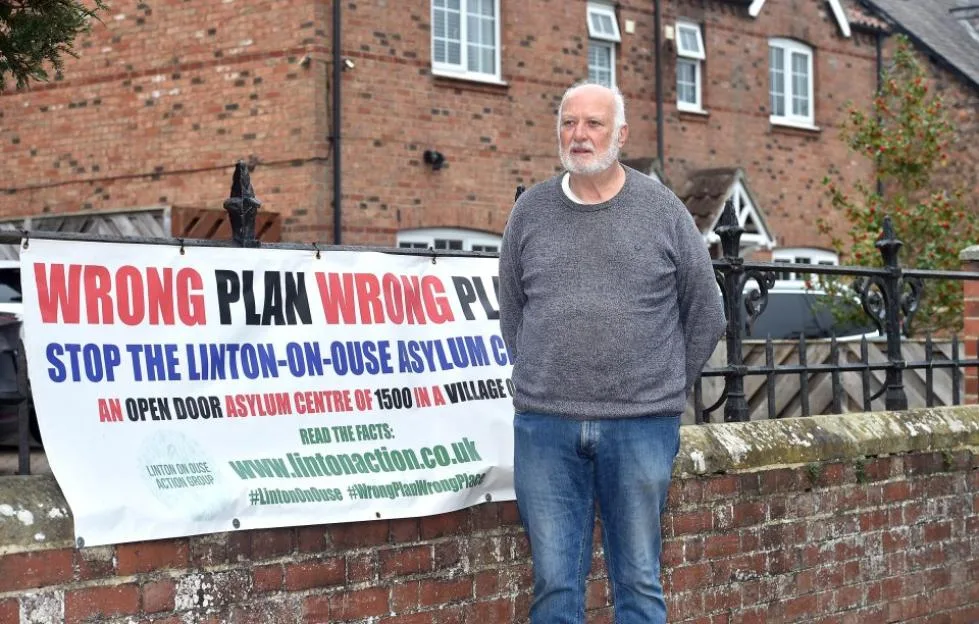
Retired IT support manager Phil Banks, 72, said the prospect of turning RAF Linton into an asylum centre was unworkable.
He said: “We got told we’re middle class, that we should take our fair share. A lot of people in the village would agree – a fair share.
“Going by government figures, that would be one asylum seeker per 200 residents. So our fair share would be three. Not 1,200.”
Mr Banks added: “It’s the wrong place for them, and it’s the wrong place for us.
“It’s nowt to do with race. If it were 1,200 young men from around the UK – Newcastle, Glasgow, London – it wouldn’t work. What are they going to do?”
The Linton Action Group has calculated that converting and operating the former RAF base could cost taxpayers £270million.
The group said each occupied bed per night could cost up to £853 – more than the cost of keeping asylum seekers in hotels.
But the Home Office says its plans to close asylum hotels will save money – and said they do not “recognise” the figure touted by the group.
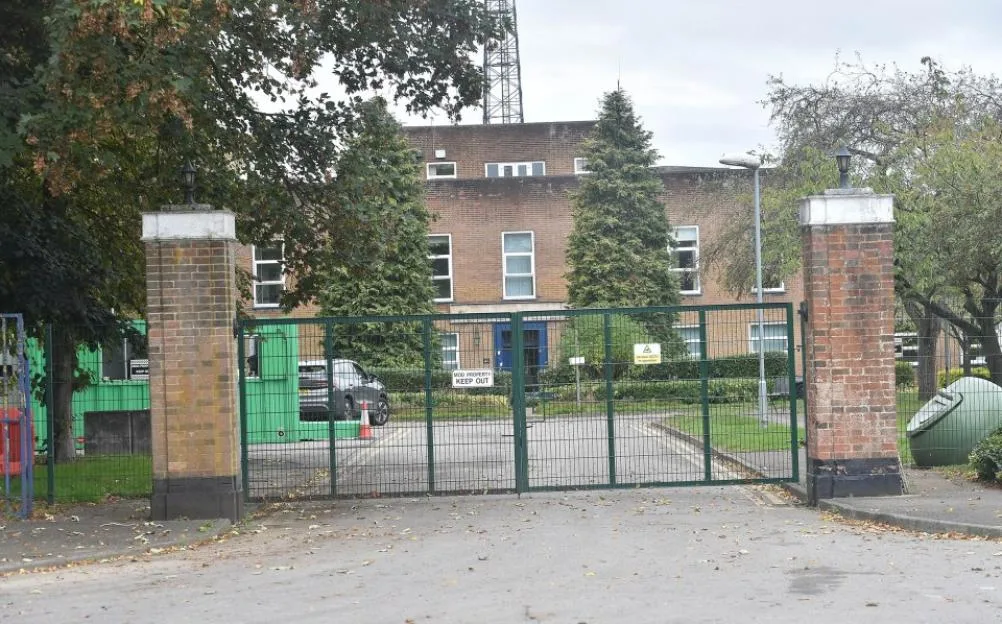

The action team has written to the Chancellor John Healy demanding a full financial review ahead of work to convert the base.
And they claim the site may only be able to operate it for three years before being returned to the Ministry of Defence.
Group chairwoman Prof Olga Matthias described Labour’s plan as “impractical’ and ‘ridiculous”.
She said: “You only have to look for two seconds to see that it doesn’t work. It can’t possibly work.
“I’m just gobsmacked at the utter sheer, complete stupidity of persisting with this plan.”
Prof Matthias, who moved from Leeds during lockdown in search of peaceful country life, warned residents could be left trapped in they cannot sell.
She added: “Life circumstances happen. People need to move for a job, for children, to downsize. And if this centre happens, people can’t go.
“About a third of the village are rental properties – people have already handed in their notices.
“I don’t think I would be able to sell, even if I wanted to. Would you buy my house – however beautiful it is – when there are these plans afoot?”
Lyn also fears that people who bought homes after the previous asylum plans were abandoned could find themselves exposed.
She said: “Some of the families who have moved in since 2022 thinking the worry is gone, they could effectively end up in negative equity if they did want to move, because they’ve bought more recently.”
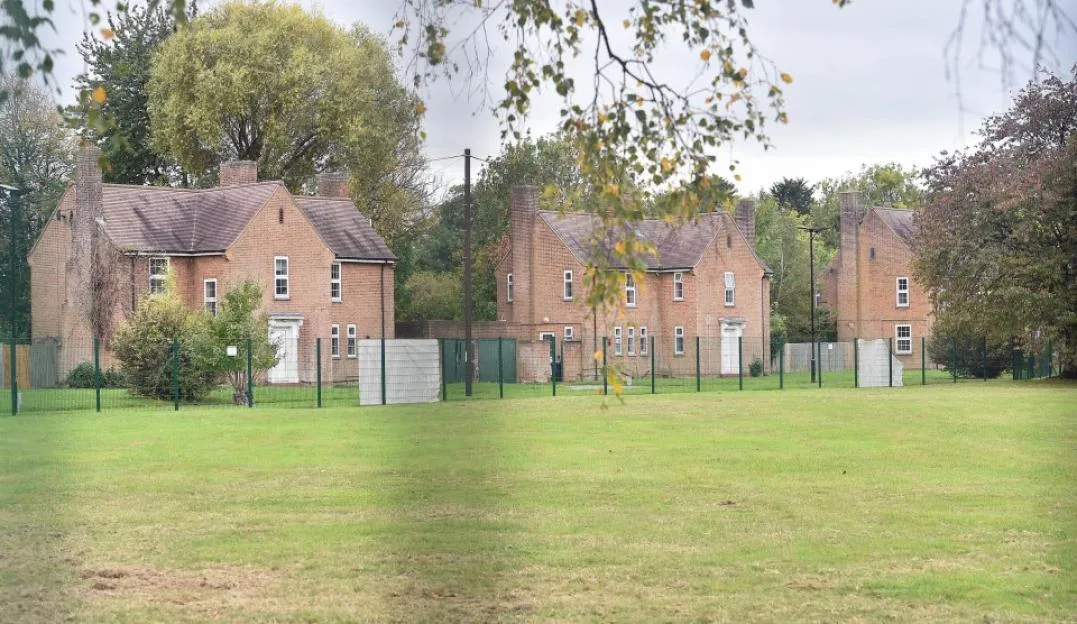
Unlike other isolated military camps dotted around the country earmarked for asylum processing, RAF Linton is embedded within residential streets and cul-de-sacs.
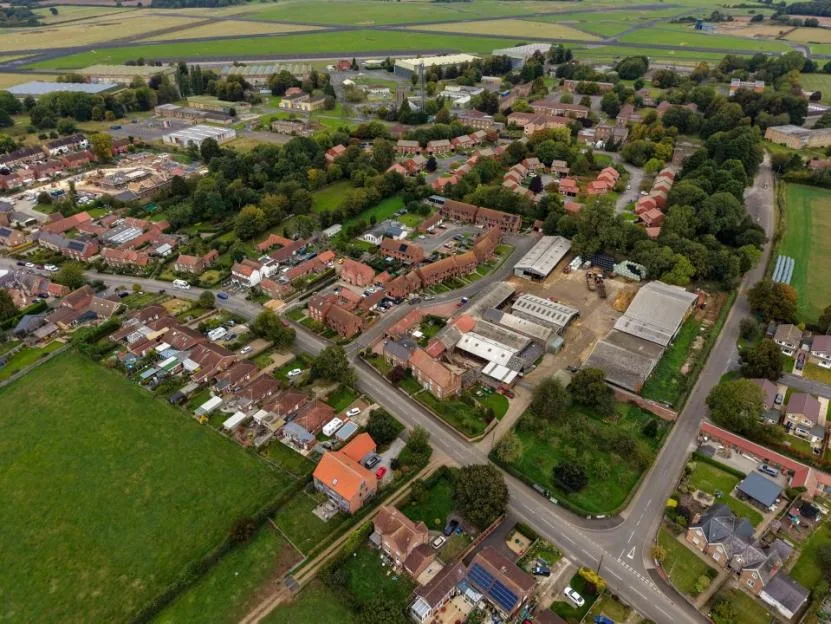
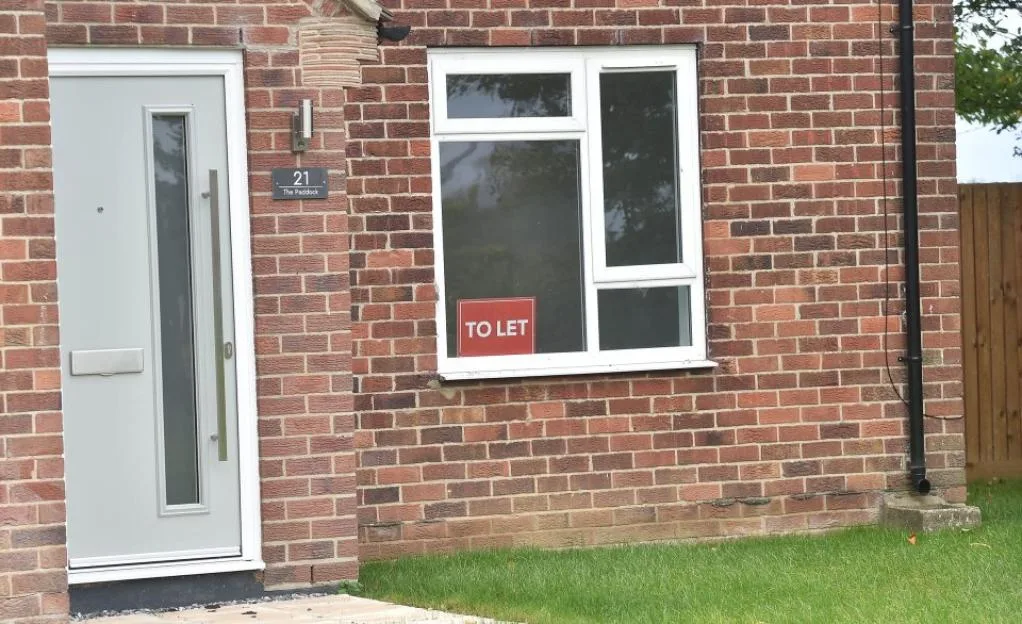
On the other side of the metal fence which once separated the base from civilian streets are a clutch of renovated former military homes.
The properties were promoted to families and professionals seeking peaceful country living within commuting distance of York.
But at The Paddocks, the show home is surrounded by empty properties with stark “TO LET” signs displayed in windows.
Some tenants have already handed in their notice, according to local residents.
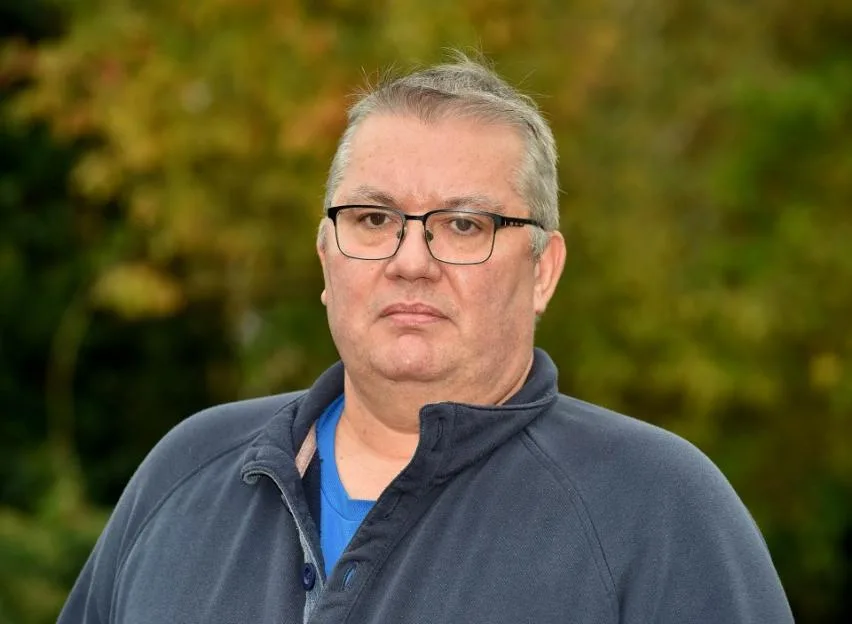
Dean Bovington, 56, was a security officer at RAF Linton during his 28 year career in the Armed Forces, relocating back to the village a decade ago with his now 17-year-old son.
Dean said: “I’m a bit worried for him. He’s quite naive because we are in a small village. So, even if he is taller than me, he’s not quite as worldly-wise.
“My predominant concern is my son and I know lots of people in the village have similar fears for their children, especially teenage girls and younger.”
Under the latest proposals, the former airfield would house single adult male asylum seekers aged between 18 and 65, with CCTV and 24-hour security in place.
People accommodated there would be free to come and go, although they would be required to sign in and out.
Labour says the scheme would operate for a minimum of three year and cut Britain’s reliance on expensive asylum hotels.
But critics say the former RAF base should instead be redeveloped to provide desperately needed homes.
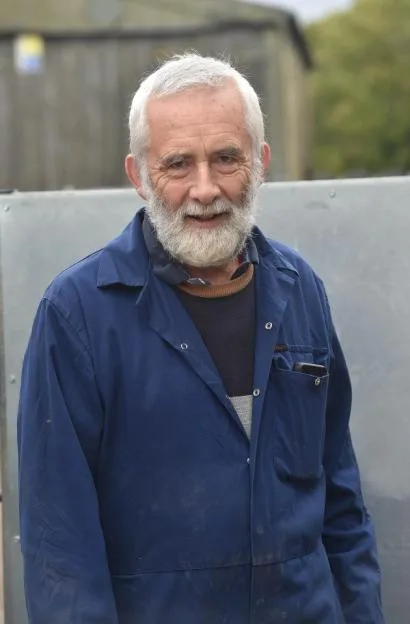
Farmer Chris Kirby, 75, grows crops on the land surrounding RAF Linton and for more than three decades has mown the air strip’s grass.
He said: “They need to do something with the site because it’s not been used for anything for more than five years. But an asylum processing centre is not the answer.
“We all thought we had heard the last of this in 2022, when they realised just how unworkable this was.
“The buildings have deteriorated even more since then, there’s still very little power and the sewage is already overloaded.”
The says no final decision has been taken, with feasibility assessments still outstanding and locals left in limbo.
A Home Office spokesperson said: “We do not recognise this figure. We are working to fairly house asylum seekers across the country, engaging with local authorities to reduce the impact on communities.
“This includes closing every asylum hotel and moving to alternative accommodation, including former military sites, saving taxpayers over £1bn on asylum support since the election.”