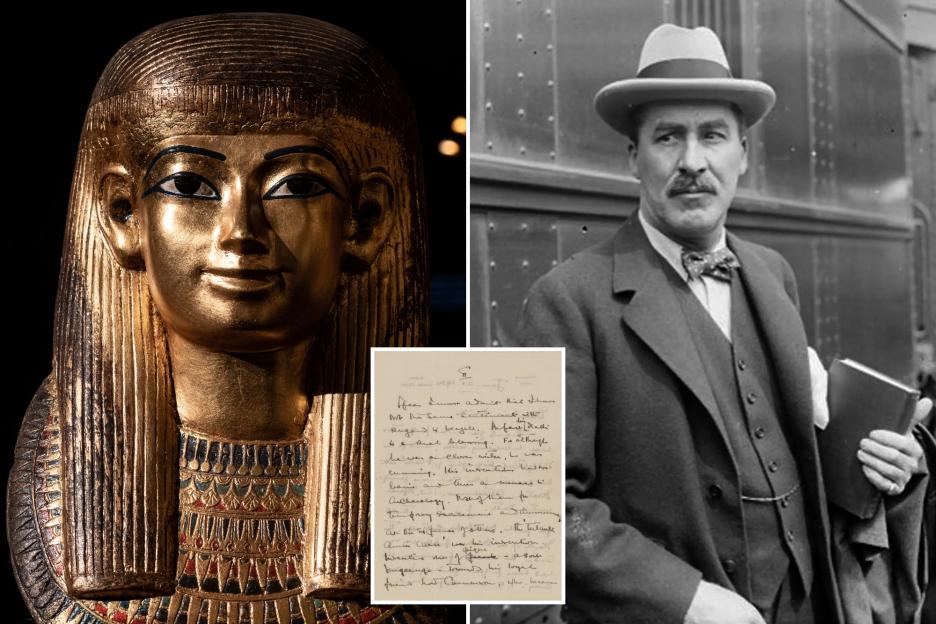
A SCATHING letter celebrating the death of the man who invented the “Curse of Tutankhamun” has been unearthed after nearly a century.
British archaeologist Howard Carter penned the bombshell document in 1934 referring to the death of Egyptologist Arthur Weigall as a “blessing”.
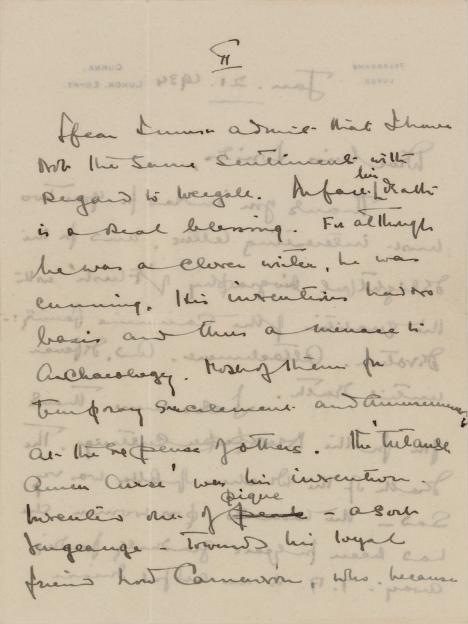 The brutal letter was penned by Howard Carter after Egyptologist Arthur Weigall died in 1934Credit: BNPS
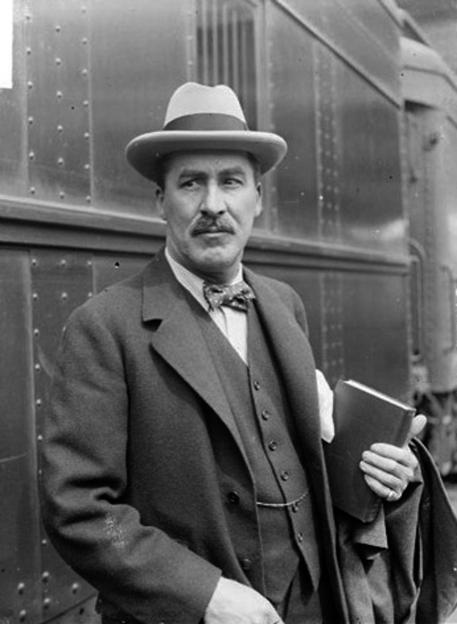 Howard Carter discovered Tutankhamun’s tomb in 1922Credit: Alamy
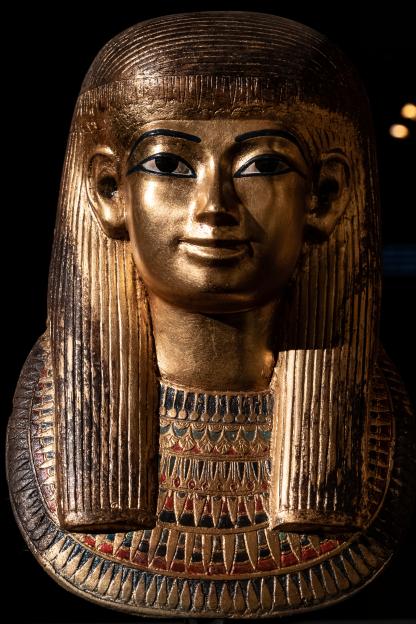 Weigall came up with the ‘Curse of Tutankhamun’ after Carter’s benefactor Lord Carnarvon diedCredit: Getty
The pair’s feud was sparked following Carter’s amazing discovery of Tutankhamun’s tomb in 1922.
The archaeologist and his benefactor, Lord Carnarvon, struck a deal with The Times for exclusive access to their site in the Valley of the Kings.
At the time, the Daily Mail had commissioned Weigall to cover historic find.
Weigall – who had been nonplussed at the exclusivity deal when he ran into a joyous Carnarvon entering the tomb, said: “If he goes down in that spirit, I give him six weeks to live.”
In a shock twist of fate, six weeks later Carnarvon dropped dead from an infected mosquito bite.
Upon hearing the news, Weigall spent hours writing countless articles exploring the baseless notion that Tutankhamun’s tomb was possessed by an evil entity.
He wrote a fantastical story that was cemented into the mystique surrounding the royal grave, suggesting that anyone who disturbed the dead king’s resting place faced bad luck, illness or death.
Despite capturing the curiosity of readers all over the world, the theory left Carter incensed.
In a letter to Helen Ionides, he wrote that Weigall’s death was “a real blessing”.
“The death of the Duchess of Alba was very sad — the more so, poor woman, she had been for years gradually fading away. TB is an awful disease,” he wrote.
“I fear I must admit that I have not the same sentiments with regard to Weigall. In fact his death is a real blessing.”
Carter acknowledged that while Weigall was “a clever writer, he was cunning”.
“His had no basis and thus a menace to ,” he wrote.
Carter said Weigall’s fictional tale had been for “temporary excitement and amusement, at the expense of others”.
“The ‘Tutankhamun Curse’ was his invention,” Carter seethed.
“He was never at the opening of the discovery. He was the last of the correspondents to arrive, several minutes afterwards.”
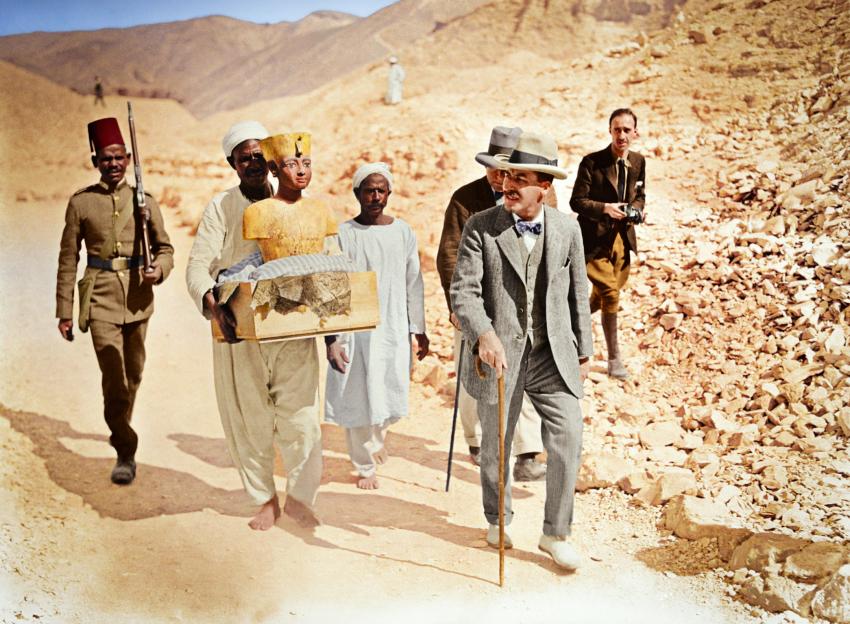 Howard Carter with some of the precious items found in the tombCredit: Times Newspapers Ltd
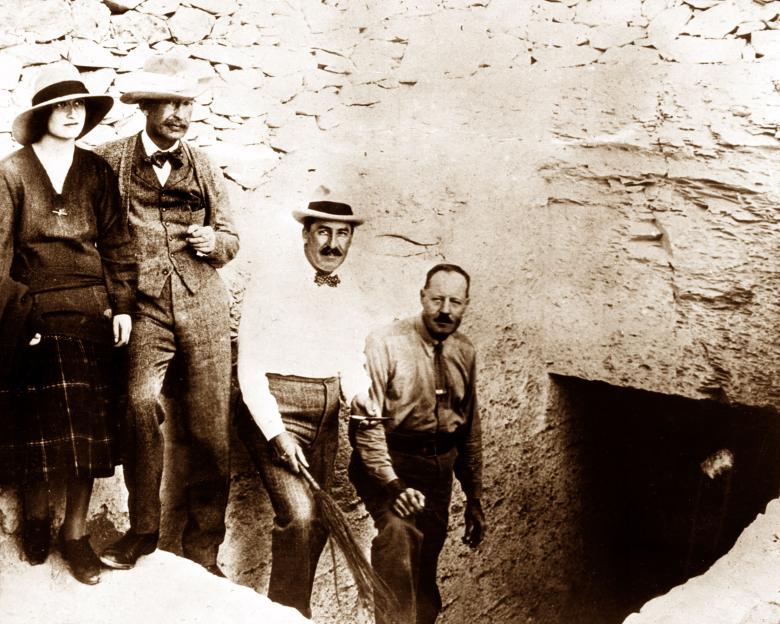 Howard Carter and Lord Carnarvon had sold exclusivity rights to The Times for their Tutankhamun Tomb findCredit: Alamy
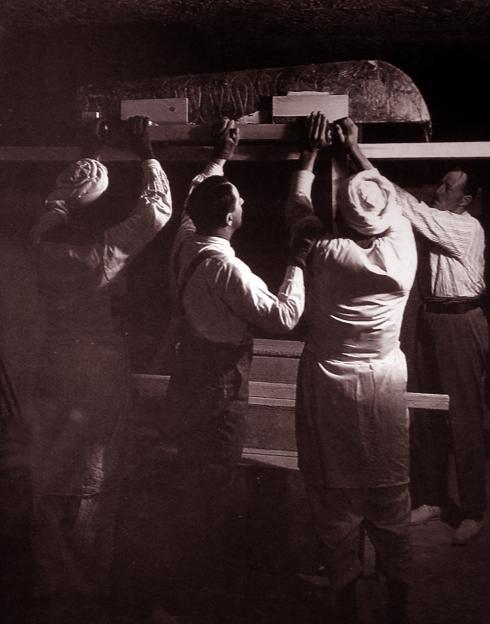 The tomb was discovered in the Valley of the Kings, near Thebes in EgyptCredit: Getty
He ended his penned tirade saying: “enough of this venom I must direct to a more pleasant subject.”
The three-page, handwritten letter that had a Curna, Luxor, letterhead, was revealed through its sale at an auction.
The note sold for a huge £12,000 at RR Auction in Boston.
Arthur Merton was the Cairo correspondent for The Times and had been alerted by his friend Carter about the dig.
In January 1923 Carnarvon signed the exclusivity contract with The Times, which paid him a handsome £5,000 and 75 per cent of the syndication profits
The deal gave the outlet exclusive rights to distribute all news and photographs from the tomb as its secrets were slowly unveiled.
Merton wrote that Tutankhamun’s tomb was “the most sensational Egyptological discovery of the century”.
Ancient Egyptian tombs were plagued with rumours of “curses”, threatening to fatally injure anyone who robs or desecrates the graves.
Coupled with legends of 3,300-year-old buried treasure, every newspaper was desperate to report on the luxurious contents of the tomb.
Rival British newspapers were hot under the collar over when realising The Times had scooped the story of the century.
Weigall went on to write several articles on “the malevolence which is supposed to linger around the bones of the ancient dead”.
What is the ‘curse’ of Tutankhamun?
One of history’s most enduring urban legends, the myth of the curse was born from the intersection of archaeological triumph and sensationalist journalism.
After Howard Carter and Lord Carnarvon opened the boy king’s tomb in 1922, the world was enthralled.
However, the narrative shifted from discovery to dread when Lord Carnarvon died from an infected mosquito bite just months later.
Egyptologist Arthur Weigall, who was upset that Carter and Carnarvon had sold exclusivity rights to The Times, later wrote that the tomb bore an inscription promising death to anyone who disturbed the Pharaoh.
While no such text existed, the media fuelled the fire by linking various accidents and natural deaths of the excavation team to supernatural retribution, thus giving birth to the “Curse of Tutankhamun”.