SHOULD I be worried that an electric-vehicle lobbying group has predicted filling stations will no longer bother stocking diesel in four years’ time?
The RAC Foundation has also sounded a warning, claiming that soon it won’t be electric car drivers who are suffering from “”, it will be .
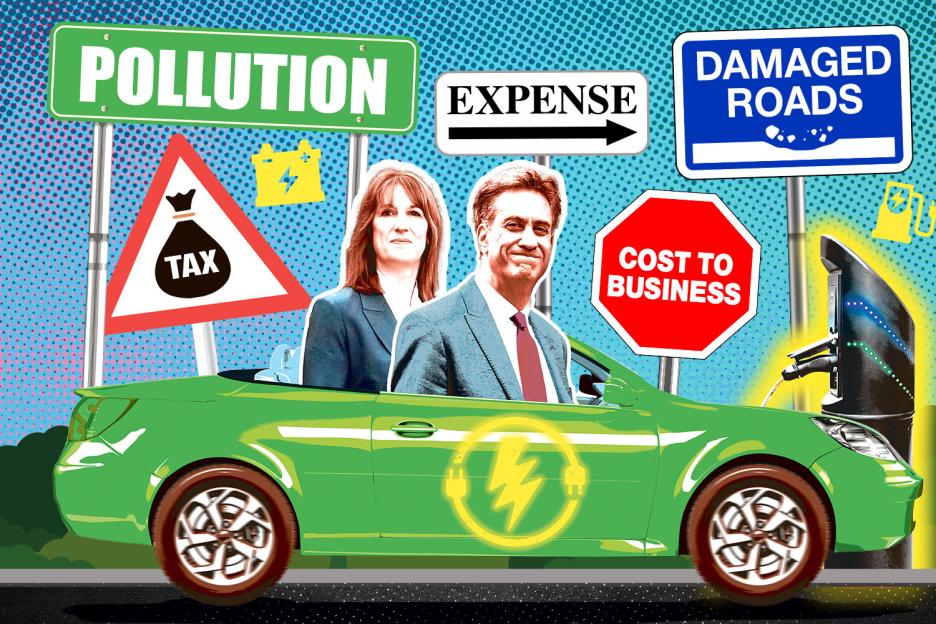 In its rush for Net Zero, the Government has ignored the costs – and Brits are paying an astronomical price
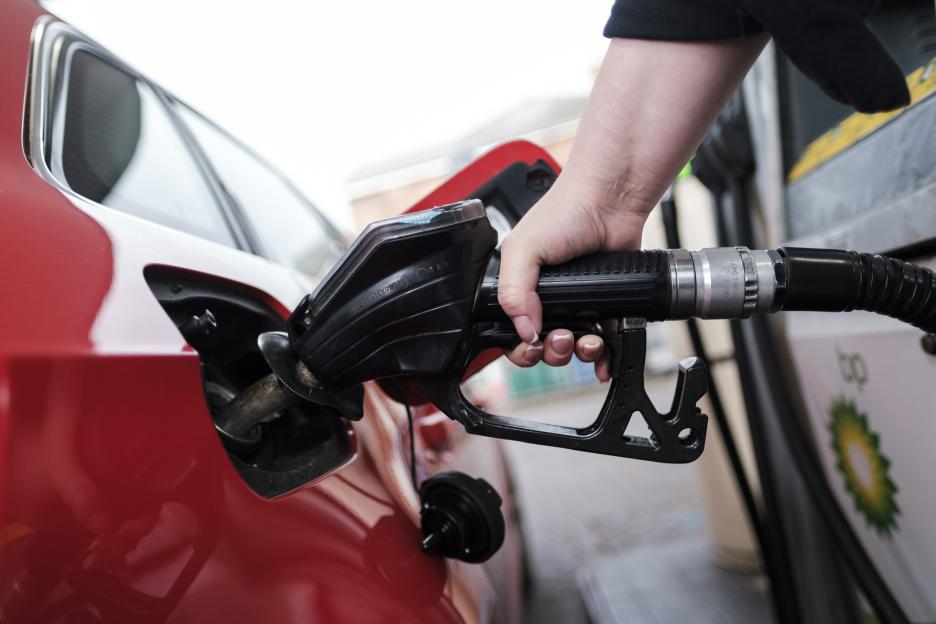 Many of the UK’s 8,400 forecourts are predicted to scrap diesel pumps entirely by 2035Credit: Getty
I am not all that worried, to be honest. My estate has a range of 700 miles, meaning I could drive from my home in East Anglia to John O’ Groats without filling up.
There is sure to be somewhere along the route that will stock diesel, until long into the future.
And if I wanted to go even farther, I could fill a jerry can and put it in the boot.
Just for fun, I asked an app to plan a journey to John O’ Groats in an electric .
It told me I would have to recharge six times en route, spending a total of more than four hours plugged into fast chargers.
Several of those charging stations have only a single charger. Gawd help me if it was broken, as so many seem to be.
To reach John O’ Groats would apparently cost me £101 in electricity — about £30 more than it would cost me in diesel.
And that is before taking into account , which is supposed to come into force in 2027.
That would add another £19 on top. And don’t think the taxes on will end there.
Somehow, I don’t think is going to want to give up the £24billion she raised in fuel duty last year.
The Government keeps telling us it wants us to drive electric cars, and is even bribing us with grants of up to £3,750. More fool those who fall for the bait.
Ross Clark
The 3p-a-mile charge on electric cars will just be for starters.
You can guarantee it will be increased until it is raising as much as fuel duty does today.
The Government keeps telling us it wants us to drive electric cars, and is even bribing us with grants of up to £3,750.
More fool those who fall for the bait.
When I bought my first diesel car, the Government was trying to encourage them, too, on the grounds they do more miles to the gallon than petrol cars.
They certainly do — I often get more than 60mpg out of mine.
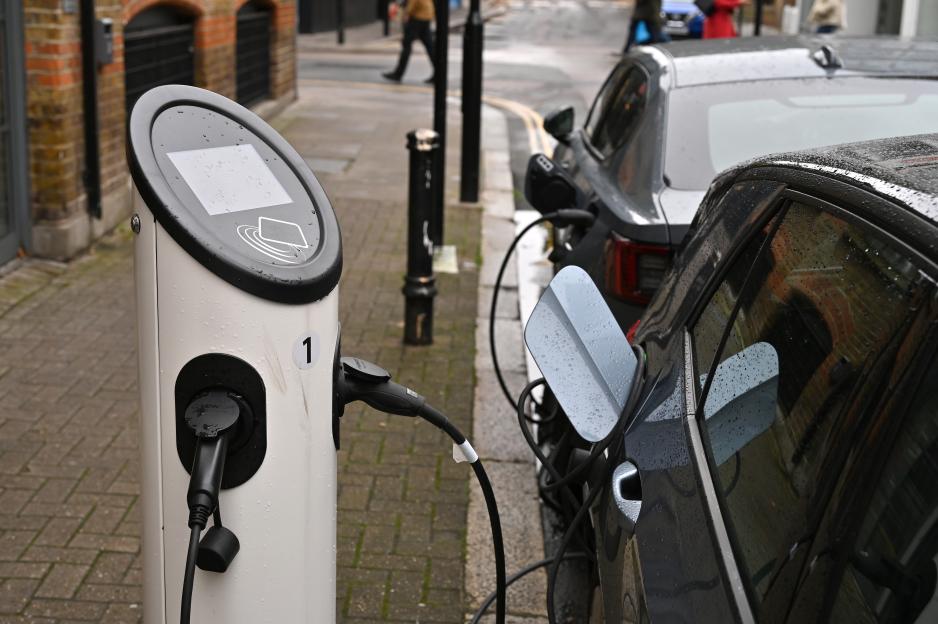 Taking Labour’s bait to go electric could cost you dear compared to sticking with dieselCredit: Getty
 Diesel drivers once hailed for efficiency are now being hit with higher fuel duty — and London Mayor Sadiq Khan is charging £12.50 a day for pre-2016 modelsCredit: AP
Yet within a few years of going diesel, I woke up to find myself being branded an environmental vandal.
Worst is yet to come
The Government had decided diesels were filthy, and needed discouraging with higher fuel duty.
London Mayor started charging owners of pre-2016 diesels .
I know old diesel engines used to spew out a lot of harmful soot, but they are a lot cleaner now.
According to monitoring company Emissions Analytics, 2,000 times more particulate pollution is now caused by tyre wear than by engines.
Electric cars are especially bad for tyre emissions because they are heavier than equivalent petrol or diesel cars.
The same as happened with diesels has since happened with plug-in hybrids.
One minute we were being encouraged to buy them with grants, relief from company car tax and an exemption from the , the next minute owners were being clobbered with taxes.
From April 2028, they will be paying 1.5 pence per mile as well as fuel duty.
I am pleased I didn’t fall for the bait.
When I changed my car three years ago, a plug-in hybrid was top of my shopping list.
But then I realised many of them would struggle to do 30 miles before they ran out of charge.
The worst, though, is yet to come. The Government announced this week that it plans to ban sales of new diesel lorries from 2040.
Ross Clark
Switch over to run on a petrol engine and I would be doing far fewer miles to the gallon than I get out of my diesel because most plug-in hybrids are heavy, having a battery as well as a normal engine.
The worst, though, is yet to come. The Government announced this week that it plans to .
If hydrogen-powered lorries are not widely available by then — and there is little sign of them taking over from diesel at the moment, with hardly anywhere to refuel them — it means hauliers will have to depend on vehicles that are high-priced and excessively heavy.
Either the Government will have to relax weight restrictions, with dire consequences for the state of our already deeply potholed road network, or each lorry will be limited to carrying fewer goods.
Rather than use their lorries intensively as they do now, hauliers will have to take them off the road for long periods in order to recharge them.
It will be yet another punishing layer of costs on top of business rates, National Insurance Contributions and all the other burdens this Government has loaded on to UK industry.
In its zeal to reach Net Zero carbon emissions, the Government has laid all other considerations aside.
The price we are being forced to pay is astronomical.
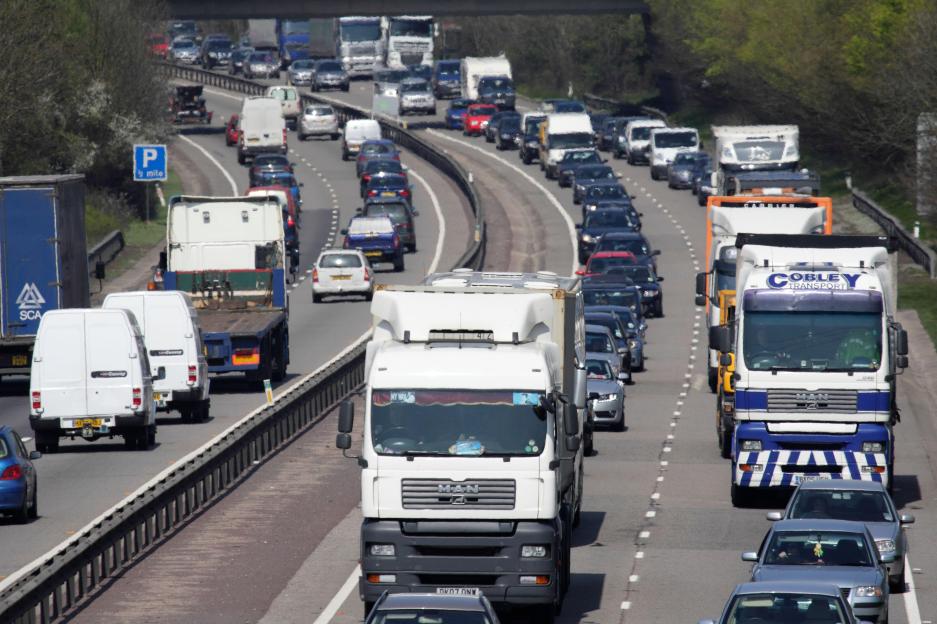 The Government plans to ban new diesel lorries from 2040, leaving hauliers facing costly, heavy alternatives and major disruption on UK roadsCredit: Alamy