
SCOFFING junk food regularly could raise the risk of suffering injury to the brain by up to 40 per cent, a study suggests.
Foods laden with preservatives such as ready meals and crisps have been over their alleged risks, with dozens of studies linking them to a host of diseases.
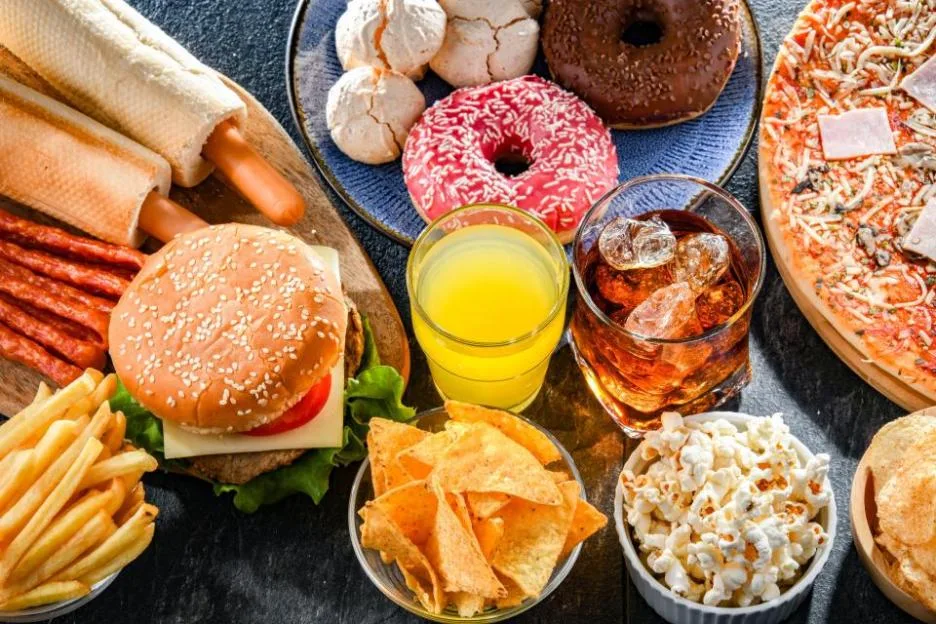
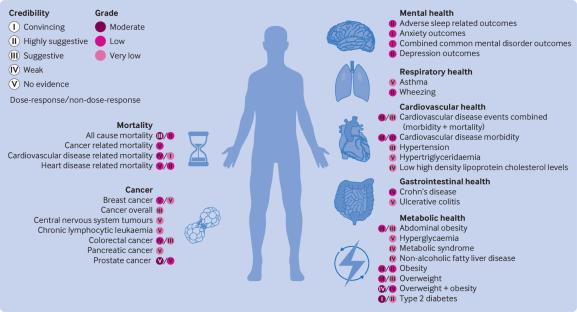
Experts have even called for ultra-processed foods (UPFs) – typically anything edible that has more artificial ingredients than natural ones – to be .
Now in a major review, scientists in Canada discovered that frequently consuming UPFs was linked to higher rates of suffering a subclinical vascular brain injury.
Also dubbed a silent brain injury, it is damage to the brain’s blood vessels and tissue that shows up on a brain scan, such as an MRI, without causing any classic, abrupt symptoms like facial drooping.
Professor Russell de Souza, an expert in population at McMaster University in Ontario and study co-author, said: “I would not have expected this finding, frankly.
“We studied middle-aged Canadians who had no heart problems and reported no other health concerns.
“Usually, this kind of damage is associated with conditions we hear about and treat at a much older age.”
In the study, researchers tracked 8,783 adults in Canada who were involved in two studies.
They were all aged between 35 and 69 and had no of .
Over the course of two years, participants completed detailed dietary questionnaires and underwent MRI brain scans reviewed by neurologists who were unaware of the participants’ dietary patterns.
The scientists found that UPFs made up an average of about 25 per cent of participants’ daily food servings.
For the heaviest consumers, this increased to 45 per cent of everything on their plates, compared with just 16 per cent for those who ate the least.
They also discovered that as the consumption of UPFs increased, whole food consumption decreased.
Fruits, vegetables, grains and other minimally processed foods made up 41 per cent of daily servings among participants with the highest consumption of ultra-processed food, compared with 68 per cent among those with the lowest consumption.
The MRI scans also detected areas of brain injury more frequently in participants who ate the most UPFs compared with those who ate the least.
Participants with the highest intake were 40 per cent more likely to show these changes in the brain,
Participants who ate the most ultra-processed food also carried more body fat and more deep belly fat than those who ate the least.
This type of abdominal fat is linked to inflammation and blood vessel damage that can also reach the brain.
Writing in the journal JAMA Network Open , the scientists concluded: “Higher UPF intake was consistently associated with greater adiposity and was associated with subclinical vascular brain injury.
“These findings extend previous studies on the association of UPF intake with adverse brain health outcomes.”
Professor Sonia Anand, a professor of medicines and epidemiology at McMaster University and study co-author, added: “Our findings suggest that the link between diet and brain health may be detectable before people experience noticeable problems with memory or thinking.
“This adds to the growing evidence that what Canadians eat in their 30s, 40s, 50s and 60s shapes their brain health later in life.”
However, because participants were only assessed once and weren’t followed over time, researchers couldn’t determine whether ultra-processed foods directly caused these changes.
They warned that further long term studies were vital to prove the link.
The umbrella term UPFs is used to cover anything edible made with colourings, sweeteners and preservatives that .
Ready-meals, ice cream and tomato ketchup are some of the best-loved examples of products that fall under the umbrella UPF term.
This is now synonymous with foods offering little nutritional value.
They are different to, which are tinkered to make them last longer or enhance their taste, such as cured meat, cheese and fresh bread.
The UK is the worst in Europe for eating UPFs, which make up an of the national diet.
Experts recommend around 80 per cent of our diets should be from whole or minimally processed foods – fresh meats, fruit, vegetables, cheeses, nuts, whole grains and legumes.
How ultra processed is YOUR kitchen?
Ultra processed foods (UPFs) were defined by Brazilian researchers who made the NOVA classification system. It breaks foods into groups depending on how processed they are. The most natural foods are in group 1, while the most processed are in group 4.
The groups do not entirely indicate how healthy a food is. However, it does indicate how processed it is – and studies have linked UPFs to a number of diseases.
How does your kitchen compare to the following groups?
Unprocessed or minimally processed foods (group 1)
- vegetables and fruits (fresh or frozen)
- dried fruits with no added sugar, honey, or oil
- grains and legumes (chickpeas, lentils)
- meat, poultry, fish, seafood, eggs
- milk without added sugar
- plain yogurt with no added sugar
- nuts and seeds
- spices and herbs
- tea, coffee, water
Processed culinary ingredients (group 2)
- iodized salt
- salted butter
- sugar and molasses from cane or beet
- honey extracted from combs
- syrup from maple trees
- vegetable oils crushed from olives or seeds
- butter and lard from milk and pork
- starches extracted from corn and other plants
- vegetable oils with added anti-oxidants
- vinegar with added preservatives
Processed foods (group 3)
- canned vegetables, fruits, and legumes
- fruits in syrup
- salted or sugared nuts and seeds
- salted cured or smoked meats
- canned fish
- artisanal breads and cheese
Ultra-processed foods (group 4)
- pop and fruit drinks
- sweetened yogurt
- sweet or savoury packaged snacks (e.g., cookies)
- candies and cake mixes
- mass-produced packaged breads and buns
- margarines and spreads
- breakfast cereals
- cereal and energy bars
- energy drinks
- instant soups, sauces, and noodles
- poultry and fish nuggets, hot dogs
- many ready-to-heat products: pre-prepared pies, pasta, and pizza dishes