
I’m responsible for delaying telcos’ entry into financial services – Sanusi
Former Central Bank of Nigeria Governor and Emir of Kano, Muhammadu Sanusi II, has admitted that delaying the entry of telecommunications companies into Nigeria...
 Written byEze Chidiebere Paul
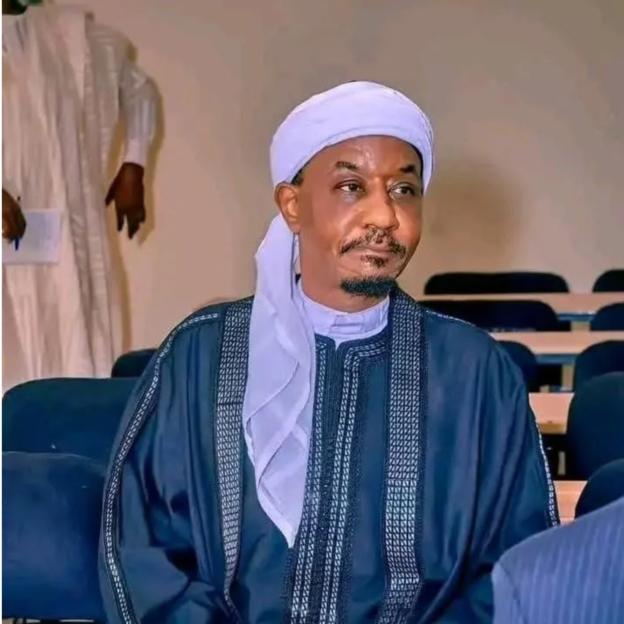
Former Central Bank of Nigeria Governor and Emir of Kano, Muhammadu Sanusi II, has admitted that delaying the entry of telecommunications companies into Nigeria’s financial services sector was a mistake.
Sanusi said his decision was influenced by concerns over the safety of depositors’ money following the country’s banking crisis. However, he later realised that telecoms and technology companies could have helped expand financial services to millions of Nigerians who were outside the formal banking system.
He spoke on Wednesday during a fireside chat at the launch of the Access to Financial Services in Nigeria 2026 Survey Report in Abuja. The session was moderated by the Lagos Business School Dean, Prof. Olayinka David-West.
Looking back at his time as CBN governor from 2009 to 2014, Sanusi said, “I’m responsible for delaying the entry of telcos into this space.”
He explained that the banking crisis had made regulators cautious about allowing companies outside their direct supervision to handle large amounts of customers’ money.
“Part of the challenge, of course, was that we had just come out of a banking crisis where we were worried about depositors’ funds. And I wasn’t comfortable allowing companies that I was not a primary regulator of to have access to a huge pool of funds,” he said.
Sanusi admitted that although his intention was to protect depositors, the decision itself was wrong.
“So again, this is one case where you have a good intention, but you take a wrong decision,” he said.
He recalled opposing calls from the World Bank and other stakeholders to allow telecommunications companies into financial services earlier.
“I fought the World Bank. I fought everybody,” Sanusi said.
“I do think if I had allowed that to happen, it would have been much more progress,” he said.
According to Sanusi, recent growth in digital financial services has shown that traditional banks alone cannot reach everyone because they do not have enough physical presence across the country.
Sanusi, however, warned that having access to bank accounts and digital payments does not automatically mean people are becoming wealthier.
“Opening an account, moving money, is not the same as earning money. It’s not the same as talking about poverty,” he said.
He called for financial services to be linked more closely to agriculture, manufacturing, trade and other productive activities.
Sanusi also said digital payment systems could be used to help people save for pensions, insurance and other financial needs. He suggested that small amounts could be saved gradually from everyday transactions, especially by people working in the informal sector.
He further urged the CBN to maintain its focus on controlling inflation, describing it as a major threat to savings and wealth.
Sanusi also spoke about Nigeria’s unified banking identification system, saying the country now has important financial infrastructure that can support wider access to credit, insurance and pensions.
He also called for clearer responsibilities among regulators in handling consumer complaints, saying overlapping roles could confuse customers and weaken confidence in the financial system.
Continue reading

Unruly passenger duct-taped to seat breaks his silence after ‘abusing plane crew’ during mid-air rampage
A RAGING passenger who was duct-taped to his seat after he allegedly exploded into a hate-fuelled rant has spoken out for the first time. before air crew boote...
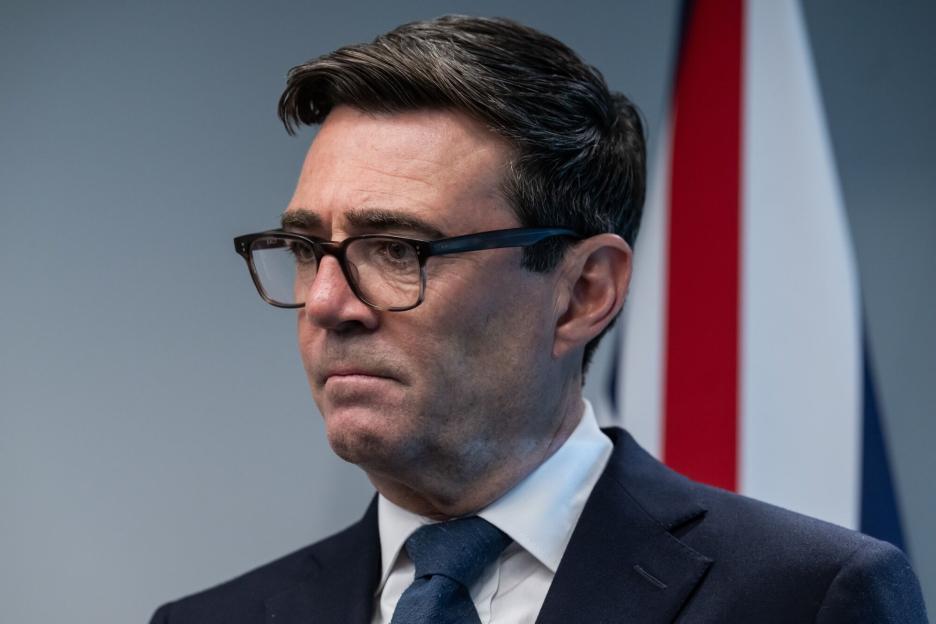
Andy Burnham warns of ‘challenging’ Budget as Tories demand PM spares Brits from fresh tax hikes
ANDY Burnham has said October’s Budget will be “challenging” as Tories warn him not to hike taxes. The PM blamed the for forcing him to make “difficult decision...

Emir Sanusi reveals how Boko Haram, other terrorist activities started in Nigeria
The Emir of Kano, Muhammadu Sanusi II, has revealed what aided the persistence of insecurity in the country. Sanusi stated this while elucidating the underlying...
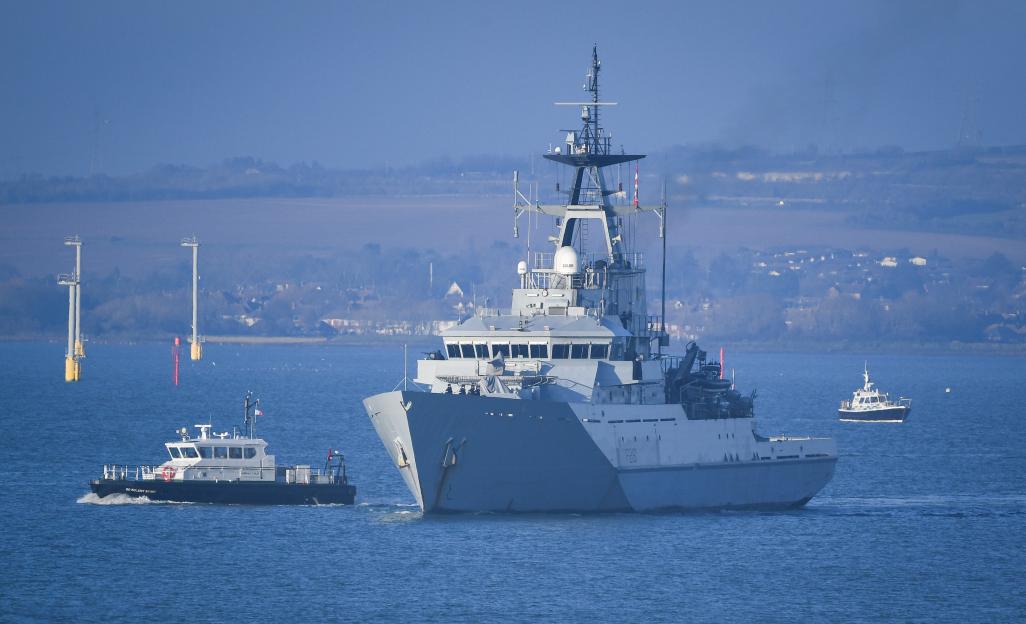
Andy Burnham told to build warship armada NOW as Navy chief warns Putin is ‘greatest threat’ to Britain
ANDY Burnham must turn Britain into a naval superpower to counter Vladimir Putin’s fleet, the head of the Navy says. General Sir Gwyn Jenkins is demanding more...