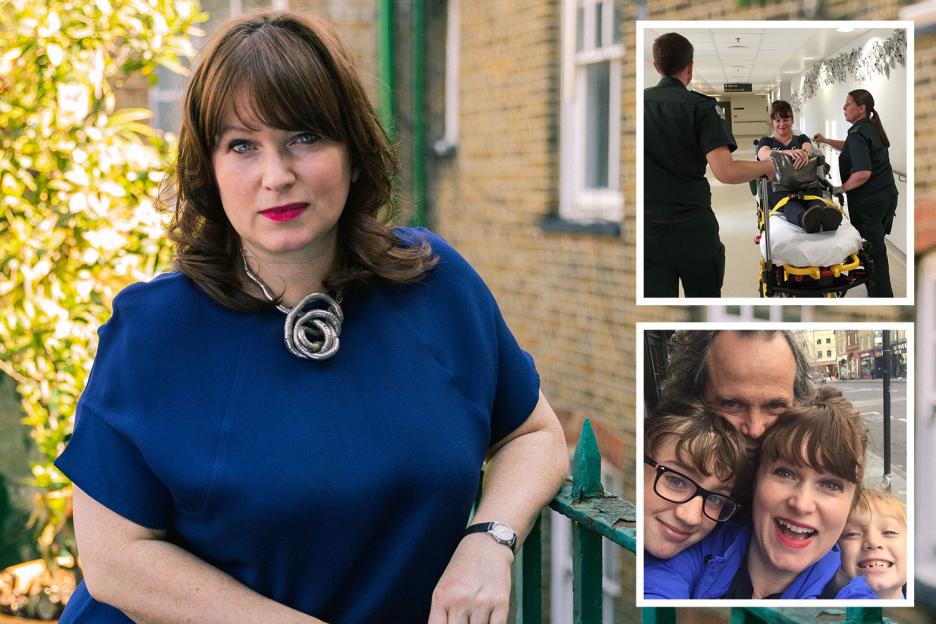
WHEN Esther Stanhope suffered a heart attack, she didn’t drop to the ground or clutch at her chest.
The mum-of-two, then 45, spent six weeks brushing off new symptoms as allergies, being ‘unfit’ and a panic attack.
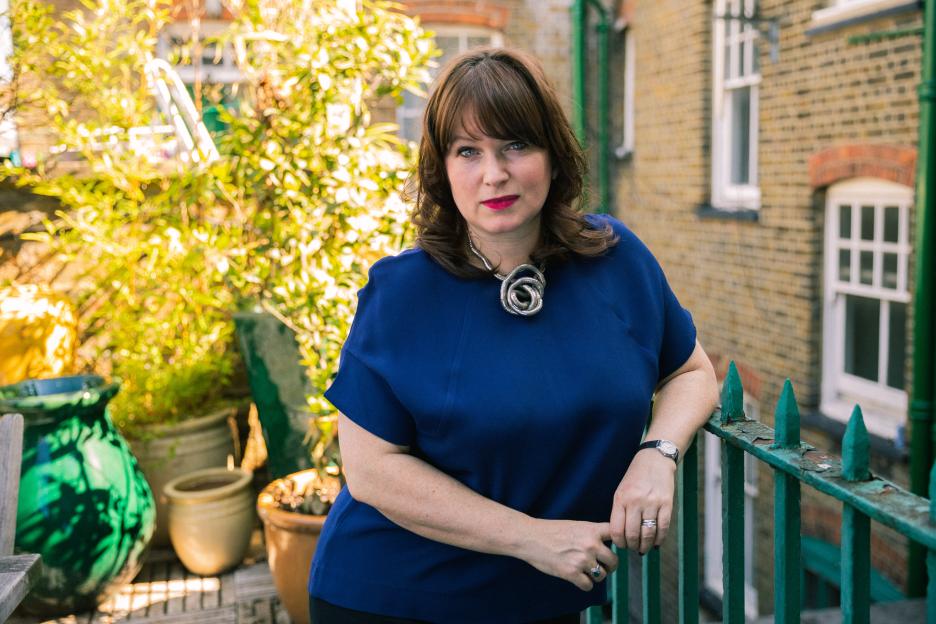 Esther Stanhope suffered a heart attack, but spent six weeks brushing off new symptoms as allergies, being ‘unfit’ and panickingCredit: British Heart Foundation
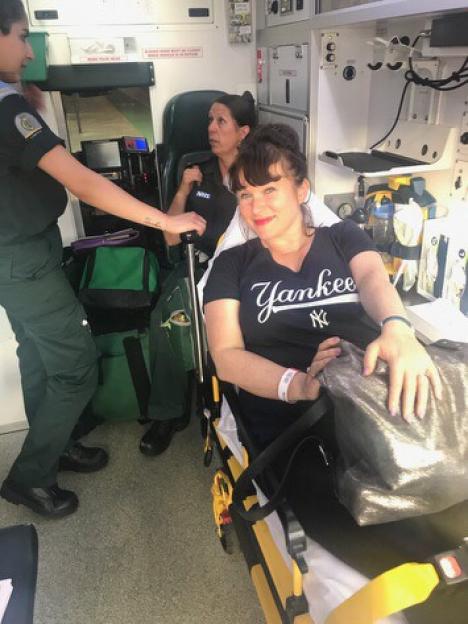 After going to A&E, Esther discovered she had a blocked coronary artery – and has suffered a mild heart attack just weeks beforeCredit: British Heart Foundation
Heart attacks were something that happened to older men – or so she thought, until her diagnosis.
“I remember saying ‘What!? You’re joking’,” Esther, now 54, tells Sun Health.
“I was thinking, ‘You idiot. Why haven’t you looked after yourself? It’s too late!’ I felt so much guilt and shame about it.
“Then I thought I would die like my dad and not be there for my kids, and that was just awful.”
Esther’s dad, Bill, died from a at 40, when she was five.
She feared history repeating itself for her kids, Mirabelle, 11, and Truman, 7.
More than 33,000 women are admitted to hospital after a heart attack in the UK each year, most of them caused by .
In 2024, CHD killed 21,000 women.
“It still often shocks women to hear that CHD kills twice as many of them as breast cancer every year in the UK,” says Dr Sonya Babu-Narayan, consultant cardiologist and British Heart Foundation’s Clinical Director.
“Yet there is still a deadly misperception that it’s only a man’s disease.
“This can lead to delays in getting help and delays in getting diagnosed and treated early.
“A heart attack treated too late costs lives.
“So, this Mother’s Day, make sure you know the signs, and how to act on them quicker, because it could save you, your mum or a woman you know.”
CHD occurs when fatty deposits build-up and block arteries that supply the heart.
For Esther, an entrepreneur and author from Shoreditch, East London, this manifested as a series of subtle that she brushed off for six weeks.
She first noticed symptoms in May 2017, while travelling for work.
“I suddenly felt breathless, like I imagined asthma might be,” she says.
“It lasted a few minutes then disappeared, only to return a few days later.
“I wondered if I had some airport allergy.”
On another occasion, she felt dizzy while walking down the street, and her left arm tingled, which she chalked up to a
The dizziness happened again during a CrossFit class, but was worse and with nausea.
“I thought I was going to collapse but I blamed it on being unfit,” says Esther.
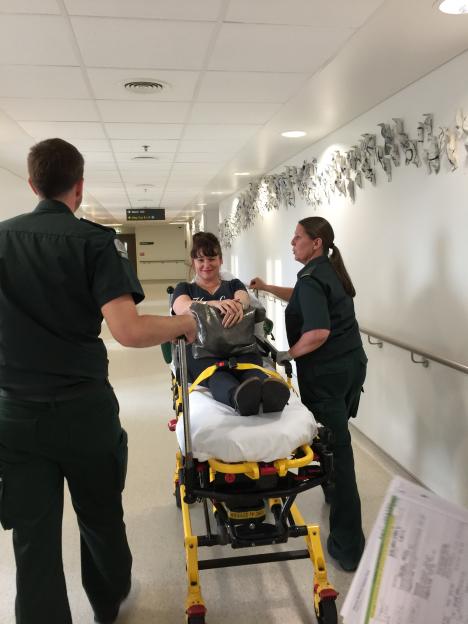 Esther initially blamed her lifestyle habits – but her family history is likely the biggest driverCredit: British Heart Foundation
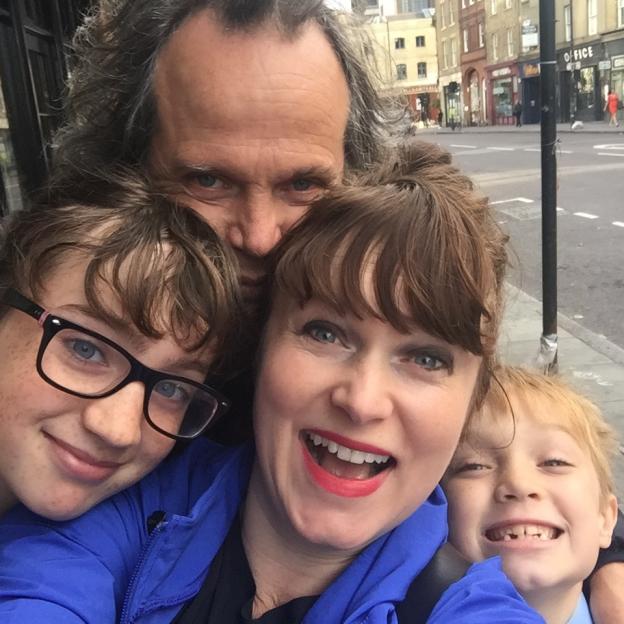 Esther’s dad died from a heart attack at 40, when she was five and she feared history repeating itself for her kids Mirabelle and TrumanCredit: British Heart Foundation
Six weeks later was the tipping point, as Esther felt unwell on the Tube and called her husband, Adam, to pick her up.
They went to A&E on her GP’s advice, where it was revealed she had a , requiring a stent.
A blood test confirmed she’d suffered a mild heart attack and in the weeks leading up to it, she was likely feeling the effects of arteries narrowed by plaque.
For both sexes, , high cholesterol, uncontrolled , , inactivity, , and increase the risk of a heart attack.
At the time, Esther blamed her lifestyle habits – but her family history is likely the biggest driver.
Esther adds: “What I think is really important for women to understand is that I did not have a big fat heart attack, with stabbing chest pains and collapse.
“I had intermittent, much milder symptoms at first, so don’t write things off too quickly if you’re not feeling right.”
Signs of a heart attack - are women's different?
YOU may have heard that heart attack symptoms are different in women, compared to men.
But this is not necessarily the case.
Dr Babu-Narayan says: “The focus on women having different symptoms might be harmful because we need to be listened to and treated the same when we’re having the same symptoms.
“And BHF-funded research has shown both men and women may have less textbook symptoms too.”
Chest pain remains the most common warning sign and can feel different from person to person.
Dr Babu-Narayan says: “Most people – women and men – will have core symptoms of something they perceive as chest pain or discomfort, heaviness, particularly pressure, tightness in the middle of their chest.
Other symptoms can include:
- Pain spreading to the arms, neck, jaw, back or stomach
- Shortness of breath
- Dizziness
- Nausea
- Sweating
- A sudden feeling of anxiety
Dr Babu-Narayan says: “It is thought that women may more often have tummy or back pain, but core symptoms are usually the same and both women and men get additional symptoms.”
Though chest pain is the most common symptom, Dr Babu-Narayan says: “That Hollywood movie heart attack – where a man creases over – isn’t always how people explain or perceive it, though.”
Women delay going to hospital for up to seven hours and 12 minutes, compared with a maximum of three hours 30 minutes for men, an analysis of over 40 studies found.
Dr Babu-Narayan says: “They may have cooked dinner first because they have put family, or children, or caring for others first.
“Every minute you’re not getting treated could lead to more permanent death of your heart muscle.”
MISDIAGNOSIS DANGER
Delay can cause “permanent heart failure – when the heart muscle can’t pump as well, which can be disabling”.
Misdiagnosis is also a threat – women are 50 per cent more likely than men to receive the wrong initial diagnosis, a BHF-funded study found.
GP Carol Douglas Ighofose, 57, was one of them.
Despite telling paramedics, “I’m a doctor and I think I’m having a heart attack,” she waited 14 hours in A&E.
One paramedic reportedly told the mum, from Leicester: “You doctors always think the worst.”
Carol had “central crushing” chest pain, was breathless, confused and sweating.
She suffered a severe heart attack and now has permanent heart damage and heart failure, which needs daily medication.
She didn’t want to be labelled as “pushy”. “But now I know that was a mistake,” she says.
“If something feels wrong, don’t take no for an answer,” she urges.
“Be polite but insistent – you know your body best.”
 Dr Sonya Babu-Narayan, consultant cardiologist and British Heart Foundation’s Clinical DirectorCredit: British Heart Foundation
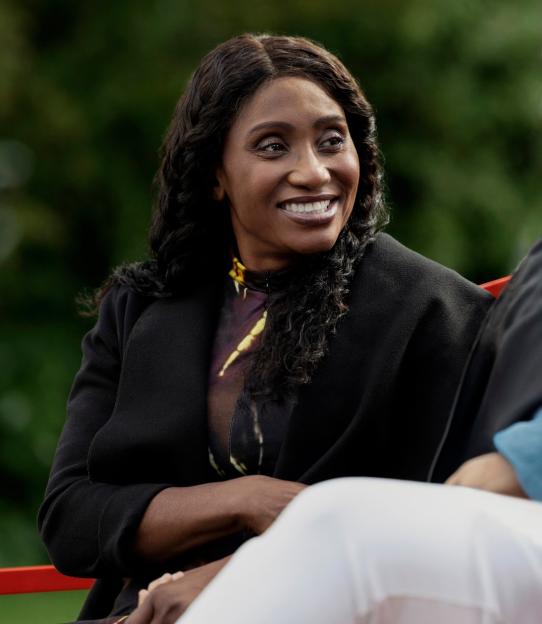 GP Carol Douglas Ighofose was misdiagnosed despite telling paramedics ‘i’m a doctor and think I’m having a heart attack’Credit: British Heart Foundation
 Esther hopes that by sharing her story, women get necessary checks that could save their lifeCredit: British Heart Foundation
BHF believes cardiovascular diseases in women – the biggest killer globally – shouldn’t be shrouded in mystery.
The supports a number of studies to bridge the gap, including a $55m global research programme called VISIBLE from Wellcome Leap, jointly funded by Pivotal.
Currently, it is estimated that less than one per cent of women with coronary microvascular disease (disease of the small vessels) receive an effective diagnosis.
VISIBLE aims to skyrocket that to over 80 per cent by finding better diagnostic tests.
Routine tests are unable to show CMD, which disproportionately affects women, meaning many women with chest pain are told their arteries look ‘fine’.
The SHE-HEALS study is looking into what drives risk in , while PREG-HEART will seek answers on heart disease in pregnancy, which is the leading cause of maternal death.
“There is a steep rise in heart attacks around or after menopause,” says Dr Babu-Narayan.
Esther hopes that by sharing her story, women get necessary checks that could save their life, such as the over-40 NHS Health Check.
“We all get breasts scanned and smear tests, but it’s really easy to check blood pressure and cholesterol,” she says.
“I definitely appreciate life even more than ever now.”
- Donate now to help British Heart Foundation fund lifesaving research and keep us beating. Visit bhf.org.uk/keepusbeating