HUMAN hair extensions are everywhere – from Kylie Jenner’s red carpet looks to being sold on Shein, but what’s the true cost of perfect locks?
They can cost hundreds to have fitted in a salon, but a quick scroll through or Amazon and you can find human hair wigs for as little as £14.
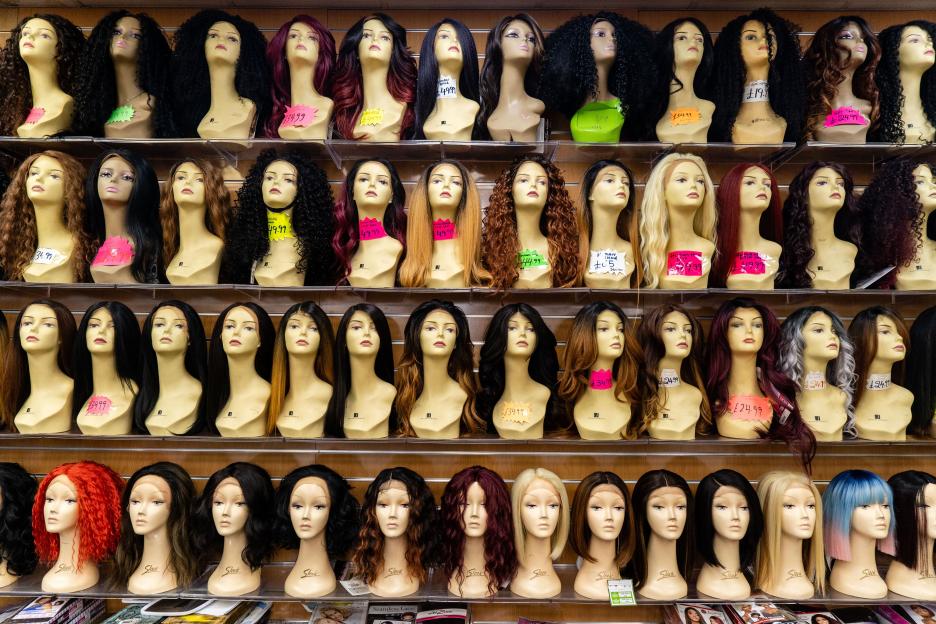 Do you know where your wigs really come from?Credit: AFP
 Kylie Jenner has been a fan of wigs and extensions for yearsCredit: Instagram
Millions of people wear them, you probably know somebody that does, but have you ever stopped to think where they actually come from?
Dean Banowetz, an Emmy-nominated Hairstylist (AKA Hollywood Hair Guy ) revealed the use of wigs and extensions is growing rapidly.
“The use of wigs and extensions has absolutely increased, especially in the last decade because technology and artistry have advanced,” Dean tells Betches .
“What was once just used for film sets, stage performances, or transformations is now an everyday tool for celebrities, , and regular people who want to change or elevate their look.”
And the culprit? Social media of course.
With moving faster than ever, people want to experiment with their style without constantly dying or cutting their hair.
The wig and extension market is currently valued at £10 billion, but is set to increase to £19 billion by 2030.
Selling your locks for cash is not a new phenomenon, women in the 18th century often sold their hair to make ends meet (Hello Les Miserables’ Fantine) and you can still do it today.
The London Hair Clinic pay anywhere from £15 to £150 for a ponytail of human hair to make wigs for patients, while The Little Princess Trust asks people to donate their hair for free to create wigs for young girls going through cancer treatment.
But the majority of your hair extensions and wigs aren’t coming from the Western world and here, we look at the dark underbelly of human hair harvesting.
FALLING SHORT
There are typically three grades of hair used for extensions and wigs – synthetic, which is made from plastic; virgin, which is cut directly from someone’s head; and fallen.
It’s the cheapest tier of human hair, collected from salon floors, hairbrushes and even drains.
That means it starts life as something like that slimy mess you pull out of the shower plughole.
The hair is detangled, processed with chemicals, coated with silicone and can be mixed with synthetic or animal hair to create a silky wig.
Katy Grimshaw, founder of Spectrum One Hair Extensions, explains: “Human hair extensions are considered ethically sourced when the people who provide the hair do so voluntarily, with fair compensation and are not exploited in the process.
“The only way you can guarantee this is if the brand you are purchasing from has done their due diligence and have actually seen their factories in-person, monitor manufacturing practices and the systems in place when it comes to hair donors and sourcing.”
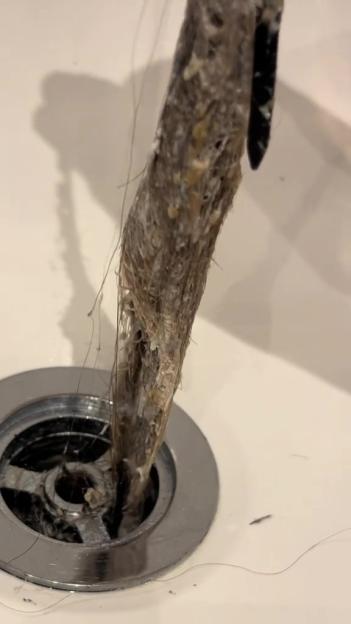 Some hair sellers go through drains to pick out fallen hairCredit: tiktok/@chrisloftusbathrooms/
LOCKED UP
With China being the biggest importer and exporter of human hair, (it makes up 80% of global exports) it’s shipped there to be turned into wigs and extensions for the western .
Headlice infestations are rampant and children as young as three help sort tangled balls of matted hair, an ITV investigation found.
The US Department of Labour also note there are reports of forced labour in China when it comes to the production of human hair extensions.
In 2020, US customs seized an import from China of hair products made from people being held in ‘re-education’ camps in Xinjiang in the country’s west.
The Chinese government has reportedly been carrying out forced sterilisation and political indoctrination of the Uyghur people, an allegation the Chinese Government denied as malicious and false.
These so-called ‘camps’ have workers under constant surveillance, retribution for religious beliefs, exclusion from community and social life, and isolation.
Furthermore, they are often forced to work extremely long hours with little to no pay.
Research lead by Citizens’ Alliance for North Korean also shows China is exporting work to North Korean prisons, forcing them to work up to 20 hours a day and facing daily abuse.
“Prisoners endure severe violence, including sexual assaults, forced nudity, rapes, forced abortions, beatings and extrajudicial killings,” the report states .
“Those who fail to meet these quotas face reduced food rations as punishment, exacerbating existing malnutrition and related diseases.”
CLOSE SHAVE
Much of the hair we see on wigs and extensions originates from , as women and children cut their hair off as offerings to temples.
What they often don’t realise is that temples go on to sell their religious offering to make a profit.
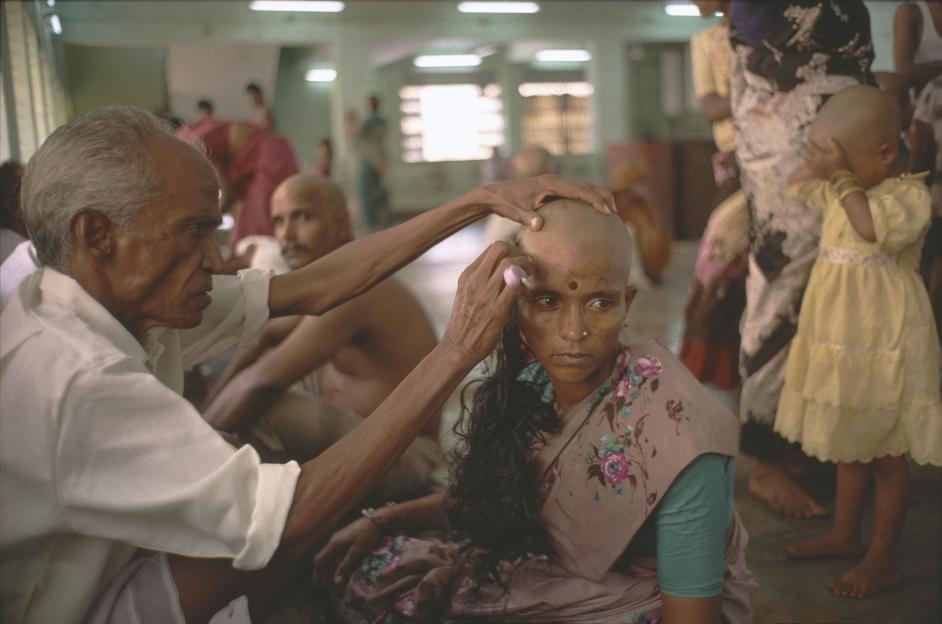 Thousands of people head to the temple to leave their hair as offerings, but it’s often sold offCredit: Getty
Sri Venkateswara Temple, situated in the hill town of Tirumala in Andhra Pradesh, India, is one of the richest in the world, partly due to selling the offerings.
In the past, they threw the hair into the rivers, but now sell it off through online and make between £2-£4 million a year.
According to Tirumala Tirupati Devasthanams , a trust in charge of the temple, thousands of people line up to have their hair shaved off for religious purposes.
In just one day last week, 18,465 people came to the temple for Tonsures (hair shaving) and collected into baskets stored in a vast warehouse where it’s piled knee-high.
The hair is untangled and sorted based on length, grades and colours before being washed, treated, and dried under the sun ready to sell.
While some say this is the most ethical way of sourcing hair, others claim it still crosses moral codes as the people shaving their head have no idea it’s being sold.
Dan Angus , the CEO of Remy Cabello Hair, refuses to buy Temple hair, instead, he travels rural parts of South East Asia with local collectors, buying directly from women who choose to sell their hair.
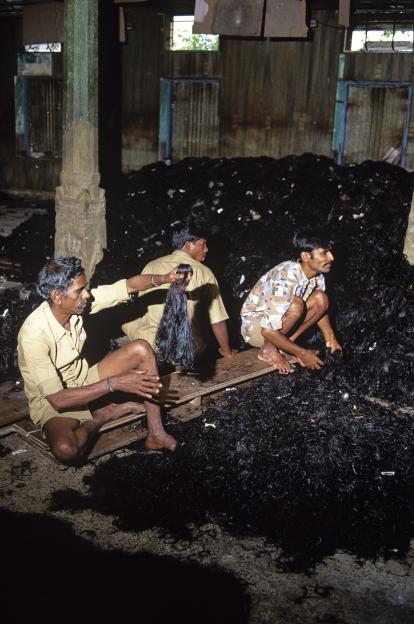 Workers sort through the hair offerings to sell them off to make wigs and extensionsCredit: Getty – Contributor
HAIR-RAISING
The most shocking aspect of buying human hair wigs and extension is just how much the price varies.
Shein sells a Pixie Cut Human Hair Wig for as little as £14.02, and there’s no details on how the hair was sourced or if it has been treated with chemicals.
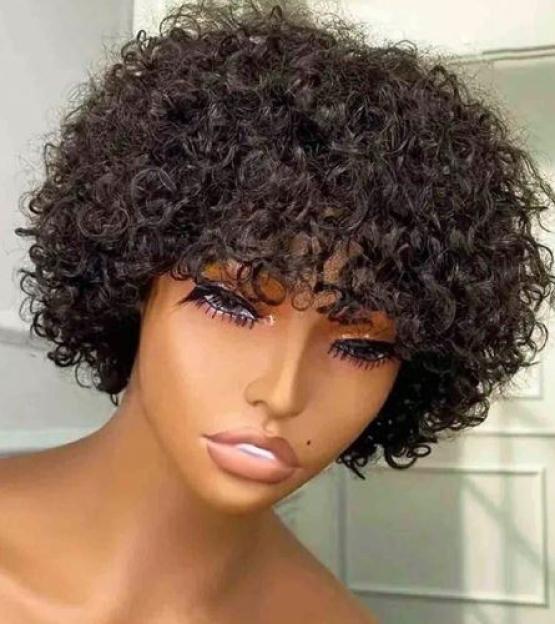 The cost of human hair wigs can range form £14 all the way to the thousandsCredit: Shein
Amazon also has over 1,000 results pop up for ‘human hair wigs,’ one 20-inch headpiece costs just £84.96 – again there’s little detail on how the hair was sourced.
Salons offer a high price point for wigs, such as Daniel Galvin, who has worked with celebrities such as and .
His bespoke wigs can set you back £2,500 and the info notes: “Every piece in our collection is crafted from high-quality human hair or the finest synthetic materials like V-Hair & Cyberhair, all sourced and hand-picked by Gary himself.“
Katy adds: “Prices vary massively from brand to brand and that’s down to the quality of the hair, how it’s sourced and treated.
“Generally, when it comes to human hair extensions, you get what you pay for, those on the cheaper side will be of lesser quality than options with a more premium price tag.”
But it seems that no matter the cost of human hair, many providers are not willing to state where it originates from, or know where.
It raises the question – is any use of human hair ethical if even the suppliers are unaware of whose head it’s been taken from?
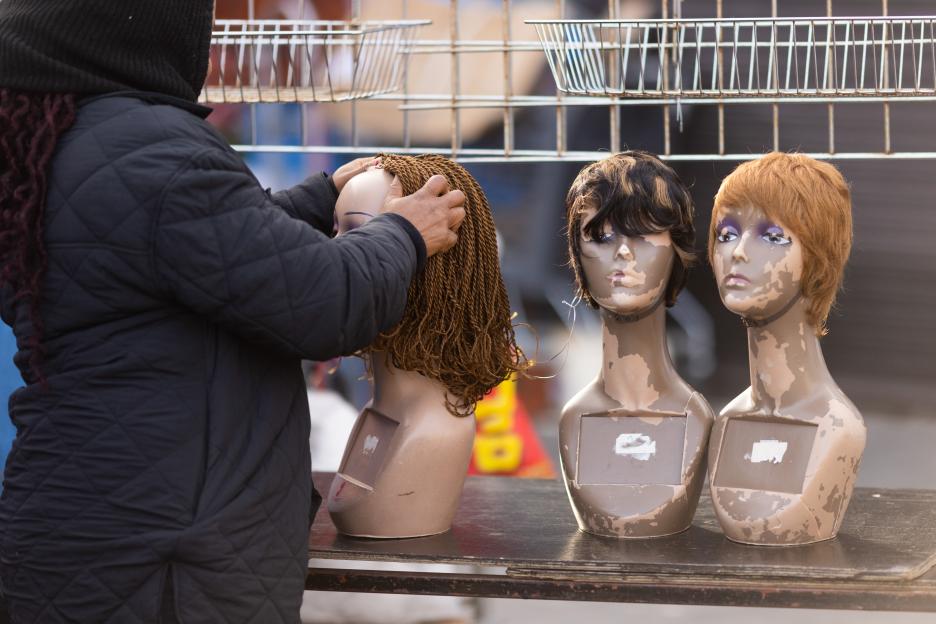 Sellers often can’t source exactly where the hair has come fromCredit: Getty