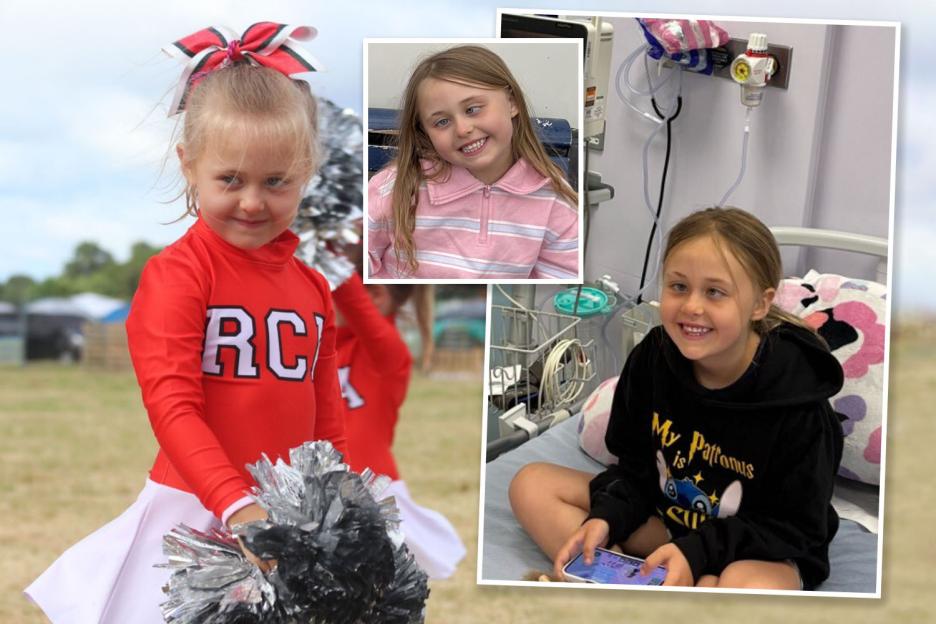
AT six years old, little Betsy Badminton should’ve had her whole life to look forward to.
Instead, heartbroken mum Katie sang her daughter’s favourite song while holding Betsy in her arms as she died peacefully – just months after spotting the single symptom of the cruel disease that cut her life short.
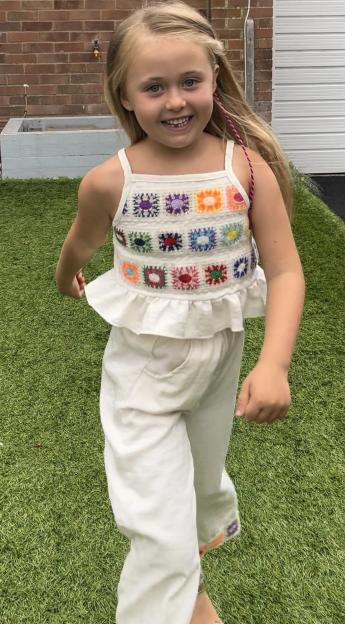 Betsy Badminton, 5, was diagnosed with incurable cancer and sadly passed away last year Credit: Jam Press
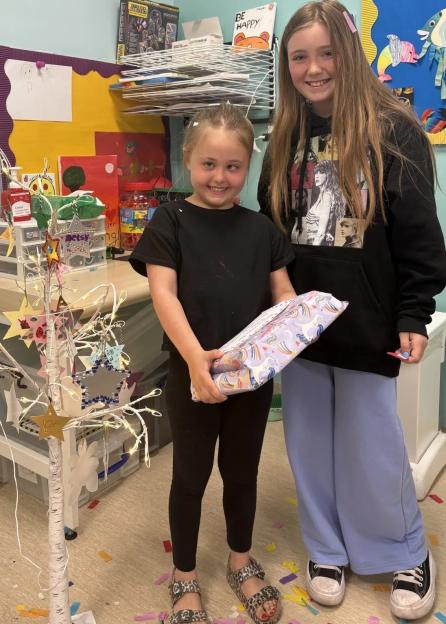 Betsy’s only symptom of the tumour was an eye squint, but her mum thought this was from when a book hit her eye (pictured here with her sister Evie-Mae) Credit: Jam Press
Betsy adored her big sister Evie-Mae, nine, and along with their brother the trio were inseparable. But like all siblings, they had their moments.
When Evie-Mae threw a book across a room and it clipped Betsy’s face, mum Katie rushed over to calm the accident.
The mum-of-three spotted that the book had hit her little one in the , causing a slight cut underneath, so she gave her a cool pack and thought that was the end of it.
But two weeks later, in October 2024, Betsy’s left pupil stopped moving properly.
What Katie didn’t realise at that point was it was the first sign of a 2cm tumour lodged deep in her brain, causing a squint that would’ve gone unnoticed if Betsy’s sister hadn’t thrown the book.
Having initially been told the tumour was benign, Katie refused to ignore the niggling doubt in her mind and kept pushing medics to perform more tests.
They revealed the tumour was cancerous and just 11 months after her diagnosis, Betsy died in her mum’s arms.
“I miss my little girl’s blonde pigtails, cheeky smile and signature bum wiggle,” Katie, 37, from Bournemouth, tells .
“She idolised her big sister, Evie-Mae, and they, along with their brother, Charlie, were inseparable.
“They always used to plot something fun or cuddle up for a show.
“There was nothing better than hearing their giggles.
“Life was noisy – and perfect.
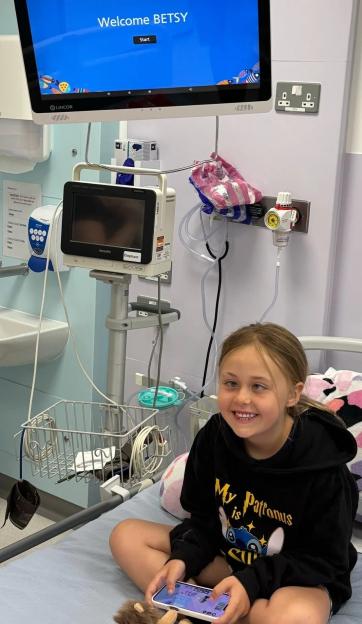 Betsy’s left pupil stopped moving in October 2024 and a scan revealed this was caused by a brain tumour Credit: Jam Press
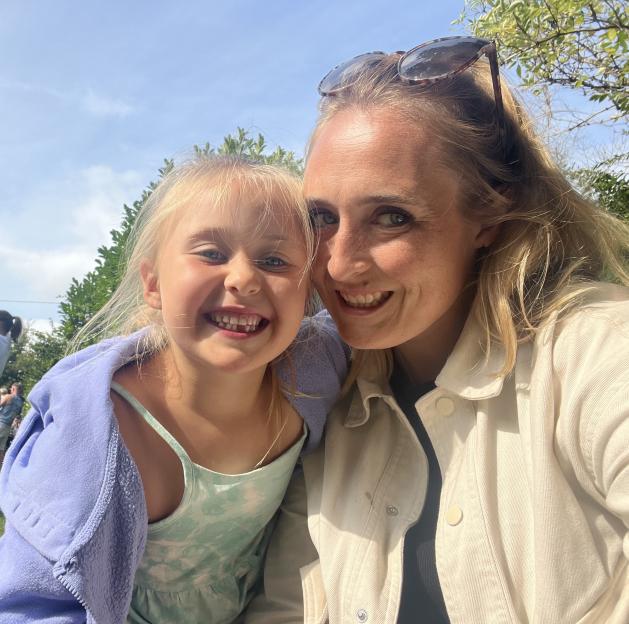 Betsy’s mum Katie, pictured here, was initially told her daughter’s tumour was non-cancerous Credit: Jam Press
“Until one day, when Evie-Mae hurled a book across the room and accidentally hit Betsy in the eye.”
At the opticians, tests confirmed damage to her left eye, so she was referred to the hospital for further testing.
The family had to wait two weeks for an MRI, which uncovered a tumour.
Katie says: “I asked right away if it was benign [non-], to which I was told that was likely the case.”
At the time, the tumour did not show cancerous signs.
But Katie says: “The fear gnawed at me.
“Betsy’s eye started to flicker and the squint worsened.
“I called the hospital repeatedly pushing for more testing.”
Betsy had no other symptoms of a at this point, such as balance or co-ordination issues.
That didn’t stop Katie’s worries, though, and she had another MRI three months after her first.
“A scan [and biopsy] confirmed it was cancerous – and growing.”
The next day, in March 2025, Betsy’s right arm and leg began to weaken.
She was placed on while Katie and her husband, Johnny, faced every parent’s worst nightmare.
Then they were delivered the earth-shattering that Betsy had an aggressive tumour, known as a diffuse midline glioma, which was incurable.
Previously called DIPGs (diffuse intrinsic pontine gliomas), diffuse midline gliomas are the second most common type of primary high grade brain tumour in children, according to the Brain Tumour Charity .
They are aggressive and fast growing, and are difficult to remove surgically because they don’t have well-defined borders.
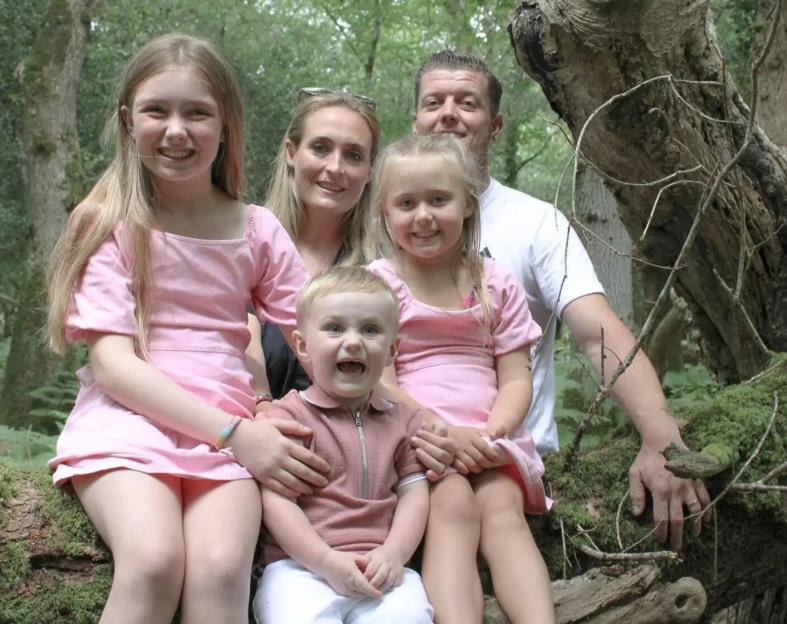 Betsy is pictured with her mum Katie, sister Evie-Mae, dad Johnny and brother Charlie here Credit: Jam Press
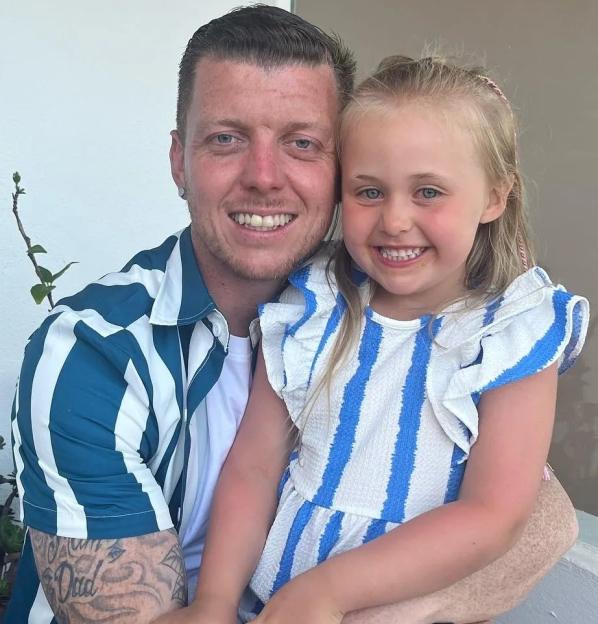 Betsy’s parents learned that she had a diffuse midline glioma, an aggressive and fast growing brain tumour Credit: Jam Press
Katie says: “was offered to buy her time, though they told us she only had about a year left.
“My world shattered. I never wanted her to hear the word ‘’ as she was so young and it was scary.
“But, after Evie-Mae saw us crying over a scan, she decided to make us giggle and ask if Betsy had stuck broccoli up her nose.
“From then on, her tumour was known as ‘broccoli’.
“It helped us to struggle through the whole situation.”
The family were moved to while Betsy underwent 13 radiotherapy sessions.
Afterwards, they made the most of the time they had left by visiting Regent’s Park and London Zoo.
Despite all she was going through, the little tot never gave up.
Katie says: “Betsy’s and curiosity never faltered.
“She taught herself to write with her left hand when her right got too weak and performed in every cheerleading class that was possible.
“Things almost felt normal and like the hospital days were a bad dream.
“Until Betsy began being sick and her body grew weaker once again.”
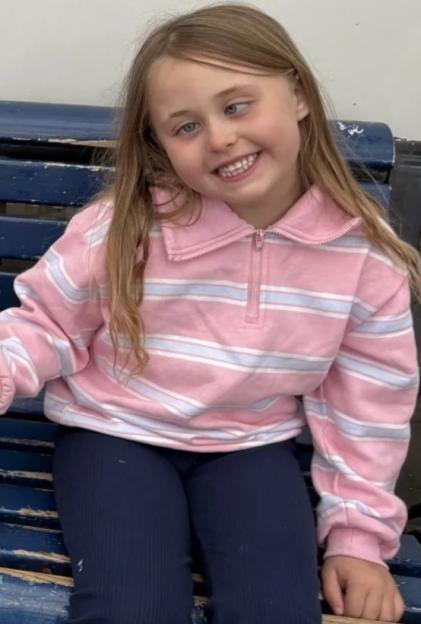 Betsy underwent radiotherapy after her diagnosis but her parents were told she only had a year to live Credit: Jam Press
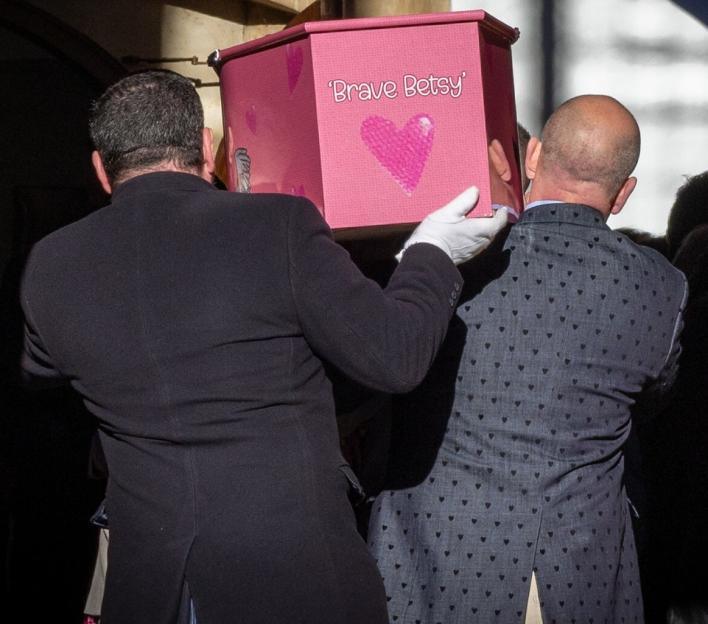 Betsy’s parents put her in a bright pink coffin at her funeral and asked all the guests to wear bright clothes Credit: Jam Press
Sadly, Betsy’s parents were informed her tumour was growing in spite of the treatment.
Eventually, she began struggling to breathe and a bleed was found on her brain.
And there was nothing more doctors could do.
Katie says: “We were moved to a ward which was like our home away from home.
“I had to tell Evie-Mae that her little sister wasn’t ever going to get better and that she was going to pass away.
“Her cries broke my heart.
“In Betsy’s final hours, we did word searches and sipped frappes.
“I sang her favourite song, which I made up when the girls were small, as she slipped away in my arms.”
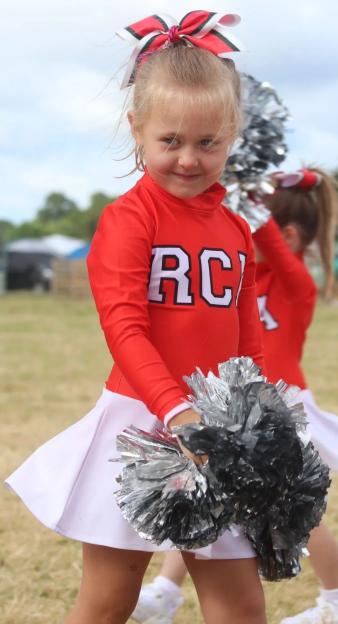 Betsy was just six years old when she passed away in November 2025 Credit: Jam Press
 What to know about diffuse midline gliomas
Previously called DIPGs (diffuse intrinsic pontine gliomas), diffuse midline gliomas are the second most common type of primary high grade brain tumour in children.
They are a type of glioma and grow in the midline between the two halves of the brain. There are various treatment options but radiotherapy is the current standard.
The most common symptoms your child may experience include:
- problems with walking, coordination or balance
- weakness in the arms and legs
- difficulty controlling facial expressions or one side of the face appearing different from the other
- speech difficulties
- problems with swallowing and chewing
- double vision or difficulty controlling eye movement
Source: The Brain Tumour Charity
Betsy, who was only six at the time, passed away in November 2025.
While the entire family, including their kids, were distraught, they gave each other strength to give their special girl a celebration for her .
The 400 guests were asked to wear bright colours, with her coffin painted in bright pink and decorated with photos of her.
Now, Katie is sharing her unimaginable loss in a bid to raise awareness.
She added: “I want parents reading this to know the signs of childhood .
“If you think something is wrong, push for answers.
“Betsy should’ve had a long life ahead of her, with so much to look forward to.
“Instead, this awful disease ripped her away from everyone who loved her.
“We still feel her loss every single day.
“But her light and laughter live on in our stories.
“She was fearless and taught us to never stop fighting – and to always look for the sparkle.”