FIFA’S official World Cup footballs costing up to £130 are being made by workers on as little as £26 a week.
The footie chiefs are making millions from the , as production workers in Pakistan struggle to feed families.
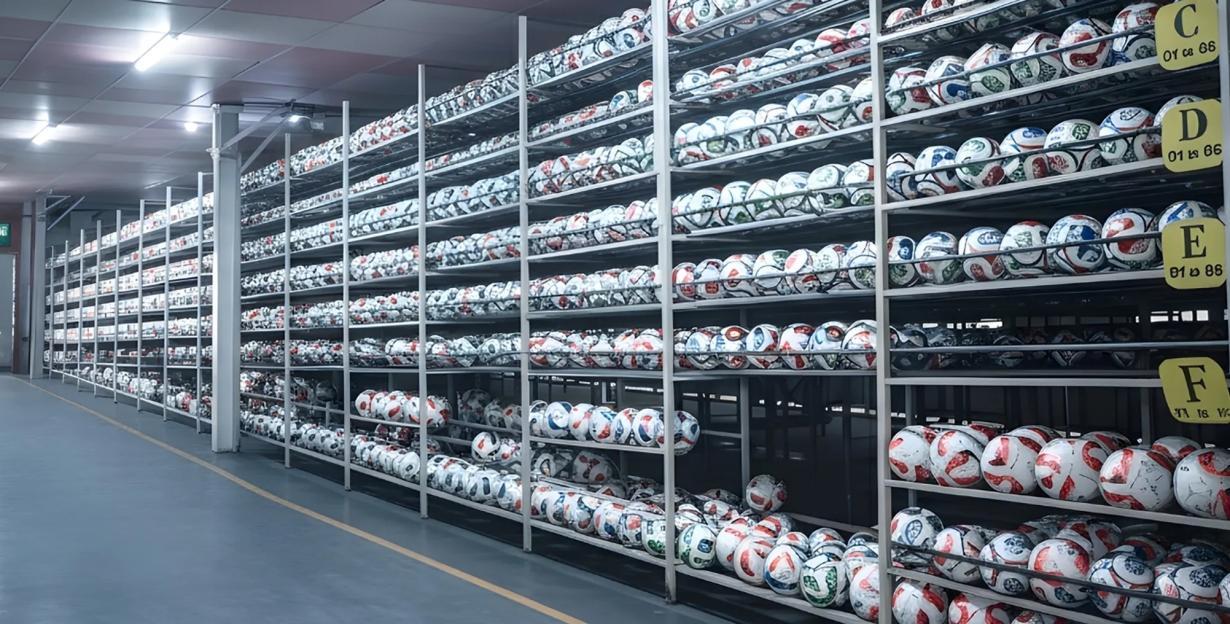 Rows of footballs on shelves in a Pakistani warehouse
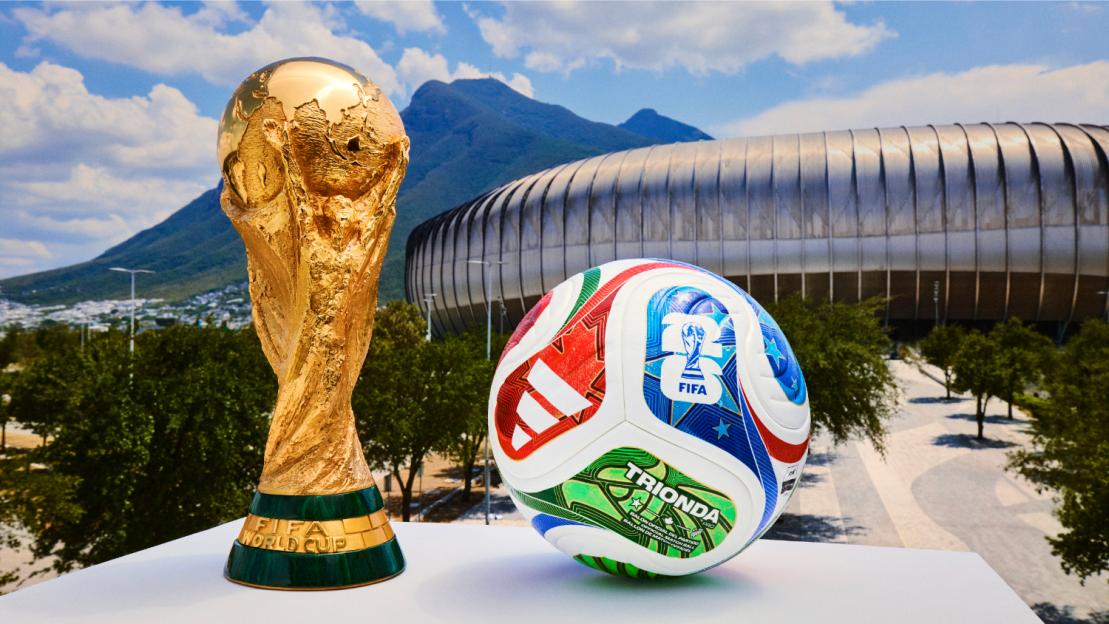 World Cup footballs costing up to £130 are being made by workers on £26 a week Credit: adidas / BEEM
Campaigners called for them to be paid enough “to live with dignity”.
The Trionda match ball is the most expensive official tournament produced to date, generating fortunes for the sports giant and fatcat footie chiefs.
But the ball — emblazoned with colours from the flags of host nations the US, and Mexico — is being made for a fraction of the price.
Manufacturer Forward Group pays some of its production line workers in Sialkot in the Punjab region the of 40,000 Pakistani Rupees-a-month — a meagre £106.
Campaigner Anna Bryher, policy lead for UK pressure group Labour Behind the Label, said: “The fact that these footballs retail for over £100 while the kids of the people making them can’t afford to buy one signals a clear failure of accountability.
“Adidas and must take responsibility for their full supply chains and ensure all workers who make footballs receive pay that allows them to live with dignity.
“What does fair play mean if the game’s most iconic symbol is built on exploitation?”
Pakistan-based Forward Group landed the contract with to churn out around ten million Trionda balls ahead of next month’s sporting spectacular.
The price ranges from for £13 for a mini version up to £130 for a professional match one.
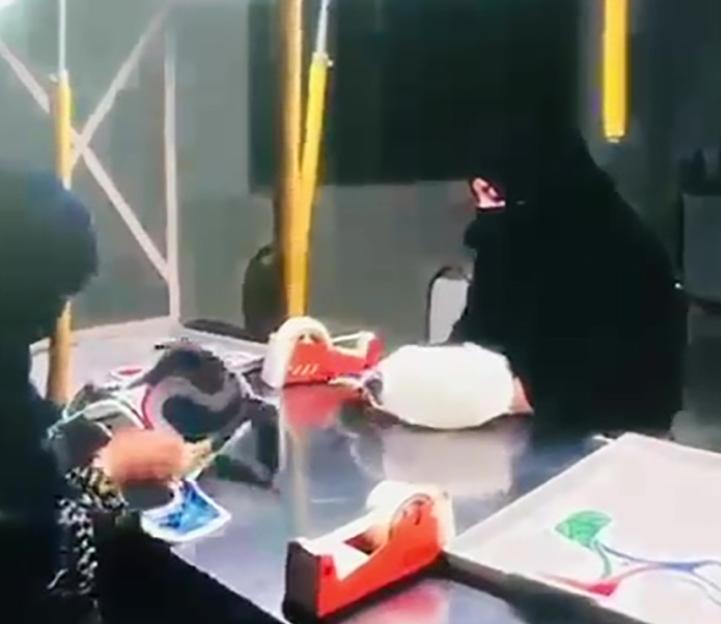 Staff at work putting the Adidas Trionda football together
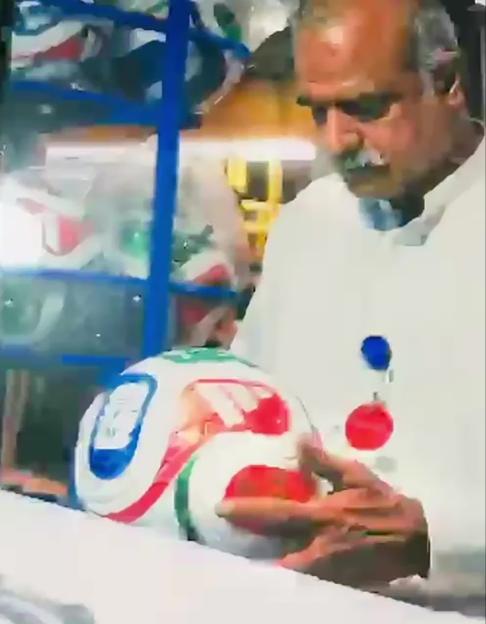 A worker with one of the official World Cup balls
Adidas insisted last night that the balls were being made under “fair and safe working conditions, including fair wages”.
But many production workers are struggling to feed their families after the triggered , which have pushed Pakistan’s level up to 10.9 per cent.
Their plight was revealed as boasted of their ethical stewardship of the “Beautiful Game” — with stars such as l captain prepared for the “greatest show on Earth”.
The city of Sialkot has been dogged by sweatshop “” claims for years after becoming a global manufacturing centre producing 70 per cent of all the world’s footballs.
Companies have been rocked by scandals alleging the workforce included children and that work was outsourced to back-street sub-contractors offering dire pay and conditions.
Forward has become the area’s biggest football manufacturer after landing a string of big-money contracts — and boasts of cleaning up its labour practices.
Adidas said it closely monitored and inspected the firm’s huge plant, understood to be employing around 20,000 workers.
Forward Group is its long-standing partner.
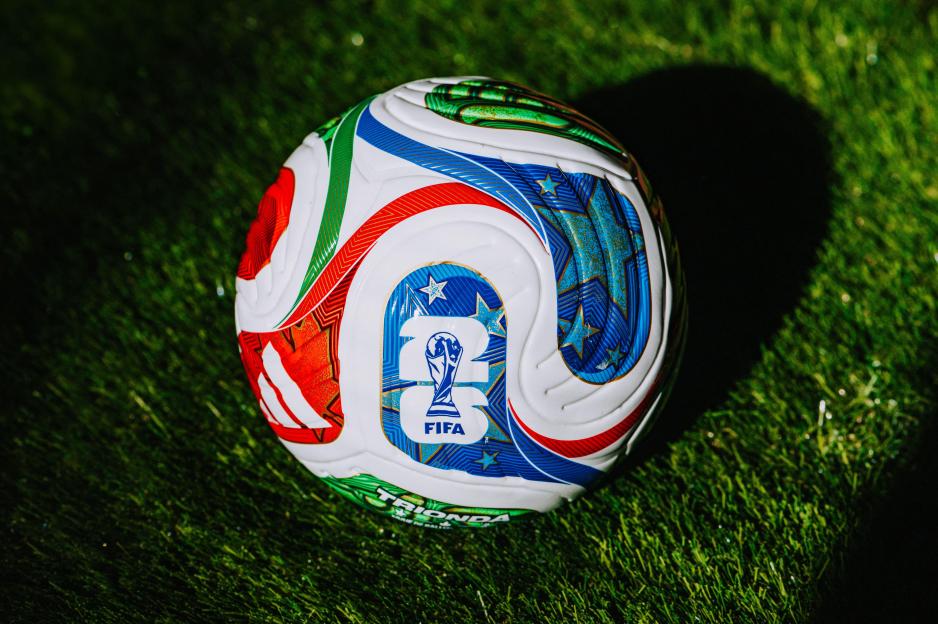 The Trionda match ball is the most expensive official tournament football produced to date Credit: Alamy
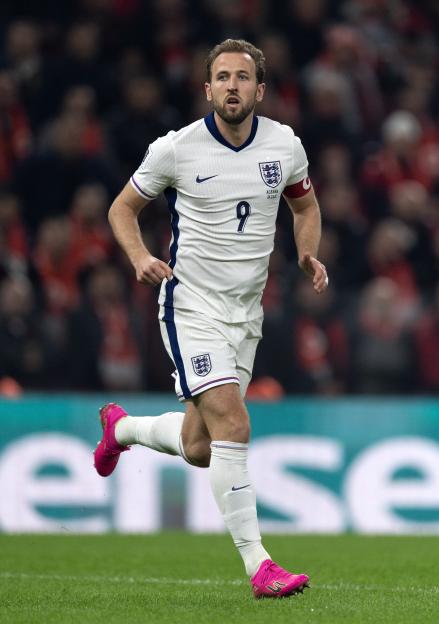 Three Lions captain Harry Kane ahead of this summer’s World Cup Credit: Getty
But production line staffs’ pay is still a small fraction of salaries paid in the developed world.
Trade unionist Asif Khan of the Pakistan Workers Federation said: “Previously there were lots of child workers and women workers who were exploited.
“The situation has changed now quite a bit, but most of the child labour and those who are given meagre wages have now shifted to Narowal district.
“Since Adidas threatened to quit operations in Sialkot and direct presence in football manufacturing there significantly decreased, the companies are more careful.
“New workers typically start at around 40,000 Pakistani Rupees (around £106) monthly, while those who have been employed for longer periods earn between 45,000 PR (£119) and 50,000 PR (£132).
But Mr Khan claimed he has seen some staff get paid even lower than that.
He added: “I keep on fighting the cases for labour rights in .”
Both Adidas and Forward denied using any sub-contracted sweatshop workers paid less than Pakistan’s minimum wage.
An Adidas spokesman said: “We ensure that all our products are manufactured under fair and safe working conditions, including fair wages, through regular on-site inspections, carrying out over 1,000 inspections in the last 12 months.
“Forward Sports, as an Adidas-approved supplier, progressively raises employee living standards through improved wage systems, benefits, welfare programmes and other services.
“In , a skilled worker at one of our suppliers has an income comparable to a local school teacher.
“For more than 25 years, Adidas has taken a variety of measures to ensure fair and safe working conditions for workers across its supply chain.”
Forward Group managing director Hassan Khawaja told The Sun: “The large majority of our workforce are semi-skilled workers receiving significantly above minimum wage.
“We have less than one per cent of our team working at the national minimum wage.
“Our teams operate on a maximum of eight-hour working time in a day and if we have significant orders then we employ shift patterns.
“We are proud to help produce , as well as many other products.”
A spokesman for Fifa said it had nothing to add to comments made by Adidas.