
"Weight Loss Injections Linked to Unusual Ear Condition Making Dieters Hear Their Own Blood and Body Sounds"
WEIGHT loss jabs appear to be fuelling the rise in a bizarre ear condition that leaves users hearing their own heartbeat and blood flow. Experts have observed...
 Written byEze Chidiebere Paul
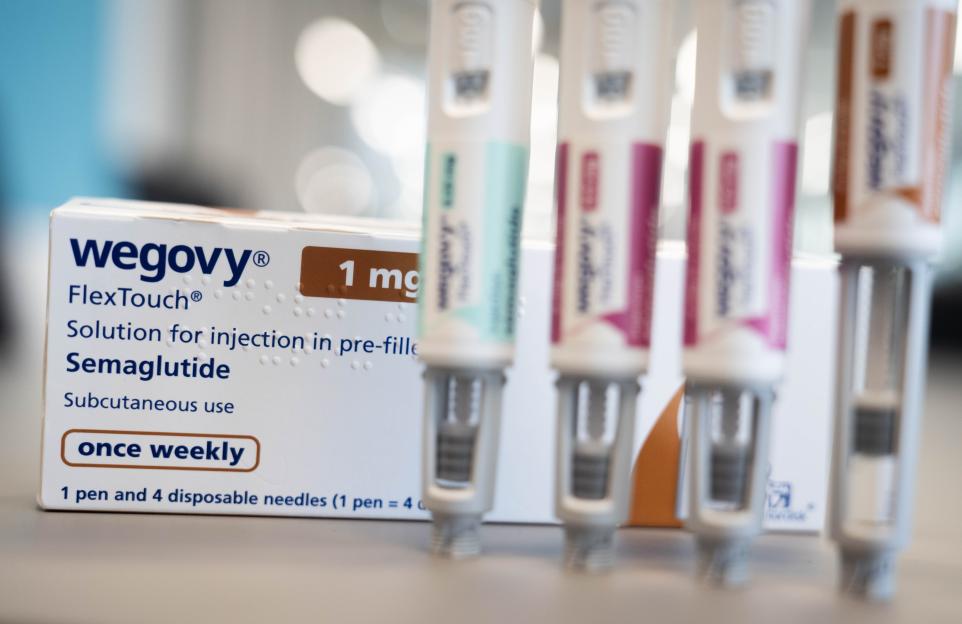
WEIGHT loss jabs appear to be fuelling the rise in a bizarre ear condition that leaves users hearing their own heartbeat and blood flow.
Experts have observed that some people who experience rapid weight loss on the jabs have developed a rare disorder called patulous Eustachian tube (PET).
Weight loss jabs appear to be fuelling the rise in a bizarre ear condition Credit: PA
 The condition leaves users hearing their own heartbeat and blood flow Credit: Getty
The rare condition causes people to hear echoing of their own voice, their heart beat, blood flow and sometimes even their eye movement.
Scientists have noticed cases of PET developing in patients on GLP-1s, like Mounjaro and Wegovy, and believe it is triggered by significant weight loss which causes a reduction in fat around a tube in the ear.
The phenomenon has been written about in Springer Nature journal after researchers noticed that between June 204 and June 2025, seven individuals taking semaglutide or tirzepatide – the active ingredient in and Mounjaro – developed PET.
In each case, the individual developed symptoms after four to 10 months on GLP-1s with weight loss ranging from 8.2 to 18.7 per cent of their baseline body weight.
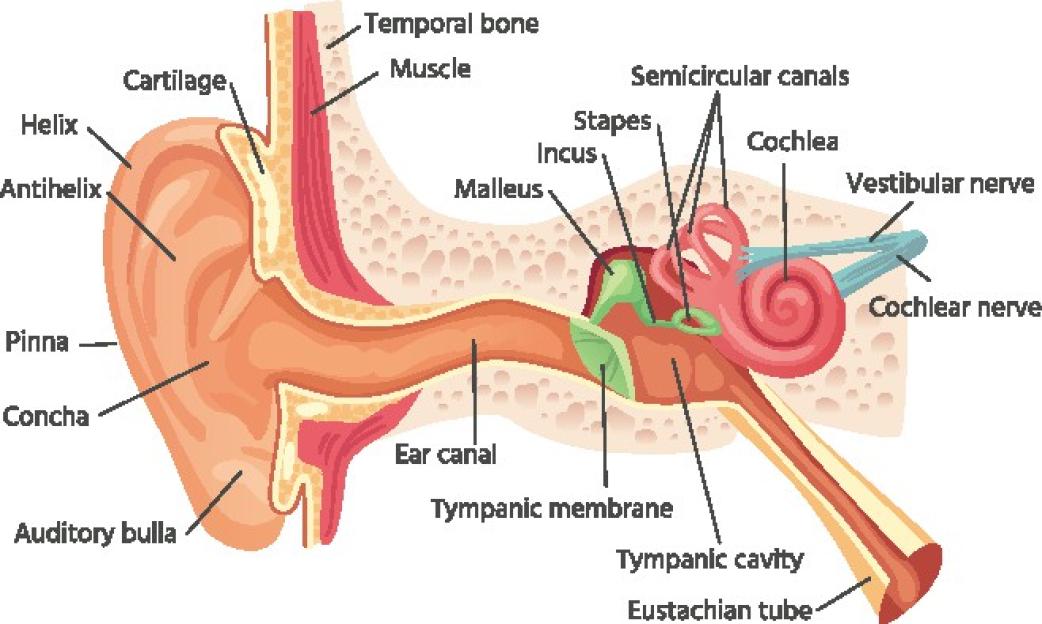 The condition, called, patulous Eustachian tube (PET), has been diagnosed in a number of people using weight loss jabs Credit: Tetiana Lazunova
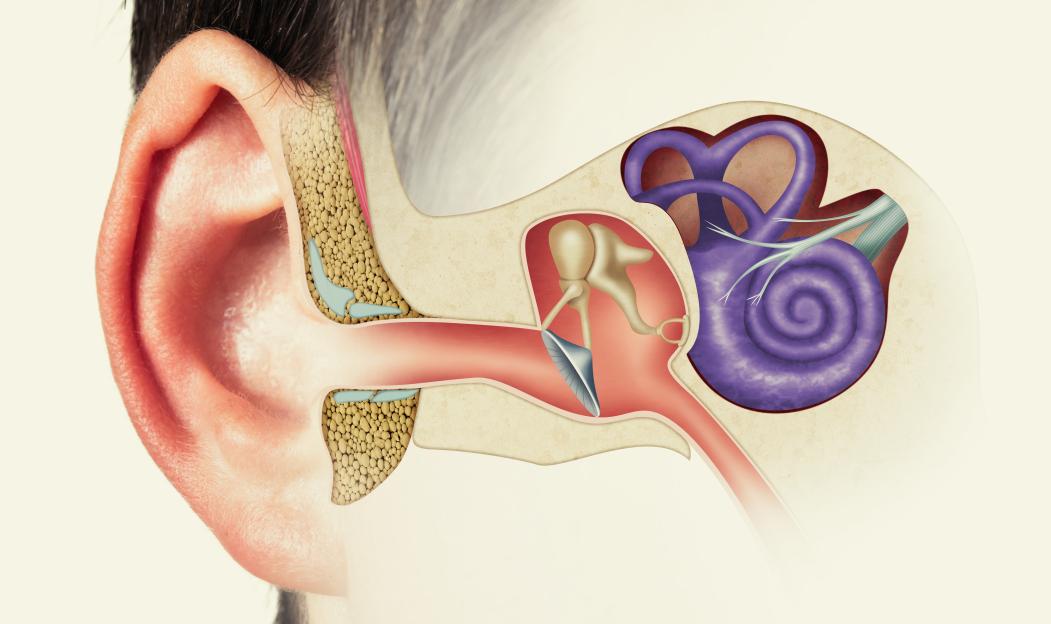
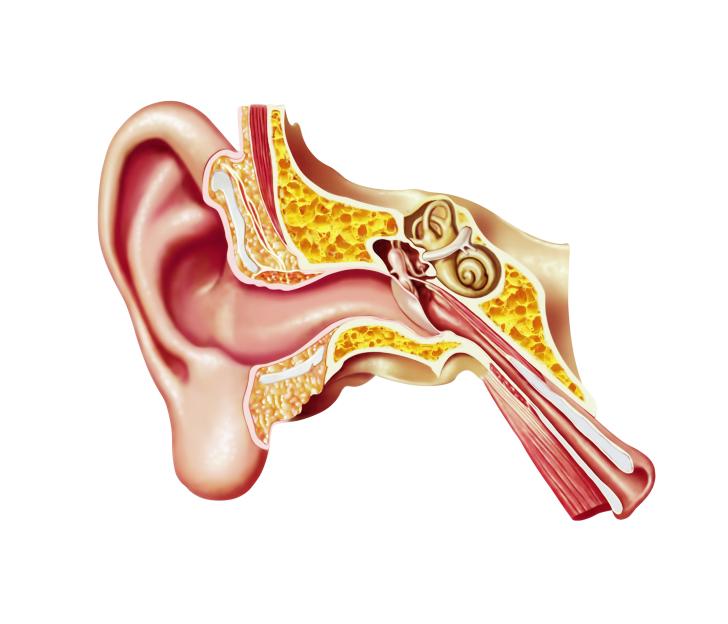 The Eustachian tube connects the middle of the ear to the back of the throat Credit: Getty
Speaking about PET, Dr Jessica Lee, an otolaryngologist at Charleston ENT and Allergy in , told the New York Post : “Weight loss or the GLP-1 medication aren’t bad. They can be life changing. But the point really is that the rapid tissue loss is what causes these anatomic and physiologic changes”.
So, what exactly is patulous Eustachian tube (PET)?
Humans have two Eustachian tubes – one on each side of the head – that connect the middle of the ear to the back of the throat.
For most people, these tubes stay closed and only open briefly to equalise pressure between the inside of the ear and the outside world.
For those who have PET, however, either one or both of those tubes remain open.
Symptoms of the condition include tinnitus, ear fullness, hearing internal bodily sounds and in more severe cases, even hearing your own heartbeat, neck cracking and eye movement.
There are many causes of PET, but one of the more notable ones is rapid weight loss.
Dr. Hamid Djalilian, an ear specialist and tinnitus specialist at the UC Irvine School of Medicine, also told the Post: “The Eustachian tube is surrounded by tissue. Some is cartilage, some is bone and some is fat.
“The first two are fixed, but in cases of rapid weight loss, the fat pad around the Eustachian tube can shrink.
“Because the fat pad provides structural support to keep the tube shut, when it shrinks, it causes problems.”
And Dr Lee added: “We saw a rise [of PET] when bariatric surgery became popular several decades ago, but things really tapered off until around two or three years ago when the GLP-1 rise occurred“.
But despite this, specialists say that awareness about PET generally remains low.
Some slimmers have now taken to social media to complain about the bizarre condition.
On TikTok, someone taking Mounjaro said they started hearing their own voice after losing around 13kg and felt like they were losing their mind.
Another GLP-1 user, Sarah Ago, told the New York Post that she developed PET after losing roughly 27kg.
After about six months of being on the jab, she said her right ear became filled with the sound of her own breathing and voice, making it sound much louder than the normal volume.
 Some slimmers have now taken to social media to complain about the bizarre condition Credit: Getty
 Some people with the condition say they can hear themselves breathing Credit: Getty
She said the episodes would come on without warning and sometimes last for hours, leaving her feeling nauseous and fatigued.
Sarah eventually decided to book an appointment with Dr Lee, who is an ear, nose and throat (ENT) specialist.
And it was there she was diagnosed with PET.
Dr Lee said that while doctors used to see the condition less than once a year, it’s now much more common and is coming up about every other month.
While the condition isn’t dangerous, it can still be debilitating for some people.
So, how can the condition be treated?
Some GLP-1 users are simply told to regain weight to ease their symptoms, but specialists say this is not the only option.
Dr Djalilian said: “If it’s not too severe, there are several conservative measures to try.
“These include things like staying well-hydrated, using certain nasal sprays and avoiding anything that decongests the nose.
“As a mid-tier intervention, we can place a small piece of paper over the eardrum to dampen the transmission of sound.
“Finally, there are more invasive treatments like injectables, stents or even surgeries.”
In Sarah’s case, two doctors recommended surgery, but she was hesitant as it would require her stopping her GLP-1.
What’s more, it is likely that the relief would only have been temporary and repeat procedures may have been needed later down the line.
So, Sarah opted for the less invasive approach – placing a small patch on her eardrum to weigh it down and help retrain her right Eustachian tube.
The outpatient procedure was quick and done without anesthesia, but its effects weren’t permanent. So far, she’s had it done twice.
Dr Lee added: “There is pretty good evidence from previous studies that if you slow the rate of weight loss down, the body has more time to acclimate and you’re less likely to get these symptoms.”
But despite this ordeal, Sarah says she doesn’t regret starting a GLP-1.
Continue reading

I ballooned to 40st after spending £16k a year on takeaways – a free trick helped me lose 25st without jabs or surgery
HENRY Gonzalez feared he would be dead before 30 after his weight soared to almost 40 stone. At his biggest, he struggled to tie his own shoes, wore 7XL shirts...

Woman, 58, dies after overdosing on ‘addictive’ prescription & OTC painkillers – as GP’s warned ‘be alert’
A CORONER has issued a warning to GPs over prescribing large doses of painkillers taken by thousands of Brits following a woman’s death. Alison Thomas, 58, coll...

Conjoined twins, 2, attached at head since birth separated in gruelling surgery that took more than 24 hours
TWIN sisters joined at the head have been successfully separated following a gruelling 24-hour procedure. The crowns of 2-year-old twins – Hiyab and Wuhbto – w...

Mum, 34, who took her own life ‘said she was “better off dead” while waiting for ADHD assessment for over three years’
A MUM who took her own life said she was “better off dead” while waiting for an ADHD assessment for over three years, an inquest heard. Bethany Hewitt, 34, told...