FAKE jewellery containing up to 9000 times the legal limit of a cancer-causing metal is being peddled by dodgy sellers on Amazon and TikTok.
Rings and earrings sold on the marketplaces which claim to be genuine sterling silver in fact contain large amounts of cadmium.
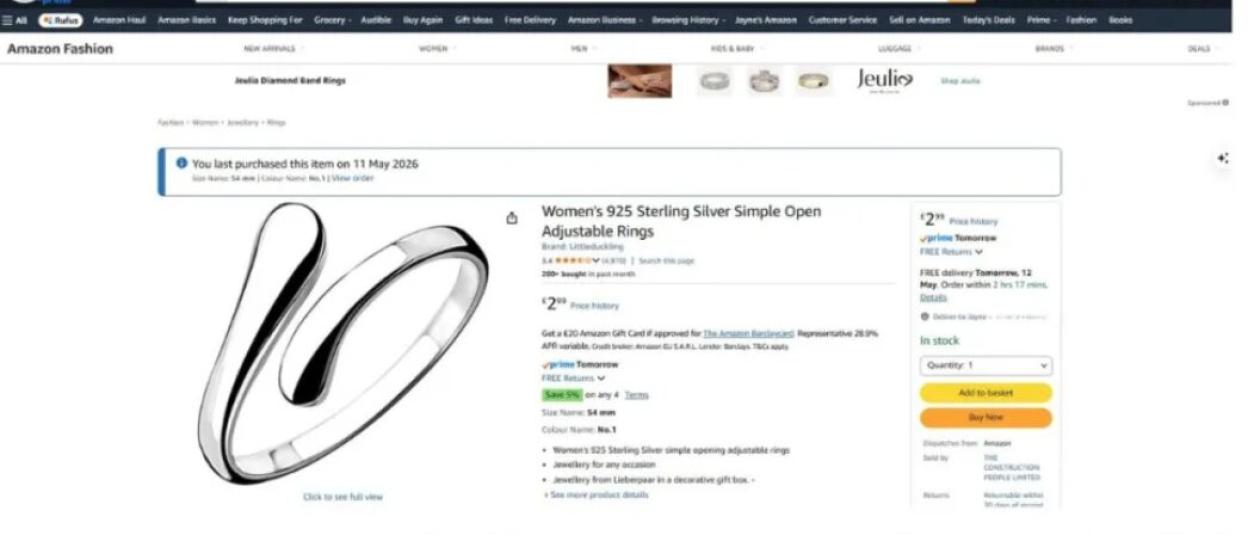 Jewellery items sold on Amazon were found to contain illegal levels of cadmium Credit: Unknown
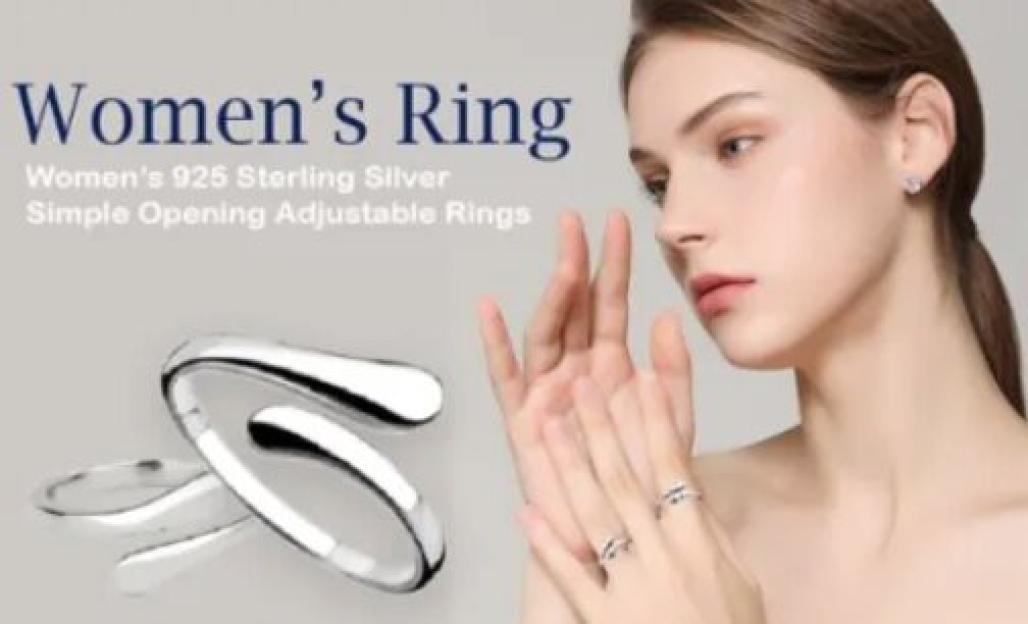 Exposure to cadmium has been linked to cancer Credit: Unknown
Jewellery in the UK legally can’t contain more than 0.01 per cent of this toxic heavy metal, which is listed as a ‘category one carcinogen’.
But one ring sold on for £2.99, advertised as 925 silver, contained more than 9,000 times the maximum allowance.
Testing showed it was made 92.3 per cent cadmium.
For an item to be “925 silver”, 92.5 per cent of the material needs to be silver – clearly not the case with this ring.
The findings were published as part of a Sunday Times investigation , which involved buying items sold on Amazon and and sending it off for independent testing at the Birmingham Assay Office, which checked for concentrations of precious metals.
Cadmium is a type of heavy metal, whose use is heavily restricted in the EU and UK.
Exposure to cadmium for a long period of time may result in damage to the kidneys and bones and may cause cancer, the UK Health Security Agency (UKHSA) states.
Meanwhile, the International Agency for the Research on Cancer (IARC) says breathing in cadmium and its compounds can lead to .
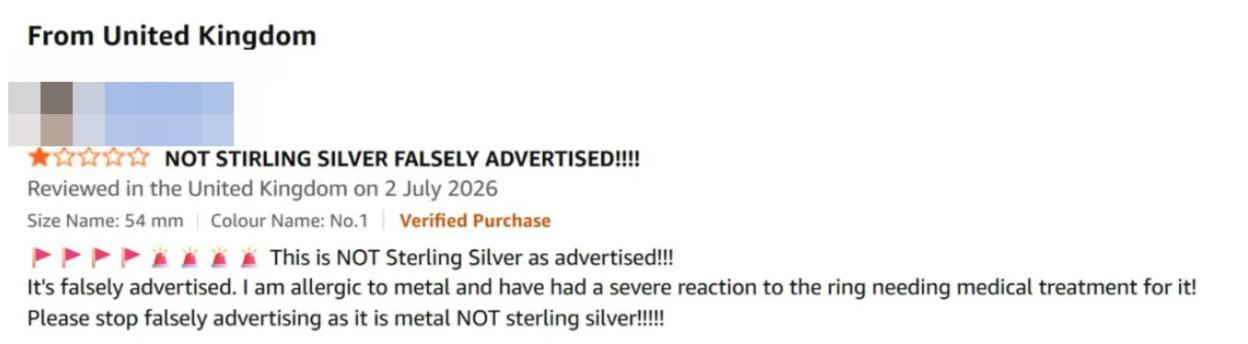 Being who’d bought cadmium containing products reported skin reactions Credit: Amazon
 EXAMPLES OF CARCINOGENS
A CARCINOGEN is a substance or agent that can promote the development of cancer by damaging cellular DNA, leading to mutations.
Carcinogens can be natural or man-made and include chemical substances, physical agents, and biological agents.
It’s important to note exposure to a carcinogen doesn’t guarantee cancer – the risk depends n factors such as the amount and duration of exposure, as well as individual genetics.
CHEMICAL CARCINOGENS
Asbestos: Found in certain building materials.
Benzene: A solvent.
Processed meats: Like bacon, salami, and sausages.
Formaldehyde: Found in some beauty and household products.
PHYSICAL CARCINOGENS
Ultraviolet (UV) rays: From the sun, which are a common cause of skin cancer.
Ionising radiation: High-energy radiation like X-rays or gamma rays.
BIOLOGICAL CARCINOGENS
Epstein-barr virus: Increases the risk of certain cancers.
Human papillomavirus (HPV): A common cause of cervical cancer.
Christer Hogstrand, a professor of molecular ecotoxicology at King’s College London, told the Sunday Times that exposure to the heavy metal can cause kidney cancer, as well as liver damage and osteoporosis – a condition where bones become brittle and prone to breaking.
People should be concerned with exposure to any level of cadmium, he added, calling it “worse than mercury”.
Exposure to mercury, even in small amounts, can cause serious problems, as it can lead to birth defects as well as toxic effects on the nervous, digestive and immune systems.
People are generally exposed to cadmium through cigarette smoke or food, according to UKHSA, but soil and breathing in air near waste plants and where fossil fuels are burnt can also be sources of exposure.
It’s not the first time cadmium has been found in everyday products, with and being subject to recent recalls.
Evidence of cadmium being absorbed through contact with the skin is limited, but its presence in jewellery can be dangerous as it can accumulate in the body if someone touches the metal and then touches food or their mouth.
Earrings containing the metal can be particularly dangerous if the skin is damaged or has recently been pierced, Ariel Haus, a Harley Street dermatologist who specialises in , told the Sunday Times.
He said: “With jewellery, the greater concern is not that every wearer will develop systemic cadmium toxicity, but that a toxic metal is present.
“The concern becomes greater if the item is mouthed or swallowed, particularly by a child, or is worn against damaged or pierced skin.”
The Times bought a bracelet advertised as 925 silver from TikTok Shop from a seller called Perform Pearls.
Charms on the bracelet were 33 per cent cadmium and contained almost 3,300 times the legal limit of the toxic metal.
After The Sunday Times alerted TikTok Shop about the product, the company issued a recall notice last week.
According to TikTok Shop, the seller was banned from the site this year for breaching policies and recalls have been issued to the handful of customers who bought the bracelet.
Meanwhile, a set of charms advertised as “Tibetan Silver” and “999 silver” on Amazon by a seller called GuiSaLa, were almost 5,000 times above the cadmium limit.
The same went for a pair of silver “metal alloy” earrings from the seller TiantechKong.
An Amazon spokesperson said: “We take customer safety seriously and we’re reaching out to Ms. Bond regarding her experience.
“Amazon requires all products offered to comply with applicable laws, regulations and Amazon policies.
“Only precious metals that comply with REACH compliance requirements and hallmarking legislation are allowed on our store.”
“We take action to maintain a safe selection for our customers, including removing noncompliant products, and outreach to sellers, manufacturers, and government agencies for additional information, when appropriate.
“We’re in the process of removing these items after an internal investigation.”
The REACH (registration, evaluation, authorisation and restriction of chemicals) regulation places restrictions on potentially hazardous chemicals, which the jewellery industry in the UK is subject to.
The Sun has contacted TikTok for comment.