
Ebola Outbreak Hits Record High, But True Case Count Remains a Mystery with Half of Contacts Overlooked
AN outbreak of a rare Ebola strain tearing through the Democratic Republic of Congo (DRC) could be the largest on record, officials say – as they warn contact t...
 Written byEze Chidiebere Paul

AN outbreak of a rare Ebola strain tearing through the Democratic Republic of Congo (DRC) could be the largest on record, officials say – as they warn contact tracing is only pinning down half of cases.
Congo’s Ministry of Health reported the highest daily increases in cases on Sunday – with 72 new infections detected in a 24-hour period.
The outbreak of a rare strain of Ebola could is the worst on record Credit: AFP
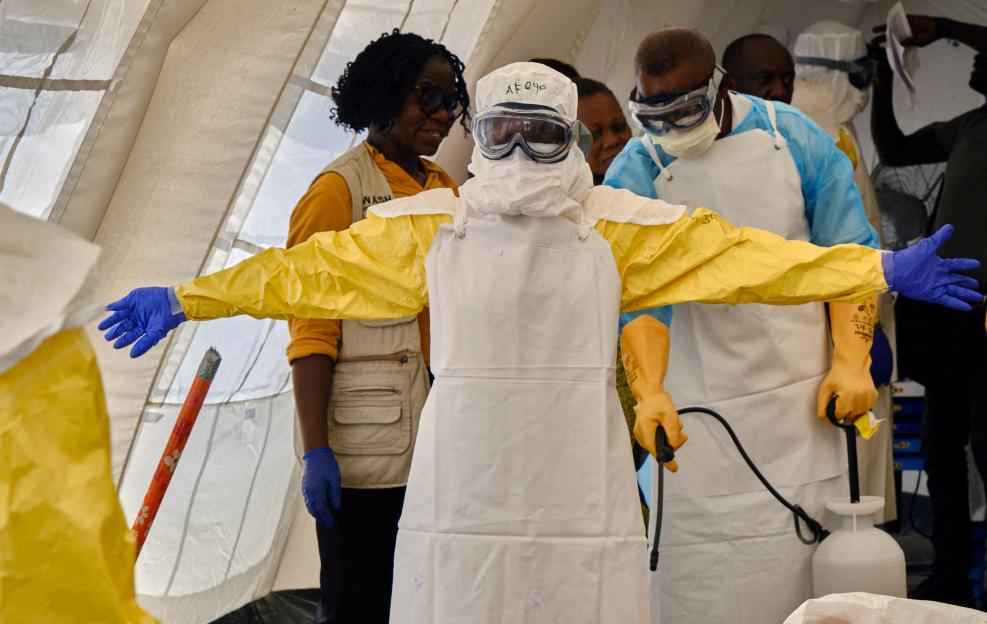 Contact tracing efforts are also being hampered, health authorities warn Credit: Reuters
This brings the total number of confirmed cases to 782 and the number of .
But the actual number of cases is likely far higher, authorities warn.
That’s because the disease was spreading undetected for weeks before the outbreak was confirmed on May 15.
Kate White, emergency medical coordinator for Doctors Without Borders in Congo, said nobody knows the true scale or exactly where the disease is spreading in Congo.
One month after the disease outbreak was first reported, the spread of cases is outpacing the response effort, she warned.
The medical said treatment centres in the epicentre of the outbreak are overwhelmed, with many patients arriving in advanced stages of illness.
Most of them weren’t confirmed to have been in contact with people who’d been infected with Ebola before developing symptoms, Kate added.
The outbreak is caused by the rare , which was not tested for in the early days of the outbreak.
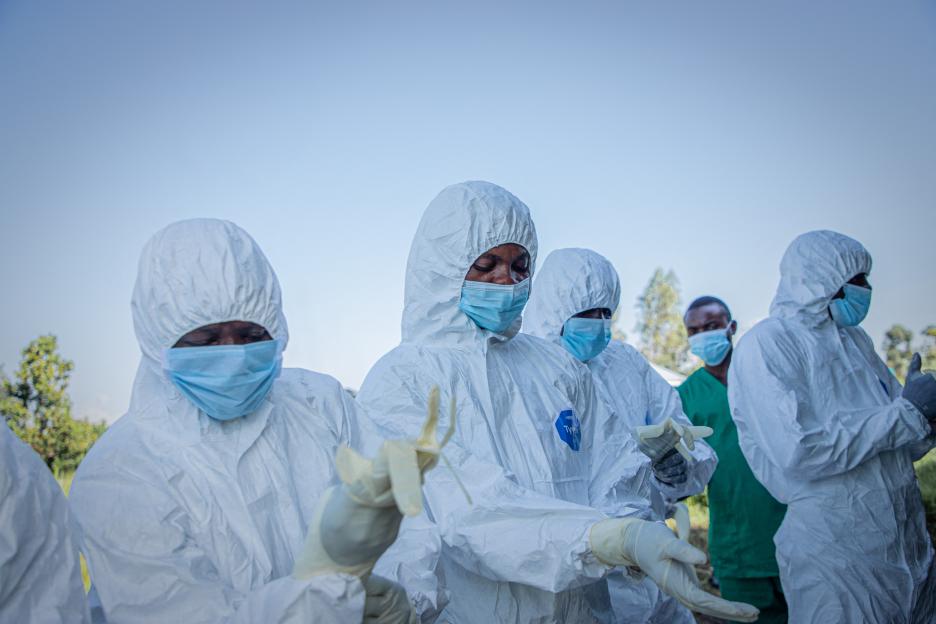 The outbreak was first declared on May 15 Credit: AFP
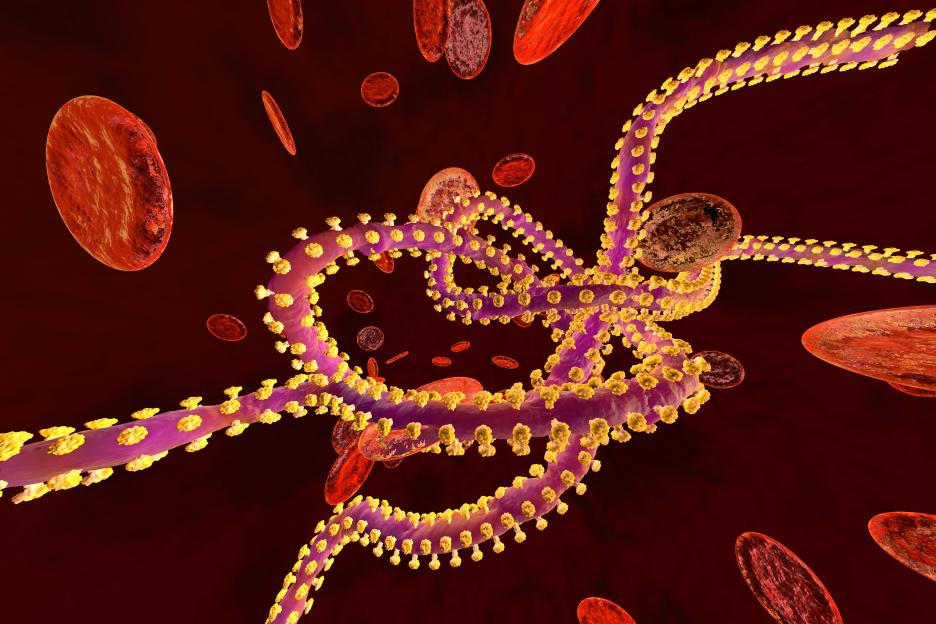 It is caused by the rare Bundibugyo virus Credit: Getty
The US Centers for Disease Control and Prevention (CDC) said the current the outbreak was the largest of the Bundibugyo strain on record.
Congo has been hit with 16 outbreaks of the disease in the past, but these were caused by the more common Zaire virus, which now has a vaccine.
Congo’s health ministry argued that while the numbers show the outbreak is spreading rapidly, it also reflects more active surveillance.
Community members are reporting suspected cases, and response teams are investigating them, it said on X.
But it said only 56 per cent of people who had been in contact with infected patients were being traced, as authorities scramble to find people who may have been exposed.
This is a sharp decrease from last week, AP reported.
Congolese health authorities didn’t give an explanation for the drop, but they’ve previously said community resistance in some areas has made contact tracing harder.
The rapid expansion of the outbreak into new health zones has also increased the workload of surveillance teams.
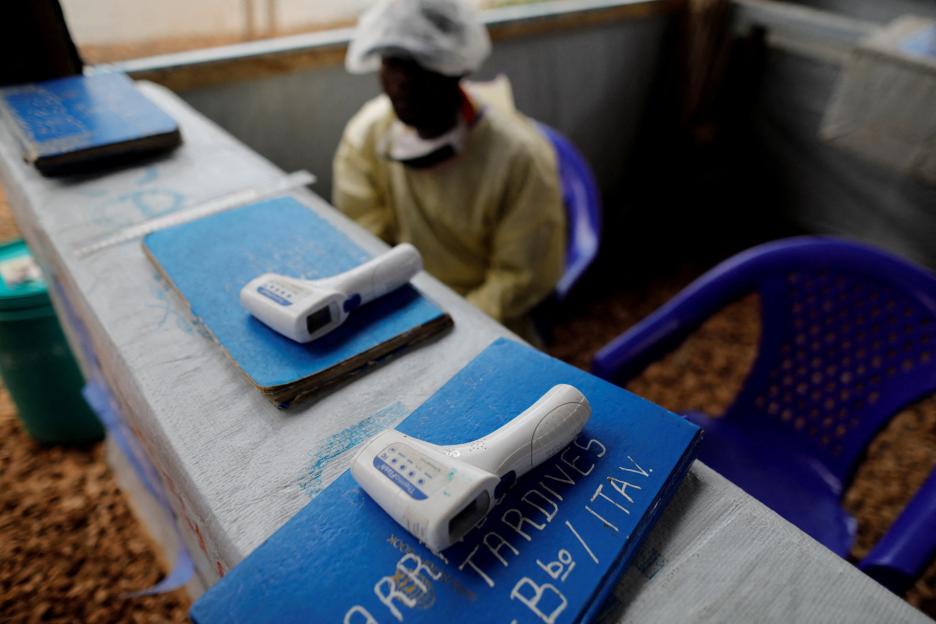 The outbreak has spread rapidly into new health zones Credit: Reuters
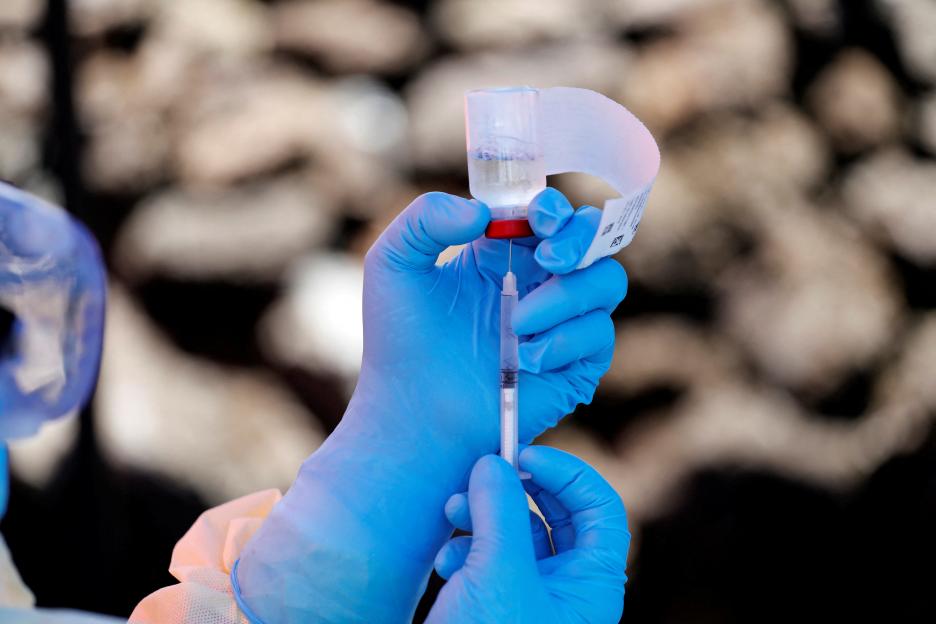 There isn’t a vaccine to protect against the new strain of the virus Credit: Reuters
Most cases – about 90 per cent – are cropping up in the DRC’s eastern province of Ituri.
But infections have also been recorded in the North Kivu and South Kivu provinces and have spread across the border to Uganda.
Nearly a million people have been displaced by years of conflict in Ituri, according to the UN humanitarian office.
People fleeing attacks has hampered contact tracing efforts.
The region has dense forests, poor roads and remote villages that can take days to reach.
Tracing is also difficult among the thousands of miners who regularly move among remote sites in the mineral-rich region.
Manel Rebordosa, ‘s field response coordinator in Ituri, told Sky News contaminated water, lack of handwashing infrastructure and the challenge of disposing of infectious waste were contributing to the disease’s spread.
“Water – the absolute first line of defence in any public health emergency – is simply not available,” he said.
“Miners working in the surrounding areas have no toilets and handwashing stations.
“Then they return home to communities already battling the virus.
“Clean water costs $2 (£1.50) for 20 litres. For most families here, that is far beyond what they can afford.”
The health ministry said on Sunday 40 people have recovered since the start of the outbreak, and the current fatality rate of the outbreak is 23 per cent.
The World Health Organization, which has flooded the DRC with supplies, said it intended to intensify testing, contact tracing and treatment.
Meanwhile, Jean Kaseya, the head of the Africa Centers for Disease Control and Prevention, said: “We remain committed to supporting affected countries until transmission is stopped.
“We call on partners and donors to urgently mobilise resources to strengthen the response and save lives.”
Continue reading

Should fried food and Coco Puffs be off the menu at schools? Two parents go head-to-head
SCHOOL kids’ traditional fish-and-chip Fridays could become a thing of the past. including fried eggs, pizzas, and Coco Pops, to make room for healthier alte...

Fat jabs have turned me from 22st binge-eater into a sex machine having 6-HOUR romps… what happened when I came off them
AT her lowest moment, Lizz Adair was eating herself into an “early grave” at 22 stone, scoffing takeaways for dinner followed up by a family-sized Galaxy bar or...
The 23p fruit you need to scatter over your lawn this winter to stop weeds growing on grass
NOW that we’re officially into autumn, it’s time to prepare our gardens for the colder months ahead. And the wet and icy seasons are the perfect time to tackle...

I had no idea an OTC COLD REMEDY could leave me in the grips of horror 10-year addiction… don’t make my, common, mistake
WHEN Louise Gough went into a chemist to find medicine for a cold at the age of 18, she didn’t imagine she’d still be using it ten years later. The 30-year-old...