SCIENCE experts have discovered 45 “Earth-like” planets in a “Goldilocks” zone that could be harbouring life.
The team at the Carl Sagan Institute at Cornell University say the planets sit in a zone where conditions may be just right for life to exist.
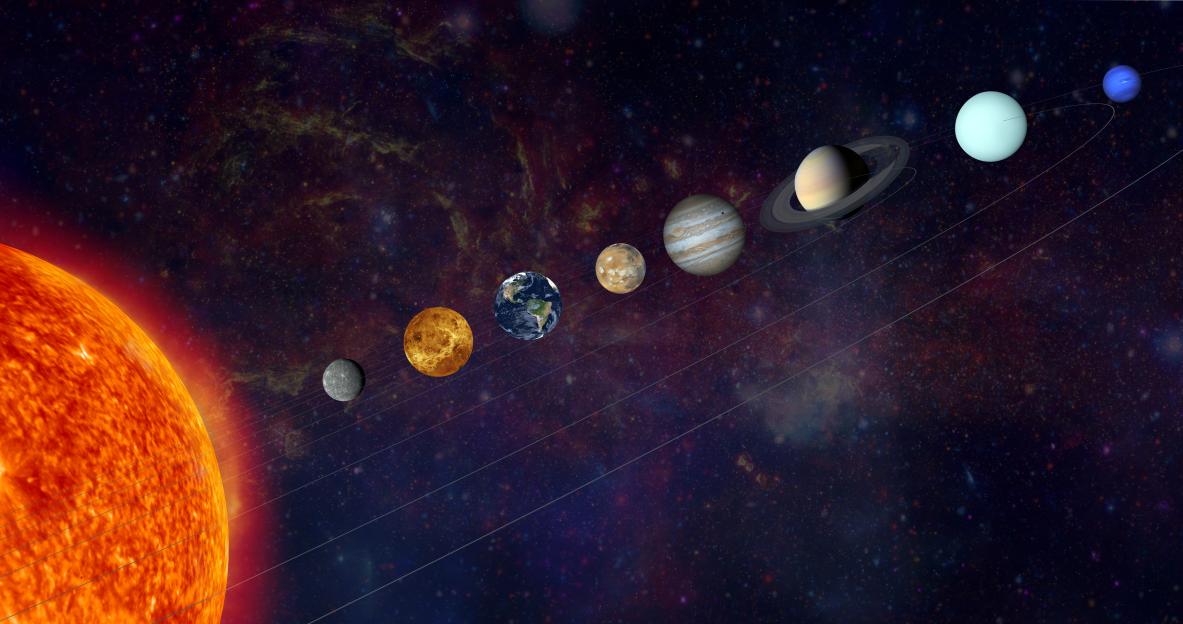 Scientists have discovered 45 ‘earth-like’ planets which could harbour lifeCredit: Getty
Researchers at the prestigious institution claim there are other planets in the Sun’s habitable zone, where it’s not too hot or too cold.
It’s the same sweet spot Earth lies in, allowing water to stay liquid and life to flourish.
Until now, weren’t sure which of the roughly 6,000 known planets located outside , known as exoplanets, actually fell inside this life-friendly zone.
Professor Lisa Kaltenegger, who contributed to the study said: “Life might be much more versatile than we currently imagine, so figuring out which of the 6,000 known exoplanets would be most likely to host extraterrestrials could prove critical.”
Excitingly, some of these distant planets are just tens of light-years away, raising hopes that one day humans could reach them.
Among the most intriguing finds are four planets that exist around 40 light-years from Earth: TRAPPIST-1 d, e, f, and g.
According to Nasa, with today’s tech, the journey to reach the TRAPPIST-1 solar system would take a mind-boggling 800,000 years.
The study will also probe the very edges of these habitable zones to work out exactly where they end — and how best to study them.
Next-gen mega telescopes like the gigantic Extremely Large Telescope, due to switch on in 2029, will help scientists observe the exoplanets.
The ELT will be the world’s biggest optical and infrared telescope, able to capture 100 million times more light than the human eye.