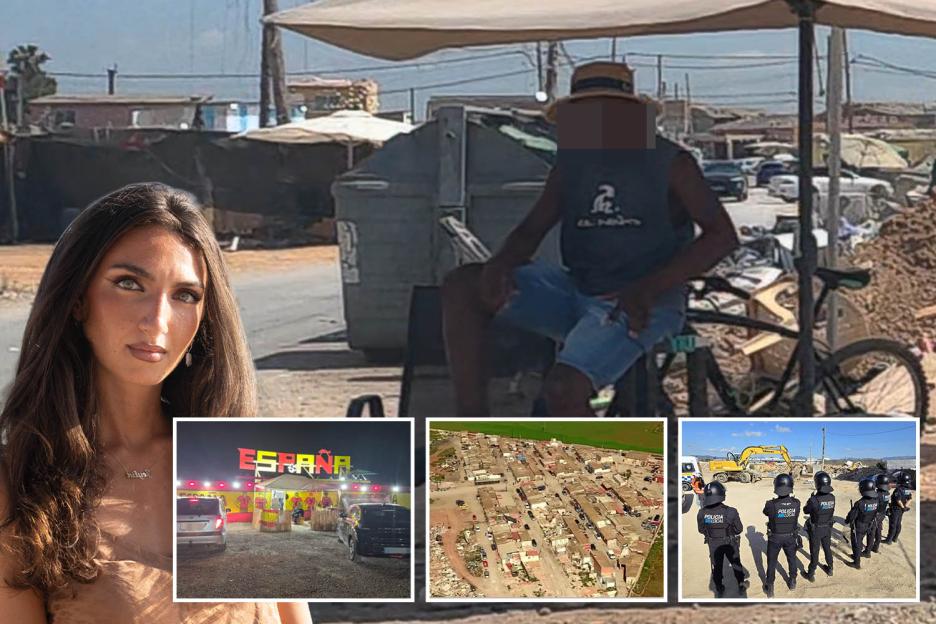
SAT on his wooden throne like a sun-scorched sentry guarding the wasteland beyond, a guard catches my eye and lazily points to a tiny hut.
I swing the car towards it and pull to a halt. The man, his face shaded by a battered straw hat beneath the blistering Spanish sun, strides towards my window. I have barely cracked it open an inch before he leans in and asks: “Cocaine or heroin?” without a flicker of hesitation.
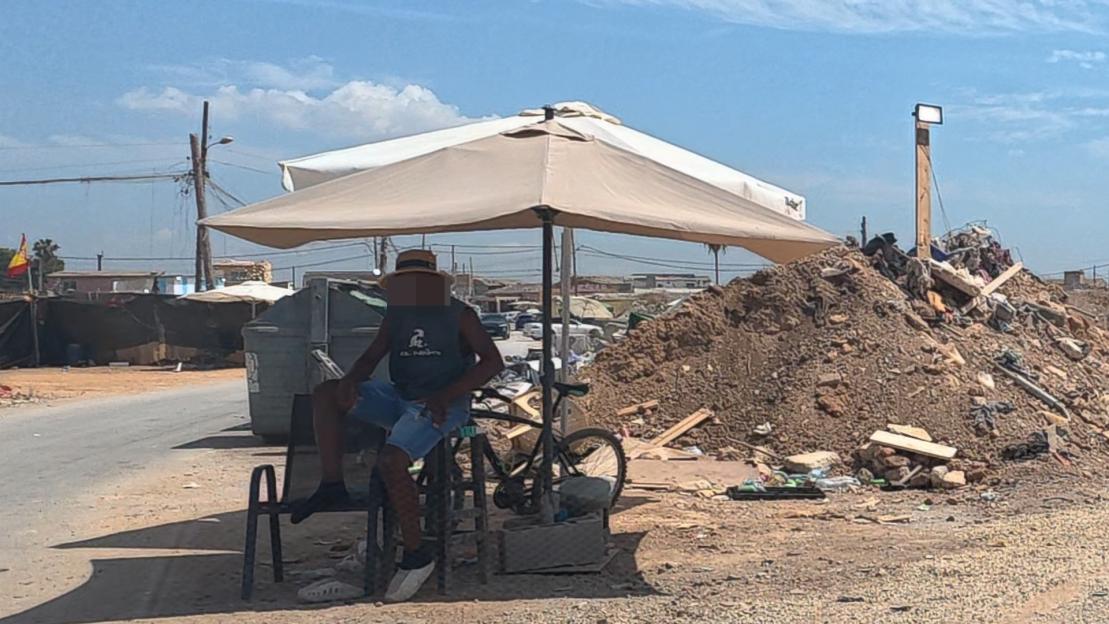 The guard at the entrance to the infamous Son Banya shanty town Credit: Doug Seeburg
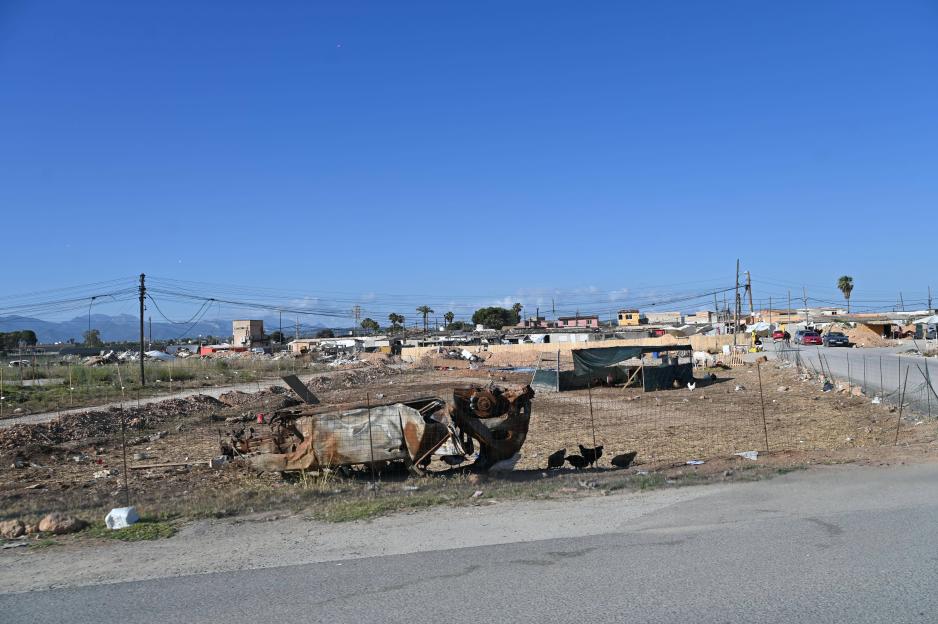
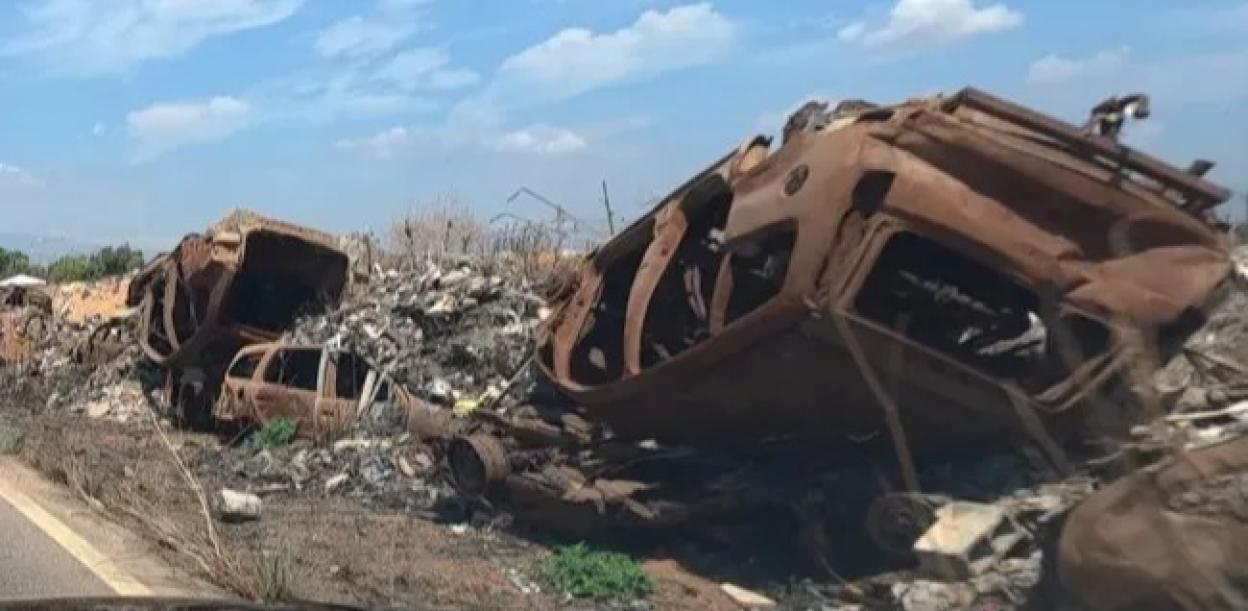 Old rusty cars divide the Palma roads between the holiday hotspot and the narcotics centre Credit: Doug Seeburg
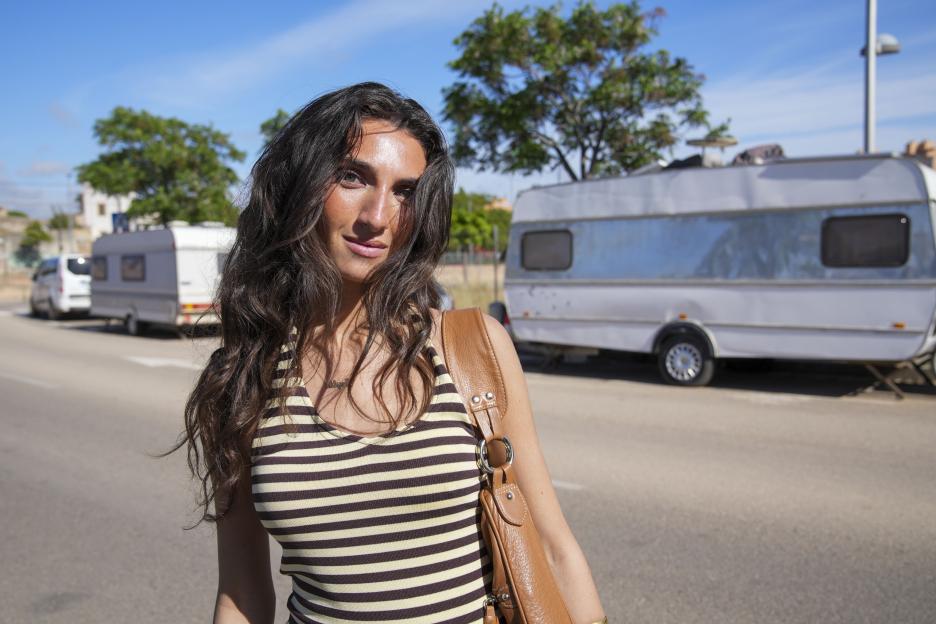 The Sun’s Jeylin Mehmet drove into Son Banya undercover to reveal how the drug supermarket system really works Credit: Ian Whittaker
 The sprawling shanty town is actually a narcotics kingdom where the illegal drug trade has flourished for decades Credit: Alamy
Welcome to Son Banya – Majorca’s notorious drug supermarket, lurking just minutes from Palma’s airport, where thousands of sun-starved British holidaymakers touch down each year.
What may look like a sprawling shanty town is in fact a narcotics kingdom where the island’s illegal drug trade has flourished for decades.
Now carved up between several criminal clans, the territory was once presided over by Spanish drug matriarch Francisca Cortés Picazo – better known as La Paca.
Davide, a 25-year-old local, told me: “The old woman who lived there controlled the entire drug world in Majorca.
“Her grandchild used to go to school with me and everyone knew he was a relative – we were scared of him because of her.”
The feared matriarch of the Son Banya clan was sensationally arrested in 2008 after a sweeping police operation smashed her criminal empire and sent members of her family to jail.
She was also accused of running an elaborate money-laundering web spanning nightclubs, restaurants, industrial warehouses and a string of properties scattered across Majorca.
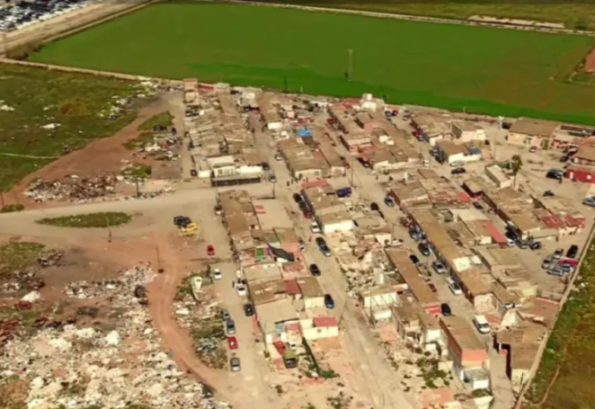 An aerial shot of the notorious Son Banya Credit: Policia Nacional
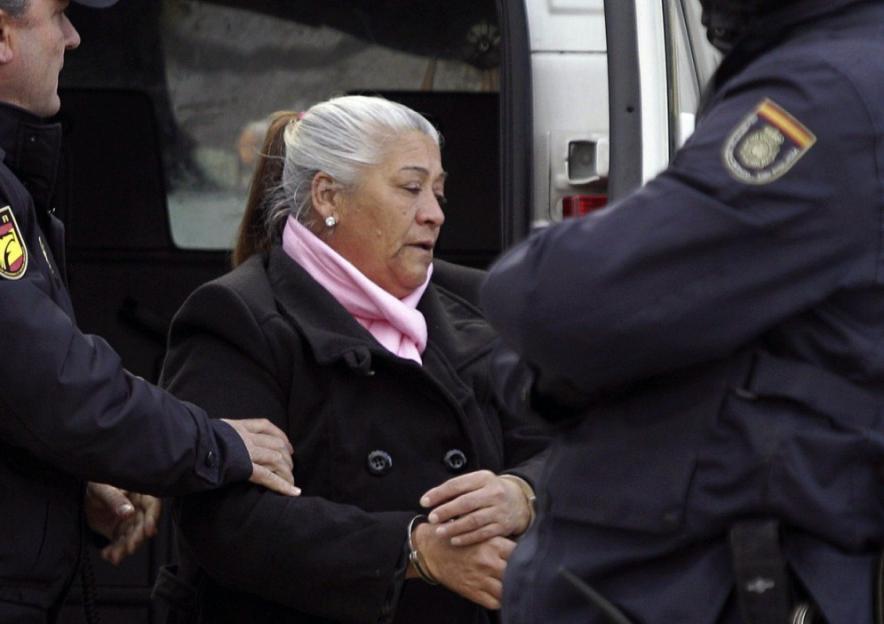 The drug supermarket was once presided over by Spanish drug matriarch Francisca Cortés Picazo – better known as La Paca Credit: Shutterstock
But even from behind prison walls, La Paca’s fortune remained buried beneath the dusty streets of her old fiefdom.
While the now 71-year-old was serving a five-year sentence, cops raided her home in the slums and discovered a concealed hole.
At the bottom of the pit lay five boxes stuffed with €4.3million in cash, alongside seven kilograms of jewellery – a treasure trove hidden beneath the dilapidated settlement.
Dubbed a “drive-thru” drug supermarket, Son Banya is today home to between 600 and 700 residents, including around 200 children.
But Davide warned: “People should not be entering that area”.
He added: “Some children, including toddlers, are often seen handing out drugs to buyers from the huts.”
Along the busy road that divides Majorca’s glossy holiday playground and this triangle of hell, stolen and torched cars sit abandoned like blackened carcasses.
The vehicles are brought in by criminal clans to be stripped for parts, set ablaze and positioned as makeshift barricades around the settlement.
Officers entering the area must be prepared for the possibility of armed resistance, leaving the shanty town with a sparse police presence compared with other parts of Palma.
That has made the maze of huts and narrow paths into an attractive hiding place for criminals who know the terrain.
And even British offenders have become familiar with the settlement’s lawless reputation.
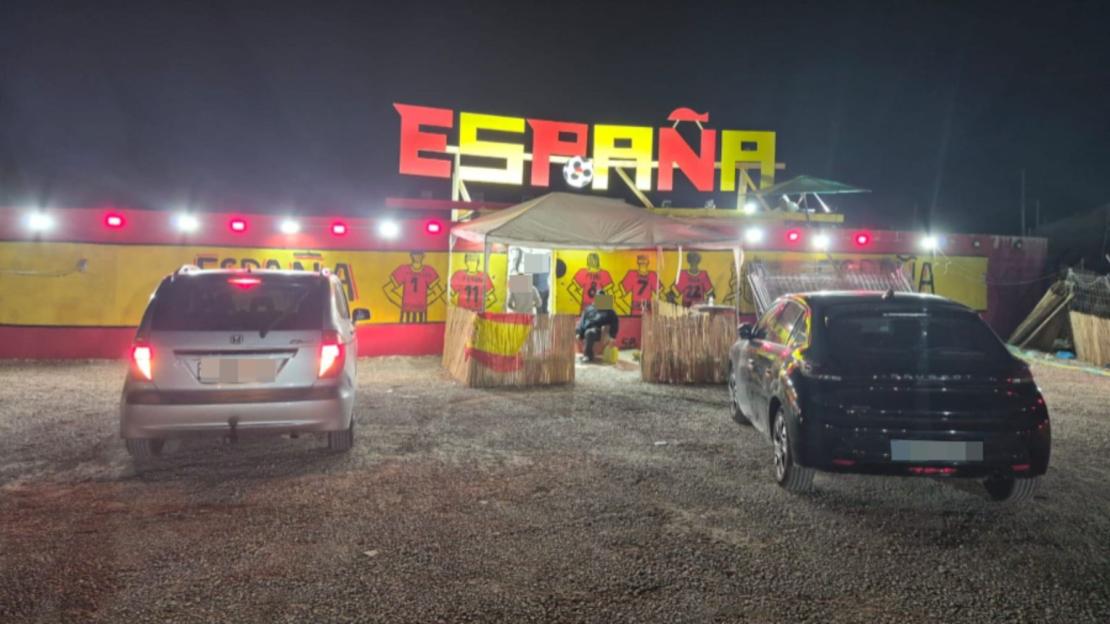 The shack built up by dealing residents made especially for the football World Cup this year Credit: X
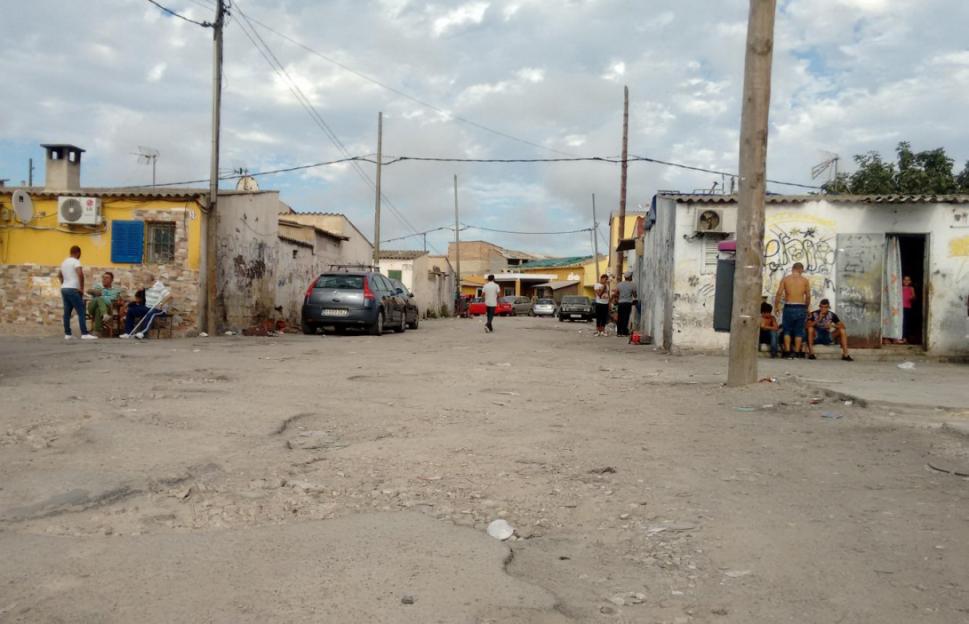 Son Banya is home to between 600 and 700 residents, including around 200 children Credit: Alamy
A middle-aged British couple allegedly lured a man deep into Son Banya under the pretence of collecting or settling a financial debt.
Once they had guided him away from the main road and into the maze of shacks, one of the attackers allegedly pressed a saw against the victim’s neck.
The helpless victim was then battered across his head and torso before being robbed of his belongings.
Eventually residents intervened and broke up the attack, giving the man a chance to escape as the Brit couple fled the scene.
His injuries were so severe that emergency crews took him to hospital, where doctors used staples to close deep wounds to his head and back.
National Police eventually tracked the British couple to their home and arrested them on suspicion of robbery with violence and grievous bodily harm.
As the dealer stood planted beside my window, I scanned the scene around me and began to see the bizarre architecture of the “supermarket” – hundreds of low-rise modular units arranged almost like shelves in a grotesque open-air store.
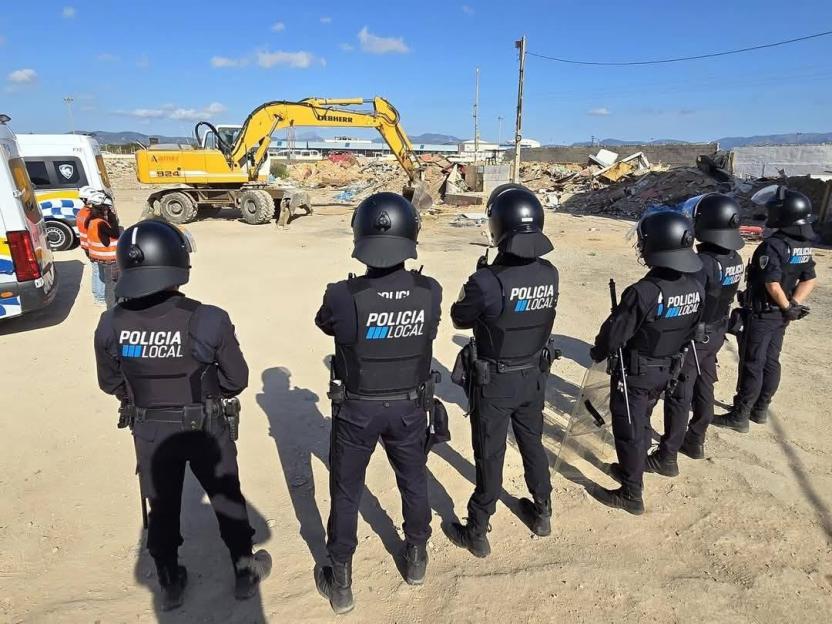 Municipal bulldozers and police squads have torn down the shacks multiple times only for clan members to resurrect it seemingly overnight Credit: Facebook
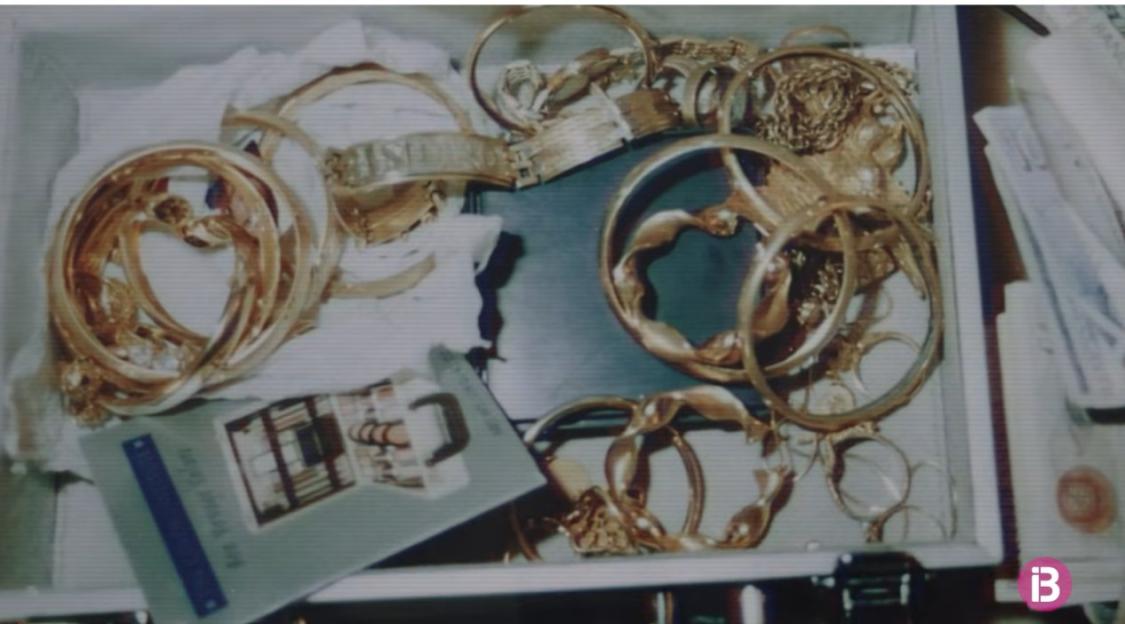 Seven kilograms of jewellery found in a pit below the home of the 71-year-old narcotics kingpin Credit: Unknown
To my right, children wander along the cobbled path weaving through the very heart of Son Banya’s drug epicentre as though taking an ordinary stroll home.
Wood, drywall, brick and battered panels have been fashioned into sales booths, purpose-built for drug deals rather than domestic life.
Crude as they are, the makeshift huts mark a new chapter in Son Banya’s narcotics trade, replacing the older system of dealers operating from family homes or passing drugs through barred windows.
Amid the grimy shacks, Spanish flags flutter in the breeze, clamped into the ground outside the huts like jaunty little shop signs advertising the wares within.
In June this year, cops descended on Son Banya once again, tearing into a cluster of newly erected structures that had sprouted across the settlement – including two lookout towers built to watch over the narcotics trade.
Yet instead of having to hunt for evidence of criminal activity, officers were shocked to stumble across advertising for a “Black Friday” drug sale.
Cocaine was being hawked for €45, while heroin and crack were priced at €50 – grim cut price deals taking place a world away from the Black Friday of the British high-street.
Alongside the haul of narcotics, cops seized accounting ledgers believed to document the mechanics of the underground trade.
Even as they ripped through the settlement, a car rolled in carrying a group of tourists who had apparently only just arrived in Majorca.
The visitors had been brought to Son Banya by a German resident of Palma, who officers established had an arrangement to chauffeur the group around the island.
But instead of collecting drugs, the group saw their car impounded and an investigation opened into to the driver for allegedly breaching passenger transport regulations.
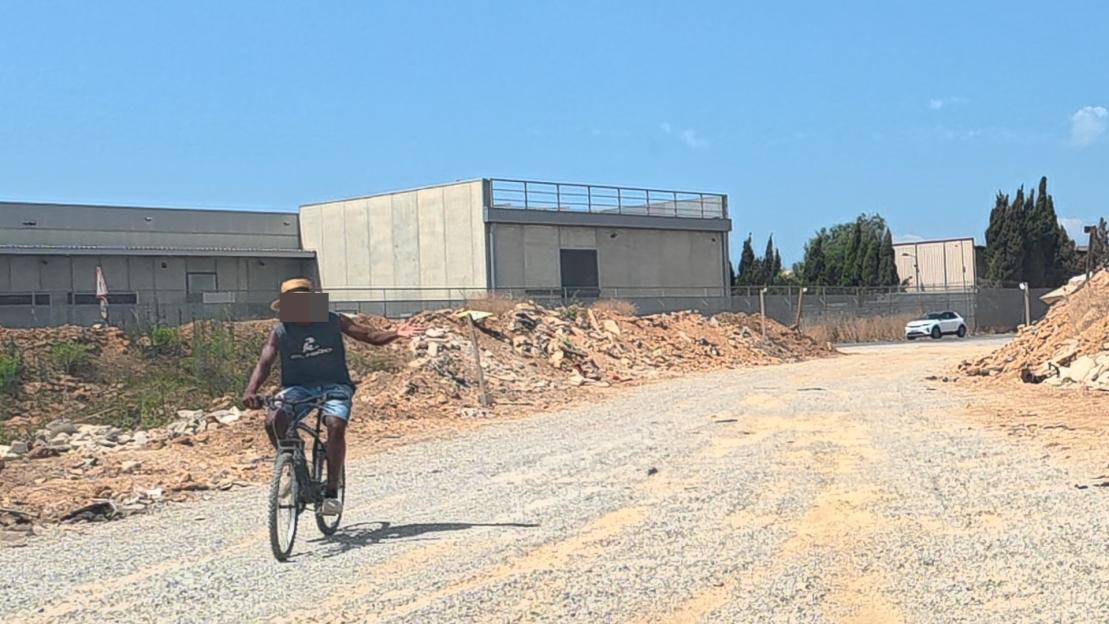 The bike riding drug courier cycling towards my car who directs any unknown vehicles to a spot where he takes their drug orders Credit: Doug Seeburg
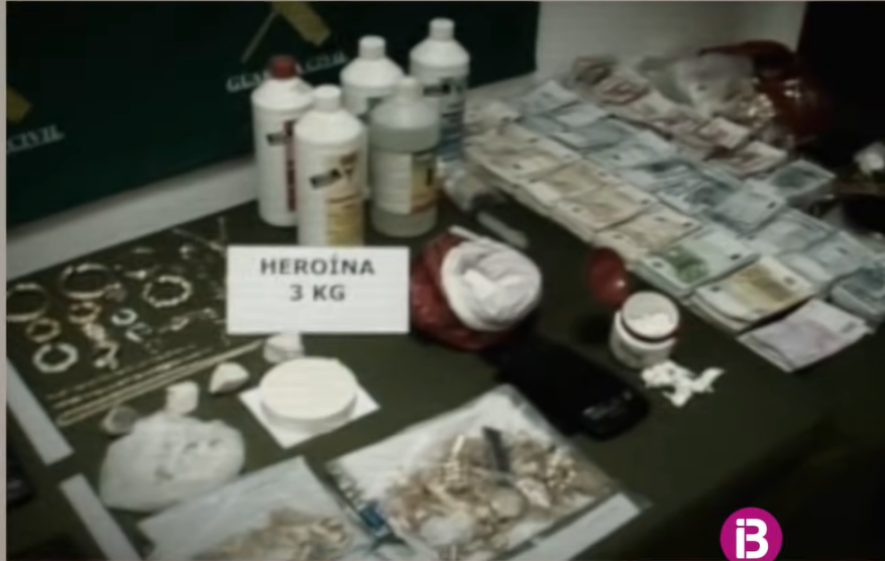 Cops seized five boxes stuffed with €4.3million in cash from the 71-year-old drug lord grandma Credit: IB3
Their trip may have been thwarted, but countless others are not.
And Davide tells me business at Son Banya boomed this summer as Spain began their victorious journey to the World Cup.
He continued: “Before the World Cup, the clan built a Spain-themed shack for the tourists to find more easily during the tournament.”
“They wanted to make it more luxury for the guests,” he added while laughing.
During the tournament, the walls of a drug shack was transformed into an shrine to Spanish , its battered exterior splashed with hand-drawn silhouettes and murals celebrating the country’s sporting royalty.
Among the painted figures were and Spanish national team legends and Raúl González.
Powerful floodlights swarmed the sales point in artificial daylight, while red-and-yellow LED strips flickered around the structure and enormous Spanish flags flapped proudly nearby.
Yet behind the patriotic bunting and bright lights, cocaine, heroin and crack were being sold.
After the World Cup decorations attracted widespread media attention, the National Police and Palma Town Hall moved in with heavy machinery.
Municipal bulldozers and police squads have torn the shack down time and again, only for clan members to resurrect it seemingly overnight, replacing the rubble with a fresh decorative makeover.
And this is not the first time criminal clans have tried to makeover the settlement to make it more attractive to customers.
In 2025, criminal bosses – including one known as El Vito, a nickname lifted from The Godfather – embarked on a bizarre attempt to give Son Banya a glitzy new identity.
Their chosen inspiration was Sin City.
The main commercial stretch was christened “Las Vegas”, transforming the heart of the drug market into a surreal imitation of a neon-lit entertainment district.
At the entrance to the sales strip, dealers installed a huge illuminated “Las Vegas” sign, while LED strips and floodlights bathed the surrounding huts in a lurid glow.
The intention was to make the narcotics hub bright, welcoming and easy to navigate after dark.
To give their Las Vegas fantasy some physical substance, the clans allegedly paid a local contractor in cash to construct a 90-metre concrete access road leading towards the sales hub.
They even added a decorative roundabout, complete with an anchored boat.
Residential areas were separated from the sales strip, while burnt-out cars and piles of debris were cleared away – stripping the area of some of its ramshackle clutter and leaving behind a cleaner drug zone.
But soon after municipal bulldozers, escorted by police squads, rolled into Son Banya and began dismantling the fantasy.
The “Las Vegas” sign was ripped down, five associated drug-selling booths were flattened and the illegally constructed concrete road was torn up.
Son Banya has long been blighted by deadly gangland violence, with fatal shootings erupting from bitter turf wars between rival family clans battling for control over the heroin and cocaine trade.
The shanty town’s bitter rivalries boiled over in 2009 when a brutal shooting left the settlement gripped by fear.
Seven people were arrested and a ring of steel was thrown around the area in a bid to prevent further bloodshed between the warring factions.
On the evening of September 7, members of the rival Ortega family – known as Clan del Peludo – confronted Moreno Cortés outside her home on Street 4 in the heart of the shanty town.
In the middle of the confrontation, a gun was drawn and Cortés was shot point-blank in the head, leaving the settlement once again stained by the violence of its feuding clans.
At the heart of the bloody dispute was an unpaid drug debt worth between €12,000 and €18,000.
This year, a drug trafficker linked to a fatal hit-and-run was arrested again after allegedly firing a gun into the air in Son Banya – before leading cops on a high-speed chase through the maze of shacks.
During the pursuit, he allegedly hurled a plastic box from the window.
Tucked into the Tupperware was a pistol, two magazines and a barrel, all wrapped in plastic as though hastily concealed for disposal.
The vehicle itself yielded another haul: more than €2,100 in cash and several spent shell casings.
Police then turned their attention to the shack from which the suspect had emerged.
Inside, they allegedly discovered an arsenal that included a katana – a traditional Japanese sword – quantities of marijuana and cocaine and more than €240 in cash.
And as the notorious crime den continues to cast a long shadow over Majorca, the battle to finally wipe out its deadly drug trade goes on.