“OH my goodness, did you hear the news?”
My phone lights up as soon as the plane lands, worried messages rolling across my screen.
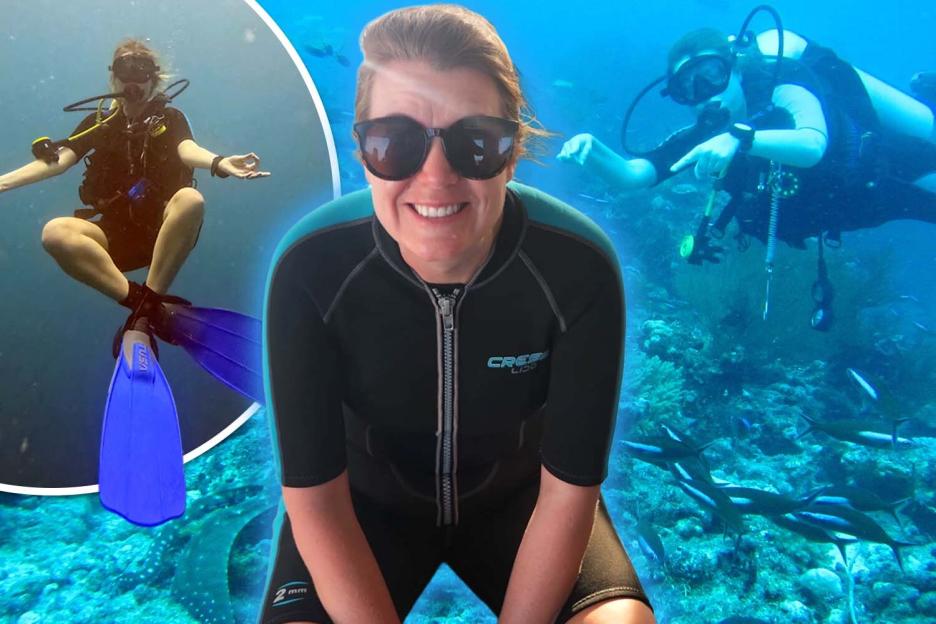
 The Sun’s Brittany Vonow diving in the same waters where the five Italian divers tragically died
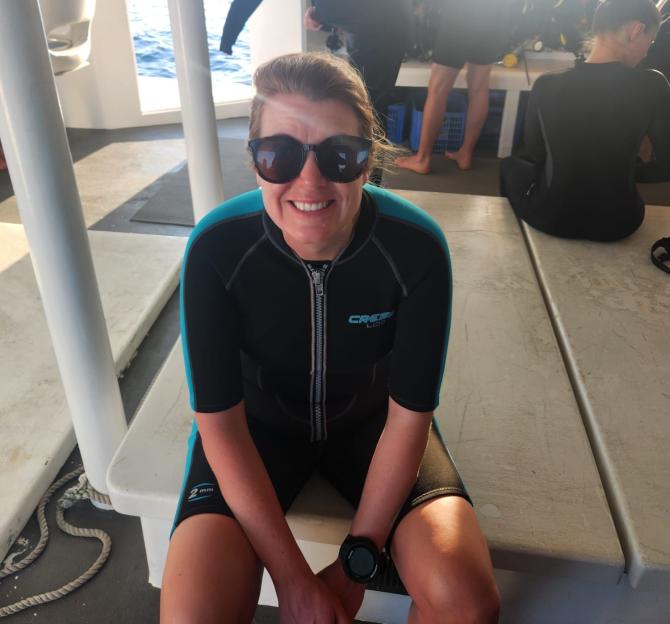 Brtittany enjoying her ‘dream holiday’ just days before the tragedy unfolded
I’ve just landed at Heathrow after a dream holiday – ten days diving in the crystal clear waters of the .
Spending a total of 24 hours under water on our dream holiday, we saw whale sharks cruising above, manta rays somersaulting around us,
But a pit in my stomach forms as I read the devastating news: , a gorgeous spot I had spent a day myself diving at.
I show the news alert to my husband and he says out loud what everyone has been asking: “How did that happen?”
The news gets worse when we hear one of the divers who was sent to recover their bodies paid the price for his bravery at the picturesque atoll.
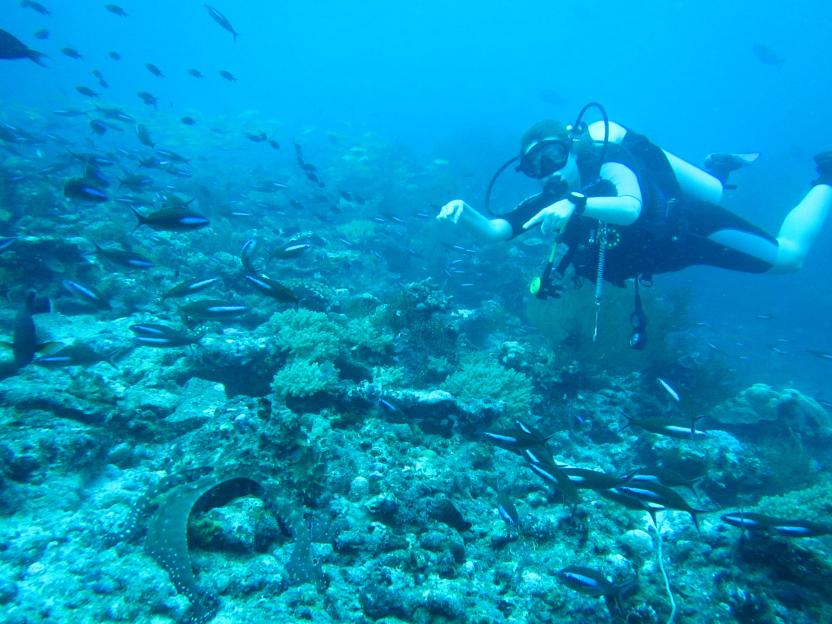
I still remember the two jaw-dropping dives I spent under the water at the Vaavu atoll.
The first, I clipped my reef hook in and had dozens of reef sharks swim around me, getting so close that one even bumps into my head.
“Did you see that!” I exclaimed to my dive buddy – but my words were unheard, turning into a mess of bubbles.
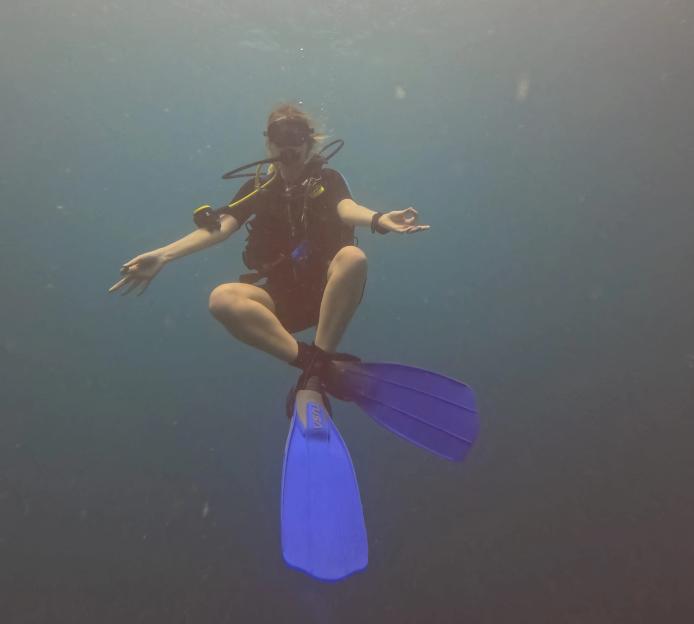 I still remember the two jaw-dropping dives I spent under the water at the Vaavu atoll, says Brittany
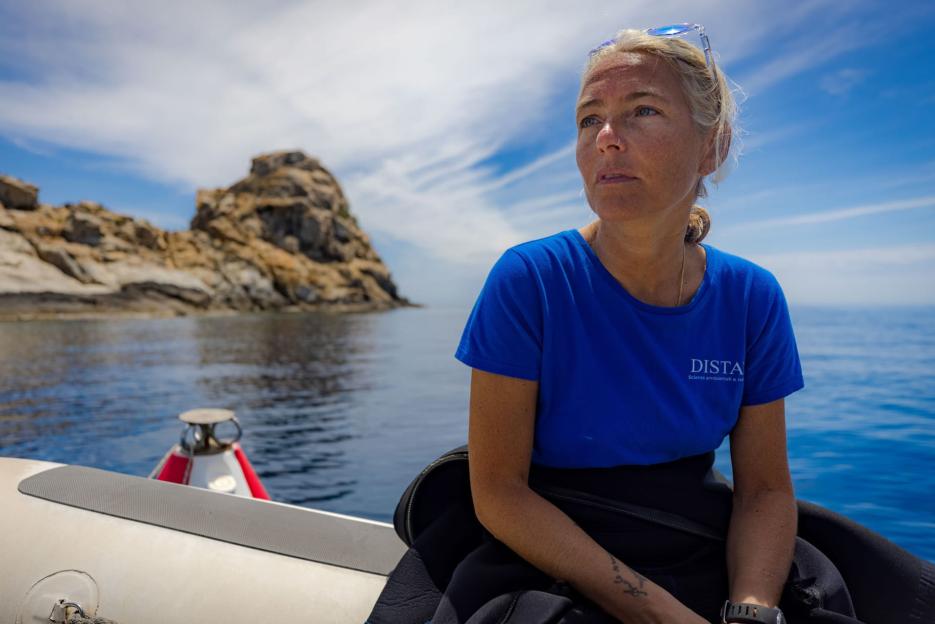 Expert marine biologist Monica Montefalcone, who had 5,000 dives under her belt was one of the victims Credit: AP
The normally clear water turned darker and darker as the sunlight disappeared, and we completed our surface stop in pitch black water.
Luckily, we had charged torches. Luckily, the visibility was good. Luckily, we could swim straight to the surface.
I can’t even imagine what it would have been like not to have that option.
Another dive, at a different site, saw the current turn against us.
For context, when you are diving with the current, it’s like flying. It pushes you, and you just get to float along and take all of the beautiful scenery in.
But when you have to fight the current, it’s exhausting. It can pull you sideways, and you have to literally cling to a rock or hook in to avoid being swept away.
Chillingly, it can even pull you down.
I have never been to 100ft deep like the tragic cave divers.
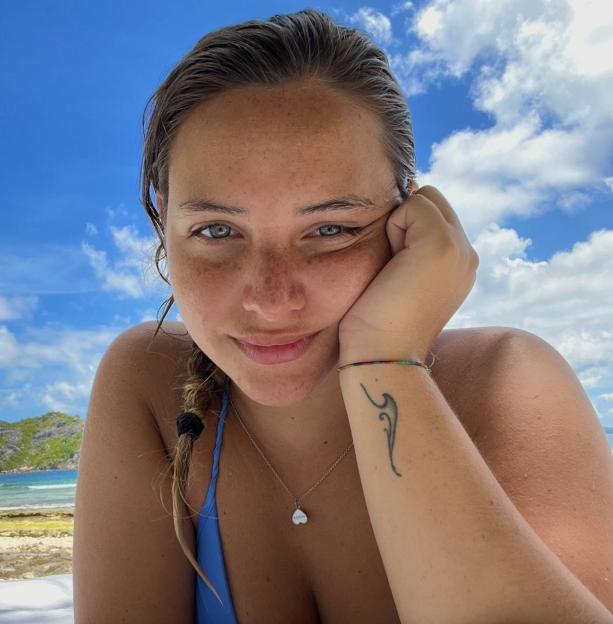 Giorgia Sommaca, Monica’s 20-year-old daughter, also an experienced diver, died with them Credit: UGC/UNPIXS
 Genoa University professor Muriel Oddenino, 31, from Turin was among the people who perished Credit: UGC/UNPIXS
Not only is the recreational diving limit in the Maldives is 30m (98ft), but you cross the threshold into tech diving when your dives exceed 40 metres (130 feet) in any case.
What this means is: you need a special mix of oxygen-helium gas mixtures to avoid side effects of nitrogen narcosis and oxygen toxicity.
I haven’t seen any reports that the tragic divers had the right mix to take them into that cave.
Any diver knows these rules. It’s drilled into them.
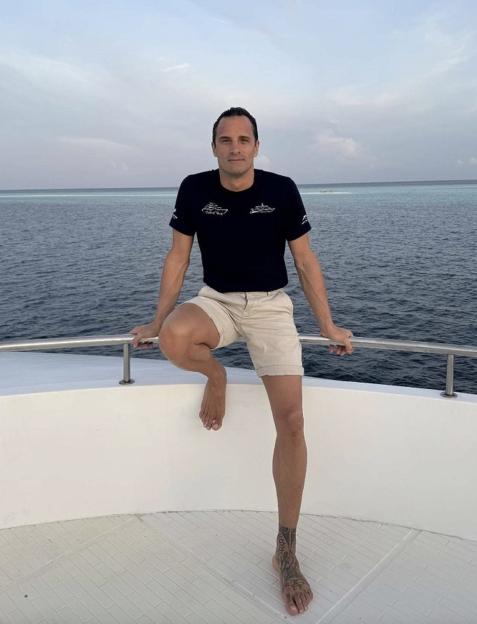 Local instructor Gianluca Benedetti knew the area well, but also died in the horror Credit: UGC/UNPIXS
 Federico Gualtieri also entered the waters from the Duke of York yacht on the morning of May 14 Credit: UGC/UNPIXS
That’s why I believe these divers never meant to be in that cave.
I also know what it’s like to watch your air slowly go down.
As a diver, you monitor it regularly, always checking the gauge to know how much time you have left under the water.
You should start to return the surface when you have 50 bar left. I can’t imagine watching that dial go down.
Or worse, it being so dark you don’t know how much air you have left.
When you’re going through your diving training, you are shown what it’s like when you run out of air.
Just one metre under water, you turn off your tank. You watch the gauge go down as you breathe and once it’s empty, it’s like sucking through a straw in a cup that is empty.
In training, you signal that your air is done, and your buddy turns it back on.
It’s a scary drill but important, to know how it feels to have no air left.
I don’t want to think about the panic of breath that those divers took, knowing it would be their last.
I can only hope that we eventually find the answers for the devastated families.


![NAF Ondo crash: Large aircraft Wreckage emerges from swamp [VIDEO]](https://image.flyingeze.com/posts/file/8fef76/img-2072.webp)