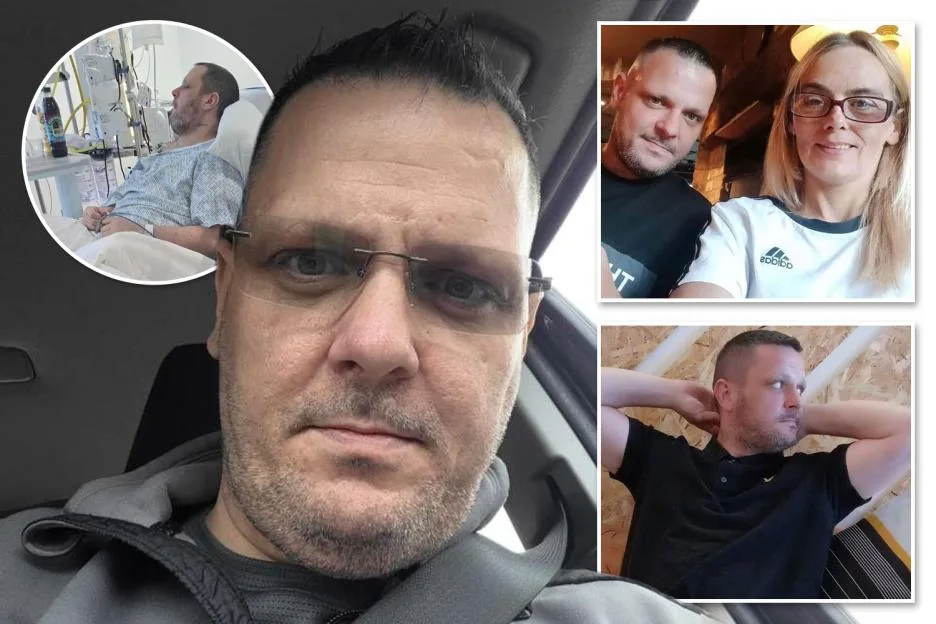
THE rapid spread of a rare Ebola strain is “outpacing” response efforts, the World Health Organization (WHO) has warned.
Up to 220 people are suspected to have died in an of the virus in the Democratic Republic of Congo (DRC).
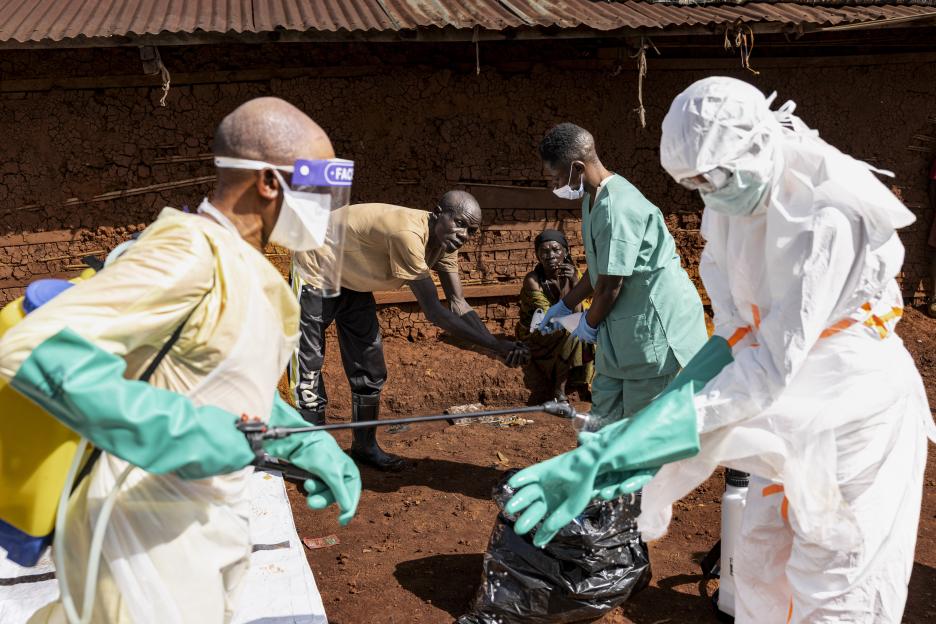 The World Health Organization warned that Ebola spread is outpacing response efforts Credit: Getty
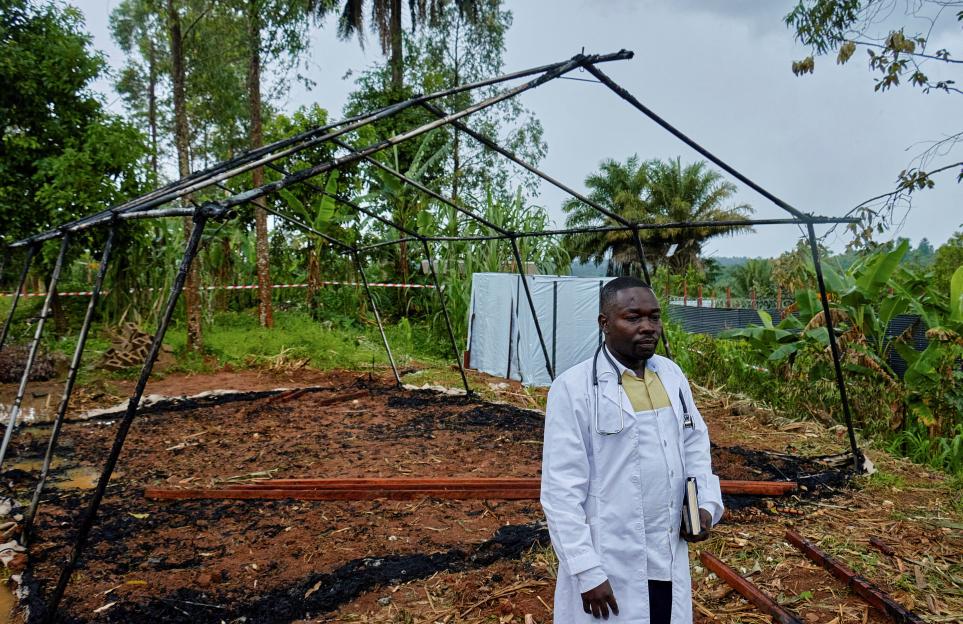 Medical Director of Mongbwalu General Hospital Richard Lokudu next to the burned remains of a destroyed emergency isolation tent at the Mongbwalu General Referral Hospital Credit: Reuters
Meanwhile, facilities treating sick patients in the Ituri province – the epicentre of the outbreak – have been stormed by protestors.
Addressing an online meeting of the African Union about the deadly outbreak, WHO director general Dr Tedros Adhanom Ghebreyesus said delays in detecting cases meant responders were now “playing catch-up”.
He warned the epidemic was likely to get worse before it gets better and that there was a high risk of Ebola spreading to neighbouring countries.
Up to seven cases have already been reported in Uganda, which borders the DRC.
Meanwhile, neighbouring Rwanda has closed its borders to the DRC in an effort to stop cross-border spread, while countries such as Zambia have instituted Covid-style prevention measures.
Dr Tedros said: “We are urgently scaling up operations, but at the moment the epidemic is outpacing us.”
He urged neighbouring countries to take immediate action.
WHO’s director general also announced there had been 220 suspected deaths so far in the current Ebola outbreak.
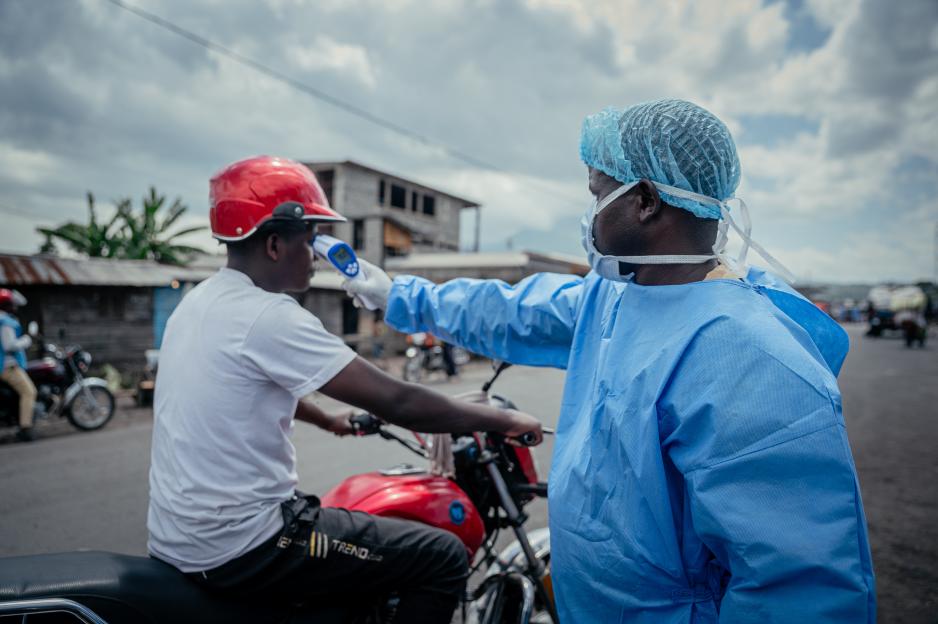 The outbreak was declared earlier this month Credit: Getty
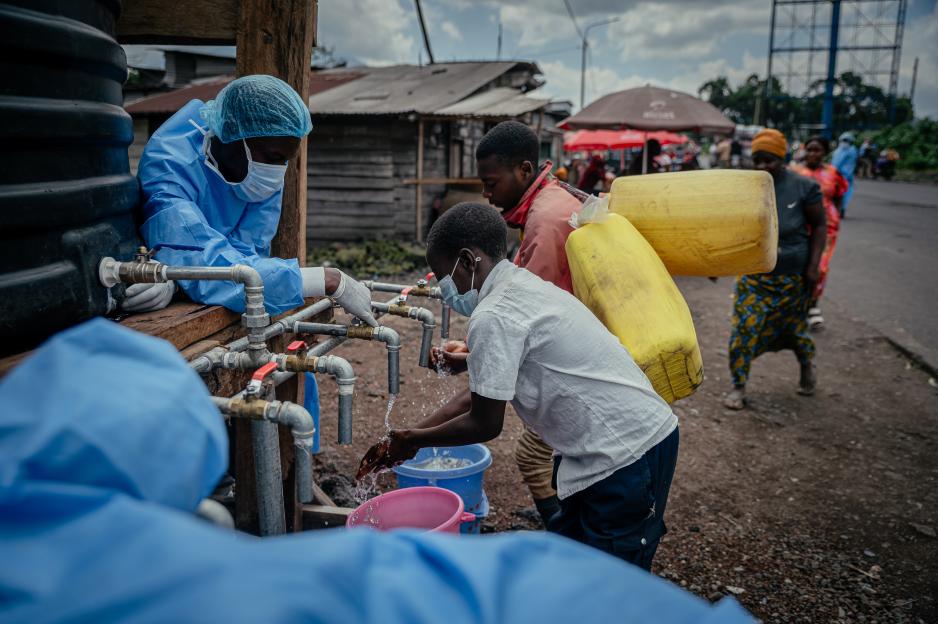 Health authorities fear the virus was spreading undetected for weeks Credit: Getty
This is a rise from the 170 suspected deaths previously reported.
It follows the Congolese ministry of communication announcing on Sunday that there were .
WHO first raised the alarm on about earlier this month, caused by a rare strain dubbed Bundibugyo that has no approved treatments or vaccines.
Health authorities suspect the strain was spreading undetected for weeks as standard Ebola tests weren’t picking it up.
Dr Tedros last week declared the outbreak was a “public health emergency of international concern”.
Though the risk of Ebola spreading globally is low, there’s a very high risk of the disease gaining ground in other African countries.
This is made even more likely by the long-running armed conflict in the DRC, which has weakened healthcare systems and left millions displaced.
Meanwhile, facilities treating sick patients have been subject to waves of attacks from residents wanting to claim bodies of suspected Ebola victims for burial.
Residents of Mongbwalu town in the DRC attacked the Mongbwalu general referral hospital on Saturday and Sunday last week.
Dr Richard Lokodu, medical director of the facility, told Reuters that 18 Ebola patients had fled on Saturday after “unidentified individuals” burned tents, erected by Médecins Sans Frontières, where patients were being isolated.
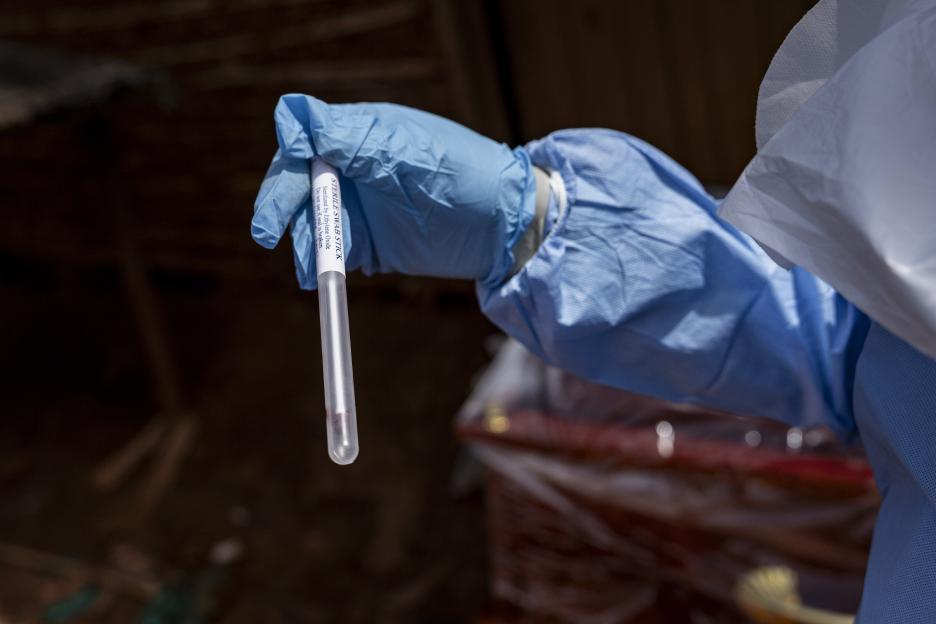 The outbreak was declared a ‘public health emergency of international concern’ Credit: Getty
 How does Ebola spread?
The virus is transmitted through direct contact with blood and body fluids and objects that have been contaminated by someone with Ebola.
It also spreads through contact with sick or dead wild animals.
It can take symptoms two to 21 days to appear following infection – this is known as an incubation period.
Ebola first manifests as a high fever, intense muscle and joint pain, headaches and a sore throat.
Initial symptoms are often followed by vomiting and diarrhoea, rashes on the skin, kidney and liver failure, and sometimes internal and external bleeding.
People who survive the virus can suffer from arthritis as well as vision and hearing problems.
Some types of Ebola can be prevented with vaccines and treated with medicines.
Source:
The hospital came under four waves of attacks on Sunday, he added, by young people mobilised by relatives of a religious leader who died of Ebola.
Seven other patients escaped and Congolese and soldiers had to intervene to restore order.
A suspected patient who was in critical condition from haemorrhaging died in the second attack while trying to flee from his bed.
The perpetrators of the attacks wanted the bodies of the Ebola victims released for burial, Dr Lokodu added.
In a similar incident, a crowd on Thursday set fire to a treatment centre in Rwampara, near Bunia, after authorities refused to give them the body of a victim they wanted to bury themselves.
The burial of bodies, which can be highly contagious, is handled by authorities in order to contain spread of the disease.
However, some families prefer traditional burials, which involve washing and touching the body.
In previous outbreaks that has been proven to be a key driver of the spread of the disease.
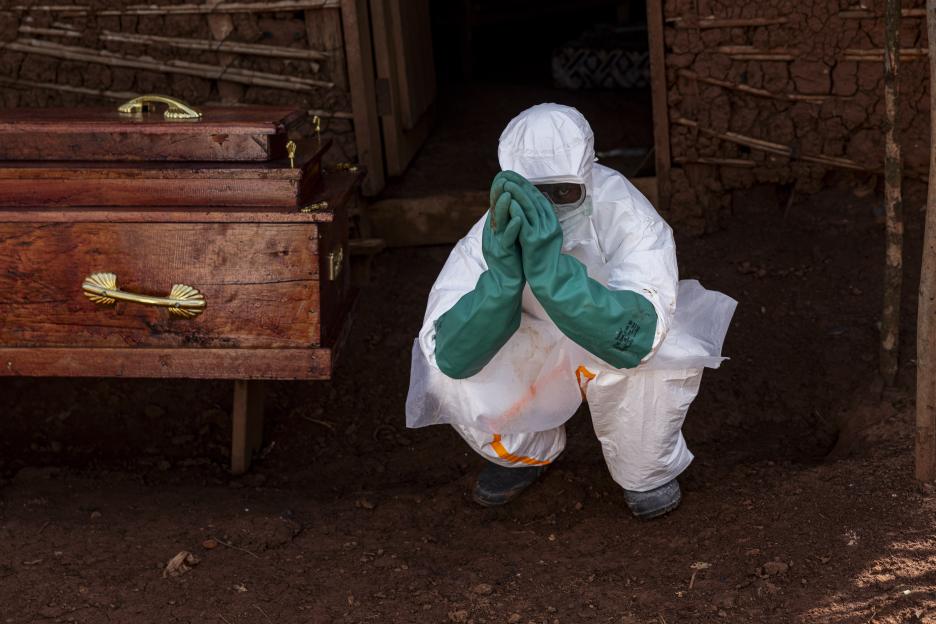 A health worker wearing protective equipment crouches beside the coffin of a suspected Ebola victim Credit: Getty
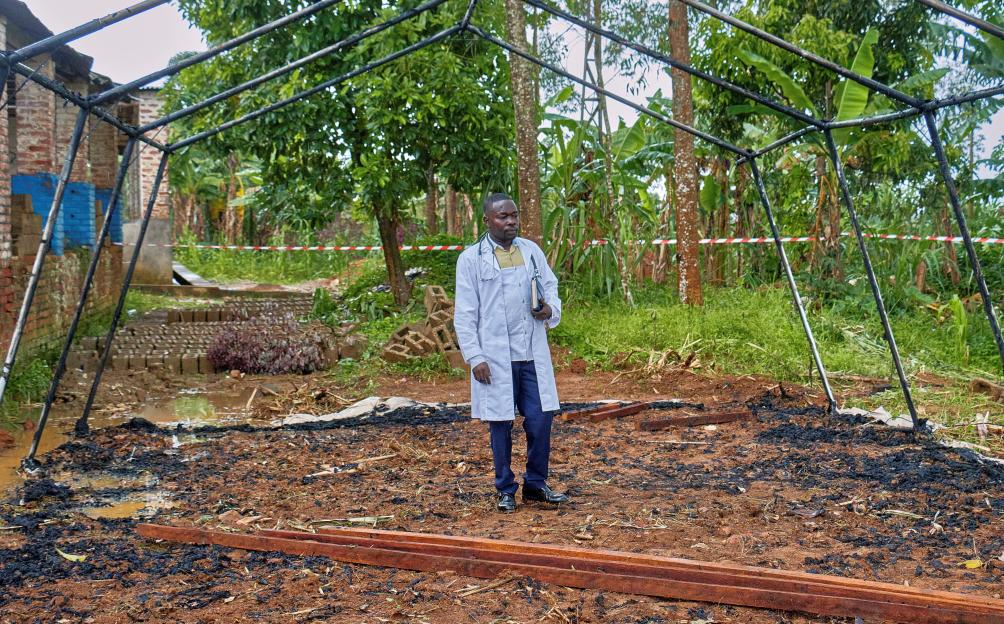 Healthcare facilities have been subject to attacks from protesters Credit: Reuters
For the current outbreak, it’s believed an open-casket for a 45-year-old nurse in Bunia, a city close to the Ugandan border, acted as.
This is the 17th time the deadly virus has emerged in Congo, according to a WHO update last week.
The initial symptoms of Ebola appear suddenly and are flu-like, such as a fever, headache and tiredness.
As the disease progresses, vomiting and diarrhoea develop and the body’s organs do not work as well.
Later, patients can experience failed liver and kidney function and internal bleeding.