Stepping inside the rundown house, Savannah nervously scanned the room. The familiar stench of drugs hung in the air.
But strewn across the kitchen worktop was something far more terrifying.
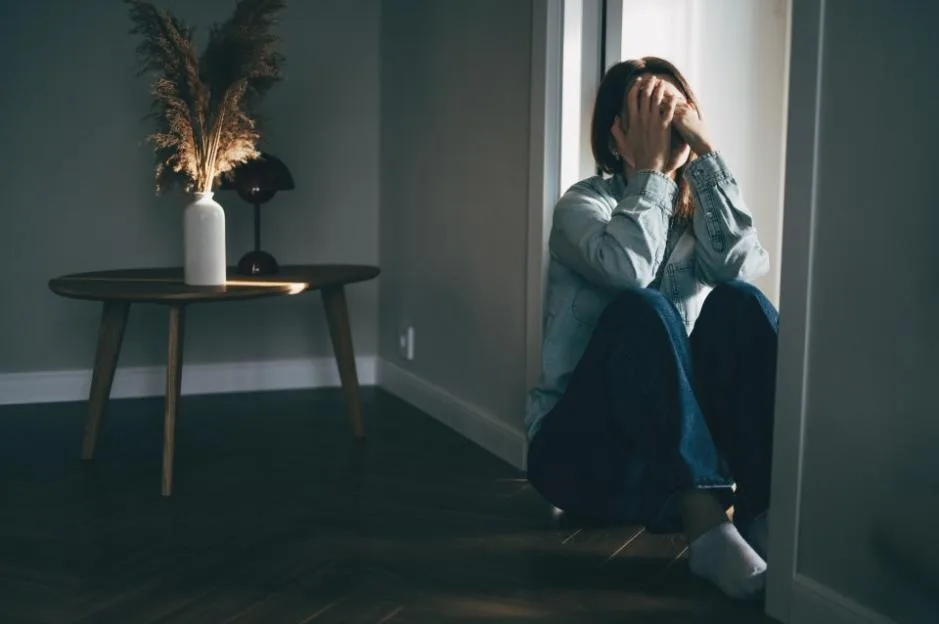
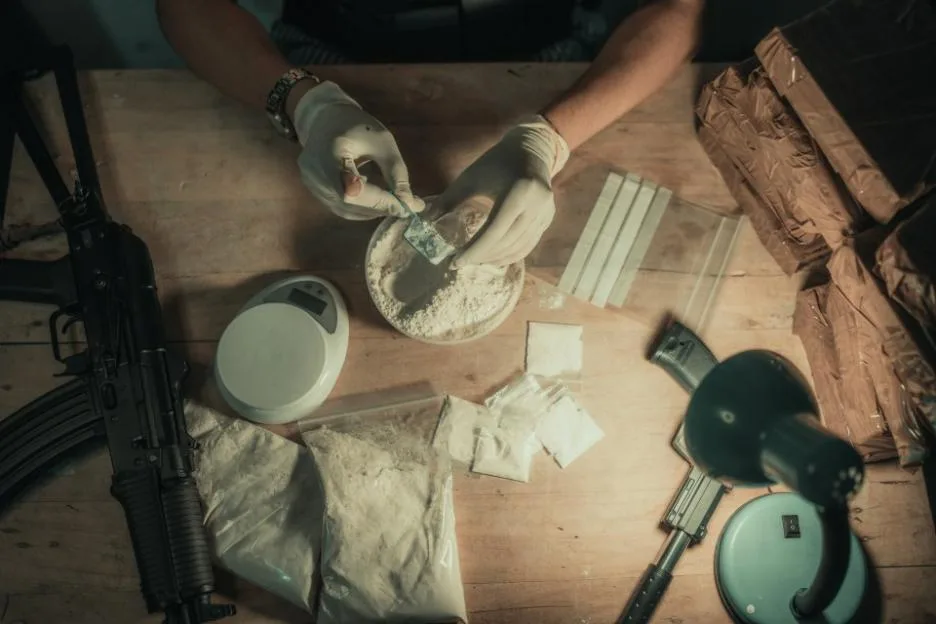
“My boyfriend had brought me to a crack den to do a drugs deal and there were bags full of guns, others full of drugs and more full of money,” she tells The Sun. “In the living room there were all these men on the sofa. They were so off their faces they looked like zombies.”
It was one of many terrifying moments during .
Simon, who took control of almost every aspect of her life, .
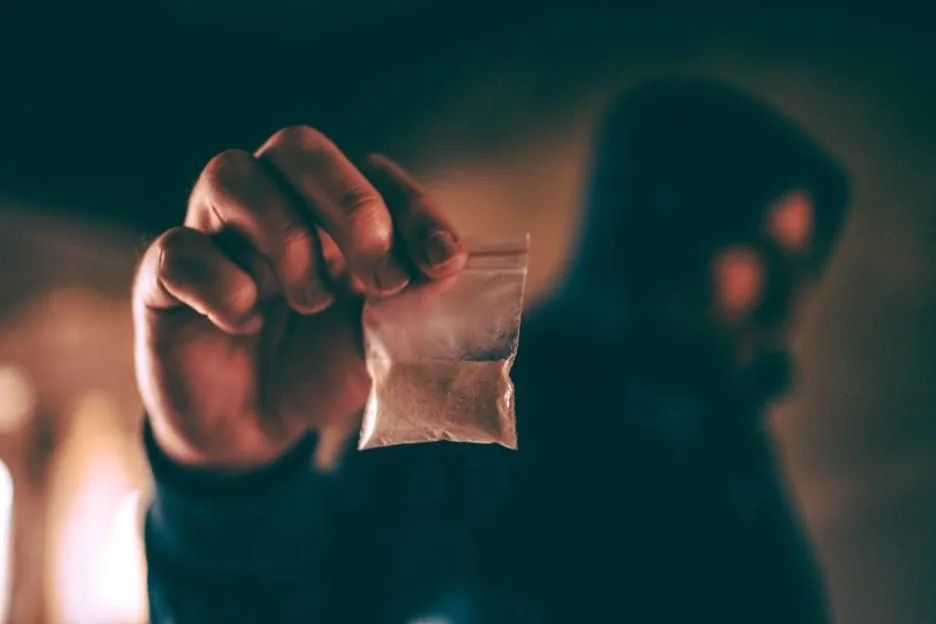
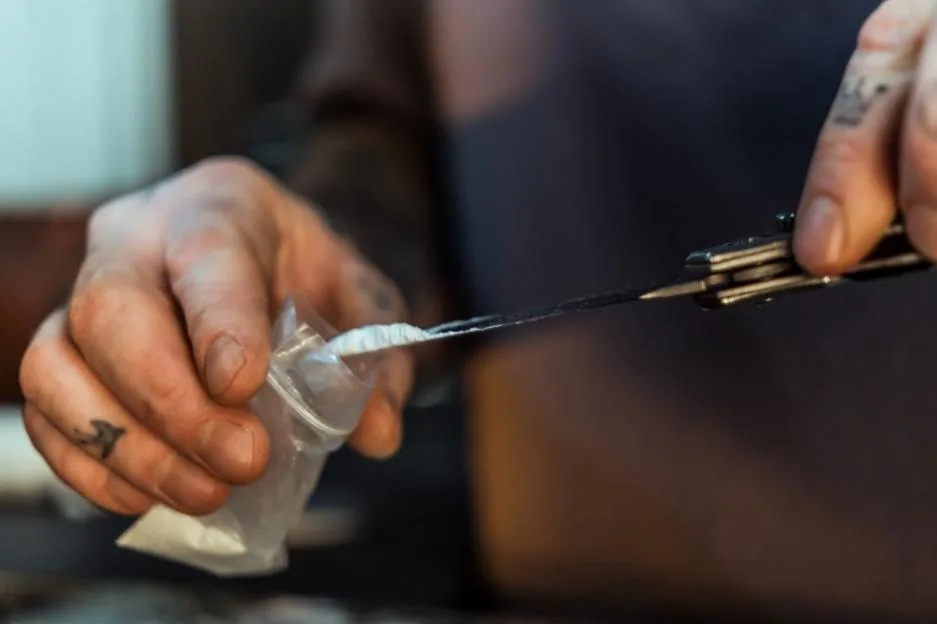
The manipulative dealer forced single mum Savannah, whose name has been changed to protect her identity, to stash thousands of pounds’ worth of crack, cocaine and heroin in her wardrobe, prepare drugs for sale and use her name to conceal his criminal activities.
He made her buy a car on finance for his drug runs, despite her inability to drive, and put dealers’ contact details on her phone to keep them off his own device.
When she questioned him, he threatened to kill her.
“I did say it wasn’t right but then he’d say things like, ‘I’ve got guns and I’m not scared to use them’,” says Savannah, now 29. “Deep down, I knew I shouldn’t be helping him all the time but he had charmed me and now I realise how much he was controlling me.”
When police finally raided her home in January 2026, Simon tried to frame her for his operation. Both were arrested but a judge recognised Savannah as a potential victim of modern slavery.
Now, living in a safe location in the North East with help from The Salvation Army, she is sharing her story ahead of Anti-Slavery Day on October 18 to raise awareness of criminal exploitation.
Between 2025 and 2026, the charity’s modern slavery support services helped 364 British nationals, including people coerced into criminal activities.
Savannah had endured a turbulent childhood and, although she had often been around people taking drugs, she preferred to steer clear of them apart from cannabis.
After separating from the father of her daughter, Grace, following his infidelity, she was vulnerable when she met Simon in early 2024.
She first spotted him while doing domestic work at a friend’s house.
“My friend’s boyfriend knew him and I remember telling her, ‘Oh, he’s quite good-looking’,” she says. “After that he just charmed me.”
Simon added her on Snapchat. He began sending flattering voice notes, praising her appearance, her accent and her work ethic.
Within weeks, he arrived for their first date with romantic gifts, including lilies, a candle and strawberry and lime rum. He also made an effort with eight-year-old Grace, chatting to her and buying her tacos.
But the romantic gestures quickly gave way to requests for favours.
He asked her to buy him trainers with her benefits money, sometimes repaying only part of the cost or giving her cannabis instead.
“He said he had a flat but he’d stay at mine until three in the morning, until he said he had to go back to his dogs,” she says.
What she did not realise was that Simon was already on bail for and for defrauding and cuckooing an elderly couple – a form of exploitation in which criminals take over someone’s home to use for illegal activity. He was now doing the same to her.
He moved his illegal into Savannah’s house despite her objections.
“It would destroy my house and I told him I didn’t want it but he didn’t listen,” she says. “Now I realise it was just another thing tying me to him.”
Within months, he had persuaded her to buy a laptop on finance, promising to pay it off, and to take out a loan for a Volkswagen Golf in her name.
He was also bringing drugs into her home.
One day, he arrived with a Poundland bag containing smaller bags of substances.
“He said, ‘I’m going to teach you how to cut something. I’m going to teach you how to weigh’,” Savannah says.
“I thought he meant to weigh weed but I soon realised it was much harder drugs. He said, ‘I’m going to teach you whipping’ and I genuinely thought he meant we were going to bake a cake, but it was making crack.
“I was scared. I kept thinking, ‘What am I doing?’ but then I convinced myself, ‘Maybe it’s a one-time thing and then it’ll be over?’.”
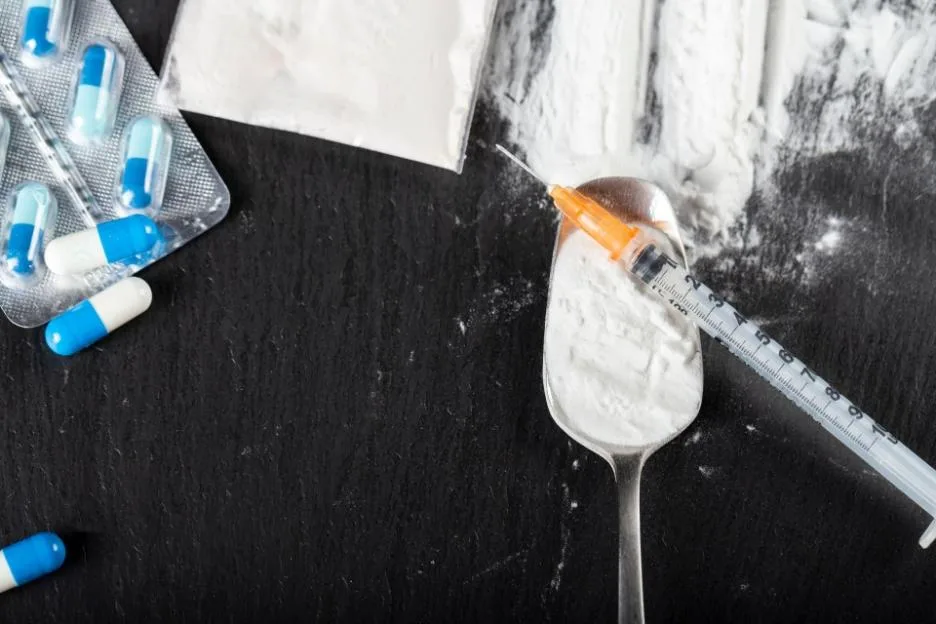
Simon ordered her to hide the drugs in her bedroom wardrobe and obtained a key to her back door, allowing him to let himself in while she was working.
He made her accompany him on deliveries.
He also filled her phone with customers’ and dealers’ details, leaving incriminating information on her laptop.
Simon told her that if he went to prison, she would be responsible for keeping the business running.
“He’d tell me, ‘I’m the train and you are my tracks’,” she says.
“I was in love with him. I am a people pleaser, so when he asked me to buy something for him and didn’t pay up, I didn’t feel I could ask for it back. I did what he asked because I felt I was trapped.”
The control extended into every corner of her life. Simon repeatedly called her at the gym, sometimes demanding to collect her before she had finished her workout. He stopped her seeing friends and disrupted her Sunday lunch tradition with her dad.
“I was seeing to his needs more than my own,” she says. “He was isolating me.
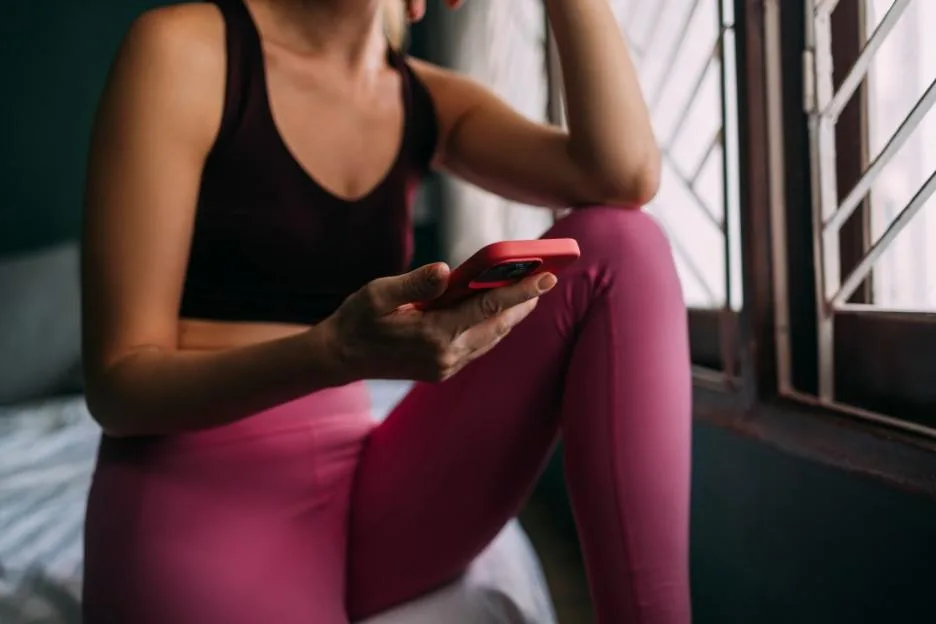
“I think I found it hard to end things because I really liked him and I’d had such a grim time with other boyfriends before.”
Looking back, Savannah can see the warning signs. At the time, however, she kept hoping his demands would stop.
At the end of 2025, she discovered Simon had another woman.
“She messaged me because she’d found all my messages on Simon’s phone and asked who I was. I told her everything and me and Simon had a big row and I told him to pack his bags,” she says.
But, with such a hold over Savannah, he soon managed to worm his way back into her life.
In January 2026, police smashed down her front door.
Savannah watched in horror as Simon tried to escape through the back, throwing drugs across the kitchen as officers entered.
“It was really scary,” she says. “I’ve only come here for my trainers,” she remembers him telling police.
Officers had a warrant to search for drugs, weapons, clothing and mobile phones.
“Simon 100 per cent put me in it but all I could think at the time was I was worried what would happen with my daughter,” she says.
Both were arrested. Savannah had never been in a police cell before and feared she would go to prison.
“I was in my cell and I could hear Simon asking police whether I was OK, as if to convince me he still cared about me,” she says.
When the case reached court, Simon blamed Savannah for the drug operation, despite repeatedly telling her not to speak to police, or make any comment.
The ordeal was compounded when Simon’s other girlfriend took to social media to name and shame Savannah for exposing him.
Fortunately, the judge recognised her as a potential victim of modern slavery.
With support from The Salvation Army, Savannah has since secured a safe place to live with Grace.
The charity has helped her access legal assistance and financial support, find stability and navigate the challenges of rebuilding her life.
Her support worker has become a vital source of strength.
“My life’s been turned upside down by what Simon did.
“If the police hadn’t raided my house I might never have got out of the situation and I’m not sure what would have happened to me. I might not even be here now,” she says.
Names have been changed to protect identities.
If you suspect that you or someone you have come into contact with may be a victim of modern slavery and in need of help, contact The Salvation Army’s free confidential 24/7 referral helpline on 0800 808 3733.
For more information, go to: https://www.salvationarmy.org.uk/modern-slavery