OUR resident specialist and NHS GP, Dr Zoe Williams, shares her expert advice.
Today, helps a reader who has been left with a crusty lesion on their head after treatment for keratosis.
 Dr Zoe gives you health advice
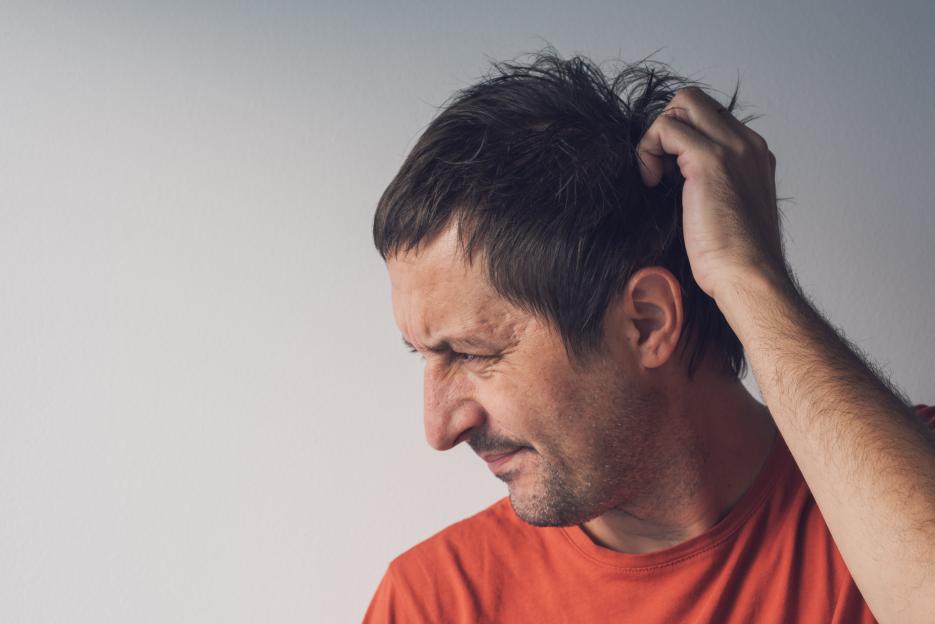 Dr Zoe helps a reader who has been left with a crusty lesion on their head after treatment for keratosis Credit: Getty
Q) AFTER treatment for , I have been left with a crusty lesion on my head.
Can I use any cryogenic products to try and take it off?
A) Please don’t use any over-the-counter cryotherapy or “freezing” products on this yourself, especially on the scalp.
usually refers to a rough, sun-damaged patch, such as an actinic keratosis, although people use the word in different ways.
After treatment, the skin can crust, scab and take time to heal. But if you have been left with a persistent crusty lesion, it needs to be checked rather than simply removed.
The scalp is a common area for sun damage and also for skin cancers.
A lesion that keeps crusting, does not heal, bleeds, grows, is tender or comes back after treatment should be reviewed by your GP, team or the clinician who treated it.
Home freezing products can damage the surrounding skin, delay diagnosis, cause infection or make it harder to assess what is really going on.
Until it is reviewed, protect the area from the sun and avoid picking the crust.
TIP: My advice to anybody who has unusual rashes – lasting more than a few weeks, or getting worse – is to make a face-to-face appointment with your .
If there is a long wait for an appointment, then you can send in an E-consult in the meantime with some photographs. It’s best to do this in natural light, so you could stand facing a window.
It’s always useful to take photographs of rashes that come and go because sometimes patients describe a rash, but it is settled at the time of seeing them.