MUMS selling baked goods on their driveways could be fined thousands of pounds by councils across the country or be forced to stop trading.
The entrepreneurial mums flog brownies and cakes out of small painted garden sheds using an honesty box or QR code system.
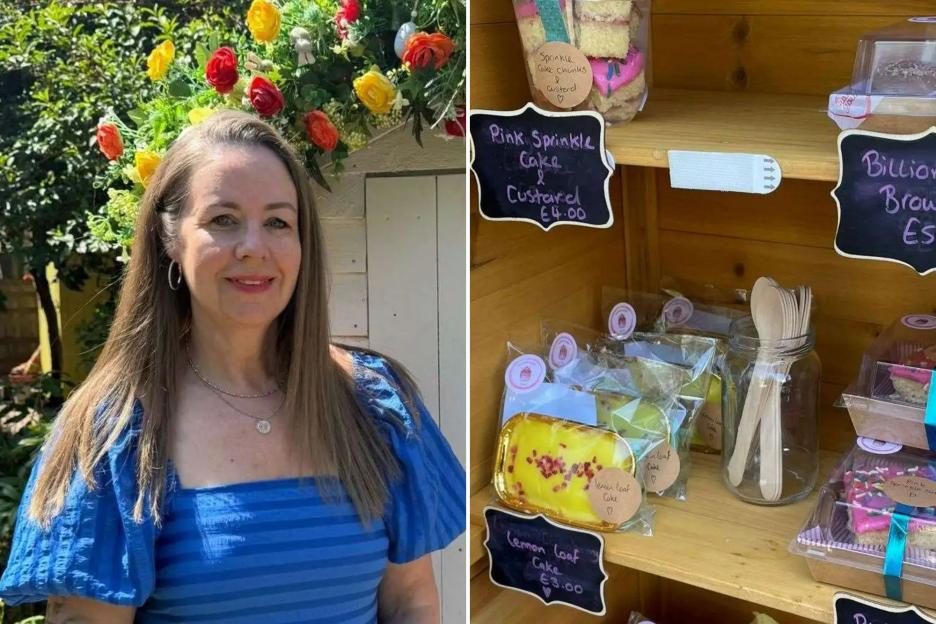
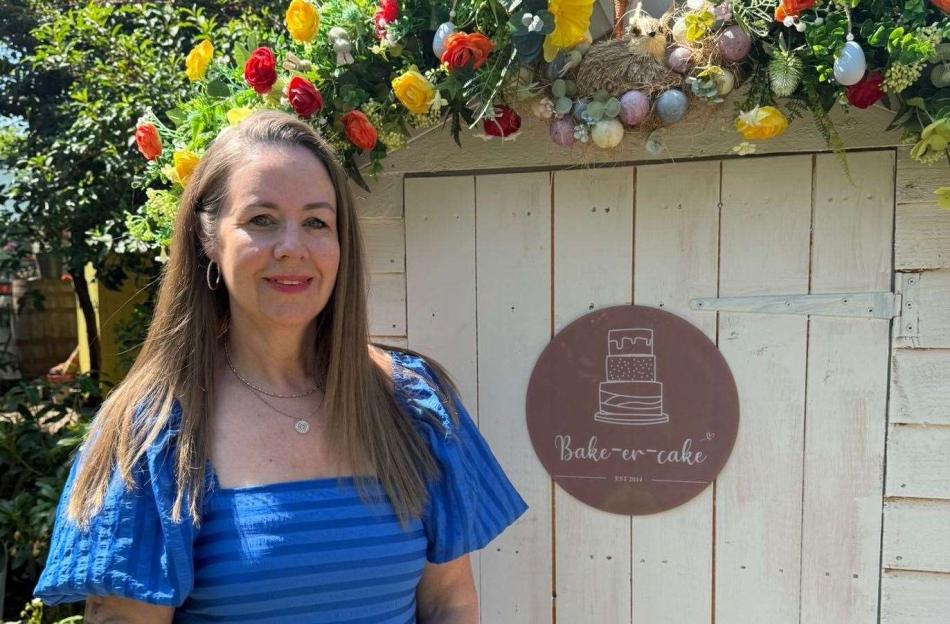 Sarah Baker launched her cake shed in Mote Avenue, Maidstone, last September Credit: Cover Images
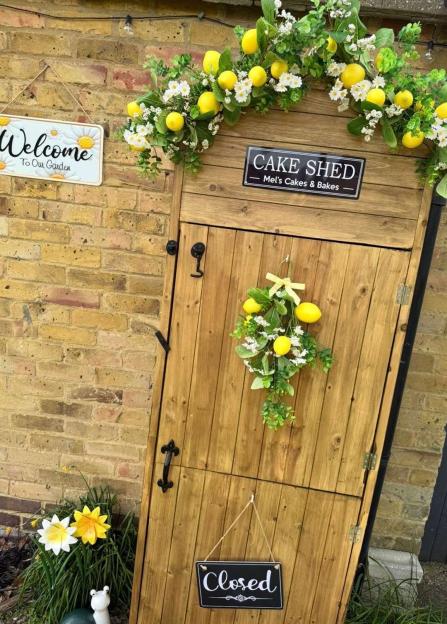 One council believes bakers could be bringing in £90,000 a year from the cake sheds Credit: Cover Images
One mum in Hampshire estimates she brings in £1,000 a month from her cake shed.
Michelle Wright said she after she had her second daughter and now spends her weekends baking for M.W’s Cakes & Bakes.
However, some councils have now told the at-home bakers that they will have to take out a street trading licence to keep selling.
In Bassetlaw, , one group of shed bakers are campaigning against the compulsory licence which would cost each seller £1,007 to obtain.
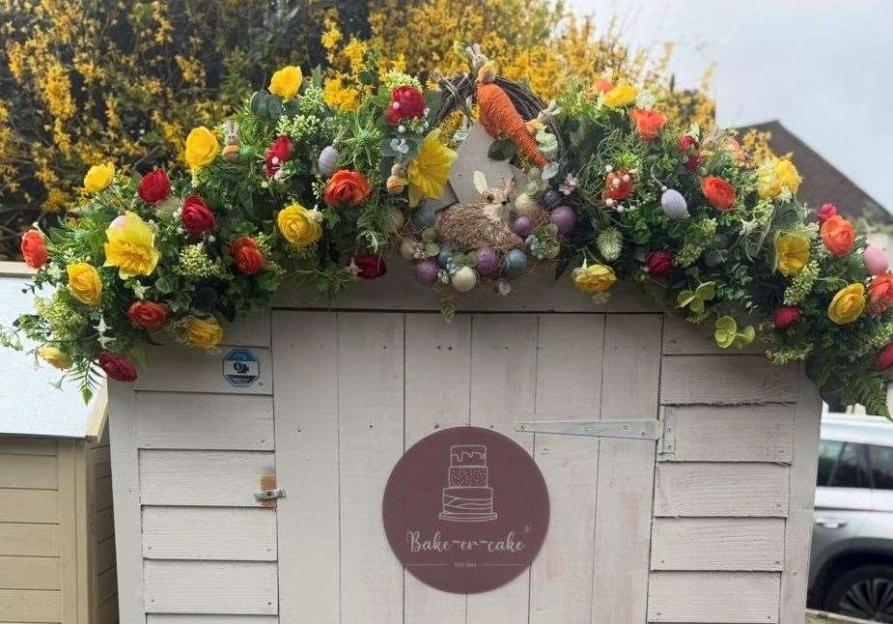 Sarah said the project was a hit with passers-by, while also being a way for her to make extra cash Credit: Cover Images
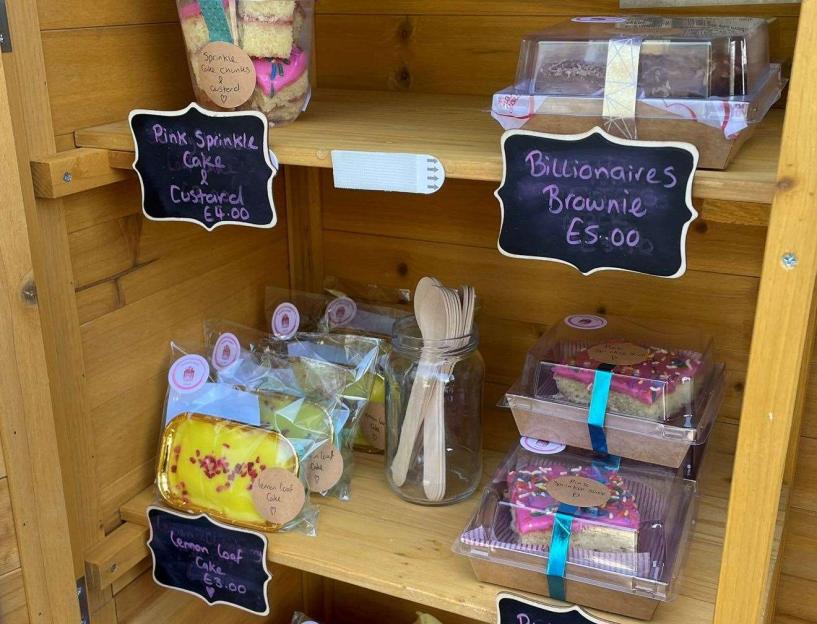 Maidstone council requires a street trading licence or the bakers could be fined £1,000 Credit: Cover Images
The district council argued that the sheds could bring in up to £90,000 a year, and said those who don’t purchase a licence could be hit with a £1,000 fine.
Natalie Brook, 37, shut down her venture following the “ridiculous” policies and said the council’s imminent decision would be “make or break” for her and other micro bakeries.
Speaking to the , she said: “I find it bizarre I can sell from my front door, but not from my shed, which is less than a metre away from my front door.”
“People can afford a couple of pounds on a cake, and if that is what they’re using for a little treat during a cost-of-living crisis, then that’s amazing, and I want to be a part of that.”
Miles away in Maidstone, , Sarah Baker is facing a similar battle.
The mum-of-three launched her bakery shed in September last year to earn some extra dough but has also been informed she could be fined.
Sarah’s shed holds a five-star hygiene rating, a level two food safety and hygiene certification, and food safety allergen awareness.
She said: “I was gutted really, because I thought, ‘I work hard, I’ve got a good little thing and then I could lose that , that little bit of income’.”
“I’m devastated to be honest because you work so hard and put your heart into it to try and build this.
“It’s really gutting that I could lose this if I can’t afford to do it. I feel like they’re trying to take everything away from you.
“I feel it’s just another way to make money from us. I just think it’s unfair. Nine months of working hard and it could go. I could lose it all.”
Sarah also hopes any council decision will be fair to those trading on their own property instead of on the street.
If a trading licence is needed, she fears she will be unable to keep selling as she typically brings in £60-£100 a weekend.
Sarah, who cares for her parents at home, said the shed has provided her with a bit of extra income that she can manage alongside her care commitments.
She said: “I just feel it’s unfair for us to pay that [trading licence] when we were never told about it in the first place.”
In nearby Harrietsham, Mel Houston, 51, was forced to stop selling after the council said she would need a licence.
The carer opened every Sunday but had to close down after only a few months.
She said: “It was a bit of a kick in the .”
“I shut it down straight away. I was deflated more than anything and upset for the residents as it brought the community together.”
In a report for Bassetlaw’s licensing committee, council officers said: “Including cake sheds in the street trading policy ensures consistency, fairness, and public protection.
“They function in the same way as traditional street trading units, and without regulation, they create an uneven playing field and reduce the ability to manage safety, location, and standards, and can lead to enforcement difficulties later on.”
A Maidstone council spokesman said: ‘Street trading legislation can apply where goods are sold in locations accessible to the public, including in some circumstances from residential premises. However, this is not always straightforward and each case needs to be considered individually.
“Maidstone council is aware of the concerns being raised by small-scale operators such as ‘cake sheds’. Many of these are low-level, home-based businesses that are already appropriately registered with Environmental , and we recognise the positive role they play within local communities.
“The council’s current Street Trading Policy was not designed with this type of activity in mind, and we accept that it can appear disproportionate when applied in these circumstances.
“As a result, we are actively reviewing the position to ensure the approach we take is fair, proportionate and supports small local businesses, whilst still meeting our legal obligations.
“Where enquiries are received at the moment, our focus is on providing advice and clarity, rather than enforcement.
“Any action would only ever be considered on a case-by-case basis, taking into account the nature and impact of the activity. For other examples, such as egg sales from residential properties, the same principles apply and it will depend on the specific circumstances, including the scale and nature of the operation.
“We would encourage anyone who is unsure to contact the council for advice.”